Introduction
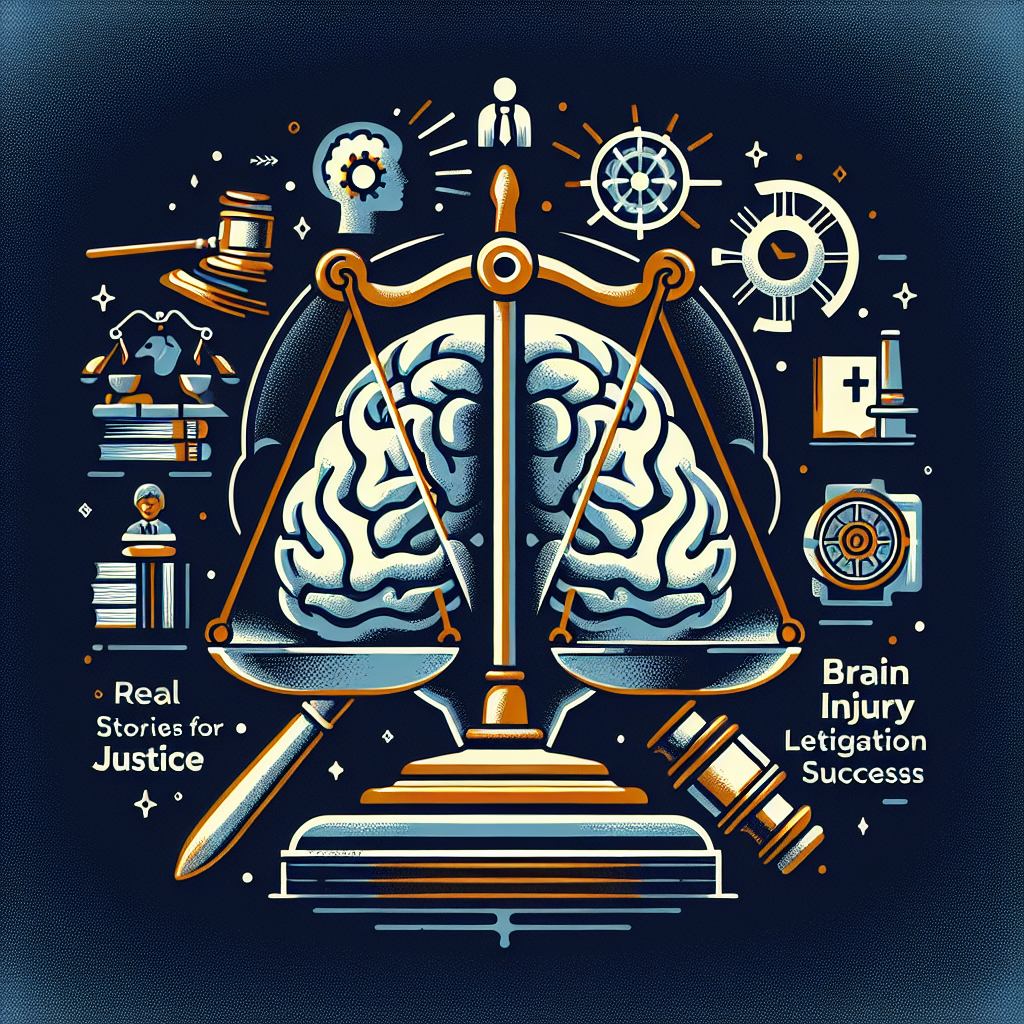
Imagine waking up in a hospital bed, surrounded by unfamiliar faces, struggling to piece together fragments of your memory. For many, this is the reality after a traumatic brain injury (TBI). In an instant, life can change dramatically, leading to long-lasting consequences both personally and financially. Yet amidst the challenges, there’s a beacon of hope — Fighting for Justice: Real Stories of Brain Injury Litigation Success offer not only inspiration but also vital lessons for anyone facing such tragedies.
This in-depth exploration will illustrate how victims of brain injuries have successfully navigated the tumultuous waters of litigation, and the victories that have emerged from their struggles. Understanding these real stories not only highlights the importance of justice but also empowers other victims to seek the redress they deserve.
The Importance of Brain Injury Litigation
Brain injuries are complex, often leading to significant medical, emotional, and financial burdens. Understanding the intricacies of brain injury litigation is essential for anyone affected by such trauma. Legal battles may seem daunting, but they are central to securing justice and rehabilitation for those impacted by negligence or malpractice.
Understanding Traumatic Brain Injuries
Traumatic brain injuries can result from various accidents, including sports injuries, automobile crashes, and falls. Each case is unique, with varying levels of severity and long-term effects.
Types of Traumatic Brain Injuries:
| Type | Description |
|---|---|
| Concussion | A mild injury causing temporary disruption of brain function. |
| Contusion | Bruising on the brain due to impact. |
| Diffuse Axonal Injury | Injury to the brain’s connective fibers, often severe. |
| Penetrating Injury | Occurs when an object penetrates the skull, damaging brain tissue. |
The lifelong implications of these injuries can be staggering, making effective legal representation critical for securing compensation for medical bills, loss of income, and emotional suffering.
Case Study Insights: Examples of Litigation Success
Case Study 1: The Power of Evidence – John’s Journey
John, a 32-year-old cyclist, was struck by a negligent driver who failed to stop at a red light. The collision resulted in a severe TBI, leaving John unable to work and accessing extensive rehabilitation services.
Litigation Outcome: John’s legal team compiled hospital records, eyewitness accounts, and expert testimonies that clearly showcased the driver’s negligence. This pursuit of justice culminated in a $2 million settlement, allowing John to afford ongoing care and regain some semblance of independence.
Relevance: This case illustrates the importance of thorough evidence collection in Fighting for Justice: Real Stories of Brain Injury Litigation Success. Victims must ensure every detail is documented, as these pieces are crucial to building a compelling case.
Case Study 2: The Underlying Issues – Maria’s Story
Maria was a promising young artist whose life was irrevocably changed after a slip and fall accident in a grocery store. She suffered from a concussion that led to prolonged cognitive issues and depression.
Litigation Outcome: Initially, the grocery store’s insurance company denied responsibility. However, Maria’s attorney utilized expert neuropsychological evaluations demonstrating how her injuries impaired her creativity and mental health. This evidence led to a six-figure settlement that provided for therapy and living expenses.
Relevance: Maria’s experience underscores the emotional and psychological ramifications of brain injuries and highlights that Fighting for Justice: Real Stories of Brain Injury Litigation Success includes advocating for comprehensive damages, including emotional distress.
Case Study 3: Persistence Against Odds – David’s Triumph
David, a former military veteran, sustained a brain injury during a training exercise due to faulty equipment. Armed with determination and legal prowess, David sought justice against the manufacturer.
Litigation Outcome: The case took years to resolve, but David’s team meticulously built a case that involved both technical assessments and personal testimonies about the incident’s impact. Eventually, they obtained a $1.5 million verdict, emphasizing the manufacturer’s liability.
Relevance: David’s story exemplifies the fact that in Fighting for Justice: Real Stories of Brain Injury Litigation Success, perseverance matters. Even when faced with overwhelming odds, it’s vital to continue pursuing justice.
Navigating the Legal Landscape
Understanding how to prepare for litigation can significantly affect outcomes. Here are key steps in the brain injury litigation process:
1. Hold onto Documentation
Ensure that all medical records, bills, incident reports, and accident details are preserved. This documentation serves as the backbone of your case.
2. Engage Expert Witnesses
Specialists can provide testimony about the nature of injuries and prognosis, reinforcing your claims.
3. Know the Statute of Limitations
Familiarize yourself with the legal time limits for filing a personal injury claim in your jurisdiction to avoid losing your right to compensation.
4. Consider Mediation
Many cases settle before reaching trial. Your legal team should prepare for mediation as it may lead to a satisfactory resolution while avoiding prolonged court battles.
5. Prioritize Emotional Support
The aftermath of a TBI can be emotionally taxing. Engage support networks, including therapy, to assist with the psychological implications.
Tools for Success in Litigation
Essential Resources for Victims
| Resource Type | Description |
|---|---|
| Legal Counsel | Expert legal representation specialized in TBI cases. |
| Support Groups | Communities for emotional support and experience sharing. |
| Medical Specialists | Healthcare professionals for accurate assessments and care. |
| Rehabilitation Facilities | Programs focused on cognitive recovery and life skills. |
Obtaining these resources can significantly improve the chances of a successful litigation outcome. Fighting for Justice: Real Stories of Brain Injury Litigation Success reflects a collaborative approach among victims, healthcare providers, and legal counsel.
Conclusion
Fighting for Justice: Real Stories of Brain Injury Litigation Success is more than just a catchy phrase; it embodies the struggles and victories of countless individuals facing the nightmare of brain injury. Each story resonates with hope, aggression, and above all, resilience.
From John, who diligently documented his case, to Maria, who provided poignant testimony about the emotional costs of her injury, these narratives underscore the relentless pursuit of justice. Victims are encouraged to seek legal counsel, document their experiences, and utilize available resources to enhance their chances of not just obtaining compensation but reclaiming control over their lives.
Call to Action
If you or someone you know is navigating life after a brain injury, remember: You are not alone. There are avenues for support, empowerment, and justice available. Seek legal representation and initiate your journey toward recovery and impartiality in your situation.
FAQs
1. What types of compensation can I seek after a brain injury?
Victims can pursue various forms of compensation, including medical expenses, lost wages, pain and suffering, and rehabilitation costs.
2. How long does a brain injury lawsuit take?
The timeline for brain injury litigation can vary greatly, from several months to years, depending on the complexity of the case.
3. Can I sue if my brain injury resulted from a sports injury?
Yes, if the injury was caused by negligence, such as lack of sufficient safety measures or equipment, you may have a legal claim.
4. Do I need a lawyer for my case?
While it’s possible to represent yourself, a specialized lawyer can significantly enhance your chances of a successful outcome through their knowledge and experience in TBI litigation.
5. What if I am partly at fault for the accident?
In many jurisdictions, you can still pursue a claim. However, compensation may be reduced based on your percentage of fault.
This compilation of stories not only serves as a testimony to the resilience of the human spirit but also emphasizes the necessity of advocating for one’s rights in the face of adversity. Fighting for Justice: Real Stories of Brain Injury Litigation Success illustrates that justice is possible — and with the right support, it is attainable.
About the Author