


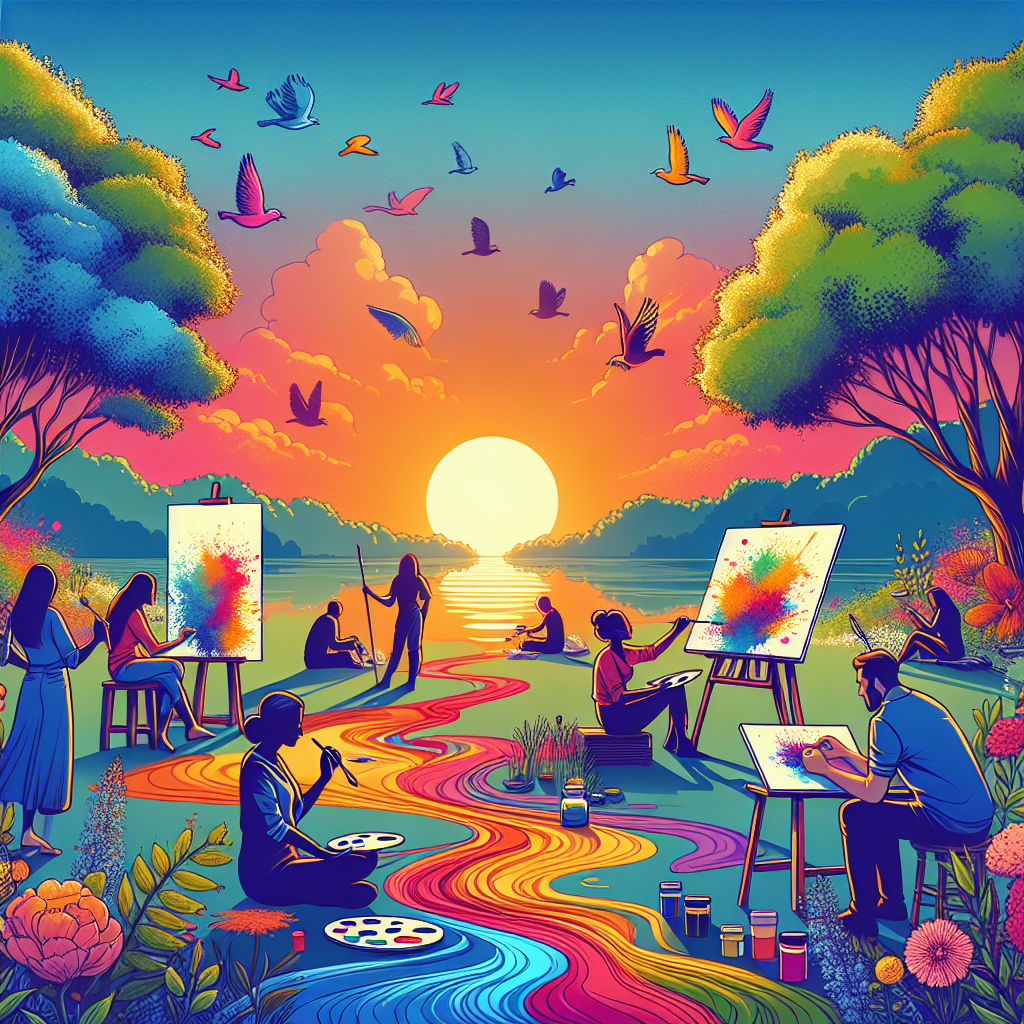
Finding Peace in Color: Essential Art Therapy Techniques for Managing Anxiety
Introduction
In a world that often moves too fast, where anxiety can feel like an uninvited guest, the need for solace becomes paramount. The quest for calmness often leads individuals toward various traditional therapies and medications. However, an innovative and engaging approach is rising to the forefront: art therapy. Imagine a medium where colors blend, shapes emerge, and feelings find a voice—this is the essence of art therapy. In this article, we’ll explore Finding Peace in Color: Art Therapy Techniques for Managing Anxiety, guiding you through unique methods that can invoke healing and self-expression.
The Therapeutic Power of Art
Art holds a unique power—one that transcends words and speaks directly to our emotions. While traditional forms of therapy may rely heavily on dialogue, art therapy allows you to process feelings through creativity. It serves as a non-verbal communication channel, making it particularly useful for individuals struggling to articulate their anxiety.
Why Colors Matter
Colors can evoke specific emotions and mental states. According to color psychology:
- Blue can instill a sense of calmness.
- Green represents balance and tranquility.
- Yellow can uplift and energize.
Understanding how colors impact mental health can greatly enhance the effectiveness of Finding Peace in Color: Art Therapy Techniques for Managing Anxiety. Let’s delve into specific techniques that utilize the healing properties of colors.
Art Therapy Techniques
1. Color Journaling
Color journaling is a simple yet profound technique that encourages individuals to express their feelings through color choices and artistic elements. Instead of penning down mundane journaling entries, participants use various colors to represent their moods or experiences for the day.
Case Study: Sarah, a 28-year-old graphic designer, found journaling overwhelming. By integrating colors into her entries, she began to visually articulate her emotions. This not only made journaling fun but also helped her better understand her mental state, effectively managing anxiety.
Analysis:
Color journaling serves as a creative outlet and can help track your mental health over time. It’s an excellent way to identify patterns in moods and triggers.
2. Mandala Creation
Creating mandalas—circular geometric designs—offers a meditative experience. The repetitive nature of drawing or coloring within the circles can instill a sense of calmness.
Benefits:
- Induces relaxation
- Improves focus
- Promotes mindfulness
Case Study: Tom, a college student, struggled with stress and anxiety before exams. After taking up mandala coloring, he reported feeling more centered and focused. This simple technique aided in managing his anxiety levels significantly.
Analysis:
The act of creating mandalas can serve as both a grounding technique and a mindfulness practice, which is critical for anxiety management.
3. Vision Boards
Vision boards bring dreams and aspirations to life through collage-making. They combine imagery, colors, and words to manifest positive thoughts and feelings, replacing anxiety with motivation and hope.
Case Study: Lisa, a recent college graduate, felt lost and anxious about job hunting. By creating a vision board that included her goals, favorite colors, and positive affirmations, she found clarity and renewed purpose.
Analysis:
Vision boards not only foster creativity but empower individuals to visualize their hopes and dreams, shifting focus away from anxiety.
Creating Your Art Therapy Space
To fully embrace Finding Peace in Color: Art Therapy Techniques for Managing Anxiety, you need a dedicated space. Here’s how to create it:
1. Choose Your Location
Pick a quiet corner in your home where you feel comfortable and free from distractions. Decorate it with calming colors, plants, or any personal touches that make you feel relaxed.
2. Gather Supplies
Equip your space with:
- Sketchbooks
- Colored pencils or markers
- Paints and brushes
- Collage materials (magazines, scissors, glue)
3. Set Intentions
Before starting your art session, take a moment to breathe deeply. Set an intention for what you want to achieve—be it relaxation, self-discovery, or anxiety relief. This sets a positive tone for your creative journey.
Insights from Art Therapy Professionals
Many psychologists advocate for art therapy as a viable option for managing anxiety. According to Dr. Clara V. Roberts, a licensed art therapist, "Art provides a safe way to express feelings, especially when words fail. It’s a sensory experience where clients can immerse themselves in colors and textures."
FAQs about Art Therapy and Anxiety Management
1. What materials do I need for art therapy?
All you need are basic supplies like colored pencils, markers, paints, and a sketchbook. It’s all about what feels comfortable and inviting for you.
2. Can anyone do art therapy?
Absolutely! There are no specific skills required. The emphasis is on the process, not the final product.
3. How often should I practice art therapy?
Consistency is key. Aim for at least once a week, but if you feel inclined to do it more, that’s even better.
4. Is art therapy scientifically backed?
Yes! Numerous studies have shown that art therapy can significantly reduce anxiety and improve emotional well-being.
5. Can I combine art therapy with other forms of therapy?
Certainly. Many people find that integrating multiple therapeutic methods—like talk therapy and art therapy—provides a more holistic approach to healing.
Conclusion
In the quest for mental well-being, Finding Peace in Color: Art Therapy Techniques for Managing Anxiety provides a refreshing and accessible route. The blend of creativity and therapeutic practices offers unique ways for individuals to explore their feelings, express themselves, and ultimately find peace.
Colors have the potential to transform your emotional landscape, creating a sanctuary within—one where anxiety can dissipate, and calmness can thrive. By integrating these art therapy techniques into your life, you’re not just creating art; you’re constructing a path toward tranquility and self-understanding.
As you embark on this creative journey, remember: the colors you choose are direct reflections of your emotions. Embrace them, and let art guide you toward a more peaceful existence.

