


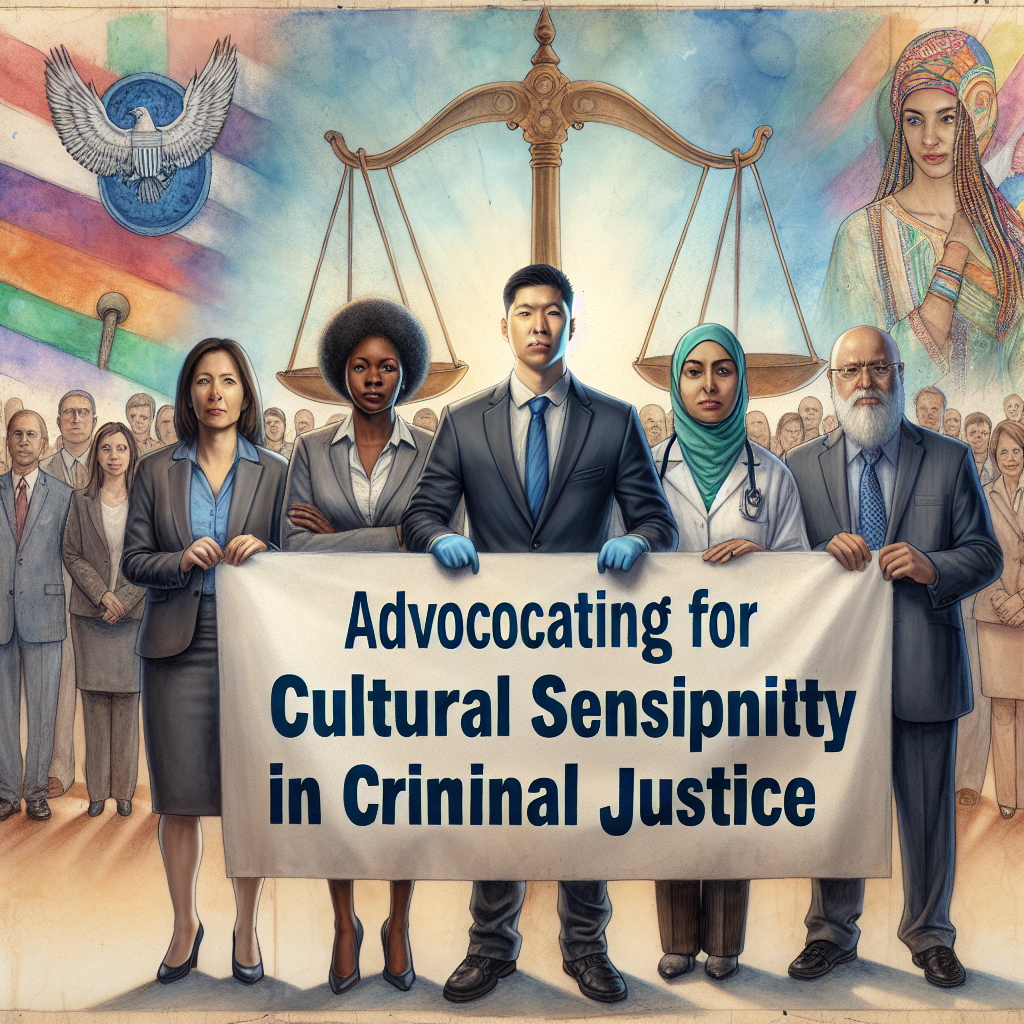
Introduction: The Crucial Intersection of Science and Society
In an era where voices demanding justice echo louder than ever, the integration of cultural sensitivity into the criminal justice system has never been more essential. The convergence of forensic experts and cultural awareness is a powerful catalyst for change, creating an environment where justice is not only served but is equitable and inclusive. This article will delve into how Forensic Experts Unite: Advocating for Cultural Sensitivity in Criminal Justice represents a transformative movement—a call to action for professionals in the field to reevaluate their practices and assumptions.
The Importance of Cultural Sensitivity in Forensic Science
The realm of forensic science has long been viewed through a lens of objectivity and impartiality. Yet, as advancements in technology and methodologies reveal more complex human behaviors and societal issues, it’s crucial that forensic experts become advocates for cultural sensitivity. The ramifications of neglecting cultural nuances can lead to wrongful convictions, shattered lives, and further entrenchment of systemic biases within legal frameworks.
Case Study 1: The Central Park Five
A pivotal example illustrating the dire consequences of cultural insensitivity in the criminal justice system is the infamous case of the Central Park Five. In 1989, five minority teenagers were wrongfully convicted of assaulting and raping a jogger in Central Park. Relying heavily on dubious confessions obtained under duress, the resulting convictions highlighted a systemic failure steeped in racial bias. The impact of this case reverberated throughout the community, sparking national outrage and ultimately leading to significant considerations regarding police practices, public sentencing, and the importance of understanding cultural contexts.
The Role of Forensic Experts
Forensic experts are the backbone of modern criminal investigations, providing vital insights based on scientific evidence. However, without a foundation of cultural understanding, their findings can contribute to misconceptions and injustices.
Integrating Cultural Awareness in Forensic Training
Educating forensic experts about cultural sensitivity is paramount. By encouraging professionals to engage with communities, build relationships, and understand the social dynamics at play, we can foster a more inclusive approach to justice.
Table 1: Benefits of Cultural Sensitivity Training in Forensic Science
| Benefit | Description |
|---|---|
| Enhanced Communication | Better understanding leads to clearer exchanges between experts and communities. |
| Reduced Bias in Evidence Interpretation | Greater awareness reduces the risk of misinterpretation based on stereotypes. |
| Improved Community Relations | Trust builds between forensic professionals and the communities they serve. |
| More Accurate Investigations | Contextual understanding enhances the accuracy of evidence collection and analysis. |
| Increased Public Trust | Culturally sensitive practices foster confidence in the justice system. |
Challenges in Implementing Cultural Sensitivity
While the need for cultural sensitivity is clear, implementing this framework within forensic practices poses challenges. Many forensic experts may grapple with:
- Inadequate Training: Limited emphasis on cultural competence in forensic science education can leave professionals ill-equipped.
- Resistance to Change: Many may be skeptical of altering established practices or unwilling to confront unconscious biases.
- Lack of Resources: Institutions may lack the necessary funding or support to initiate cultural sensitivity training.
Despite these obstacles, progress is being made.
Real-World Applications: Cultural Sensitivity in Action
Case Study 2: The Disappearance of Danielle van Dam
The case of Danielle van Dam’s disappearance in 2002 serves as another example of how cultural sensitivity can shape forensic investigations. Local law enforcement faced criticism due to their initial handling of the case, which many believed reflected biases against the victim’s family dynamics and lifestyle. As the case evolved, the involvement of forensic experts with a keen understanding of the community context proved crucial in unraveling the truth, showcasing the necessity of having culturally aware professionals working within diverse communities.
Analysis
The resolution of this case highlights the dangers of assumptions based solely on cultural stereotypes. If forensic experts do not consider the societal and cultural backgrounds of victims and suspects, they risk misinterpretation that can derail investigations.
Advocating for Policy Change
Advocating for cultural sensitivity is not merely about individual education; systemic changes are necessary within the criminal justice framework.
Proposed Policy Initiatives
-
Incorporating Cultural Competence into Forensic Curriculum: Academic programs should embed cultural sensitivity training into the core curriculum, ensuring that new generations of forensic experts are equipped with the necessary tools.
-
Community-Based Forensic Initiatives: Engaging forensic professionals in community-oriented projects can foster understanding and trust, allowing for more collaborative investigations.
- Establishing Accountability Standards: Mandating that forensic labs assess and report their cultural sensitivity efforts can catalyze broader changes across institutions.
Chart 1: Projected Outcomes of Policy Changes
| Policy Change | Projected Outcome |
|---|---|
| Cultural Competence in Education | Higher rates of just outcomes in criminal investigations. |
| Community Engagement Initiatives | Increased collaboration between law enforcement and communities. |
| Accountability in Forensic Labs | Enhanced credibility and public trust in forensic findings. |
Building a Network: Forensic Experts Unite
The call for Forensic Experts Unite: Advocating for Cultural Sensitivity in Criminal Justice extends beyond individual practice; it urges a collective effort. Establishing networks for professionals to share experiences, resources, and strategies cultivates an environment of collaboration and learning.
The Role of Professional Organizations
Organizations such as the American Academy of Forensic Sciences (AAFS) can play a pivotal role in driving this initiative forward. By prioritizing cultural sensitivity and offering resources for training, these organizations can empower forensic experts to advocate for justice proactively.
Collaboration with Community Leaders
Furthering connections between forensic experts and community leaders can enhance cultural understanding and trust. Collaborative workshops, discussions, and outreach programs can yield fruitful insights and strengthen community bonds.
Conclusion: A Call to Action
The path toward cultural sensitivity in forensic science is not simply a professional responsibility—it is a vital component of achieving equitable justice. The movement encapsulated by Forensic Experts Unite: Advocating for Cultural Sensitivity in Criminal Justice is a call for all professionals in the field to recognize the power they hold: the power to effect change, foster understanding, and ultimately serve justice more impartially.
Forensic experts must stand together, armed with cultural insights and education, to dismantle the biases that have long plagued the criminal justice system. By nurturing relationships, respecting diversity, and championing inclusive practices, we can cultivate a more just society.
FAQs Section
1. What does cultural sensitivity in forensic science entail?
Cultural sensitivity involves recognizing and respecting the diverse backgrounds of individuals involved in criminal investigations, including victims, suspects, and community members. It requires understanding how cultural context can influence behaviors and perceptions.
2. Why is cultural sensitivity essential in forensic investigations?
Cultural sensitivity can improve communication, reduce bias, and increase trust between forensic experts and communities, ultimately leading to more accurate and just outcomes in criminal investigations.
3. How can forensic professionals advocate for cultural sensitivity?
Forensic professionals can advocate for cultural sensitivity by pursuing ongoing education, participating in community outreach, and collaborating with cultural leaders to ensure a nuanced understanding of diverse contexts.
4. What role do forensic organizations play in promoting cultural sensitivity?
Professional organizations can develop resources, training programs, and guidelines to help forensic experts integrate cultural sensitivity into their practices, thereby fostering an inclusive environment.
5. Are there examples of successful cultural sensitivity initiatives?
Yes, numerous forensic programs across the country have implemented community engagement projects and culturally sensitive training programs, resulting in improved relationships with diverse communities and more equitable justice outcomes.
By embracing the principles outlined in Forensic Experts Unite: Advocating for Cultural Sensitivity in Criminal Justice, we pave the way toward a more just and inclusive criminal justice system, ultimately serving society more effectively.


The PsyForU Editorial Collective is the research and editorial team of PsyForU Research International. The collective prepares educational, psychological, mental-health-awareness, inclusion, neurodiversity, and research-methodology content for students, parents, educators, researchers, and general readers. PsyForU content is intended for awareness, education, and capacity-building and should not be treated as clinical diagnosis, therapy, medical advice, legal advice, or emergency mental-health support.