


Introduction
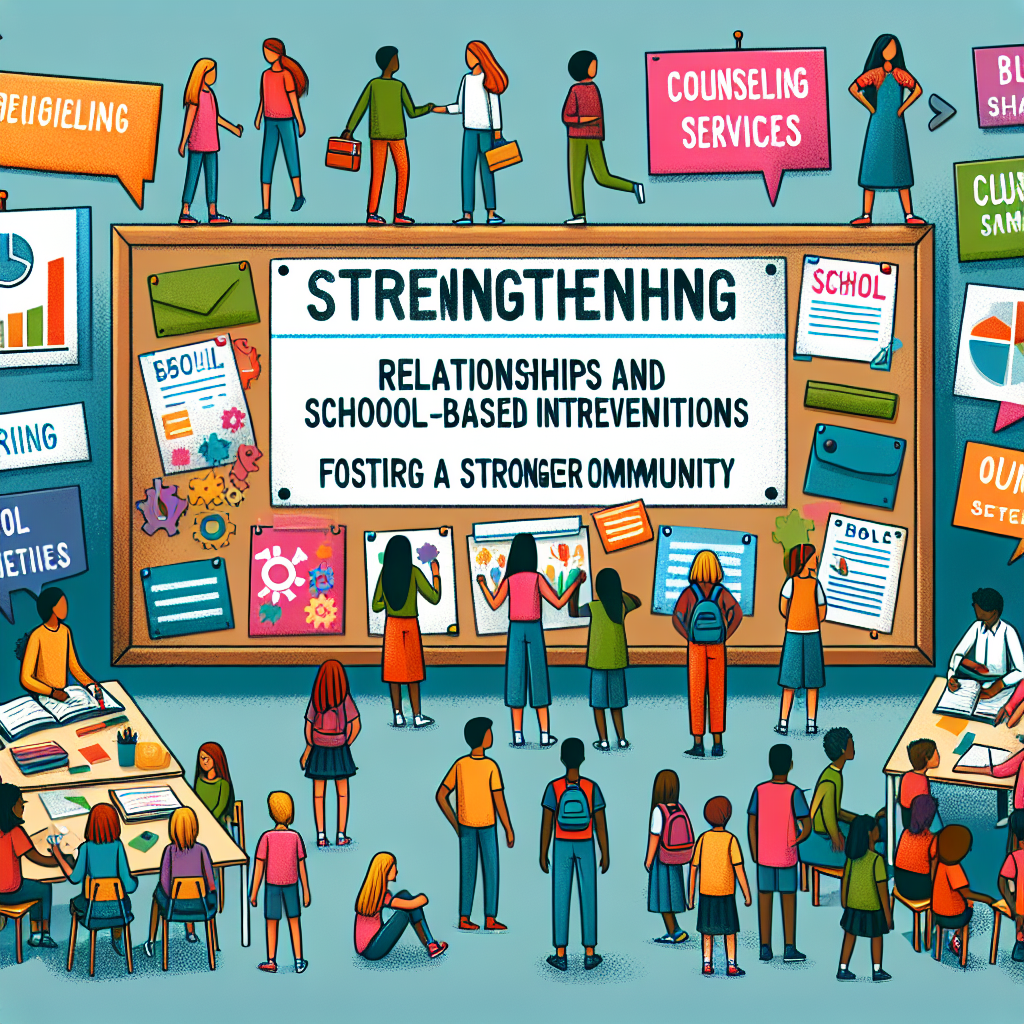
In an era where isolation seems to permeate even the most robust social networks, fostering community within schools has emerged as not just an aspiration but a necessity. Schools are not merely places for academic learning; they are vital hubs for developing relationships and support systems that extend beyond the classroom. The initiative to strengthen these community ties through school-based interventions is akin to planting seeds for a healthier society—one where trust, collaboration, and emotional resilience flourish.
This article delves into fostering community: how school-based interventions strengthen relationships and support systems, providing unique insights, compelling case studies, and actionable strategies to engage educators, parents, and community leaders alike.
The Importance of Community in Schools
Why Community Matters
Community provides a safety net for students, promoting emotional wellbeing and social stability. Research indicates that students in cohesive school communities exhibit better academic performance and lower dropout rates. In a nurturing environment, children are more likely to engage in school, express their thoughts, and develop empathy.
The Role of Relationships
At the heart of every thriving community are strong relationships. These connections among students, teachers, and families empower individuals, helping them navigate challenges more effectively. Fostering community through relationships develops social skills and encourages collaboration, which are vital both in school and in life.
School-Based Interventions: A Blueprint for Action
Types of Interventions
Understanding the types of interventions is crucial for effective implementation. Below are some prominent categories:
-
Social Emotional Learning (SEL) Programs: Focused on emotional intelligence, these programs teach students to manage emotions, set positive goals, and feel empathy for others.
-
Peer Mentoring: This involves older students guiding younger ones, fostering leadership skills and mutual support within the community.
-
Family Engagement Initiatives: These programs aim to involve parents and families in the educational process, thereby strengthening the community fabric.
- Community Service Projects: Schools often engage students in service-learning projects that connect classroom knowledge with real-world issues, enhancing social responsibility.
Case Study: The Impact of SEL in a Diverse School Environment
[Table 1: SEL Program Implementation in School Districts]
| District | Year Implemented | Student Engagement | Academic Improvement |
|---|---|---|---|
| A | 2019 | 75% | 15% |
| B | 2020 | 85% | 20% |
| C | 2021 | 60% | 10% |
Analysis
In District B, a robust SEL program was established, leading to a remarkable increase in both student engagement and academic performance. Feedback from teachers cited the improvement in classroom behavior and social interactions among peers as a significant outcome. This illustrates the core concept of fostering community: how school-based interventions strengthen relationships and support systems through structured emotional learning.
Key Strategies for Effective Interventions
Building a Supportive Environment
Creating an environment where students feel safe to express themselves is paramount. This can be achieved by:
-
Encouraging Open Dialogue: Schools can host discussion forums about topics that matter to students.
- Training Staff: Equipping teachers with the necessary skills to recognize signs of distress or disengagement can make a profound difference in student support.
Promoting Inclusivity
A community thrives when every member feels valued. Strategies include:
-
Diverse Curriculum: Implementing curriculum that reflects various cultures can create a sense of belonging and acceptance.
- Inclusive Activities: Sports, arts, and workshops should cater to all interests, allowing every student to find and express their unique talents.
Involving the Larger Community
Schools should not operate in isolation. Community involvement can be enhanced through:
-
Local Partnerships: Collaborating with local organizations can provide resources and volunteers for school activities.
- Parent Workshops: Engaging parents in workshops about community involvement can strengthen ties and foster a supportive home environment.
Case Study: Community Service Initiatives in Action
A high school in Seattle initiated a community service project that involved students volunteering at local shelters.
Results
- Empathy Development: Students reported increased empathy and understanding of societal challenges.
- Enhanced Relationships: The project fostered relationships among students across different grades and backgrounds, promoting inclusivity and collaboration.
Analysis
This initiative is a testament to fostering community: how school-based interventions strengthen relationships and support systems. By engaging in community service, students transformed their relationships, not only with each other but also with the communities they serve.
Challenges and Solutions
Navigating Resistance
Not all interventions will be met with enthusiasm. Some educators may resist changes or feel overwhelmed by new implementations. Solutions can include:
-
Pilot Programs: Start small and expand based on success.
- Transparent Communication: Keeping stakeholders informed about goals and outcomes can build trust and buy-in.
Resource Limitations
Schools often face budget constraints that limit their ability to implement comprehensive programs. Funding can be sought through:
-
Grants: Schools can apply for grants designed to support education and community building.
- Crowdfunding: Innovative platforms allow communities to fund initiatives through small contributions.
Frequently Asked Questions (FAQs)
1. What are the primary benefits of fostering a school community?
Fostering a school community enhances emotional wellbeing, improves academic performance, and leads to reduced behavioral issues, creating a more supportive atmosphere for learning.
2. How can schools ensure that interventions are effective?
Schools can ensure effectiveness by regularly evaluating and adjusting programs based on feedback from students, staff, and parents, fostering an adaptive learning environment.
3. Can community involvement really impact student success?
Absolutely! Involvement from community members provides valuable resources, mentors, and support, which can motivate students and enhance their educational experiences.
4. What are some low-cost ways to foster community in schools?
Schools can implement simple strategies like buddy systems, student-led clubs, and regular community meetings that require minimal resources but foster relationships.
5. How do I involve parents in school activities?
Creating regular opportunities for parents to engage, such as family nights, volunteer programs, and informational workshops, can effectively involve them in the school community.
Conclusion
Fostering community within schools is not merely an option; it’s an essential pathway toward nurturing a supportive educational environment. As demonstrated, fostering community: how school-based interventions strengthen relationships and support systems benefits students, educators, and families alike. By implementing well-thought-out programs and actively engaging all stakeholders, we can build a resilient framework that supports not only academic success but also emotional and social development.
As we move forward, let’s remember that each interaction, each program, and each relationship we cultivate is a building block in this vital community. It begins with small efforts, but together, we can create a lasting impact that echoes well beyond the classroom. Let’s engage, connect, and thrive together.


The PsyForU Editorial Collective is the research and editorial team of PsyForU Research International. The collective prepares educational, psychological, mental-health-awareness, inclusion, neurodiversity, and research-methodology content for students, parents, educators, researchers, and general readers. PsyForU content is intended for awareness, education, and capacity-building and should not be treated as clinical diagnosis, therapy, medical advice, legal advice, or emergency mental-health support.