Fostering Growth: Essential Evidence-Based Lesson Plans for Special Education Success
Introduction
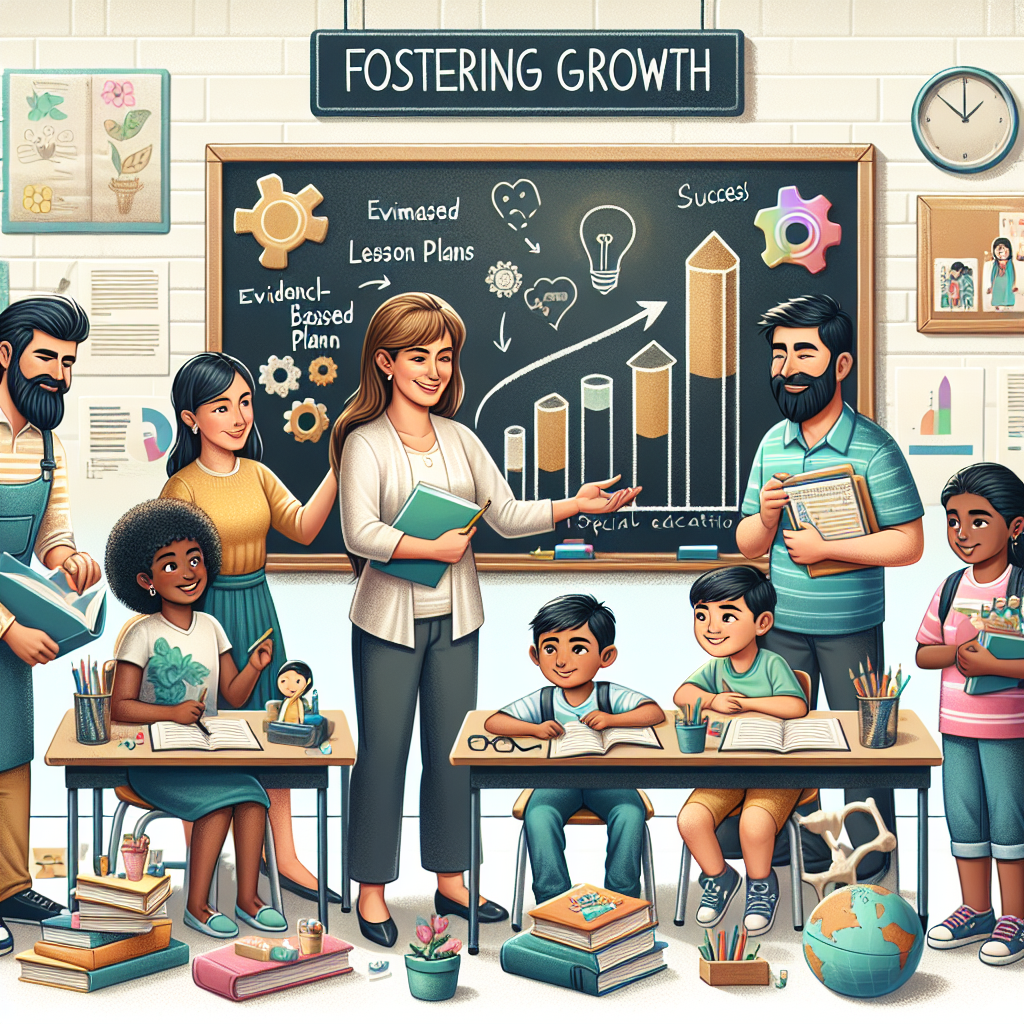
In today’s educational landscape, fostering growth in special education requires more than just patience and compassion; it demands strategic, evidence-based approaches that resonate with diverse learners. Special education encompasses a wide range of needs and abilities, making it essential for educators to employ lesson plans that are not just effective but transformative. Fostering Growth: Evidence-Based Lesson Plans for Special Education Success highlights the importance of tailored instruction that can genuinely make a difference in the lives of students with unique challenges.
As we delve into this topic, consider the remarkable potential that exists when educators harness the right tools and strategies to nurture growth in their students. Fostering an inclusive environment enriches not only the learning experiences of students with disabilities but also their peers, creating a dynamic classroom atmosphere conducive to everyone’s success.
Understanding the Need for Evidence-Based Approaches
What are Evidence-Based Practices?
Evidence-based practices (EBPs) are instructional techniques and strategies that have been proven effective through rigorous research. According to the Institute of Education Sciences, teaching strategies associated with EBPs lead to improved outcomes for students, especially in the context of special education. The foundation of Fostering Growth: Evidence-Based Lesson Plans for Special Education Success lies in integrating these proven methods into everyday teaching practices.
Why They Matter for Special Education
Special education learners often face unique barriers to academic achievement. By employing lesson plans grounded in EBPs, educators can address individual learning styles, strengths, and needs effectively. This approach not only enhances educational outcomes but also boosts students’ self-esteem, engagement, and motivation.
Successful Implementation: Key Elements
- Assessment: Start with detailed assessments to understand the specific needs of each learner. High-quality assessments guide the development of tailored lesson plans.
- Adaptation: Adjust existing curricula and instructional methods to better fit the unique learning profiles of students.
- Collaboration: Foster a collaborative environment among educators, specialists, and families to ensure that all perspectives are considered in the decision-making process.
Creating Effective Lesson Plans
The Structure of Evidence-Based Lesson Plans
Effective lesson plans for special education should encompass a clear structure that supports both learning objectives and student engagement.
1. Clear Learning Objectives
Establish specific, measurable, achievable, relevant, and time-bound (SMART) objectives that align with state standards. For instance, rather than a vague goal like "improve reading skills," a SMART goal would be "students will be able to identify main ideas in a text with 80% accuracy by the end of the semester."
2. Engaging Activities
Incorporate hands-on activities that facilitate active learning. Utilizing different modalities—visual, auditory, and kinesthetic—helps cater to various learning preferences.
3. Assessment and Feedback Mechanism
Include formative assessments throughout the lesson to gauge understanding. Use informal methods like observation or quizzes, as well as formal methods like tests or projects.
Case Study: Inclusive Math Strategies
A well-documented case study from the University of Notre Dame illustrates the effects of tailored math instruction for students with learning disabilities. By implementing structured lesson plans that included visual aids, manipulatives, and peer collaboration, teachers observed a 30% increase in student comprehension of mathematical concepts over one academic year. This case underscores the benefits of Fostering Growth: Evidence-Based Lesson Plans for Special Education Success, showing how intentional planning can yield positive outcomes.
Practical Strategies for Different Learning Needs
Visual Impairments
Utilize tactile learning materials and assistive technology. Implement lesson plans that involve real-life applications of concepts through field trips and accessibility tools.
Autism Spectrum Disorder (ASD)
Incorporate structured routines, social stories, and visual schedules in your lesson plans. Personalized lesson plans that focus on communication and social skills significantly improve engagement among students with ASD.
Intellectual Disabilities
Simplify content and integrate repetitive practices to reinforce learning. Teachers might use interactive games that align with lesson objectives, turning potentially overwhelming subjects into fun, manageable tasks.
Data-Driven Decision Making
To ensure the effectiveness of lesson plans, constant data collection and analysis are vital. Educators should routinely analyze data related to student performance to adjust their teaching strategies based on concrete evidence.
Utilizing Technology
Educators can employ learning management systems to track students’ progress and gather insights into which lesson components are working. For example, a chart displaying student progress can reveal trends that guide future instruction:
| Student | Pre-Test Score | Post-Test Score | Improvement |
|---|---|---|---|
| John | 45% | 75% | 30% |
| Emily | 50% | 85% | 35% |
| Mike | 60% | 70% | 10% |
This data not only helps in assessing individual progress but also provides evidence to support the effectiveness of specific lesson plans.
The Importance of Family Engagement
Building Partnerships with Parents
Effective communication with families is crucial in the realm of special education. Sharing lesson plans and strategies with parents creates a holistic approach to student growth.
Case Study: Family Involvement
A study conducted by the National Center for Learning Disabilities found that schools with robust family involvement programs achieved significantly better academic outcomes for students with disabilities. By involving families in the educational process, schools can align home and school strategies, reinforcing learning and promoting positive outcomes.
Common Concerns and Considerations
1. How do I choose the right EBPs for my students?
Review research and consult resources like the What Works Clearinghouse to identify practices that align with your students’ needs. Collaborate with colleagues to gather insights based on their experiences.
2. How can I adapt the general curriculum for special education?
Utilize scaffolding techniques to break down lessons into manageable chunks. Modify assignments based on students’ abilities while maintaining high expectations.
3. What if I don’t have access to specialized training?
Many online platforms offer professional development courses. Check with your institution for available resources, and don’t hesitate to seek mentorship from experienced colleagues.
4. How can I track progress effectively?
Use baselines from initial assessments to provide a comparison over time. Simple tools like spreadsheets or apps can help you monitor student progress.
5. Can collaborative lesson planning improve outcomes?
Absolutely! Collaborative planning allows for the pooling of diverse expertise, leading to richer, more inclusive lesson plans.
6. How can I ensure inclusivity in my lesson plans?
Incorporate flexible grouping, varied instructional strategies, and differentiated materials to cater to diverse learning needs.
Conclusion
In conclusion, Fostering Growth: Evidence-Based Lesson Plans for Special Education Success is not just a theme; it’s a robust framework for empowering educators and students alike. By leaning into research-backed practices, providing personalized instruction, and engaging families, we can craft lesson plans that truly resonate with every learner’s needs. Each step taken toward implementing these strategies contributes to a larger mission of inclusivity and equity in education.
Remember, every effort counts when it comes to fostering a rich learning environment. Together, through evidence-based methodologies, we can unlock the full potential of our students and champion a brighter future for all learners.
FAQs
What role does ongoing training play in implementing EBPs?
Ongoing training ensures educators stay current with the best practices and enhance their skills in adapting lesson plans effectively.How can technology aid in special ed lesson planning?
Educational technology can provide personalized learning experiences, simplify data tracking, and enhance engagement through interactive tools.What are some examples of EBPs in literacy?
Techniques like phonemic awareness training, guided reading sessions, and explicit instruction are all effective EBPs in literacy education.Are there resources available to guide lesson plan development?
Yes, many organizations and websites, such as Understood.org, offer valuable resources and templates for developing effective lesson plans.Why is peer collaboration crucial in special education?
Collaborative learning among peers can foster social skills and provide students with varied perspectives, enhancing their learning experiences.- What impact does classroom environment have on learning for special education students?
A supportive and equipped learning environment cultivates a sense of belonging, reduces anxiety, and significantly enhances educational outcomes for students with disabilities.
By embracing the principle of Fostering Growth: Evidence-Based Lesson Plans for Special Education Success, educators can create a nurturing and adaptive educational landscape that inspires every student to flourish.
About the Author