From Awareness to Action: Implementing Inclusive Practices in Your Classroom
Introduction
In today’s diverse educational landscape, inclusivity is not merely an aim; it is an imperative. Students come from myriad backgrounds, each bringing unique experiences, identities, and learning styles. However, the reality often falls short of this ideal. As educators, we find ourselves at a crossroads: how do we bridge the gap between awareness of inclusive practices and effective implementation in our classrooms? This comprehensive guide will explore the journey "From Awareness to Action: Implementing Inclusive Practices in Your Classroom," offering valuable insights, practical strategies, and real-world examples to transform your approach to education.
Understanding Inclusivity in Education
What Does Inclusivity Mean?
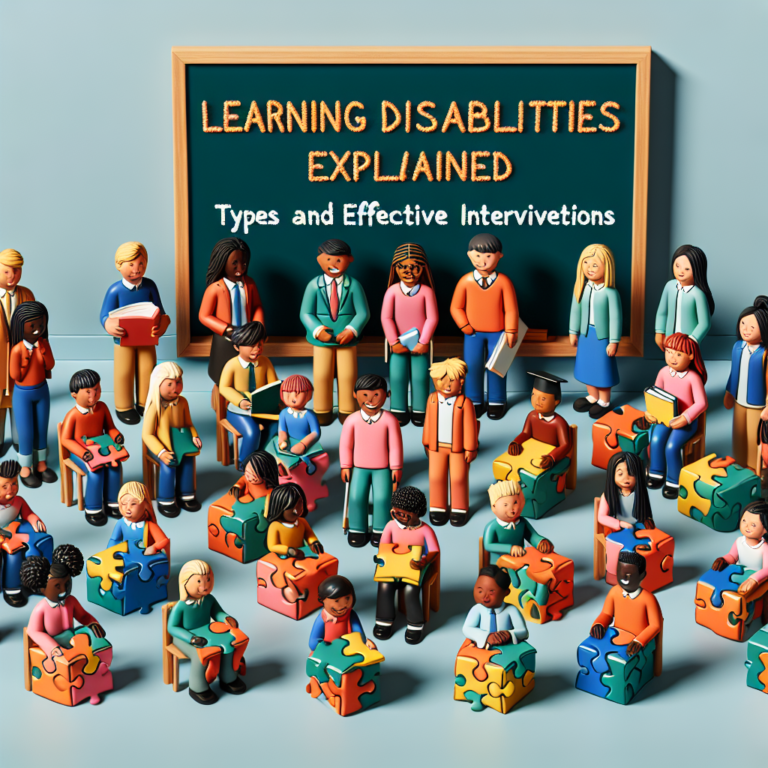
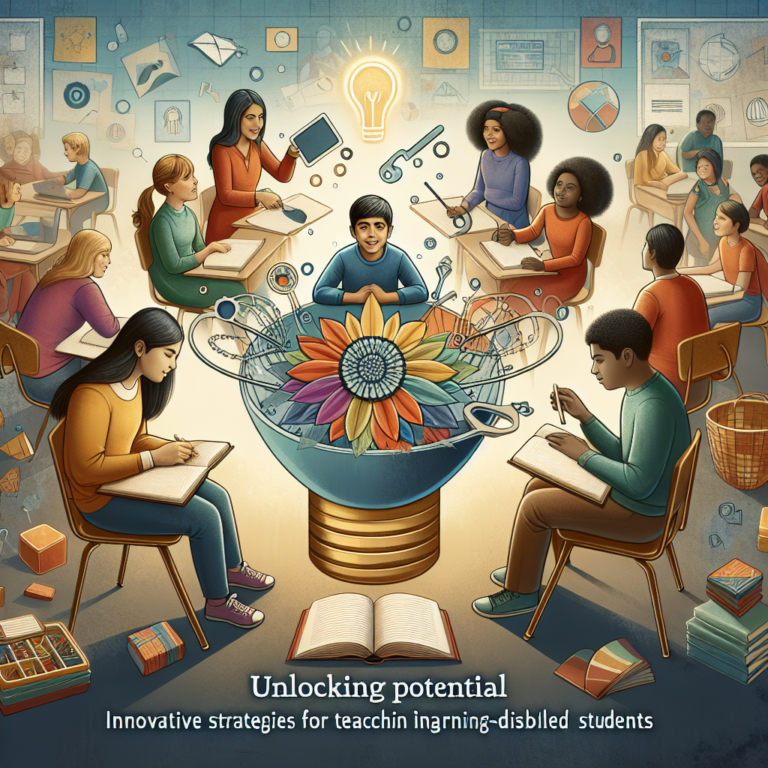
Inclusivity in education refers to creating an environment where all students feel valued, respected, and empowered to learn. It means recognizing and celebrating differences in ability, ethnicity, gender, and learning styles. This section will delve deeper into the components of inclusivity and why it matters.
The Importance of Inclusivity
Research indicates that inclusive classrooms foster a sense of belonging and community, which enhances student engagement and academic performance. Moreover, fostering an inclusive environment prepares students for a globalized world, equipping them with empathy and understanding.
Case Study: The Benefits of Inclusive Practices
At Glen Oak High School, an inclusive program was initiated that integrated students with disabilities into mainstream classrooms. The result? Improved academic performance among all students and heightened social awareness. The school reported a 25% increase in overall engagement as a result of adopting inclusive practices. This case illustrates the tangible benefits of moving "From Awareness to Action: Implementing Inclusive Practices in Your Classroom."
Steps to Foster Inclusivity in Your Classroom
1. Reflect on Your Own Biases
Before enacting inclusive practices, self-awareness is key. Educators must reflect on their own biases and assumptions. Tools like implicit bias tests and reflective journaling can help identify areas needing growth.
Tips for Reflection:
- Use guided questions to prompt self-exploration.
- Discuss with colleagues to gain different perspectives.
2. Understand Your Students’ Needs
Conducting surveys or assessments can provide insight into your students’ diverse needs. This can include academic abilities, social-emotional factors, and cultural backgrounds.
| Strategy | Description | Benefits |
|---|---|---|
| Surveys | Collect data on student backgrounds | Better understanding of diversity |
| One-on-One Meetings | Personal interaction with students | Builds trust and rapport |
| Classroom Observations | Observe interactions among students | Identify social dynamics |
3. Create an Inclusive Curriculum
Adjust your curriculum to reflect diverse perspectives. This means not only integrating texts from a variety of authors but also including materials that resonate with different cultures and experiences.
Case Study: A Multicultural Approach at Maple Grove Elementary
Maple Grove Elementary revamped its English curriculum to include authors from underrepresented communities. After this change, students reported a renewed interest in reading and writing, highlighting the connection they felt to the material. This shift demonstrates the impact of inclusivity on student motivation and engagement.
4. Alter Your Teaching Methods
Adapting your teaching methods to accommodate different learning styles is vital. Strategies may include differentiated instruction, co-operative learning, and project-based learning.
Different Teaching Approaches for Inclusivity:
- Visual Aids: Help visual learners thrive by utilizing diagrams, photos, and videos.
- Group Work: Encourage collaboration and peer learning through diverse group setups.
- Scaffold Instruction: Gradually increase learning complexity, meeting each student’s needs.
5. Build an Inclusive Physical Environment
Your classroom layout can either hinder or promote inclusion. Creating spaces that allow for movement, collaboration, and quiet reflection caters to diverse learning preferences.
Design Strategies:
- Flexible seating arrangements can help students choose what works best for them.
- Designated quiet areas provide spaces for students needing less stimulation.
6. Foster a Culture of Empathy and Respect
Encouraging empathy within your classroom is foundational. Activities that focus on social-emotional learning foster an environment of respect. Introducing peer mentorship programs or kindness initiatives can further solidify this culture.
Analysis of Empathy Programs
A study conducted at Lincoln Middle School showed that integrating social-emotional learning improved student relationships, leading to a 20% decrease in behavioral issues.
Challenges in Implementation and Ways to Overcome Them
Addressing Resistance
Resistance can arise from both staff and students. It’s crucial to communicate the benefits of inclusivity clearly.
Strategies to Overcome Resistance:
- Engage stakeholders in discussions about benefits.
- Provide training sessions to improve knowledge about inclusive practices.
Resource Limitations
Lack of resources can hinder inclusive practices. However, creative solutions, like community partnerships and grants, can provide the necessary support.
Legal and Policy Considerations
Understand the laws surrounding inclusiveness—such as IDEA, ADA, and Title IX—and ensure your practices align with these requirements.
Evaluating Your Inclusive Practices
Regular assessment of your inclusivity practices is essential. Collect feedback from students and parents to gauge effectiveness.
Reflection and Adjustment
- Hosting quarterly review sessions can help refine strategies and identify new areas of focus.
Tools for Evaluation:
- Surveys on student perceptions of inclusivity.
- Academic performance metrics to analyze the impact of inclusive practices.
Conclusion
Moving "From Awareness to Action: Implementing Inclusive Practices in Your Classroom" is not merely a goal; it is a continuous journey. Educators have the power to shape students’ experiences profoundly, leading to a more inclusive world. By reflecting on biases, adapting curricula, and fostering an empathetic culture, we can reach every student and elevate the standard of education.
Actionable Takeaway
Start by implementing just one new inclusive strategy this month—whether it’s integrating more diverse texts into your curriculum or rearranging your classroom for better accessibility. Small steps can lead toward substantial change!
FAQs
1. What are inclusive teaching practices?
Inclusive teaching practices aim to recognize and address the diverse needs of all students, ensuring an equitable learning environment.
2. How can I assess my students’ needs effectively?
Utilize surveys, one-on-one meetings, and classroom observations to gather insights on students’ backgrounds and learning preferences.
3. How do I deal with resistance from colleagues?
Facilitate open discussions highlighting the benefits of inclusivity and provide training to enhance understanding among staff.
4. What resources are available for implementing inclusive practices?
Look into community partnerships, educational grants, online courses, and workshops focusing on diversity and inclusion.
5. Why is it essential to evaluate inclusive practices regularly?
Regular evaluation helps identify the effectiveness of strategies and areas for improvement, ensuring ongoing growth in inclusivity.
6. How can I create a supportive classroom environment?
Foster a culture of empathy through social-emotional learning activities and encourage collaboration among students to build mutual respect.
By embracing the principles outlined in "From Awareness to Action: Implementing Inclusive Practices in Your Classroom," you have the potential to create transformative educational experiences for all students.
About the Author