


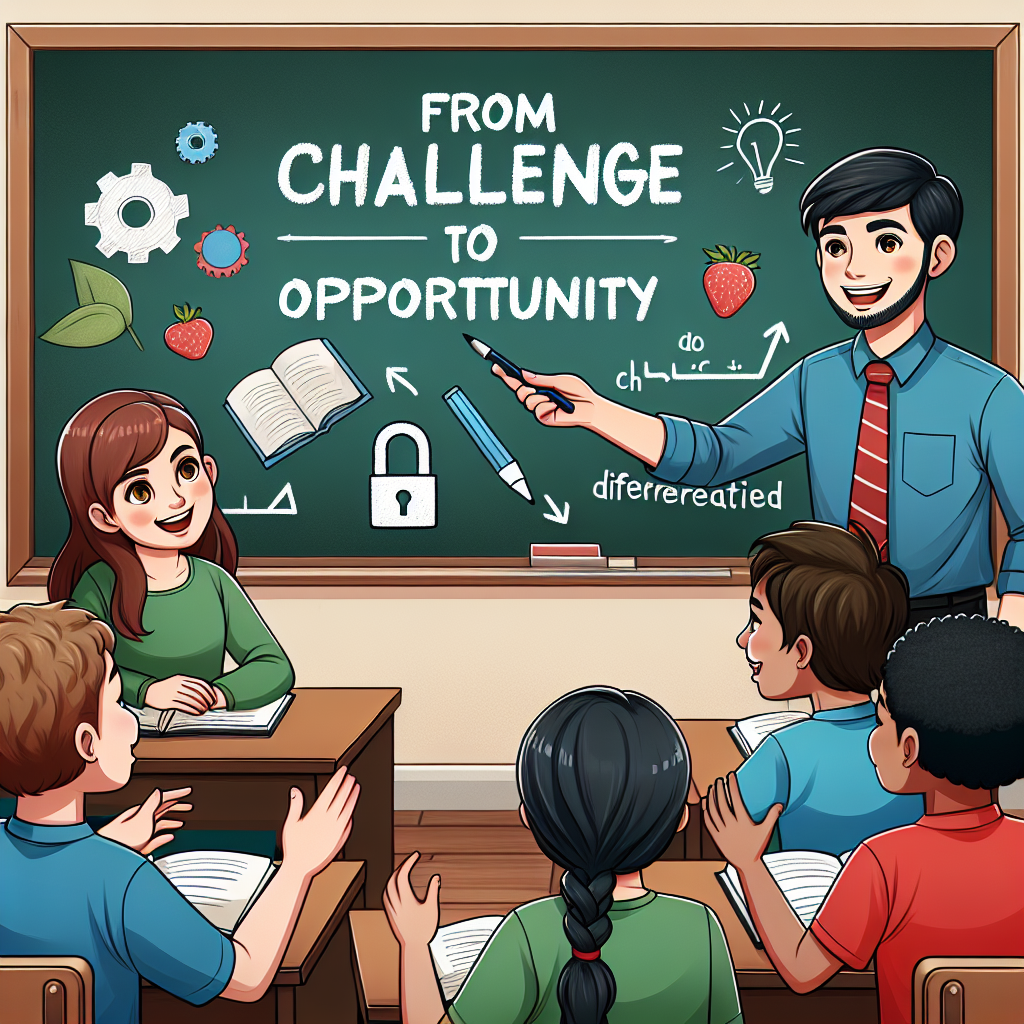
From Challenge to Opportunity: Adapting Classroom Activities for Students with Learning Disabilities
Introduction
Imagine stepping into a classroom filled with bright-eyed students, eager to learn but facing unique challenges that make traditional teaching methods fall short. The journey from challenge to opportunity isn’t just an educational phrase; it’s a transformative philosophy that can unlock the potential of students with learning disabilities.
In today’s diverse educational landscape, more students than ever are learning in classrooms where tailored activities are not just a luxury, but a necessity. By adapting classroom activities for these students, educators have the opportunity to create engaging, effective learning experiences that not only accommodate challenges but celebrate diversity in learning.
This article aims to provide unique insights into how we can adapt classroom activities for students with learning disabilities. You’ll learn about relevant strategies, real-world case studies, and effective practices to ensure all students thrive in an inclusive environment.
Understanding Learning Disabilities
Defining Learning Disabilities
Learning disabilities (LD) encompass various disorders that affect how individuals process, absorb, or apply information. According to the National Center for Learning Disabilities, these challenges can manifest in several areas such as reading (dyslexia), writing (dysgraphia), and math (dyscalculia). These issues can create obstacles that may hinder academic success, leading to frustration for both students and educators.
The Importance of Adaptation
Adapting classroom activities is essential for maximizing learning potential among students with learning disabilities. It’s not just about making lessons easier; it’s about creating a toolbox of strategies that facilitate understanding and engagement. When we move from identifying challenges to seizing opportunities, we help students uncover their strengths and build confidence.
Strategies for Adapting Classroom Activities
1. Universal Design for Learning (UDL)
What is UDL?
Universal Design for Learning is a framework aimed at optimizing teaching by providing multiple means of engagement, representation, and action. UDL principles focus on making learning accessible to all students.
Application of UDL
At Sunshine Elementary, teachers implemented UDL principles by providing audio versions of textbooks, using visual aids, and engaging students through interactive activities. The outcomes were astonishing—students who previously struggled began to show marked improvement in their engagement and comprehension.
| UDL Principle | Traditional Approach | Adapted Approach |
|---|---|---|
| Engagement | Lecture-based | Group activities, games |
| Representation | Text-only materials | Multi-modal resources (audio, video) |
| Action & Expression | Standardized tests | Creative projects, presentations |
2. Differentiated Instruction
Defining Differentiation
Differentiated instruction means adjusting the content, process, or product of learning based on students’ needs. This approach emphasizes varying learning experiences to meet diverse learner profiles.
Case Study: Henderson Middle School
At Henderson Middle School, teachers created tiered assignments that allowed students to demonstrate understanding at varying levels of complexity. This approach led to increased test scores and heightened participation rates among students with learning disabilities.
3. Collaborative Learning
Why Collaboration Matters
In collaborative learning environments, students work together, leveraging each other’s strengths. This not only enhances social skills but also fosters an inclusive atmosphere.
Real-World Example
At Riverbank High School, a teacher initiated a peer tutoring program where students with learning disabilities collaborated with their peers on projects. This experience increased mutual respect and allowed students to learn from one another, facilitating a supportive learning environment.
4. Multi-Sensory Teaching
Engaging Multiple Senses
Multi-sensory teaching engages students through various senses—sight, sound, touch, and even movement. For students with learning disabilities, this approach can make abstract concepts tangible.
Case Study: Oakwood Academy
At Oakwood Academy, instructors found success by integrating activities like hands-on experiments and role-playing into their lessons. Students reported feeling more connected to the material; comprehension significantly improved.
5. Technology Integration
Leveraging Tech Tools
Technology offers numerous resources ranging from apps that assist with reading to software that helps organize thoughts. These tools can empower students with learning disabilities to take control of their learning.
Example of Effective Use
At Bright Star High, teachers introduced text-to-speech software that transformed reading assignments for students with dyslexia. Feedback indicated that students felt less overwhelmed and more capable of completing assignments independently.
Case Studies Illustrated: Adapting Classroom Activities
The Reading Corner at Meadowview Elementary
Overview
The reading corner of Meadowview Elementary transformed into an interactive space filled with colorful posters, auditory aids, and comfortable seating options, enabling students with dyslexia to thrive through engaging reading sessions.
Analysis
By adapting the reading corner, teachers harnessed the power of multi-sensory learning and provided an inviting atmosphere that encouraged students to embrace reading rather than shy away from it.
Hands-On Science Projects at Westfield High
Scenario
Westfield High implemented hands-on science projects in their curriculum. Students were tasked with creating a model of the solar system, using various materials to illustrate their understanding.
Analysis
This approach not only catered to different learning styles but also encouraged students with learning disabilities to express their knowledge creatively, thus building confidence in their abilities.
Challenges and Solutions: Moving from Challenge to Opportunity
Addressing Teacher Concerns
Concern: Lack of Resources
Many educators worry about the lack of tools to effectively adapt activities.
Solution: Seek grants, collaborate with special education staff, and utilize free online resources designed for teachers working with students with learning disabilities.
Supporting Students’ Emotional Needs
Concern: Emotional Struggles
Students with learning disabilities often face emotional hurdles alongside academic challenges.
Solution: Implementing Social-Emotional Learning (SEL) can equip students with the skills necessary to manage feelings and build resilience in the face of adversity.
Managing Classroom Dynamics
Concern: Weighing Attention Between Students
Educators may feel burdened by the necessity to give individualized attention to students with learning disabilities while maintaining classroom flow.
Solution: Utilize group settings that distribute workload and encourage peer support.
Conclusion: Inspiring Action from Understanding
As we transition from barriers to breakthroughs, it becomes clear that adapting classroom activities for students with learning disabilities is no longer a choice but a responsibility. By utilizing frameworks like UDL and differentiated instruction, educators can create dynamic learning environments that cultivate inclusivity and respect for individual differences.
The journey to fostering an environment where every child can thrive is filled with challenges—but by embracing these challenges as opportunities, we can truly make a difference in the lives of our students.
Take action today: explore new strategies, don’t hesitate to seek help, and remember that every small step forward enhances the learning experience for our students.
FAQs
1. What are some common learning disabilities?
Common learning disabilities include dyslexia, dyscalculia, and dysgraphia, which affect reading, math, and writing skills, respectively.
2. How can I identify if a student has a learning disability?
Look for signs such as difficulty with reading comprehension, trouble following directions, or inconsistent academic performance. Consultation with specialists can lead to a formal diagnosis.
3. Is it possible for students with learning disabilities to succeed in regular classrooms?
Absolutely! With the right accommodations and teaching strategies, students with learning disabilities can thrive in regular classroom settings.
4. What role do parents play in supporting students with learning disabilities?
Parents can advocate for their children, stay informed about educational strategies, and collaborate with teachers to ensure their child’s needs are met.
5. How can I introduce multi-sensory approaches in my classroom?
Start by implementing simple activities such as interactive reading sessions, using visual aids, or incorporating movement into lessons to engage various senses.
6. Where can teachers find resources for adapting instruction?
Teachers can explore online platforms, educational websites, and local educational organizations that specialize in resources for students with learning disabilities.
By diving into these strategies, case studies, and answers, you’ve taken the first step in the journey from challenge to opportunity. Adapt your methods, inspire your students, and build a brighter, more inclusive future for all learners.

