


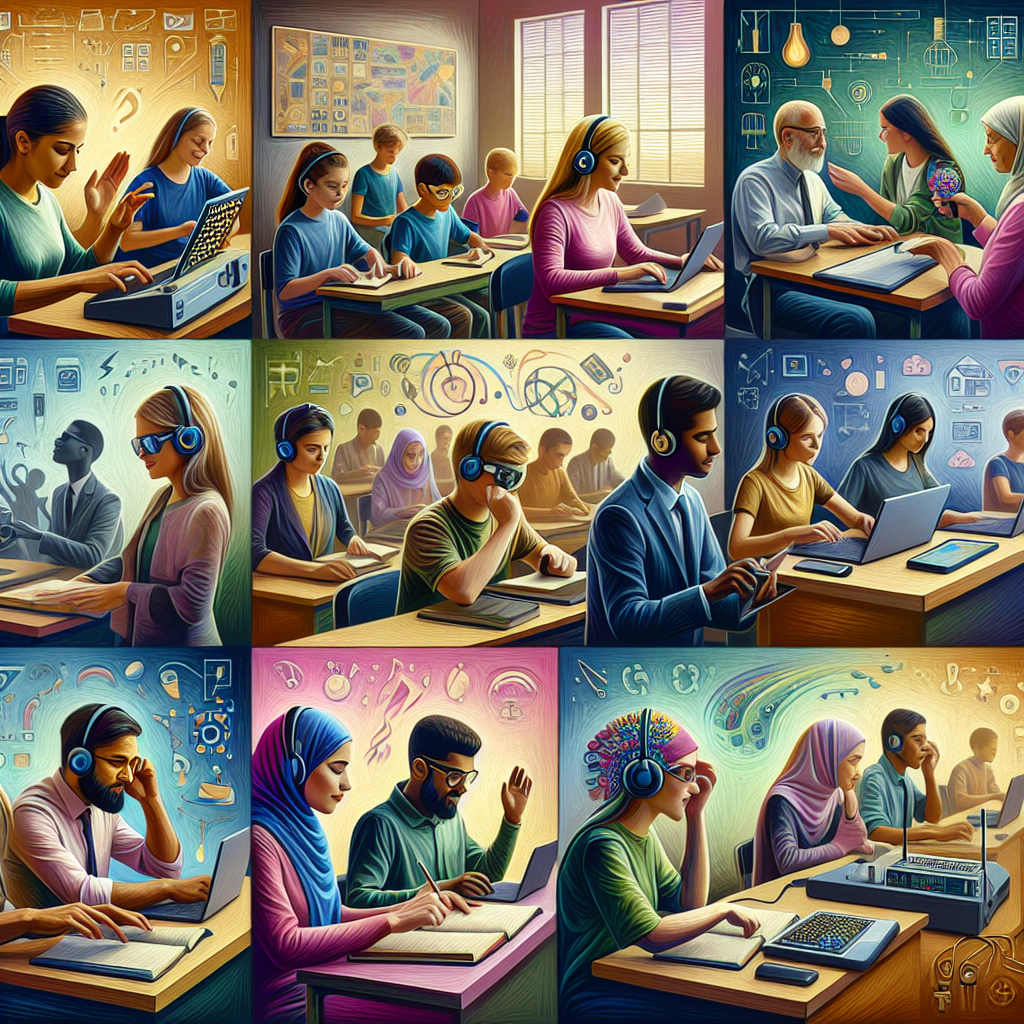
From Challenges to Solutions: The Essential Impact of Assistive Technology in the Classroom
Introduction
Imagine a classroom where every student, regardless of their abilities, feels empowered to learn and participate fully. In this increasingly diverse educational landscape, the phrase "From Challenges to Solutions: The Impact of Assistive Technology in the Classroom" resonates deeply. The integration of assistive technology (AT) is not merely a trend; it represents a fundamental shift in educational practice, allowing educators to address challenges head-on and foster an inclusive environment.
In this article, we will dive into the world of assistive technology, explore its transformative effects, and discuss practical solutions that drive success for all learners. Let’s embark on this journey from challenges to solutions, uncovering how AT can enhance learning experiences in classrooms across the globe.
Understanding Assistive Technology
What is Assistive Technology?
Assistive technology encompasses a wide range of devices, software, and services designed to help individuals with disabilities gain independence and improve their functional capabilities. In the classroom, these tools serve as critical resources for students facing challenges in learning due to physical, sensory, or cognitive disabilities.
The Landscape of Challenges in Education
Before we discuss the positive impact of AT, it’s essential to understand the challenges educators and students face:
-
Diverse Learning Needs: Classrooms are no longer one-size-fits-all. Each student has unique capabilities, and their learning styles vary significantly.
-
Engagement and Participation: Students with disabilities may feel excluded or disengaged from traditional teaching methods.
- Resource Limitations: Many schools face budget constraints that hinder the acquisition of necessary technologies.
Table 1: Common Challenges Faced by Students with Disabilities
| Challenge | Description |
|---|---|
| Learning Disabilities | Difficulties in processing information. |
| Physical Disabilities | Limitations in movement or dexterity. |
| Sensory Impairments | Challenges related to vision or hearing. |
| Cognitive Disorders | Varied challenges in understanding or reasoning. |
| Social-Emotional Issues | Difficulties in interaction and emotional regulation. |
From Challenges to Solutions: The Role of Assistive Technology
Case Study 1: The Impact of Text-to-Speech Software
In a middle school classroom in California, a group of students struggled with reading comprehension due to dyslexia. The teacher introduced text-to-speech software, allowing students to listen to written content while following along with the text.
Analysis:
This technology not only improved their reading skills but also increased their confidence in participating in discussions. By transforming the challenge of reading into a more manageable task, text-to-speech software showcased how technological solutions can bridge learning gaps.
The Benefits of Specific Assistive Technologies
1. Speech Recognition Software
Speech recognition software allows students to dictate their thoughts instead of writing them down. This technology helps those with physical challenges or writing difficulties express their ideas freely.
- Real-World Application: A senior high school student, previously unable to write essays due to severe carpal tunnel syndrome, used speech recognition software to complete his assignments successfully. His grades improved significantly, demonstrating a shift from struggle to achievement.
2. Electronic Math Worksheets
For students with dyscalculia, electronic math worksheets can simplify complex problem-solving tasks. These digital tools can provide step-by-step instructions and adaptive math problems tailored to each student’s level.
- Case Study Insight: In a New York school, students using electronic math worksheets showed marked improvement in math understanding, transitioning many from low-performing to proficient status in a single semester.
3. Visual Supports and Graphic Organizers
Visual supports, including graphic organizers, enhance learning by allowing students to visualize relationships between concepts. This tool can be especially beneficial for students with autism spectrum disorders.
- Classroom Implementation: A teacher in Texas used graphic organizers to help her students outline their thoughts before writing. This approach improved the writing skills of her students significantly, enabling them to construct their essays more coherently.
Challenges to Implementation
The Resource Barrier
Not all schools have access to sufficient funding for assistive technologies. Budget constraints can hinder the adoption of AT tools, leaving some students without essential resources.
Training Educators
Educators must be equipped not only with the tools but also with the training to utilize them effectively. Professional development opportunities focusing on assistive technology will significantly enhance classroom experiences.
Innovating Solutions with Assistive Technology
Integrating Technology in Teacher Training
Educators are at the forefront of implementing assistive technology. Therefore, incorporating AT training into teacher education programs is crucial. Workshops, seminars, and hands-on experience can prepare teachers to use technology effectively.
Collaborating with Specialists
Collaboration with special education professionals can provide insight into best practices for integrating assistive technology in the classroom. By sharing expertise, teachers can better address the diverse needs of their students.
The Future of Assistive Technology in Education
Embracing Flexible Learning Environments
The future of education lies in flexibility. With the rapid advancement of technology, classrooms must adapt. Incorporating a range of tools and strategies will create an inclusive atmosphere conducive to various learning styles.
Encouraging Peer Support and Mentorship
Encouraging students to support one another can drastically enhance the learning experience. Peer mentoring programs that pair students with disabilities with their peers can foster positive relationships and promote social skills.
Conclusion
The journey from challenges to solutions through assistive technology is just beginning. As we continue to explore the depths of AT’s potential, it becomes clear that the impact on classrooms—and therefore students—can be profound. Educators must lean into the challenges, using them as springboards for implementing innovative solutions.
By adopting assistive technology, teachers are not just changing the course of education; they are transforming lives, creating environments where all students can thrive.
Call to Action
Let’s advocate for the integration of assistive technology in our classrooms! Whether you’re an educator, a parent, or a policymaker, your role is crucial in ensuring that every learner’s needs are met.
FAQs about Assistive Technology in the Classroom
1. What is the primary purpose of assistive technology in education?
Assistive technology aims to support students with disabilities by providing tools that enhance learning and communication, helping them achieve their educational goals.
2. How can I find funding for assistive technology in my school?
Many federal, state, and local grants are available specifically for the purchase of assistive technology. Additionally, nonprofit organizations may provide funding opportunities.
3. Can assistive technology be used for students without disabilities?
Absolutely! Many assistive technologies, such as text-to-speech tools, can benefit all students by improving accessibility and understanding.
4. What role do parents play in advocating for assistive technology?
Parents can advocate for their children’s needs by collaborating with educators, attending IEP meetings, and researching available assistive technologies that may enhance their child’s learning experience.
5. How can schools ensure that staff are trained in using assistive technology?
Schools can invest in professional development workshops focused on assistive technology, where teachers can receive hands-on training on how to implement these tools effectively.
6. What are some common misconceptions about assistive technology?
A common misconception is that assistive technology is only for students with severe disabilities. In reality, AT can benefit a wide variety of learners, providing support across many abilities and learning styles.
This exploration of “From Challenges to Solutions: The Impact of Assistive Technology in the Classroom” accurately emphasizes the potential of AT to revolutionize learning. By understanding its benefits and addressing common challenges, we can create classrooms where every student is empowered to succeed.

