


Introduction
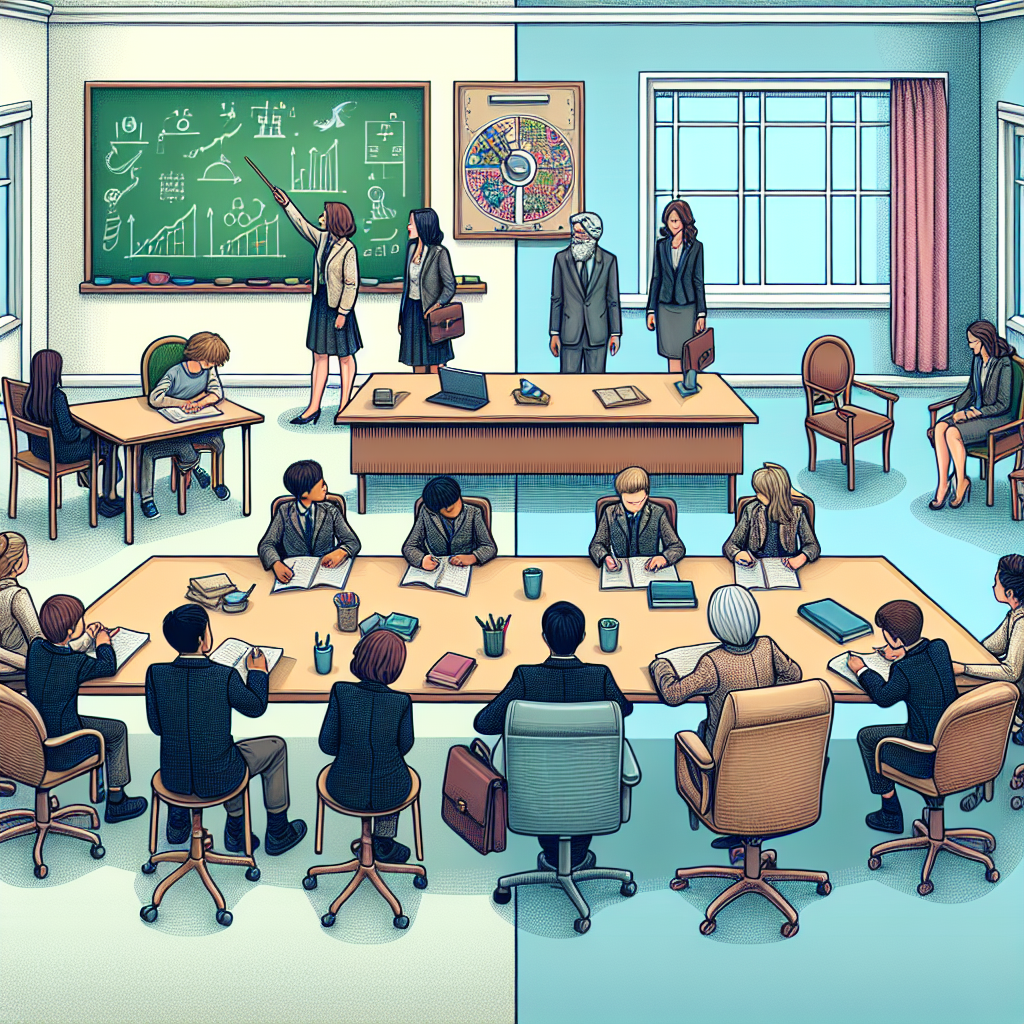
Imagine a graduate, fresh out of university, who was once revered in the classroom for their insight and prowess. Fast forward a few months; they’re seated in a boardroom, suddenly overshadowed by more seasoned executives. This transition—From Classroom to Boardroom: Power Dynamics Across Different Environments—aptly encapsulates the dramatic shifts in power and influence that individuals experience as they step into the professional world. Understanding these dynamics is crucial, not just for navigating them successfully, but for thriving in traditionally hierarchical settings.
The power structure in educational contexts often contrasts sharply with that in corporate environments, leading to unique challenges and opportunities. By exploring these environments, we can glean insights into how authority is formed, challenged, and transformed. This article aims to illuminate these transformative dynamics and equip readers with actionable insights.
The Classroom: A Foundation of Empowerment
The Dynamics of Learning
In educational settings, power is often distributed in a pyramid shape, with teachers at the top and students at the bottom. However, true learning is collaborative. Effective educators empower students to contribute ideas, fostering a sense of ownership and confidence. This empowerment cultivates an environment rich in engagement and innovation.
Case Study: The Flipped Classroom Model
- Overview: In the flipped classroom model, students review lecture material at home and engage in discussions during class.
- Relevance: This approach shifts some power from the teacher to the students, requiring them to take initiative in their learning process. It illustrates how educational environments can enhance student agency, preparing them for more active roles in their careers.
| Classroom Power Dynamics | Characteristics |
|---|---|
| Teacher-Centered | Knowledge is delivered; hierarchy is maintained. |
| Student-Centered | Collaborative learning; students encourage peers. |
The Role of Feedback
Another driving force in the classroom is feedback. Teachers provide guidance that shapes a student’s knowledge and skills, whereas peers offer a different perspective. This collaborative feedback loop is crucial, developing confidence and competence in learners that they will carry into their professional lives.
Emotional Intelligence in Education
Emotional intelligence plays a pivotal role in educational dynamics. Students learn to navigate interpersonal relationships, working collaboratively while also contending with competition. This emotional capacity often becomes a fundamental asset in professional settings.
Transitioning: Leaving the Classroom Behind
As students transition to the workforce, they encounter a shift in power dynamics. The hierarchical structure that characterized their educational experience is often more pronounced in corporate settings.
The Realization of Authority
Corporations possess a formalized hierarchy that can create a stark contrast with the collaborative innovation often encouraged in classrooms. Understanding this environment’s subtleties becomes essential for new graduates.
Case Study: The CEO Playbook
- Overview: New CEOs often come from diverse backgrounds and classrooms, bringing varied strategies.
- Relevance: A study of new CEOs reveals a common struggle transitioning from being highly knowledgeable to navigating a more complex game of office politics where expertise might not always correlate with power.
Challenges Faced by New Graduates
First-time employees often face impostor syndrome upon entering the corporate sphere. They may struggle with preconceived notions about hierarchy, fearing their input is less valuable than that of senior staff. Recognizing these hurdles is the first step toward overcoming them.
The Boardroom: Navigating Power Dynamics
Understanding Corporate Hierarchies
The boardroom embodies some of the most formidable power structures. Understanding these dynamics is crucial for new graduates seeking to advance their careers. Power here is influenced by authority, experience, and often unwritten social rules.
The Role of Leadership Styles
Different leadership styles impact power dynamics. For instance, a transformational leader encourages input from all levels, while a transactional leader might reward compliance. This variance affects how power is perceived and exercised.
Example: Transformational vs. Transactional Leadership
- Transformational Leadership: Encourages innovation and values input from all employees.
- Transactional Leadership: Focuses on reward systems to maintain power and productivity.
Building Influence
As individuals adapt to their new roles, building influence becomes vital. This can manifest through relationships, expertise, and interpersonal skills, reminiscent of how students should navigate social dynamics in the classroom.
| Power Influence Strategies | Importance |
|---|---|
| Networking | Essential for establishing connections and gaining insights. |
| Mentorship | Provides guidance and accelerates professional growth. |
| Demonstrating Expertise | Establishes credibility and fosters respect. |
Cultivating Emotional Intelligence in the Boardroom
The Change in Interpersonal Relationships
With a foundational understanding of emotional intelligence gained in classrooms, individuals entering boardrooms must recalibrate their skills to match professional expectations. High emotional intelligence enables individuals to navigate complex social networks more effectively, smoothing the transition from Classroom to Boardroom: Power Dynamics Across Different Environments.
Conflict Resolution
Power dynamics often lead to conflicts in the boardroom. Those who learned to manage disagreements effectively in educational settings find themselves better equipped to handle tensions professionally.
Case Study: A Corporate Conflict Resolution Initiative
- Overview: A tech firm introduced a conflict resolution program derived from principles taught in universities.
- Relevance: The initiative led to a significant decrease in team-related conflicts and showcased how learned skills from the classroom could be invaluable in the corporate sphere.
The Importance of Adaptive Leadership
Flexibility in Leadership Approach
In the boardroom, the ability to adopt various leadership styles in response to shifting dynamics can prove immensely valuable. Leaders who can flexibly adjust their approaches will find greater success in engaging their teams.
Example: Adaptive Leadership
- Case Overview: Leaders who adapt their styles based on team composition and specific challenges often see improved results.
- Importance: This adaptability mirrors the collaborative spirit fostered in classrooms, enhancing team cohesion and effectiveness.
Navigating Change and Uncertainty
The corporate landscape can change rapidly. Being able to pivot and adapt while maintaining influence is crucial. Drawing on classroom experiences where adaptability is often key can provide a competitive edge.
Conclusion: Bridging the Gap
From Classroom to Boardroom: Power Dynamics Across Different Environments represents a critical journey for many. Recognizing and understanding these dynamics can empower individuals to become effective leaders and innovators in their fields. As they transition from academic environments to professional ones, leveraging the skills learned in school—like collaboration, feedback reception, and emotional intelligence—will be fundamental.
The key takeaway is clear: The journey from classroom to boardroom is not just about moving up the corporate ladder but about understanding and navigating the intricate dynamics that come with every new role. Embrace the lessons learned and continue to adapt to thrive in any setting.
FAQs
1. How can I effectively transition from classroom to boardroom?
Focus on soft skills like communication and emotional intelligence, and seek mentorship and networking opportunities within your field to build connections.
2. What is the role of emotional intelligence in corporate environments?
Emotional intelligence enables individuals to navigate workplace relationships, manage conflicts, and foster a positive and productive work environment.
3. How can I build influence in the boardroom?
Actively demonstrate your expertise, seek mentorship, establish networks, and contribute constructively to discussions.
4. What challenges might I face when starting my first corporate job?
You may experience impostor syndrome, encounter difficulties in navigating office politics, and feel overwhelmed by hierarchical structures.
5. How do leadership styles affect power dynamics?
Different leadership styles can significantly impact how power is perceived and exercised in an organization. Understanding these subtle differences can help you navigate your role more effectively.
From Classroom to Boardroom: Power Dynamics Across Different Environments is a journey of understanding, adapting, and ultimately thriving in multiple realms. Take these insights with you as you embark on your professional journey and beyond.


The PsyForU Editorial Collective is the research and editorial team of PsyForU Research International. The collective prepares educational, psychological, mental-health-awareness, inclusion, neurodiversity, and research-methodology content for students, parents, educators, researchers, and general readers. PsyForU content is intended for awareness, education, and capacity-building and should not be treated as clinical diagnosis, therapy, medical advice, legal advice, or emergency mental-health support.