Introduction
In our intricately woven social fabric, identities are not just labels; they’re powerful forces that shape our perceptions, interactions, and loyalties. The transition from mere labels to deep-rooted loyalties signifies a pivotal journey in understanding human behavior. In this in-depth exploration titled "From Labels to Loyalties: The Formation and Impacts of Social Identity," we will delve into what social identity means, how it develops, and its profound implications in our personal and collective lives.
Imagine walking into a crowded room and immediately being drawn to individuals who share common traits, opinions, or experiences with you. These connections often stem from social identities—elements that define us within a larger group. But what truly drives these connections? What impacts do they have on our actions and relationships? This article aims to answer these fundamental questions by offering unique insights and engaging narratives.
Understanding Social Identity
What Is Social Identity?
Social identity refers to the ways in which individuals define themselves in relation to groups they are part of. This can include race, ethnicity, nationality, gender, religion, and other demographic markers. Our social identity influences how we perceive ourselves and how we are perceived by others.
Theories Behind Social Identity
The groundwork for our understanding of social identity largely stems from the Social Identity Theory (SIT) developed by Henri Tajfel. According to Tajfel, individuals categorize themselves and others into various social groups to boost self-esteem and foster a sense of belonging. This theory posits that:
- Social Categorization: We classify ourselves into groups.
- Social Comparison: We compare our groups to others to maintain a positive self-image.
- Identity Enhancement: We derive self-esteem from belonging to positive social groups.
From Labels to Loyalties: The Evolution of Identity
The Role of Labels in Identity Formation
Labels act as the initial stepping stones toward building a social identity. They create a framework through which individuals understand societal structures. However, labels can be both empowering and limiting.
Case Study: Reclaiming a Label
Consider the LGBTQ+ community’s reclamation of the term "queer." Initially a derogatory label, it has been transformed into a source of pride and unity, demonstrating how labels can evolve into badges of loyalty and belonging.
Dynamics of Loyalty in Social Groups
As social identities deepen, they cultivate loyalties that manifest in various forms—familial ties, community support, or ideological beliefs. These loyalties can lead to mobilization for social causes or even conflict.
Analysis of Loyalty Dynamics
In-group Favoritism: Those within a group often prioritize the well-being of their own above others. For example, during crises, community members rally together, showcasing the power of loyalty born from shared identity.
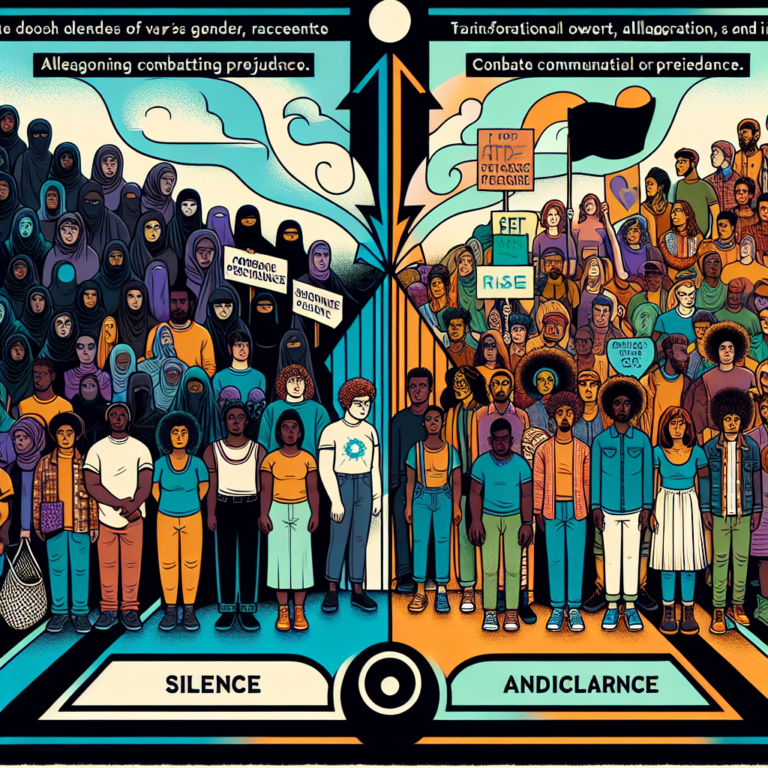
- Out-group Discrimination: Loyalty can also manifest negatively, fostering an "us vs. them" mentality. This dynamic can exacerbate divisions and prejudices between differing social identities.
Chart: Dynamics of Loyalty in Social Groups
| Loyalty Aspect | Description | Examples |
|---|---|---|
| In-group Favoritism | Preference for one’s own group | Community support during crises |
| Out-group Discrimination | Negative treatment of outsiders | Classism, racism, sexism |
The Positive Impacts of Social Identity
Building Community and Belonging
One of the most significant impacts of social identity is the sense of community it fosters. This is crucial in forming networks of support, love, and shared experiences.
Real-World Application: Social Movements
The Civil Rights Movement in the U.S. serves as an iconic case study. Activists banding together over shared racial and social identities brought about monumental changes. The cohesion offered by their collective identity not only galvanized the movement but also paved the way for ongoing discussions about social justice.
Enhancing Self-Esteem and Well-being
Individuals who identify strongly with a supportive group often experience boosts in self-esteem and overall well-being. Strong affiliations can offer emotional support during difficult times and foster resilience.
Analyzing Well-being Associations
The relationship between social identity and mental health is profound. For example, research indicates that individuals who identify strongly with their cultural or ethnic identity report higher levels of life satisfaction.
Fostering Innovation and Creativity
Contrary to traditional beliefs that group conformity stifles creativity, diverse social identities can catalyze collaboration and innovative thinking. By merging various perspectives and experiences, groups can engage in creative problem-solving.
Example: Diverse Work Teams
Companies like Google have shown that diverse teams outperform homogeneous ones. Different social identities contribute to unique viewpoints, which enhance creativity and drive innovation.
The Negative Impacts of Social Identity
Exclusivity and Division
While social identity can foster connection, it can also breed exclusivity. Groups often develop boundaries that can lead to isolation and alienation of individuals who don’t fit the mold.
Case Study: The Echo Chamber Effect
In online forums, individuals often seek connections with those who share similar perspectives. This can create echo chambers, reinforcing biases and limiting exposure to diverse viewpoints.
Conflict and Hostility
Social identities can become battlegrounds for conflict. Tribalism born from strong loyalties can incite violence, prejudice, and discrimination against out-groups.
Real-Time Example: Political Polarization
In contemporary society, political affiliation has become a significant social identity marker. The increasing polarization between political groups often leads to hostility, reducing potential for cooperative dialogue.
Psychological Effects of Identity Conflict
When individuals feel their social identities are under threat, the psychological ramifications can be severe. Identity foreclosure, stigmatization, and even burnout can occur when people struggle to reconcile their various identities.
Bridging the Divide: Creating Inclusive Communities
Strategies for Fostering Inclusivity
Encouraging Dialogue: Open communication can break down barriers and foster understanding among niche social identities.
Education and Awareness: Understanding diverse histories and experiences can cultivate empathy and mitigate ignorance and fear.
- Promoting Intersectionality: Recognizing that individuals embody multiple identities can help unify groups around common causes while honoring differences.
Advancing Social Identity Theories
Refining our understanding of social identity to include intersectional frameworks can advance social cohesion.
Chart: Intersectionality in Social Identity
| Identity Aspect | Description | Potential Conflicts | Opportunities |
|---|---|---|---|
| Gender | How individuals identify in terms of gender | Gender discrimination | Empowerment through advocacy |
| Race | Ethnic background and experiences | Racial prejudice | Unity in diversity |
| Class | Economic status and related experiences | Classism | Building support systems |
Conclusion
The journey from labels to loyalties is not merely a transition; it encapsulates the complexities of human interactions and connections. Understanding social identity’s formation and impacts allows us to navigate our social landscapes more effectively.
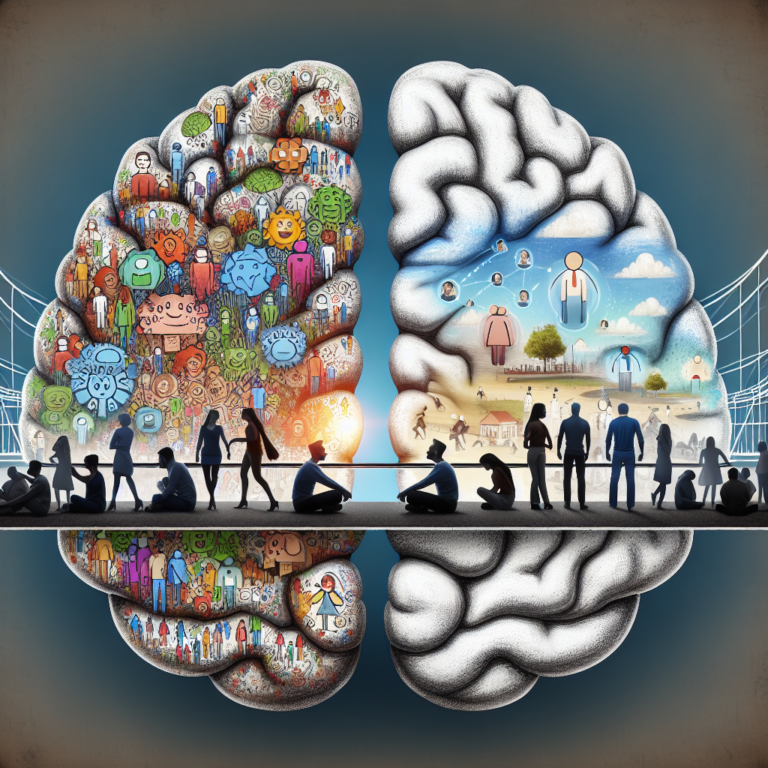
As we reflect on these insights, consider how you can foster a more inclusive environment. Challenge the labels that divide us, celebrate the identities that unite us, and cultivate loyalties that build bridges instead of walls. Together, we can transform our social networks into communities of understanding, respect, and genuine connection.
FAQs
1. What are the different types of social identities?
Social identities can encompass various aspects, including race, ethnicity, nationality, gender, religion, profession, and political affiliation.
2. How does social identity affect personal relationships?
Social identity can significantly impact relationships by shaping affinities, loyalties, and biases. Shared identities often enhance connections, while differing identities might lead to misunderstandings or conflicts.
3. How can I promote inclusivity within my community?
Encouraging open dialogue, educating others about diverse experiences, and fostering awareness of intersectional identities can significantly advance inclusivity.
4. Can social identity change over time?
Yes, social identities can evolve based on life experiences, social contexts, and personal growth. People might adopt new identities or redefine existing ones.
5. How do businesses benefit from diverse social identities?
Businesses can benefit from diverse social identities through enhanced creativity, innovative problem-solving, and improved employee morale and satisfaction.
In summary, understanding the transition from labels to loyalties helps us navigate the complexities of social identity, enhancing our personal and collective experiences. By exploring the nuances and impacts of social identity, we can cultivate a more inclusive and cohesive society, fostering a sense of belonging for all.
About the Author


Dr. Leah Howard, Positive Psychology
Dr. Howard is a researcher and advocate for positive psychology, focusing on human strengths, happiness, and well-being. Her writings explore how people can cultivate a positive mindset, improve resilience, and develop emotional intelligence to live fulfilling lives.