From Sleeplessness to Awareness: Mastering Lucid Dreaming for Newbies
Introduction: Unlocking the Power of Lucid Dreams
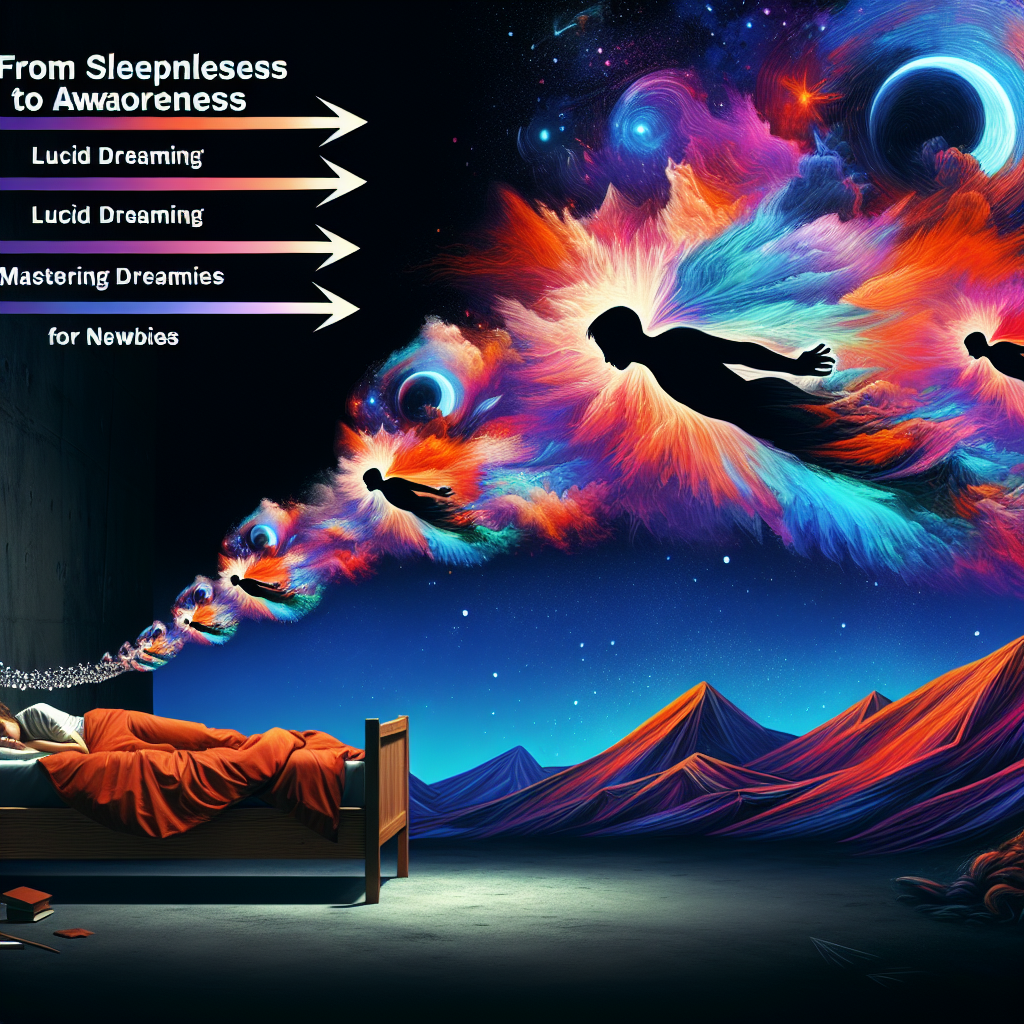
Imagine a realm where reality bends to your will—a space where you can soar through the skies, confront your fears, or simply explore the depths of your imagination. For many, this isn’t just a fantasy; it’s the transformative world of lucid dreaming. In this comprehensive guide, From Sleeplessness to Awareness: Mastering Lucid Dreaming for Newbies, we’ll embark on a journey to demystify this powerful tool, offering insights that are as engaging as they are practical.
In today’s fast-paced world, sleep can often feel elusive, leading to sleepless nights filled with restlessness. But what if you could transform this pattern? Lucid dreaming allows us not just to navigate our sleep but to actively shape our experiences within it. Whether you’re struggling with insomnia or simply seeking a new avenue for creativity and self-discovery, mastering lucid dreaming can be an empowering solution.
What is Lucid Dreaming?
Defining the Concept
Lucid dreaming occurs when a person becomes aware that they are dreaming while still in the dream. This awareness grants the dreamer a unique opportunity: the ability to exert control over their dream environment. From thrilling adventures to soul-searching experiences, the possibilities are endless.
The Science Behind Lucid Dreaming
Neurological studies have classified lucid dreaming into different types based on the level of consciousness. A key study by scientists at the University of Plymouth found that the sleeping brain remains active even in the REM phases associated with vivid dreaming, supporting the idea that conscious thought can emerge in dreams.
| Type of Lucid Dream | Description |
|---|---|
| Spontaneous | Awareness occurs without practice |
| Induced | Achieved through specific techniques |
| Wake-Initiated | Awareness at the moment of waking up |
Why Lucid Dreaming Matters
Benefits Beyond the Dream World
Creativity Boost: Many artists, writers, and musicians credit lucid dreaming for their bursts of creativity. The unrestricted nature of dreams allows for free expression and new ideas.
Overcoming Nightmares: Lucid dreaming can serve as a therapeutic tool. By recognizing that a nightmare is not reality, dreamers can confront fears and reshape distressing narratives.
- Improving Skills: Athletes and performers often use lucid dreaming for visualization techniques, enhancing their skills through mental practice.
Real-Life Case Study: Remembering the Dream
Consider the case of Alex, a budding musician struggling with writer’s block. After learning to lucid dream, he unlocked the potential to explore various musical genres in his dreams. The vivid experiences helped him overcome his creative barriers, leading to the successful completion of an album.
Techniques for Lucid Dreaming: Step-by-Step Guide
Starting with Reality Checks
A fundamental technique for achieving lucidity involves regular reality checks throughout the day. Here’s how to implement this:
- Frequency: Aim for at least five reality checks a day.
- Method: Try pinching your nose and attempting to breathe; if you can breathe, you are likely dreaming.
By consistently questioning your reality, you build a habit that carries over into your dreams.
Keeping a Dream Journal
Why a Dream Journal? Documenting your dreams increases your likelihood of recalling them, a crucial step towards lucidity.
- Format:
- Date and time
- Vivid details of the dream
- Emotions felt during the dream
The Wake-Back-to-Bed Technique
This technique involves waking up after 5-6 hours of sleep, staying awake briefly, and then returning to sleep with the intention of waking up within a dream.
| Step | Details |
|---|---|
| Wake up | Set an alarm to wake you after 5-6 hours |
| Stay awake | Spend 20-30 minutes awake engaging in light activity |
| Return to sleep | Focus on a specific intention to become aware in dreams |
Overcoming Obstacles: Common Challenges in Lucid Dreaming
Sleeplessness and Lucid Dreaming: A Paradox
As we explore From Sleeplessness to Awareness: Mastering Lucid Dreaming for Newbies, it’s essential to recognize that issues like insomnia can hinder your ability to lucid dream. Here’s how to tackle it:
Tips for Better Sleep Hygiene
- Establish a Routine: Go to bed and wake up at the same time every day.
- Create a Restful Environment: Your bedroom should be dark, quiet, and cool.
- Limit Screen Time: Reduce exposure to screens at least one hour before bed.
Real-Life Case Study: The Sleepless Striver
Take the story of Sarah, who faced chronic insomnia. By incorporating lucid dreaming techniques, she monitored her sleep patterns and adjusted her sleep environment. Within weeks, she experienced improved sleep quality and began having lucid dreams, turning her sleeplessness into profound awareness.
Expanding Your Skills: Advanced Techniques
Mnemonic Induction of Lucid Dreams (MILD)
This involves using affirmations before bedtime to remind yourself to recognize when you are dreaming. A simple mantra, “Next time I’m dreaming, I will remember I’m dreaming,” reinforces your intention.
Wake-Initiated Lucid Dreaming (WILD)
WILD is a more advanced technique where you directly enter a dream from a waking state without losing consciousness. It requires practice and can take time to master.
- Relax: Allow your body to fall asleep while keeping your mind aware.
- Visualize: Picture a dream scene as you transition, focusing on the experience.
FAQ Section
1. Can anyone learn to lucid dream?
Absolutely. With practice and commitment, most people can learn to achieve lucidity in their dreams.
2. How do I remember my dreams better?
Keeping a dream journal and making a conscious effort to recall dreams upon waking can significantly enhance dream memory.
3. Are there any risks associated with lucid dreaming?
While generally safe, some individuals may experience sleep disturbances or that they feel disoriented upon waking. Keeping a regular sleep schedule can minimize these risks.
4. How long does it take to become proficient at lucid dreaming?
Every individual’s experience varies. Some may achieve lucidity within weeks, while others might take months of practice.
5. Can lucid dreaming improve mental health?
Many people report improved mental well-being through lucid dreaming, especially when used to confront fears and alleviate anxieties.
Conclusion: Your Journey from Sleeplessness to Awareness
In From Sleeplessness to Awareness: Mastering Lucid Dreaming for Newbies, we have explored the fascinating world of lucid dreaming, examining techniques, benefits, and challenges. This powerful skill can transform not only how you experience sleep but can also empower you creatively and therapeutically.
As you continue your journey, remember that consistency and patience are key. The realm of lucid dreams awaits, offering possibilities limited only by your imagination. Take actionable steps today, engage in daily practices, and watch as your lucid dreaming adventures unfold.
Call to Action
Don’t let sleeplessness define you. Embrace awareness, explore your dreams, and master the art of lucid dreaming. Start today, and who knows? You might wake up to a new reality—both in and out of your dreams.
About the Author


Dr. Emily Bennett, Clinical Psychology and Mental Health
Dr. Bennett is a licensed clinical psychologist with extensive experience in treating individuals dealing with anxiety, depression, and other mood disorders. She provides insightful content on mental health management, therapy techniques, and coping strategies.