Introduction
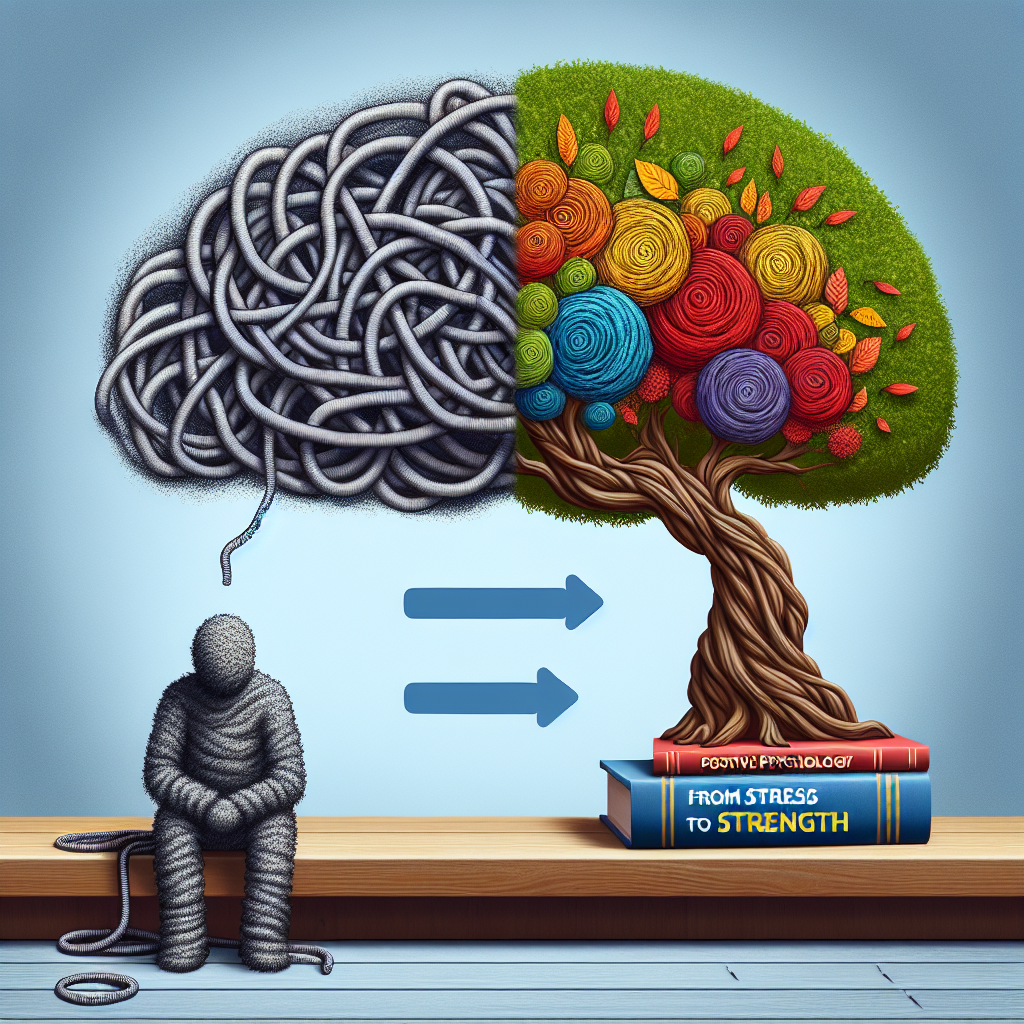
In a world that’s perpetually racing against time, stress has become a common denominator of modern life. But what if you could transform that stress into strength? What if we told you that positive psychology not only helps improve your daily mood but can also enhance your overall mental well-being? In this article, From Stress to Strength: How Positive Psychology Can Change Your Mindset, we’ll explore the transformative power of positive psychology and provide actionable insights to shift your mindset from one of anxiety and despair to resilience and empowerment.
Understanding Positive Psychology
Positive psychology, founded by Dr. Martin Seligman in the late 1990s, focuses on what makes life worth living. Rather than solely combating mental illness, it aims to foster positive traits, emotions, and attitudes. By concentrating on strengths rather than weaknesses, you can cultivate a mindset that not only helps you manage stress but can lead to a more fulfilling life.
Key Principles of Positive Psychology
- Strengths Identification: Recognizing and utilizing your strengths to face challenges.
- Positive Emotions: Focusing on positive experiences and emotions to mitigate stress.
- Resilience Building: Developing the ability to bounce back from setbacks.
- Mindfulness Practices: Promoting awareness of the present moment to reduce anxiety.
The Science Behind Stress and Positive Psychology
Stress affects millions globally, but understanding its impact on your mind and body is the first step toward transformation.
The Physiological Effects of Stress
Stress triggers the body’s “fight or flight” response, leading to the release of cortisol and adrenaline. While these hormones are crucial in acute situations, chronic stress can have detrimental effects, such as weakened immune response, cardiovascular issues, and mental health disorders.
| Hormone | Effect |
|---|---|
| Cortisol | Increases blood sugar |
| Adrenaline | Heightens alertness |
| Norepinephrine | Increases heart rate |
Utilizing techniques from positive psychology can help reverse these changes by promoting relaxation and emotion regulation.
From Stress to Strength: Case Studies
Case Study 1: The Power of Gratitude
In a study by Dr. Robert Emmons and Dr. Michael McCullough, participants who practiced gratitude reported higher levels of positive emotions, better health, and reduced stress. By keeping a gratitude journal, individuals shifted their focus from stressors to positive experiences, leading to enhanced well-being.
Analysis: This illustrates how a simple shift in focus—committing to gratitude—can effectively turn stressful situations into opportunities for growth.
Case Study 2: Resilience Training in the Workplace
A corporate program implemented by Google emphasized resilience training through mindfulness practices and strengths recognition. Employees learned to harness their strengths when facing deadlines, significantly improving productivity and reducing burnout.
Analysis: The workplace is often rife with stress, but this approach demonstrates how positive psychology can enhance employee well-being and resilience.
Positive Psychology Techniques to Combat Stress
Mindfulness Meditation: Engaging in mindfulness can help you remain present and reduce anxiety. Take 10 minutes each day to focus on your breathing and observe your thoughts without judgment.
Strengths Assessment: Take a strengths test, such as the VIA Survey, to identify where you excel. Use these strengths in daily tasks to improve performance and reduce stress.
Positive Affirmations: Encourage a shift in mindset by affirming your capabilities. Use phrases like “I am resilient” or “I can manage my stress.”
Social Connections: Foster meaningful relationships. Engaging with supportive friends and family can buffer stress and promote positive feelings.
- Engage in Savoring: Reflect on positive experiences intentionally. Spend time enjoying moments, whether through art, food, or nature, to deepen happiness.
Practical Steps: Turning Theory into Action
Shifting from a mindset dominated by stress to one that embraces strength through positive psychology doesn’t happen overnight. Here are some practical steps to integrate these principles into your daily life.
1. Daily Journaling
Allocate 10-15 minutes each day to journal your thoughts. Focus not just on stressors but also on positive outcomes and what you are grateful for each day.
2. Set Achievable Goals
Break larger tasks into smaller ones. Celebrate small victories to create a sense of achievement and progress, diverting focus from stress.
| Goal | Action Steps | Celebration |
|---|---|---|
| Complete a project | Break into phases | Treat yourself to a meal |
| Improve fitness | Walk 10 minutes daily | Buy new workout gear |
| Learn a new skill | Dedicate 30 minutes a week | Share progress with friends |
3. Develop a Support System
Reach out to those who uplift and encourage you. Share your journey of stress transformation and seek support when necessary.
Conclusion
From Stress to Strength: How Positive Psychology Can Change Your Mindset is not just a concept; it’s a guiding principle that can significantly enrich your life. By embracing the techniques of positive psychology, you can cultivate resilience, enhance your emotional well-being, and transform your relationship with stress.
Remember, it’s about progress, not perfection. So take those small steps today, because every bit of effort counts toward a stronger, more positive mindset.
FAQs Section
1. What is the main focus of positive psychology?
Positive psychology primarily focuses on increasing well-being and happiness by emphasizing strengths, positive emotions, and personal development rather than merely alleviating mental illness.
2. How does stress affect the body?
Chronic stress can lead to numerous health issues, including weakened immune responses, cardiovascular problems, and mental health disorders like anxiety and depression.
3. Can positive psychology help in the workplace?
Yes! Implementing positive psychology techniques, such as resilience training and strengths identification, can enhance employee well-being, reduce burnout, and improve overall productivity.
4. What are some practical ways to reduce stress using positive psychology?
Mindfulness meditation, keeping a gratitude journal, practicing positive affirmations, and nurturing social connections can all effectively reduce stress and promote a positive mindset.
5. How long does it take to see changes using these techniques?
While everyone’s journey is unique, many individuals start noticing positive changes within a few weeks of consistently practicing techniques derived from positive psychology.
By addressing the common concerns and providing practical solutions, you can start your journey to transforming stress into strength through the power of positive psychology. Take that first step today, and you may be surprised at what lies ahead.
About the Author