


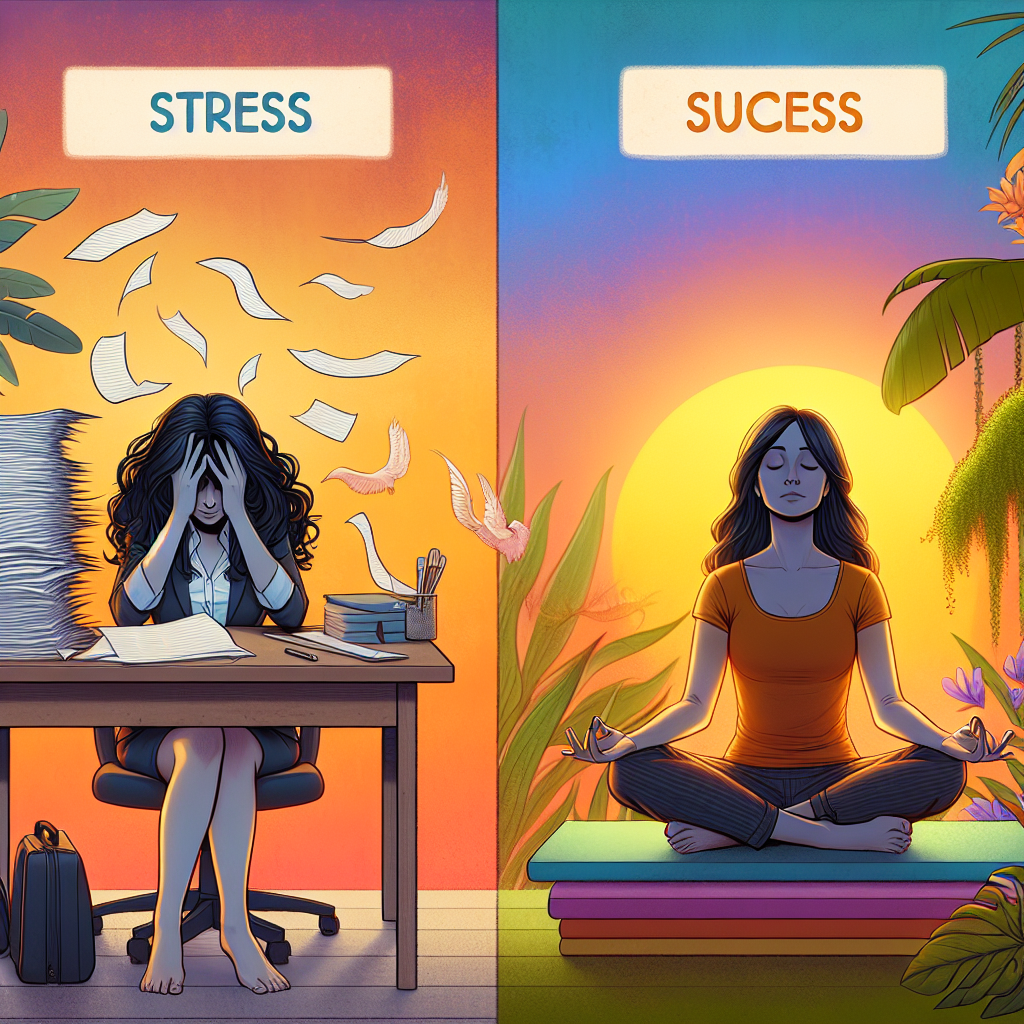
From Stress to Success: Essential Activities to Recharge Your Mind
Introduction
In our fast-paced world, stress has become a ubiquitous companion for many. Navigating through daily challenges—be it work deadlines, personal responsibilities, or social obligations—often leads us to feel overwhelmed. However, it is crucial to recognize that stress doesn’t have to define us. Instead, we can transform this pressure into productivity.
Welcome to From Stress to Success: Simple Activities to Recharge Your Mind, where we explore effective strategies that not only alleviate stress but also boost your mental clarity and creativity. Understanding how to recharge your mind is not just beneficial; it’s essential for personal and professional success. Join us as we uncover practical activities that can help you flourish, even in the most stressful circumstances.
The Cycle of Stress and Success
The relationship between stress and success can often be paradoxical. Stress can either hinder or motivate us. According to a 2021 American Psychological Association report, moderate levels of stress can enhance performance and provide the energy needed to meet challenges. However, excessive stress can lead to burnout and decreased productivity.
Case Study: The Corporate Dilemma
In 2019, a multinational company struggled with high employee turnover due to work-related stress. To combat this, they implemented a series of stress management workshops and encouraged activities focused on mindfulness, creativity, and physical well-being. Within a year, employee satisfaction scores increased by 40%, and turnover decreased significantly. This case exemplifies how simple activities can transform a stressful work environment into one that fosters success.
Simple Activities to Recharge Your Mind
1. Mindfulness Meditation
Mindfulness meditation has gained attention for its profound effects on mental health. Practicing mindfulness involves being present in the moment, observing thoughts without judgment.
How to Start:
- Set aside 10 minutes each day.
- Find a quiet space to sit comfortably.
- Focus on your breath and let go of distractions.
Benefits:
- Reduces anxiety and stress.
- Increases emotional resilience.
- Improves focus and productivity.
2. Physical Exercise
Physical activity is a powerful stress reliever. Engaging in regular exercise releases endorphins, known as the "feel-good" hormones.
Recommended Activities:
| Activity | Duration | Benefits |
|---|---|---|
| Walking | 30 mins | Increases creativity and reduces fatigue |
| Yoga | 30-60 mins | Enhances flexibility and lowers cortisol levels |
| Strength Training | 30 mins | Boosts self-esteem and overall mood |
3. Creative Outlets
Cultivating creativity can empower your mind. Engaging in creative activities—such as painting, writing, or playing music—provides an escape from daily stressors.
Why Creativity Matters:
- Encourages self-expression.
- Provides a sense of accomplishment.
- Promotes positive emotions.
Case Study: The Power of Art
A community art project in a metropolitan area invited participants to express their feelings through art. Post-project surveys indicated that 75% of participants reported reduced stress levels and enhanced emotional well-being.
4. Nature Walks
Spending time in nature can be immensely rejuvenating. Numerous studies suggest that being outdoors reduces mental fatigue and enhances mood.
Benefits of Nature Exposure:
- Improves concentration and attention span.
- Lowers stress hormone levels.
- Increases feelings of happiness and calmness.
5. Journaling
Writing down thoughts and feelings can be a cathartic process. Journaling allows individuals to process emotions, set goals, and reflect on daily experiences.
Tips for Effective Journaling:
- Write consistently, even if it’s just a few lines.
- Focus on gratitude to cultivate a positive mindset.
- Use prompts to explore deeper feelings.
6. Social Connections
Building strong relationships can be a formidable buffer against stress. Having a supportive social network can enhance our coping mechanisms.
Ways to Foster Connections:
- Schedule regular catch-ups with friends or family.
- Join groups or clubs centered around your interests.
- Volunteer for community projects to meet like-minded people.
Conclusion
The journey from stress to success does not have to be arduous. By embracing simple activities to recharge your mind—such as mindfulness, exercise, creativity, nature walks, journaling, and fostering social connections—you can cultivate a positive mindset and resilience. The path to success is often paved with conscious choices that prioritize mental well-being.
FAQs
1. How long should I spend on mindfulness meditation each day?
Aim for at least 10 minutes daily, gradually increasing the duration as you become more comfortable with the practice.
2. What type of exercise is best for reducing stress?
Any form of exercise that you enjoy can help reduce stress, but activities such as yoga, walking, or cycling are particularly effective.
3. How can I incorporate creative outlets into my daily routine?
Start by dedicating a small amount of time each week to explore a creative hobby. Make it a part of your schedule to ensure consistency.
4. What are the benefits of going on nature walks for mental health?
Nature walks enhance your mood, improve concentration, and serve as a natural antidepressant by reducing cortisol levels.
5. Is journaling effective for everyone?
While journaling can be beneficial for many, it’s essential to find a style that resonates with you. Experiment with different formats to discover what works best.
Final Thoughts
Adopting a holistic approach to managing stress can unlock new levels of success and personal fulfillment. As you implement these simple activities to recharge your mind, remember that it’s okay to take a step back and prioritize your well-being. Your journey from stress to success is yours alone, and it’s never too late to start anew.


The PsyForU Editorial Collective is the research and editorial team of PsyForU Research International. The collective prepares educational, psychological, mental-health-awareness, inclusion, neurodiversity, and research-methodology content for students, parents, educators, researchers, and general readers. PsyForU content is intended for awareness, education, and capacity-building and should not be treated as clinical diagnosis, therapy, medical advice, legal advice, or emergency mental-health support.