


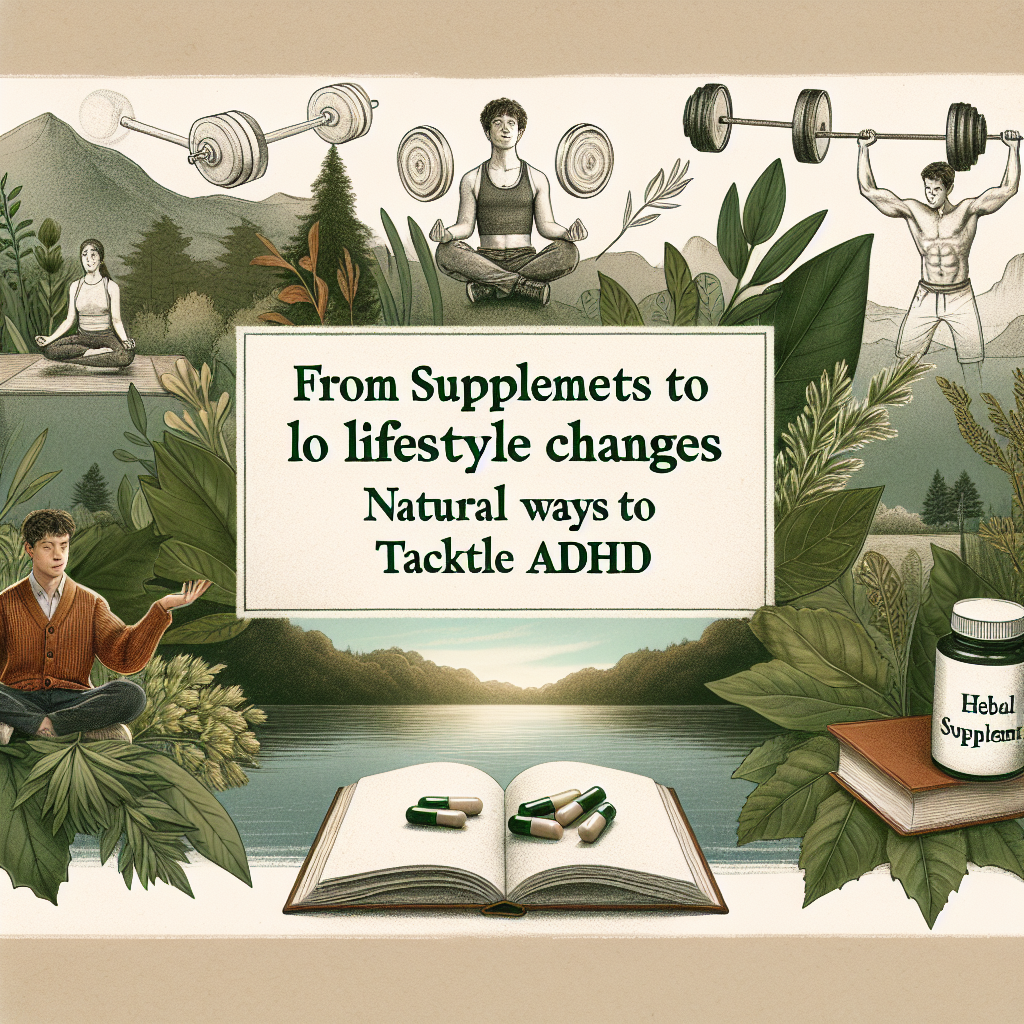
From Supplements to Lifestyle Changes: Proven Natural Ways to Tackle Adult ADHD
Introduction
Attention Deficit Hyperactivity Disorder (ADHD) is not just a childhood concern; it echoes into adulthood for many individuals. Adults with ADHD often struggle with focus, organization, time management, and emotional regulation. The fast-paced, high-demand lifestyle of modern society can exacerbate these challenges, leading many adults to seek effective solutions. But rather than relying solely on medication, increasingly, people are turning to holistic approaches. In this comprehensive guide, "From Supplements to Lifestyle Changes: Natural Ways to Tackle Adult ADHD," we will explore various strategies that incorporate natural supplements, dietary changes, exercise, and mindfulness practices—all aimed at improving focus and emotional balance.
Understanding Adult ADHD
Before diving into solutions, let’s take a moment to understand what ADHD looks like in adults. Symptoms tend to manifest differently than in children. While hyperactivity may diminish, individuals often find themselves grappling with inattention, forgetfulness, impulsivity, and difficulty completing tasks.
The Importance of Addressing Adult ADHD
Ignoring these symptoms can lead to various consequences, including damaged relationships, underperformance at work, and decreased self-esteem. That’s why it’s critical to address these challenges proactively, using natural methods as effective alternatives or complements to traditional treatments.
A Holistic Approach: The Foundation for Natural Management
When we talk about "From Supplements to Lifestyle Changes: Natural Ways to Tackle Adult ADHD," we’re considering a multi-faceted approach. Here are some essential components:
1. Nutritional Supplements: A Natural Boost
Omega-3 Fatty Acids
Research suggests omega-3 fatty acids can improve cognitive functions. A study from the Journal of Attention Disorders found that adults who included omega-3 supplements experienced noticeable improvements in attention and hyperactivity levels.
| Nutritional Supplement | Potential Benefits | Dosage Recommendations |
|---|---|---|
| Omega-3 Fatty Acids | Improved focus and cognitive function | 1000-2000 mg daily |
| Zinc | May support neurotransmitter function | 11 mg for men, 8 mg for women |
| Iron | Essential for dopamine production | Varies based on individual needs |
| Magnesium | Supports relaxation and reduces anxiety | 310-420 mg per day |
Case Study: James, a 32-year-old graphic designer, was skeptical about supplements until he tried omega-3s. Within three months, his creativity flourished, and he could concentrate better during work hours. By way of a supplement regimen, he found a resource in omega-3 that he hadn’t anticipated.
Iron, Zinc, and Magnesium
As we examine "From Supplements to Lifestyle Changes: Natural Ways to Tackle Adult ADHD," don’t overlook these essential minerals. They play crucial roles in neurotransmitter balance and affect mood and focus.
2. Nutrition: Food as Fuel
The Role of Diet
A nutrient-dense diet rich in whole foods can significantly impact ADHD symptoms. Diets lacking in key nutrients can exacerbate symptoms.
- Protein: High-quality proteins can stabilize blood sugar levels and improve concentration.
- Complex Carbohydrates: Whole grains and legumes contribute to steady energy levels.
Suggested Dietary Changes
Incorporating the Mediterranean diet, which is rich in oils, fish, and whole grains, may provide additional benefits for adults dealing with ADHD.
| Food Group | Examples | Benefits |
|---|---|---|
| Lean Proteins | Chicken, fish, legumes | Helps stabilize energy and focus |
| Whole Grains | Brown rice, quinoa, oats | Contributes to sustained energy |
| Fruits and Vegetables | Leafy greens, berries | Rich in vitamins and antioxidants |
Case Study: Sarah, a 28-year-old project manager, revamped her diet after feeling perpetually unfocused. By cutting out processed foods and increasing her intake of proteins and whole grains, she reported a remarkable improvement in her energy levels and ability to stay organized.
3. Exercise: Move to Improve
Physical activity can be a game-changer for adults with ADHD. Regular exercise releases dopamine, norepinephrine, and serotonin, all of which play essential roles in attention and focus.
Recommended Activities
- Aerobic Exercise: Activities like jogging, cycling, or dancing can elevate mood and energy levels.
- Strength Training: Building muscle can help improve self-esteem and concentration.
Case Study: Michael struggled with managing his time effectively until he committed to a daily 30-minute jog. This simple lifestyle change surprisingly became a cornerstone for his productivity, allowing him to manage tasks more efficiently.
4. Mindfulness and Cognitive Behavioral Therapy (CBT)
Mindfulness Techniques
Practices like meditation and mindfulness can help soothe racing thoughts and improve focus. Adults can utilize various apps and resources to practice mindfulness.
- Breathing Exercises: Simple breathing techniques can help ground and center one’s thoughts.
- Mindful Journaling: Recording thoughts can promote clarity and self-awareness.
Cognitive Behavioral Therapy
Coupled with lifestyle changes, CBT can help change negative thought patterns related to ADHD and identify practical strategies for managing symptoms.
Case Study: Lisa utilized CBT to address her negative self-talk and feelings of inadequacy stemming from her ADHD. As she practiced mindfulness and rational self-talk, she became more capable of handling everyday stressors.
Putting It All Together: A Comprehensive Lifestyle Change
Creating a Personalized Plan
When embarking on the journey outlined in "From Supplements to Lifestyle Changes: Natural Ways to Tackle Adult ADHD," consider creating a personalized plan that incorporates different aspects of nutrition, physical activity, and mindfulness practices. Start with small, manageable changes:
-
Set Achievable Goals: Rather than a complete overhaul of your routine, start with small dietary changes—like adding one vegetable to your meals or increasing your water intake.
-
Integrate Exercise: Aim for at least 150 minutes of moderate aerobic activity each week.
- Practice Mindfulness: Incorporate a five-minute daily mindfulness practice into your routine.
Resources and Tools
- Apps for Mindfulness: Consider apps like Headspace or Calm for guided meditation.
- Meal Planning Tools: Websites like Mealime or apps like Yummly can help simplify healthy meal prep.
Conclusion
Navigating adult ADHD doesn’t have to be a daunting task fraught with frustration. By embracing "From Supplements to Lifestyle Changes: Natural Ways to Tackle Adult ADHD," you can harness the power of natural alternatives that enhance your daily living. The journey may take time, but as you incorporate dietary changes, supplements, physical activity, and mindfulness practices, improvements will manifest over time. Remember, you are not alone in this pursuit; countless others have paved the way with refreshing results.
FAQs
1. What are the most effective supplements for adult ADHD?
Omega-3 fatty acids, zinc, iron, and magnesium have shown promise, but it’s essential to consult a healthcare provider before starting any new supplements.
2. Can diet really impact ADHD symptoms?
Yes, a balanced diet rich in whole foods can stabilize blood sugar levels and provide important nutrients that affect brain function.
3. How much exercise should I aim for if I have ADHD?
Aiming for at least 150 minutes of moderate aerobic exercise each week can significantly impact focus and overall well-being.
4. Is mindfulness effective for managing ADHD?
Yes, mindfulness and meditation practices have been linked to improved focus and emotional regulation for many adults with ADHD.
5. Can lifestyle changes replace medication for adult ADHD?
While lifestyle changes can complement medication, it’s crucial to discuss any changes to your management plan with a healthcare professional.
By approaching the challenge of adult ADHD from multiple angles, including supplements, diet, exercise, and mindfulness, individuals can significantly enhance their quality of life, improving focus and emotional well-being in the process.

