


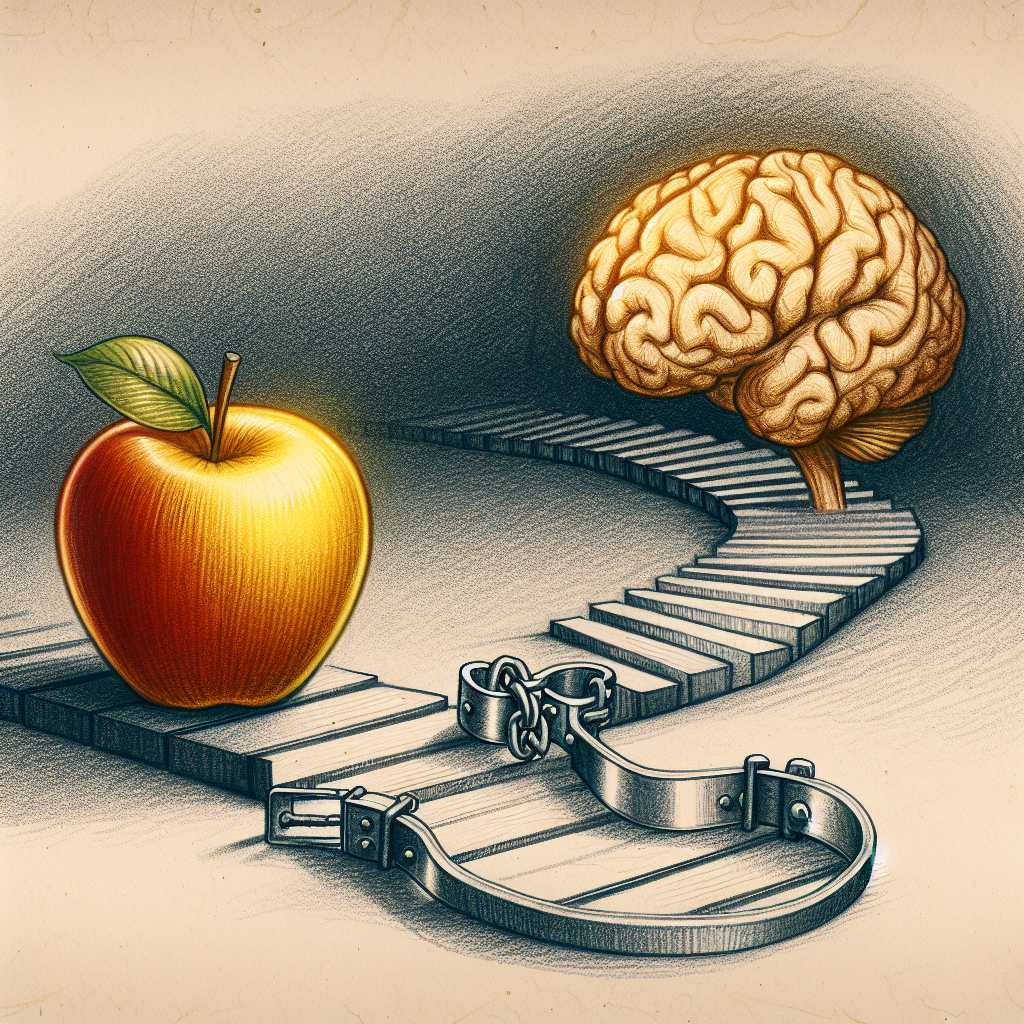
From Temptation to Dependence: The Essential Psychology of Addiction
Introduction
Addiction is a labyrinthine journey, often beginning with a seemingly innocent act of temptation. Whether it’s the first sip of alcohol, the thrill of gambling, or the initial hit of a drug, the fine line between enjoyment and dependence is perilously thin. In this exploration of From Temptation to Dependence: The Psychology of Addiction, we will delve into the multifaceted nature of addiction, understand its psychological underpinnings, and unravel how fleeting moments of temptation can spiral into life-altering dependencies.
In today’s fast-paced world, understanding the psychology of addiction is crucial—not just for those directly affected, but for families, friends, and society at large. By dissecting the journey from temptation to dependence, we gain invaluable insights into how to combat addiction, foster resilience, and promote healing.
The Nature of Temptation
What is Temptation?
Temptation is commonly defined as the desire to engage in short-term urges for enjoyment that threatens long-term goals. At its core, temptation plays a pivotal role in the initiation of addictive behaviors.
The Allure of the Forbidden
Temptation can often be amplified by the allure of the forbidden. Psychologically, the awareness of potential negative consequences can increase the desirability of an experience. For instance, a study reported in the Journal of Behavioral Decision Making found that individuals perceive high-risk behaviors as more exciting, which can inadvertently encourage repeated engagement.
Case Study: The College Experiment
Consider a study titled "Peer Influence and Addictive Behavior" conducted at a large university. Researchers found that college students were more likely to drink alcohol when in the presence of peers engaging in heavy drinking. This demonstrates how temptation often intertwines with social dynamics, amplifying the urge to partake in risky behavior.
Analysis
This case study is pivotal as it illustrates the role of social influence on addiction. Understanding these dynamics is essential in forging preventative measures and promoting healthier social interactions.
The Pathway to Dependence
What Defines Addiction?
Addiction is clinically considered a complex condition, a brain disorder that is manifested by compulsive substance use despite harmful consequences. The critical factors that transition an individual from temptation to dependence include neurobiological changes, psychological states, and environmental influences.
Neurobiology of Addiction
The brain’s reward system plays a central role in the development of addiction. Neurotransmitters, particularly dopamine, are deeply involved. When temptation is acted upon, dopamine levels spike, creating a pleasurable sensation. Over time, chronic exposure to addictive substances can alter the brain’s reward pathways, reinforcing the behavior and creating dependence.
The Role of Genetics
Research at the National Institute on Drug Abuse has shown that genetics account for about 40-60% of a person’s susceptibility to addiction. Variations in genes responsible for dopamine reception can make certain individuals more vulnerable to addiction, meaning that for some, it may not just be about willpower, but an inherited predisposition.
Case Study: The Genetic Predisposition
A longitudinal study of individuals with familial histories of alcohol dependence found that those with certain gene markers were significantly more likely to develop alcohol use disorders compared to controls. This exemplifies how genetic susceptibility can act as a bridge from mere temptation to a full-blown dependency.
Analysis
This emphasizes the importance of awareness regarding family history and genetic predisposition in the conversation about addiction. Understanding one’s risk can be a powerful tool for prevention.
Psychological Factors of Addiction
The Role of Trauma
Many individuals who experience addiction have histories of trauma. Unresolved trauma can lead to maladaptive coping mechanisms, where substances or behaviors provide a temporary escape. This cyclical nature creates a difficult barrier to overcome.
Emotional Regulation and Addiction
Psychological studies have shown that individuals with poor emotional regulation skills are more likely to indulge in addictive behaviors. As a coping mechanism, substances may provide relief from negative emotions, leading to dependence.
Case Study: The Impact of Childhood Trauma
Research from the Adverse Childhood Experiences Study correlates high scores of childhood trauma with increased rates of substance abuse in adulthood. For instance, adults who experienced physical or emotional neglect are significantly likelier to encounter addiction challenges.
Analysis
Understanding the correlation between trauma and addiction helps in developing therapeutic approaches that emphasize healing from past experiences as a pathway to recovery.
Social and Environmental Influences
The Impact of Environment on Addiction
Social environment—including peer influence, family dynamics, and socioeconomic status—significantly influences an individual’s likelihood of developing an addiction. Availability and acceptance of substances can skew perception and normalcy regarding addiction.
Case Study: Neighborhood Influence on Substance Use
A study published in the American Journal of Public Health examined urban neighborhoods with high drug availability and their correlation with increased rates of substance use among residents. Results indicated that in communities where drug use was normalized, individuals had a higher propensity to embrace addiction.
Analysis
This finding underlines the essential role of community and environmental structure in the addiction narrative. Fostering healthier communities can diminish temptation and offer supportive frameworks for individuals at risk.
The Cycle of Addiction
Stages of Addiction
Understanding the stages of addiction can illuminate the journey from temptation to dependence. Often referred to as the Cycle of Addiction, these stages include:
- Experimentation: The initial engagement with the substance or behavior.
- Regular Use: The substance or behavior becomes part of a routine.
- Risky Use: The individual begins to face negative consequences but continues the behavior.
- Dependence: A physical or psychological need for the substance develops.
- Addiction: Compulsive behavior takes over; the individual struggles to quit despite adverse effects.
Case Study: The Progression of Alcohol Use Disorder
An analysis of the progression of alcohol use disorder (AUD) in individuals demonstrated that many started with casual drinking but gradually moved through the stages to full-blown addiction, often without realizing they were trapped in the cycle until it was too late.
Analysis
This case illustrates the insidious nature of addiction, which can creep into one’s life unnoticed until it becomes overwhelmingly dominant. Awareness of these stages allows individuals and clinics to formulate intervention strategies tailored for specific phases.
Recovery and Healing
The Role of Interventions
Interventions that incorporate psychological understanding can offer a roadmap from temptation to wellness. Cognitive-behavioral therapy (CBT) has been shown to be particularly effective in addressing the thoughts and behaviors associated with addiction.
The Importance of Support Systems
Support systems—whether through family, friends, or support groups such as Alcoholics Anonymous—provide critical emotional backing for individuals seeking recovery.
Case Study: Peer Support in Recovery
A study followed individuals engaged in peer-led support groups during recovery. Results showed enhanced rates of sustained sobriety and reduced relapse rates compared to individuals who underwent traditional rehabilitation alone.
Analysis
This emphasizes the significance of social support in the recovery journey, making clear the interconnectedness of human psychology and addiction.
Conclusion
Understanding the pathway From Temptation to Dependence: The Psychology of Addiction reveals a complex interplay of biological, psychological, and social factors that contribute to addiction. Acknowledging the nuances of temptation and its potential for leading individuals down a dark path towards dependence is intrinsically linked to promoting awareness and developing effective preventive strategies.
By fostering understanding and compassion in conversations about addiction, society can empower individuals battling with dependence while also focusing on creating resilient environments that diminish the risks of temptation.
Actionable Insights
- Educate Yourself: Understanding the signs of addiction, temptation, and the physiological changes in the brain can empower informed discussions around the topic.
- Build Support Networks: Surround yourself with positive influences. If you know someone struggling, offer your support rather than judgment.
- Seek Help: If you or someone you know is struggling with addiction, reach out for professional help. Recovery is possible.
FAQs
-
What is the difference between temptation and addiction?
- Temptation is the desire to engage in a behavior that can lead to pleasure, while addiction is defined by compulsive behavior despite adverse consequences.
-
Are some people more likely to become addicted?
- Yes, genetic factors can predispose individuals to addiction, but environmental factors also play a critical role.
-
Can addiction be treated?
- Absolutely, many treatment options are available, including therapy, medication, and support groups.
-
What is the role of family in addiction recovery?
- Family support is crucial in recovery, providing emotional encouragement and stability.
- How can I support someone struggling with addiction?
- Be patient, listen without judgment, and encourage them to seek professional help while being supportive of their journey to recovery.
Through continuous education and compassion, we can help guide those affected by addiction from temptation to dependence towards paths of recovery and healing.

