


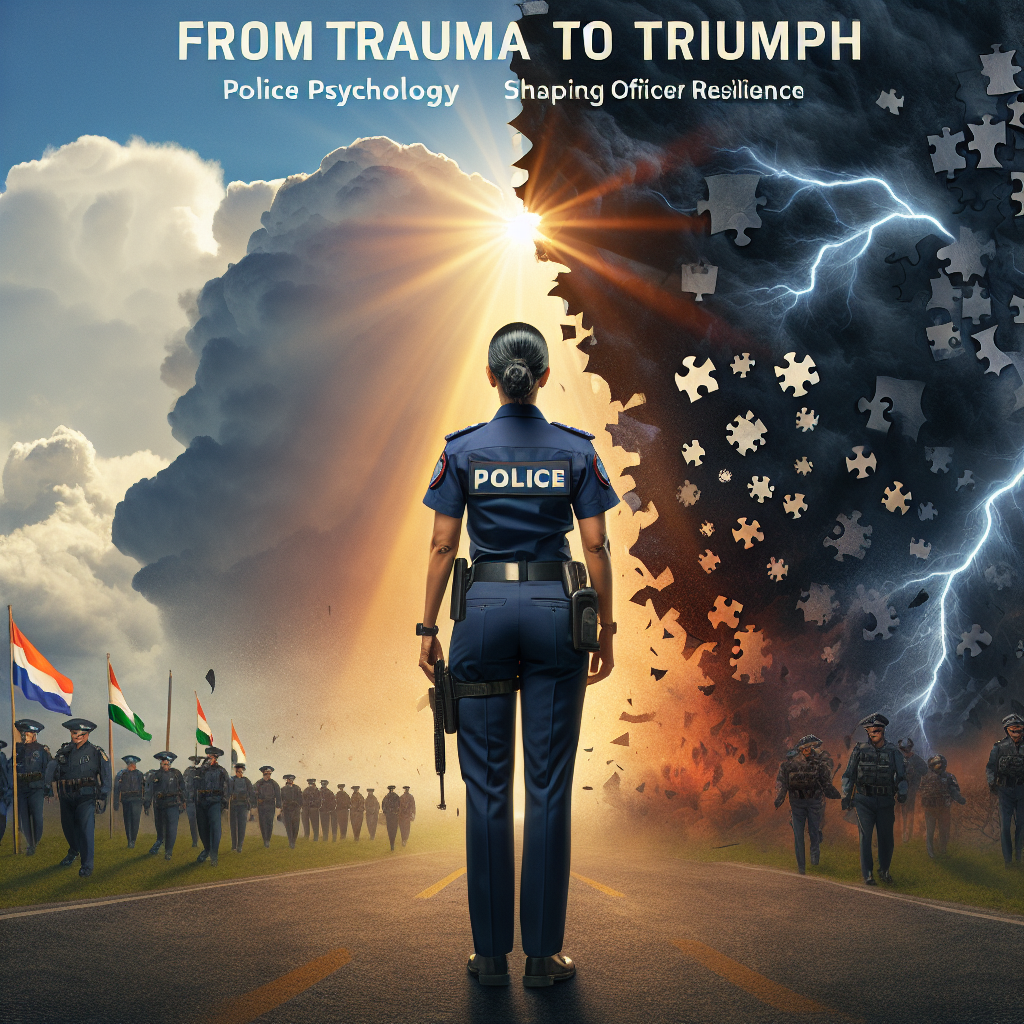
Introduction: The Crucial Journey from Trauma to Triumph
Imagine watching a colleague, someone you train with and trust, face the unbearable weight of traumatic experiences. As police officers, they witness the raw, often brutal realities of life and death. Each traumatic encounter can chip away at their mental fortitude, threatening not just their careers but their well-being. However, as we delve into "From Trauma to Triumph: How Police Psychology Shapes Officer Resilience," we’ll explore how psychological support systems transform trauma into a source of strength, equipping officers with the tools necessary to thrive amidst adversity.
In our society, the stigma surrounding mental health, particularly within law enforcement, can be alarming. For years, officers have felt pressured to uphold a facade of invulnerability, often leaving their emotional scars untreated. Thankfully, progressive advancements in police psychology are steering the course toward resilience, recognizing that mental strength is not a weakness. This article will navigate the complexities of police psychology, showcasing how comprehensive strategies not only address trauma but turn it into triumph.
The Case for Police Psychology
Understanding the Toll of Trauma
Law enforcement officers encounter high-stress situations on a daily basis. Research shows that over 80% of officers experience significant trauma during their careers. From harrowing scenes of violence to the aftermath of accidents, these encounters accumulate, leading to a range of psychological challenges, including PTSD, anxiety, and depression. Addressing these issues is more critical than ever; police psychology serves as a bridge from trauma to triumph.
The Role of Police Psychology
Police psychology encompasses various methods designed to foster officer well-being. This includes counseling, training programs, peer support, and stress management strategies. The ultimate aim? To redefine how officers handle trauma by promoting resilience. By employing psychologists who specialize in the unique challenges faced by law enforcement, departments are beginning to see results.
Case Study: The Impact of Early Intervention
Consider a case from the San Francisco Police Department. After a particularly traumatic incident involving multiple fatalities, the department organized immediate psychological debriefings. Officers participated in group therapy, sharing their experiences. Those who engaged in this program reported a significant reduction in symptoms of anxiety and PTSD. This case illustrates the urgent need for prompt psychological support and stands as a testament to how police psychology effectively shapes officer resilience.
Building a Culture of Resilience
Creating a supportive environment goes beyond mere interventions. It involves cultivating a culture that acknowledges the realities of trauma while fostering an atmosphere of support and understanding. When officers feel that their mental health is taken seriously, they can reach new heights of resilience, changing the narrative from trauma to triumph.
Strategies for Fostering Resilience
1. Comprehensive Training Programs
One of the essential methods in "From Trauma to Triumph: How Police Psychology Shapes Officer Resilience" is through the implementation of comprehensive training programs. These programs equip officers with knowledge not only of their psychological health but also of the mental health of others. Training focuses on recognition and response strategies, helping officers identify signs of distress—both in themselves and their peers.
Table 1: Key Components of Training Programs
| Component | Description |
|---|---|
| Stress Management | Techniques such as mindfulness and breathing exercises. |
| Crisis Intervention | Skills for addressing immediate psychological needs during and after traumatic events. |
| Peer Support | Encouraging open communication among officers to foster camaraderie and reduce stigma. |
| Psychological First Aid | Immediate support mechanisms to facilitate recovery after a traumatic encounter. |
2. Integration of Peer Support Programs
Peer support groups allow officers to share their experiences and emotions in a safe environment. Facilitated by trained professionals, these groups focus on mutual understanding, creating a network fostering resilience. This approach is fundamental in demonstrating that officers are not alone in their struggles, effectively transforming trauma into a shared experience of triumph.
Case Study: 20/20 Peer Support Program
In 2018, the Houston Police Department launched the 20/20 Peer Support Program, designed to provide emotional and psychological support by pairing officers with trained peers. Evaluations showed a marked increase in mental well-being among participating officers, leading to stronger interpersonal relationships and increased morale within the department. This program is a powerful example of how peer support can play a vital role in shaping officer resilience.
3. The Significance of Mindfulness Practices
Incorporating mindfulness into daily routines can significantly bolster resilience. Techniques such as meditation, guided imagery, and yoga help officers manage stress by fostering a sense of calm and presence. Not only do these practices address current stressors, but they also prepare officers for future challenges, paving the way for long-term resilience.
Case Study: The Mindful Cop Initiative
The Mindful Cop Initiative began in London, integrating mindfulness practices into police training. Officers reported decreased levels of anxiety and improved emotional regulation. Participants who practiced mindfulness daily found that they could respond more effectively to potentially volatile situations, showcasing the demonstrative effects of prioritizing mental health.
Recognizing the Signs of Trauma
Understanding Symptoms and Intervening Early
An essential component of police psychology is recognizing the signs of trauma among officers. Common symptoms can include mood swings, withdrawal from social interactions, difficulty concentrating, and physical manifestations such as headaches or insomnia. By understanding these signs, fellow officers can step in and guide colleagues toward seeking help, further transforming trauma into an opportunity for triumph.
Table 2: Symptoms of Trauma in Officers
| Symptom | Description |
|---|---|
| Emotional Numbness | Inability to feel emotions, leading to disengagement. |
| Increased Irritability | Heightened sense of frustration and anxiety. |
| Withdrawal | Reduced social interactions and support-seeking behaviors. |
| Physical Symptoms | Headaches, gastrointestinal issues, and other stress-related conditions. |
4. Implementing Effective Treatment Plans
When officers show signs of trauma, a tailored treatment plan is critical. Comprehensive treatment should involve psychological therapies, possibly including cognitive-behavioral therapy (CBT), trauma-focused therapy, and medication if necessary. Regular check-ins with mental health professionals ensure that officers are not just surviving but thriving in their roles.
Case Study: CBT Success in New Jersey
The New Jersey State Police implemented a structured program of Cognitive Behavioral Therapy to support officers with PTSD. Participants reported significant improvements in their ability to manage stress and work-related challenges by learning to identify negative thought patterns and alter their responses. This illustrates how targeted interventions can effectively transform trauma into resilience.
Long-term Strategies for Sustaining Resilience
1. Continuous Education and Awareness
Education plays a key role in fostering long-term resilience. Providing officers with ongoing training and education about psychological health ensures that they remain informed about the latest strategies and techniques for managing stress. Awareness campaigns within departments can help combat stigma and reinforce a culture that prioritizes mental well-being.
2. Leadership Involvement
Leadership sets the tone for a department’s culture. When leadership actively promotes and values mental health, it sends a powerful message about its importance. Key leaders should participate in training, advocate for psychological support programs, and share their own journeys to ongoing resilience.
3. The Power of Community Engagement
Engaging with the community can also mitigate the stress associated with law enforcement. Positive interactions can serve to restore officers’ sense of purpose, making it easier for them to manage their emotional well-being. Programs that encourage community participation can help bridge the gap between officers and civilians, creating a more supportive environment overall.
Conclusion: From Trauma to Triumph
As we unpacked the dynamics within "From Trauma to Triumph: How Police Psychology Shapes Officer Resilience," it becomes clear that resilience is not a destination, but a journey woven with various interventions and societal support. Law enforcement is evolving, with police psychology leading the charge in addressing mental health needs and breaking down stigma.
By implementing comprehensive training, fostering supportive cultures, recognizing signs of trauma, and ensuring leadership involvement, departments can transform the narrative of trauma into one of triumph. Police officers, equipped with the tools to not only survive but flourish, can pave the way for healthier, stronger future generations in law enforcement.
Actionable Insights
- Advocate for community mental health resources to provide holistic approaches to resilience.
- Foster environments where mental health discussions are normalized among all levels of personnel.
- Participate in or suggest peer support and mindfulness programs within your department.
FAQs
1. What are the primary roles of police psychology?
Police psychology provides psychological support, assists in training for stress management, develops peer support systems, and implements crisis intervention strategies.
2. How can officers recognize symptoms of trauma?
Officers can look for emotional numbness, increased irritability, withdrawal from social interactions, and physical symptoms like headaches or sleep disturbances.
3. Why is peer support essential in police departments?
Peer support helps reduce stigma around mental health, provides a safe space to share experiences, and fosters camaraderie among officers, creating a more resilient workforce.
4. What treatments are effective for officers experiencing trauma?
Cognitive Behavioral Therapy (CBT), trauma-focused therapies, and mindfulness practices have been shown to effectively assist officers in managing trauma.
5. How can departments create a culture of resilience?
Departments can foster a culture of resilience by prioritizing mental health in training, encouraging open discussions, engaging leadership in promoting these initiatives, and supporting community outreach efforts.
In closing, with transformative strategies rooted in police psychology, we can help officers navigate the complexities of their roles, emerging more resilient than ever before. Through these endeavors, we move bravely from trauma to triumph, ensuring that every officer has the opportunity to thrive.


The PsyForU Editorial Collective is the research and editorial team of PsyForU Research International. The collective prepares educational, psychological, mental-health-awareness, inclusion, neurodiversity, and research-methodology content for students, parents, educators, researchers, and general readers. PsyForU content is intended for awareness, education, and capacity-building and should not be treated as clinical diagnosis, therapy, medical advice, legal advice, or emergency mental-health support.