


Introduction
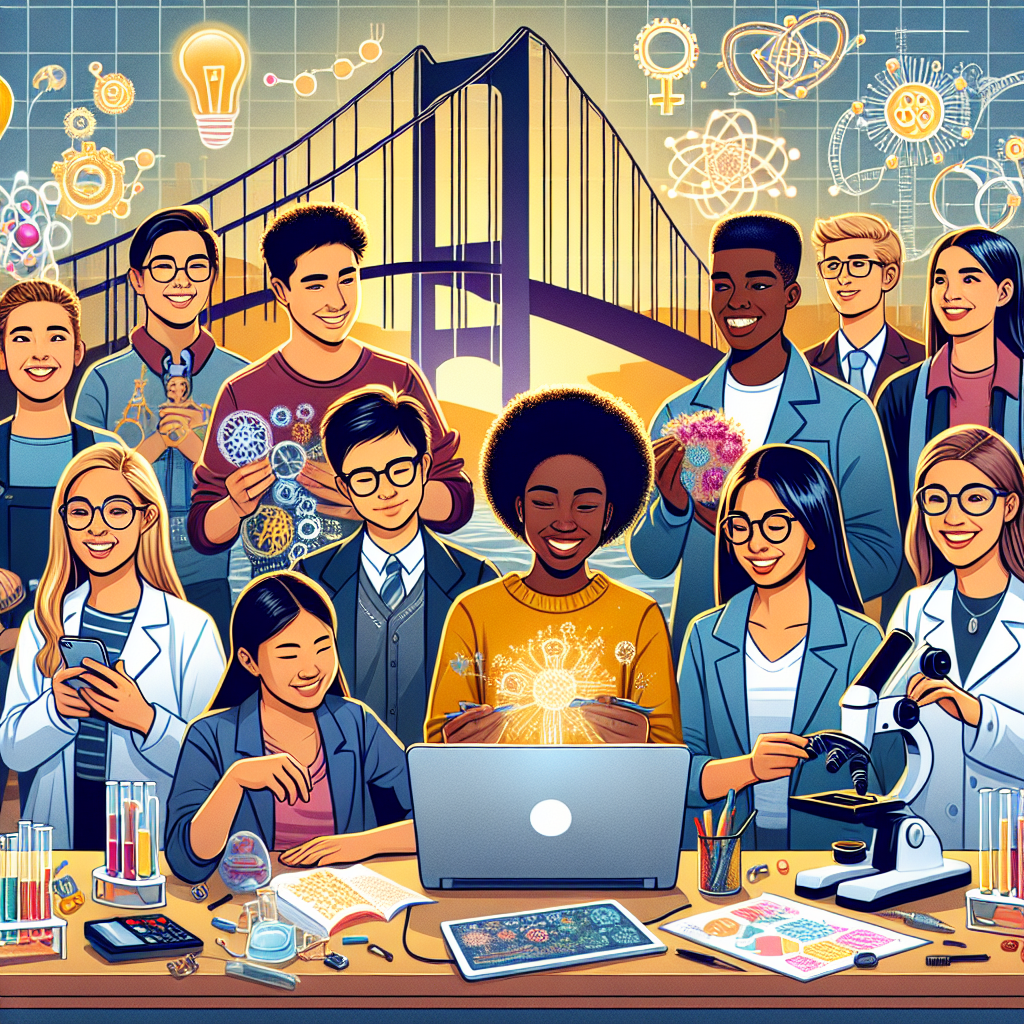
In a world where technological advancements shape our everyday lives, the urgency to confront gender inequality in STEM: bridging the divide for future generations has never been more pressing. Science, Technology, Engineering, and Mathematics are the backbone of modern innovation, and yet women remain profoundly underrepresented in these fields. Despite significant advocacy and awareness, the barriers persist, creating an urgent call to action. This article aims to delve into the systemic challenges women face in STEM, explore successful case studies, and offer actionable insights to inspire change.
Understanding Gender Inequality in STEM
The Current Landscape
Recent studies reveal that while women earn approximately half of all undergraduate degrees, they represent only about 28% of the workforce in STEM fields. This alarming discrepancy highlights not only a loss of potential talent but also a detrimental impact on innovation and progress.
The Root Causes: Societal and Cultural Barriers
Stereotypes and Societal Expectations
From a young age, children are bombarded with societal messages about what careers are suitable for them. Studies show that girls are less likely than boys to engage in hands-on STEM activities, partly due to ingrained stereotypes.
Educational Disparities
The educational landscape also plays a crucial role. Schools often lack the resources to foster an interest in STEM among girls. Teachers might unconsciously favor boys during discussions in STEM subjects, which can influence girls’ self-esteem and interest levels.
Case Studies: Success Against the Odds
Case Study 1: Girls Who Code
Initiative Overview: Founded in 2012, Girls Who Code aims to reduce the gender gap in technology by equipping young girls with coding skills. This nonprofit organization has reached over 300,000 girls through its summer immersion programs, clubs, and online resources.
Analysis
Girls Who Code exemplifies how targeted programs can effectively bridge the gap of gender inequality in STEM: bridging the divide for future generations. By fostering skills and confidence, this initiative not only prepares participants for careers in technology but also builds a supportive community.
Case Study 2: The STEMettes
Initiative Overview: Launched in the UK, the STEMettes is an organization dedicated to inspiring and supporting girls and young women to pursue careers in STEM fields. Through workshops, panel events, and mentorship programs, they have reached thousands of girls.
Analysis
The STEMettes teach tangible skills and inspire confidence, thus directly addressing both educational and societal barriers that contribute to gender inequality in STEM: bridging the divide for future generations. Their holistic approach combines mentoring with practical skill development, enabling young women to envision and pursue their future careers in STEM.
Overcoming Cultural Barriers
Challenging Stereotypes
To effectively tackle gender inequality in STEM, we must confront underlying stereotypes head-on. Campaigns that celebrate female figures in science, technology, and engineering can create role models for young girls.
Reimagining Educational Practices
Educational institutions must integrate gender-sensitive teaching practices. This includes:
- Encouraging Collaboration: Create group activities that foster teamwork and collaboration among boys and girls together.
- Mentorship Programs: Establish programs where older female students mentor younger ones, providing guidance and encouragement in STEM subjects.
Building a Supportive Community
Importance of Mentorship
Research shows that mentorship can play a key role in helping women navigate their careers. This is particularly true in STEM fields, where early guidance can lead to lifelong interest and participation.
Networking Opportunities
Creating spaces where women can network with industry leaders is essential. Organizations should regularly host events that provide platforms for women to meet potential employers, mentors, and peers who share similar aspirations.
Data-Driven Insights: The Statistics of Change
| Year | Percentage of Women in STEM | Notable Programs Initiated |
|---|---|---|
| 2015 | 24% | Launch of Girls Who Code |
| 2018 | 28% | Rise of STEMettes |
| 2021 | 31% | Expanding Women Who STEM |
Observations
The table illustrates an upward trend in women’s participation in STEM, demonstrating that proactive initiatives can significantly influence outcomes. However, the gap remains concerning, emphasizing the need for continual effort.
Conclusion: Inspiring Action
Gender inequality in STEM: bridging the divide for future generations is not just a women’s issue; it’s a societal issue. By empowering young girls through education, mentorship, and cultural change, we can create an inclusive environment that values diverse contributions.
The call to action is clear: we need to harness the collective power of individuals, educators, and organizations to inspire future generations. Each effort contributes to a more equitable and innovative future.
FAQs
1. What are the main barriers to women’s participation in STEM?
The main barriers include societal stereotypes, a lack of role models, limited access to resources, and educational disparities.
2. How can parents support their daughters in pursuing STEM?
Encouraging curiosity, facilitating access to STEM activities, and providing them with diverse role models can significantly enhance interest and confidence in STEM.
3. Are there scholarships available for women in STEM?
Yes, numerous scholarships are available specifically for women pursuing degrees in STEM fields. Organizations and universities often offer these to promote diversity.
4. What role do organizations play in closing the gender gap in STEM?
Organizations can provide mentorship, workshops, networking opportunities, and funding to support women and help them navigate career paths in STEM.
5. How can educational institutions make a difference?
By adopting gender-sensitive teaching practices, fostering mentorship programs, and creating inclusive curricula, educational institutions can significantly contribute to reducing gender inequality in STEM fields.
By collectively embracing education, mentorship, and community support, we can tackle gender inequality in STEM: bridging the divide for future generations. It’s time to take action and ignite the passion for STEM in all young minds, regardless of gender.


The PsyForU Editorial Collective is the research and editorial team of PsyForU Research International. The collective prepares educational, psychological, mental-health-awareness, inclusion, neurodiversity, and research-methodology content for students, parents, educators, researchers, and general readers. PsyForU content is intended for awareness, education, and capacity-building and should not be treated as clinical diagnosis, therapy, medical advice, legal advice, or emergency mental-health support.