


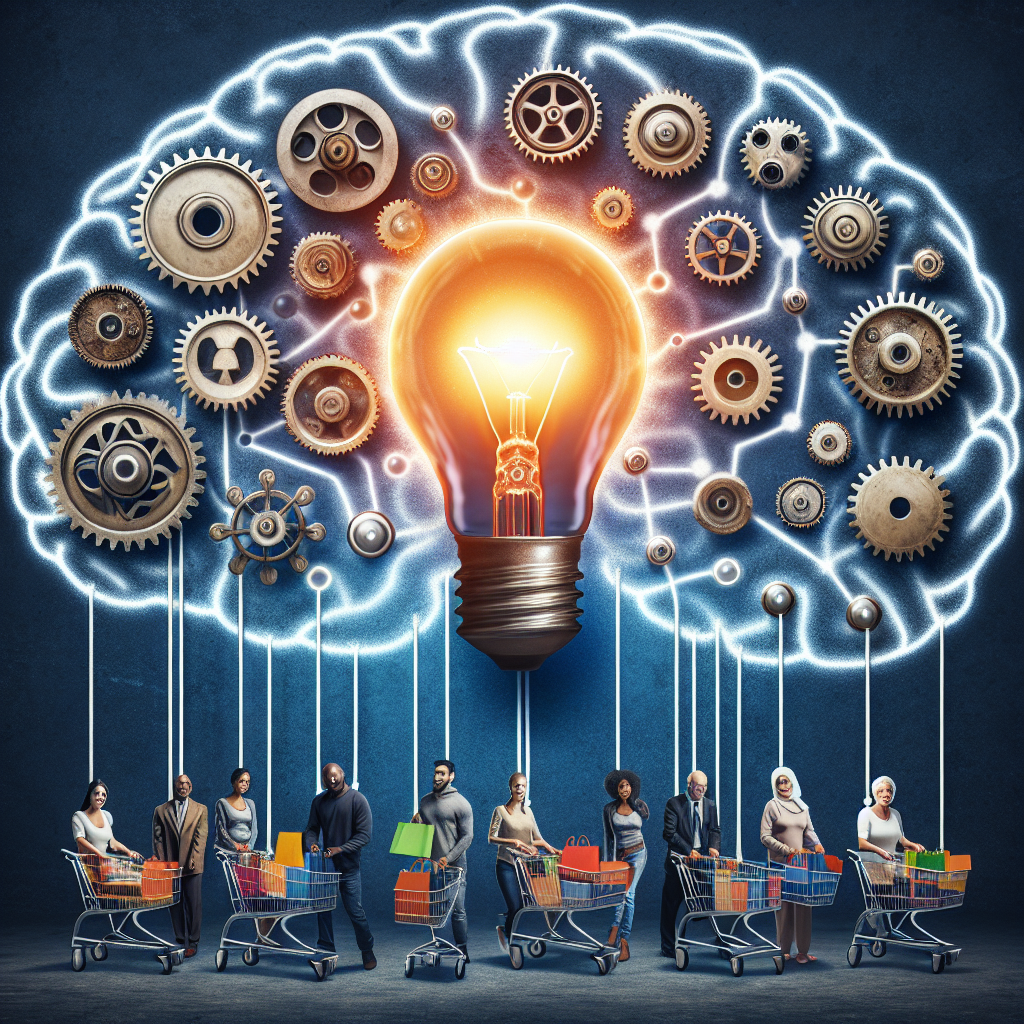
Harnessing Behavioral Psychology: Proven Strategies for Influencing Consumer Behavior Effectively
Introduction
In today’s hyper-competitive marketplace, understanding the intricacies of consumer behavior can make or break a brand. Amidst this complexity, the power of behavioral psychology offers invaluable insights into why consumers make decisions. By harnessing behavioral psychology: strategies for influencing consumer behavior effectively, businesses can tailor their marketing strategies, develop more impactful advertisements, and ultimately drive sales. This article dives deep into the fascinating relationship between psychology and consumer behavior, exploring actionable techniques and real-world case studies to arm marketers with the knowledge they need to succeed.
Understanding Behavioral Psychology in Marketing
The Basics of Behavioral Psychology
Behavioral psychology focuses on understanding the observable behaviors of individuals and how they are influenced by their environment. In marketing, this branch of psychology can be harnessed to predict consumer choices, optimize messaging, and create compelling experiences that resonate with potential buyers.
Importance of Emotional Connections
One of the key insights from behavioral psychology is the importance of emotional connections. Consumers often make decisions based not only on rational thoughts but also on feelings. Hence, integrating emotional appeals into marketing strategies can significantly impact consumer behavior.
Case Study: Coca-Cola’s Marketing Success
Coca-Cola’s “Share a Coke” campaign is a textbook example of harnessing behavioral psychology to influence consumer behavior. By personalizing bottles with individual names, they tapped into consumers’ emotional states—a desire for personal connection—that drove unprecedented sales. This campaign illustrates how affecting emotions can yield powerful results.
Strategies for Influencing Consumer Behavior
1. Utilize the Principle of Reciprocity
The principle of reciprocity states that when someone does something for you, you naturally want to return the favor. In marketing, this translates to offering free samples, trials, or valuable content.
Case Study: Dropbox
Dropbox successfully utilized this principle by providing free storage space to users who referred friends to the service. The initial freebie led to widespread sharing, drastically increasing their user base. This highlights the effectiveness of reciprocity in altering consumer behavior.
2. Create a Sense of Urgency
Urgency compellingly motivates consumers to act quickly, often prompting them to make faster purchasing decisions. Limited-time offers and countdown timers can incite a fear of missing out (FOMO), effectively driving conversions.
Case Study: Amazon Prime Day
Amazon’s Prime Day creates urgency with flash sales, leading to record-breaking sales performance. By making consumers feel they need to act NOW to benefit, they effectively shift behavior toward immediate purchases.
3. Leverage Social Proof
Humans are social creatures, often looking to others for cues on how to behave. Highlighting testimonials, reviews, and case studies can effectively utilize social proof to influence potential buyers.
Case Study: Airbnb
Airbnb’s model relies heavily on leveraging reviews and ratings from users, which builds trust and encourages new users to make a booking. This social proof significantly influences consumer decisions when selecting accommodations.
4. Appeal to Scarcity
Scarcity creates value; if something is perceived as limited, its desirability increases. Utilizing language that emphasizes scarcity—like “Only 2 left!”—can influence consumer behavior effectively.
Case Study: Nike’s Limited Edition Sneakers
When Nike releases limited edition sneakers, fans rush to purchase before they sell out. The scarcity drives both demand and sales, exemplifying how effective this strategy can be.
5. Optimize for Default Options
People tend to stick with default options due to inertia or the mental load of making a decision. By strategically setting defaults in pricing or features, businesses can gently guide consumer behavior.
Case Study: Uber’s Ride Options
Uber offers various ride options, with UberX often set as the default. This choice simplifies decision-making for consumers, who often go with the default rather than exploring alternatives, significantly impacting their behavior.
Understanding Cognitive Biases
The Halo Effect
The halo effect is a cognitive bias where the perception of one positive trait (like attractiveness) influences how people perceive other traits. Companies can leverage this by branding and positioning effectively.
Anchoring Effect
Consumers often rely heavily on the first piece of information encountered (the "anchor") when making decisions. By setting a higher-priced option first, marketers can make subsequent items appear more reasonably priced.
Framing Effect
This principle illustrates how choices can be presented in different ways to influence perceptions. For example, highlighting savings (e.g., “Save 30%”) instead of costs ($70) can positively affect purchase decisions.
Table: Key Behavioral Psychology Strategies and Their Impact
| Strategy | Description | Impact on Consumer Behavior |
|---|---|---|
| Principle of Reciprocity | Offering something for free | Increases referral and sharing behavior |
| Sense of Urgency | Creating a FOMO with limited-time offers | Drives faster purchasing decisions |
| Leverage Social Proof | Showcasing reviews and testimonials | Builds trust and encourages buying |
| Appeal to Scarcity | Highlighting limited quantities | Increases perceived value and desirability |
| Optimize for Default Options | Setting defaults in choice architecture | Guides consumer decisions with less friction |
Advanced Techniques for Profound Impact
A/B Testing for Insights
A/B testing allows marketers to compare two versions of content to see which performs better. This methodology is rooted in behavioral psychology, providing data-driven insights into what influences consumer behavior.
Personalization at Scale
By leveraging data analytics, businesses can provide personalized experiences to consumers. Tailored recommendations and emails based on past behavior can significantly increase engagement and conversions.
Gamification Elements
Integrating gamification elements such as rewards, points, and challenges encourage user interaction and loyalty. This taps into inherent psychological motivators, making users feel more connected and engaged with a brand.
Conclusion
Harnessing behavioral psychology: strategies for influencing consumer behavior effectively is not just an academic exercise; it has tangible implications for businesses seeking growth. By tapping into emotional connections, leveraging social proof, and utilizing cognitive biases, marketers can create campaigns that resonate deeply with their audience.
Motivational Takeaway
Regardless of industry, every marketer can implement these strategies to better understand their consumers and influence their decision-making effectively. As the landscape continues to evolve, those who prioritize psychological insights will outperform their competitors and create lasting connections with their customers.
FAQs
1. How does behavioral psychology apply to consumer behavior?
Behavioral psychology helps understand and predict consumers’ actions by analyzing how environmental and emotional factors influence their decisions.
2. What is the role of emotional connections in marketing?
Emotional connections impact consumer choices by creating a sense of trust and relatability, encouraging customers to form brand loyalty.
3. How can I create a sense of urgency in my marketing?
You can create urgency through limited-time offers, countdowns, or alerts about scarcity to prompt customers to act quickly.
4. Why is social proof important in marketing?
Social proof builds credibility and trust, persuading consumers to follow the behavior of others, leading to increased sales.
5. Can A/B testing really help in understanding consumer preferences?
Yes, A/B testing provides data-driven insights into what resonates with consumers, enabling marketers to make informed decisions and refine their strategies.
By adopting these insights and leveraging the power of behavioral psychology, you can substantially influence consumer behavior effectively, leading to better engagement and increased sales. Harnessing behavioral psychology: strategies for influencing consumer behavior effectively is the key to succeeding in the rapidly changing business landscape.

