


Introduction
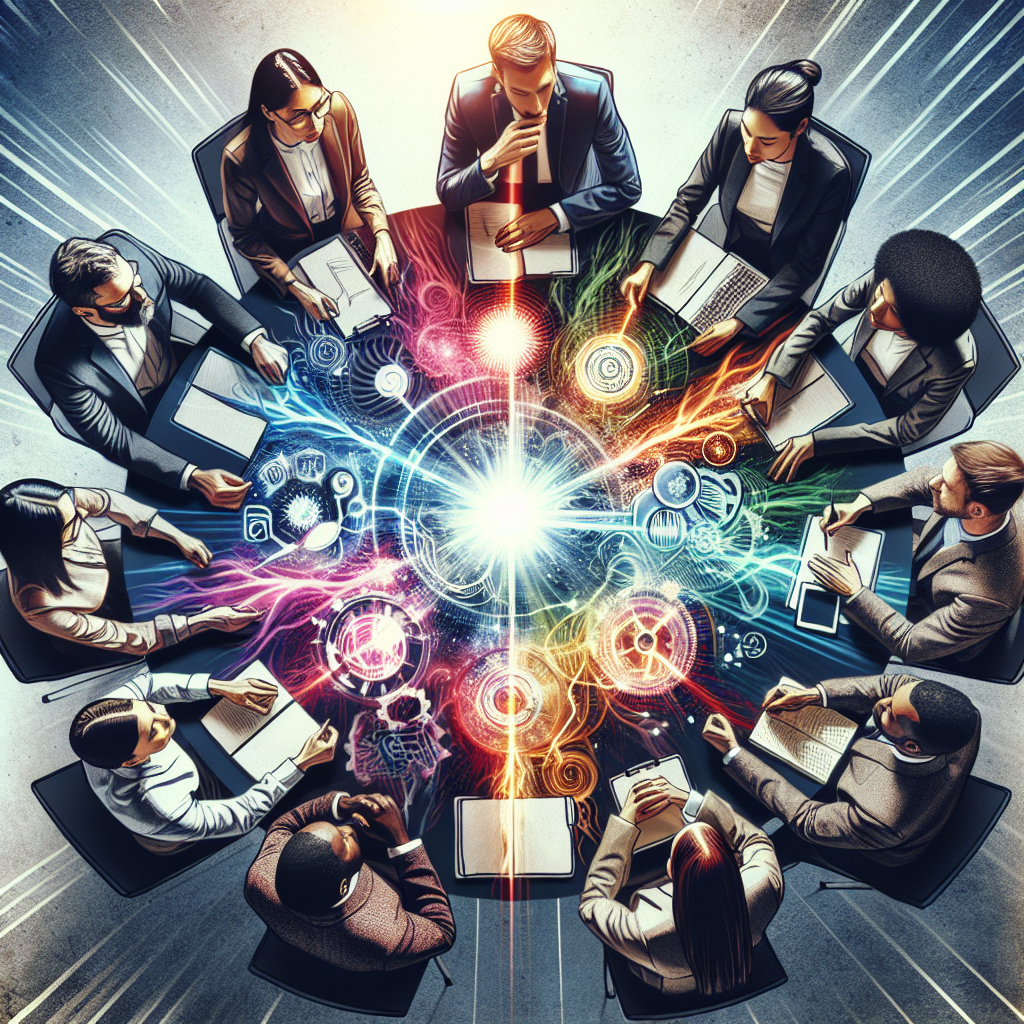
In an increasingly interconnected world, the dynamics of collaboration are changing. Organizations are no longer confined to local talents; they now thrive on a tapestry of voices and experiences. Harnessing the power of diversity: multicultural competence in team dynamics is no longer just a buzzword; it’s an essential strategy for success. The richness of varying backgrounds, perspectives, and ideas can propel organizations beyond mere functionality, fostering innovation and enhancing problem-solving capabilities.
In this article, we will delve into the principles of multicultural competence, the value of diverse teams, and actionable strategies for leaders to foster inclusive environments. With compelling case studies and practical insights, we aim to equip you with the knowledge required to harness diversity effectively.
The Essence of Multicultural Competence
What is Multicultural Competence?
Multicultural competence refers to the ability of individuals or teams to understand, respect, and effectively engage with individuals from diverse cultural backgrounds. This includes proficiency in communication, emotional intelligence, and a strong sense of openness.
Why It Matters
-
Innovation and Creativity: Diverse teams are more likely to think outside the box. A mix of cultural perspectives leads to a kaleidoscope of ideas, stimulating creativity.
-
Market Reach: Organizations with multicultural competence often resonate better with diverse clientele, enhancing customer empathy and market penetration.
- Employee Engagement: Inclusive environments lead to higher retention rates and job satisfaction. Employees feel valued for their unique contributions.
The Business Case for Diversity
The statistics supporting the claim that diversity drives business success are compelling:
- Companies with diverse teams have experienced a 17% higher performance in decision-making.
- Organizations in the top quartile for gender diversity are 21% more likely to outperform on profitability.
Table 1: The Impact of Diversity on Business Performance
| Metric | High Diversity Teams | Low Diversity Teams |
|---|---|---|
| Decision-Making Performance | +17% | – |
| Profitability | +21% | – |
| Employee Retention Rate | 75% | 50% |
This data underscores the importance of harnessing the power of diversity: multicultural competence in team dynamics.
The Role of Leadership in Championing Diversity
Building a Culture of Inclusion
Effective leadership is paramount in shaping an inclusive environment. Leaders must not just advocate for diversity but actively create mechanisms that promote it.
Strategies for Leaders
-
Intercultural Training: Equip your team with the necessary skills to engage in culturally sensitive dialogues.
-
Mentorship Programs: Pair diverse employees with leaders to promote career development and enhance cultural awareness.
- Feedback Mechanisms: Create channels where employees can voice concerns or suggestions related to diversity.
Case Study: Google’s Commitment to Diversity
Google has long championed the cause of diversity. The company’s "Diversity Annual Report" shows a commitment to transparency and continuous improvement. They launched the "Project Aristotle" initiative, which analyzed team performance and concluded that psychological safety was more critical than all other factors. Google has since focused on fostering an environment where diverse voices can freely contribute.
Analysis: This case exemplifies how organizations can leverage data to support the notion that harnessing the power of diversity: multicultural competence in team dynamics is crucial for fostering creativity and innovation.
Techniques for Enhancing Multicultural Competence
Effective Communication Strategies
Misunderstandings can easily arise in multicultural teams. Here are strategies to enhance communication:
-
Active Listening: Encourage team members to listen intently. This builds trust and helps prevent conflicts.
- Cultural Sensitivity Training: Engage employees in workshops that promote understanding and appreciation of different cultural norms.
Embracing Conflict as a Growth Tool
Conflict is often viewed negatively, but when managed effectively, it can lead to growth. Teams should view disagreements as opportunities to engage in constructive dialogue.
Technology as an Ally
Leveraging Tools for Collaboration
With the advent of technology, virtual teamwork has become the norm. Tools like Slack, Microsoft Teams, and Zoom provide platforms that enable diverse teams to collaborate seamlessly.
Advantages of Technology
- Global Talent Access: Organizations can tap into a varied talent pool, hiring the best fit irrespective of geographical constraints.
- Real-Time Collaboration: Technology allows for instantaneous communication, ensuring that all team members, regardless of background, have equal access to information.
The Ripple Effect on Team Dynamics
Psychological Safety and Trust
Creating an environment where team members feel safe to express their ideas is crucial. When employees see that their contributions are valued, it fosters trust.
Celebrating Differences
Encourage team members to share their cultural backgrounds. This not only enriches the team’s experience but also strengthens interpersonal relationships.
Conclusion
In summary, harnessing the power of diversity: multicultural competence in team dynamics is an essential pursuit for any organization aiming for sustainable success. Embracing diversity enriches the workplace, enhances creativity, improves problem-solving abilities, and ultimately drives profitability.
As we move forward, let us embrace the unique experiences and perspectives that each individual brings to the table. Actionable insights can transform your organization’s culture into one that treasures inclusion and collaboration.
Takeaway
Every team member plays a pivotal role in fostering an atmosphere of mutual respect and understanding. By prioritizing multicultural competence, you empower your team to achieve extraordinary outcomes.
FAQs
1. What is the difference between diversity and multicultural competence?
Diversity refers to the presence of differences within a given setting, while multicultural competence is the ability to interact effectively with individuals from diverse backgrounds.
2. Why is multicultural competence important in the workplace?
It enhances creativity, improves employee satisfaction, and allows for better market insights, leading to improved business performance.
3. How can organizations measure the effectiveness of diversity initiatives?
Organizations can track performance metrics, employee engagement surveys, and turnover rates. Feedback from employees can also provide insights into the climate of inclusion.
4. What role does training play in multicultural competence?
Training develops awareness and understanding of cultural differences and equips employees with the skills to communicate effectively across cultures.
5. How can leaders promote an inclusive culture?
Leaders can champion diversity through transparency, offering mentorship programs, and fostering a safe environment for open discussions.
By investing in multicultural competence, your organization can unlock its full potential, creating dynamic and resilient teams ready to tackle the challenges of today and tomorrow.


The PsyForU Editorial Collective is the research and editorial team of PsyForU Research International. The collective prepares educational, psychological, mental-health-awareness, inclusion, neurodiversity, and research-methodology content for students, parents, educators, researchers, and general readers. PsyForU content is intended for awareness, education, and capacity-building and should not be treated as clinical diagnosis, therapy, medical advice, legal advice, or emergency mental-health support.