


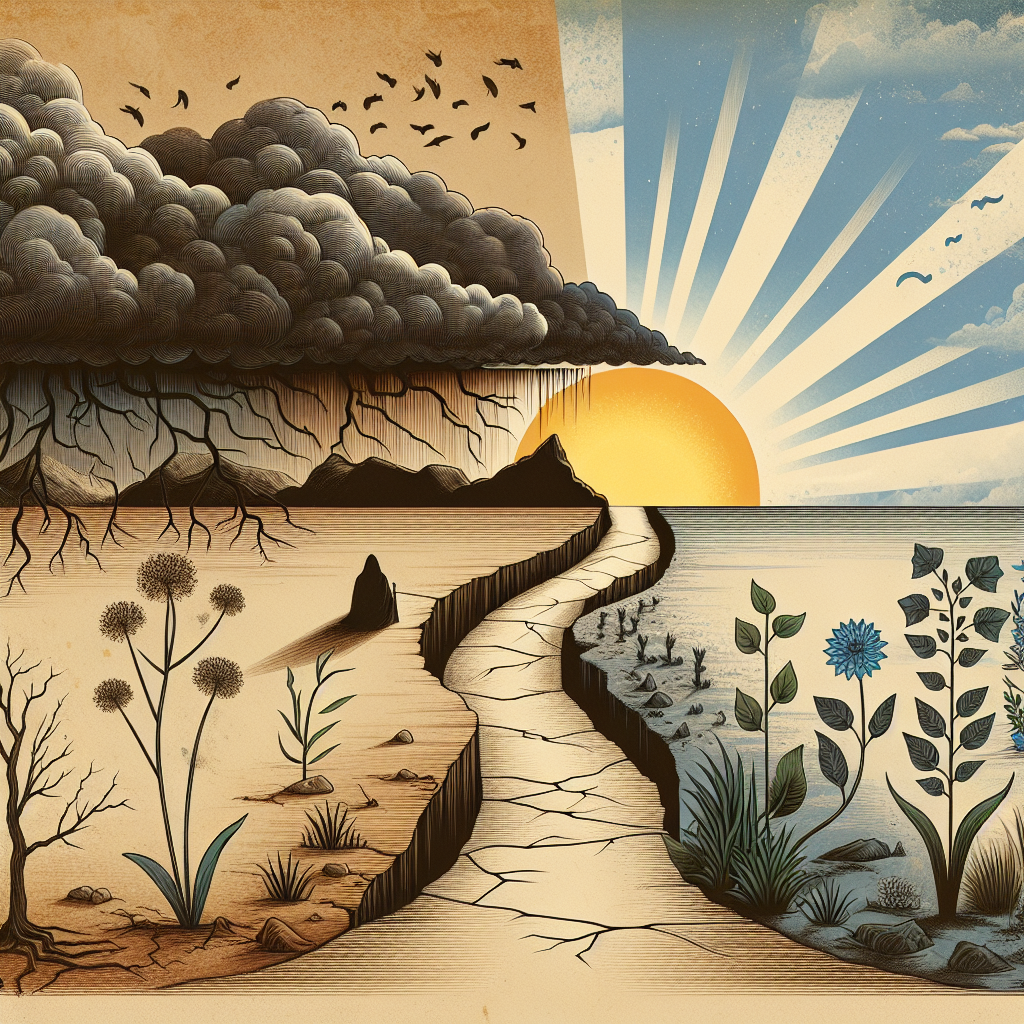
Healing the Hurt: The Essential Path from Trauma to Mental Wellness
Introduction
Trauma can leave invisible scars that affect every aspect of an individual’s life. Whether it stems from a personal loss, relationship difficulties, or significant life changes, the impact of trauma can reverberate through one’s emotional and physical well-being. Yet, the journey of healing is not only possible—it’s also profoundly transformative. In this article, we’ll explore "Healing the Hurt: The Path from Trauma to Mental Wellness," delving into powerful insights, actionable steps, and inspiring case studies that illuminate this deeply crucial journey.
Understanding Trauma
What is Trauma?
Trauma is an emotional response to a deeply distressing or disturbing event. It can manifest in various forms—physical, emotional, psychological, and social. Traumatic experiences can range from childhood neglect to combat experiences, and the fallout can often feel insurmountable.
The Body’s Response to Trauma
The human body has an innate response to danger known as the "fight or flight" mechanism. While this response is crucial for survival in acute situations, it can leave lasting effects when activated in situations of chronic trauma. Understanding these biological reactions is important for the journey toward healing.
Types of Trauma
- Acute Trauma: Results from a single event
- Chronic Trauma: Results from repeated and prolonged exposure to traumatic events
- Complex Trauma: Involves exposure to multiple traumatic events, particularly invasive interpersonal traumas
Healing Begins with Acknowledgment
The Importance of Identifying Trauma
Acknowledgment is the first step in the healing process. Understanding the source of pain allows individuals to confront rather than avoid their trauma. By recognizing and naming the hurt, you open the door to healing.
Case Study: Sarah’s Journey
Sarah experienced emotional neglect in her childhood, leading her to develop anxiety and depression in her adult life. Through therapy, she learned that acknowledging her past trauma was pivotal in reclaiming her narrative. By articulating her feelings and experiences, Sarah embarked on a road toward healing that changed her life.
Analysis of Sarah’s Experience
Sarah’s story illustrates that confronting painful memories can be the catalyst for significant mental wellness improvement. Her experience reveals the crucial role that therapy plays in helping individuals identify and articulate their trauma.
Pathways to Healing
Therapeutic Approaches
-
Cognitive Behavioral Therapy (CBT): A structured, goal-oriented psychotherapy that helps individuals understand the connections between thoughts, feelings, and behaviors.
-
Eye Movement Desensitization and Reprocessing (EMDR): A therapy method specifically designed to alleviate distress associated with traumatic memories.
- Mindfulness-Based Therapy: Focuses on being present and aware of thoughts and feelings without judgment.
Building a Support System
Encouragement from friends, family, or support groups can create a secure environment for healing. Surrounding oneself with understanding individuals fosters resilience.
Case Study: Mark’s Support System
Mark, a combat veteran, struggled to reintegrate after returning home. Through a veterans’ support group, he found camaraderie with others who had shared similar experiences. This sense of belonging played a crucial role in his mental wellness.
Analysis of Mark’s Experience
Mark’s story highlights the power of community and shared experiences in trauma recovery. It demonstrates that healing from trauma doesn’t have to happen in isolation.
The Role of Self-Care
Prioritizing Mental Health
Prioritizing mental health through routines that promote well-being is essential. Simple daily activities like journaling, meditation, and exercise contribute significantly to emotional resilience.
| Self-Care Activity | Benefits |
|---|---|
| Journaling | Clarifies thoughts and emotions |
| Meditation | Reduces stress and anxiety |
| Physical Activity | Increases endorphin levels |
Case Study: Jenna’s Self-Care Routine
After facing a life-altering event, Jenna adopted a self-care routine that included yoga and journaling. Over time, these practices helped her reconnect with her body and emotions, paving a smoother path toward healing.
Analysis of Jenna’s Experience
Jenna’s experience emphasizes the significance of self-care in the context of healing the hurt. Her journey illustrates how holistic practices can create lasting positive changes in one’s mental health.
The Importance of Lifestyle Changes
Nutrition and Mental Wellness
A proper diet plays an essential role in mental wellness. Foods rich in omega-3 fatty acids, antioxidants, and vitamins can improve mood and cognitive function.
Exercise and Emotional Resilience
Exercise releases endorphins, which serve as natural mood lifters. Regular physical activity can mitigate stress, anxiety, and depression.
Case Study: Tom’s New Lifestyle
Tom, who dealt with chronic depression, began to change his eating habits and adopt a regular exercise regimen. Within a few months, he experienced noticeable changes in his mood and energy levels.
Analysis of Tom’s Experience
Tom’s transformation illustrates the interconnectedness of physical health and mental wellness. It reinforces the message that comprehensive healing involves both mind and body.
The Role of Mindfulness in Healing
Practicing Mindfulness
Mindfulness practices help individuals stay anchored in the present moment, allowing them to observe thoughts and feelings without judgment. This can be particularly beneficial for those processing trauma.
Benefits of Mindfulness
Research shows that mindfulness techniques can lead to reduced symptoms of anxiety and depression, enhancing overall emotional resilience.
Case Study: Lily’s Mindfulness Journey
Lily turned to mindfulness meditation after struggling with overwhelming feelings of anxiety. Through consistent practice, she found herself better equipped to deal with stressful situations.
Analysis of Lily’s Experience
Lily’s commitment to mindfulness showcases the practice’s effectiveness in building coping mechanisms against trauma-related difficulties. Her story underscores mindfulness’s potential as a tool for emotional healing.
Long-Term Strategies for Mental Wellness
Maintaining Progress
Healing from trauma is a journey, not a destination. Establishing and maintaining healthy habits is vital for long-term mental wellness.
The Value of Professional Guidance
Continuing to seek therapy or counseling can be extremely beneficial for ongoing healing and support.
Forgiveness and Letting Go
Understanding that forgiveness—whether it’s for oneself or others—is often necessary for emotional freedom can be a powerful part of healing.
Conclusion
Healing the hurt from trauma is a multifaceted journey that involves acknowledgment, professional help, self-care, community support, and ongoing personal growth. While the road may be long and winding, the destination offers a profound sense of freedom and resilience. By embracing methods that resonate personally—whether they be mindfulness, therapy, or lifestyle changes—individuals can reclaim their mental wellness and thrive.
Embrace the journey toward healing, and remember: healing the hurt is possible, and you are not alone on this path.
FAQs
What is trauma?
Trauma is an emotional response to distressing events that can affect mental, emotional, and physical well-being.
How can I identify if I have unresolved trauma?
Signs might include persistent anxiety, depression, flashbacks, or avoidance of reminders of the trauma.
What therapeutic approaches are effective for healing trauma?
Cognitive Behavioral Therapy (CBT), Eye Movement Desensitization and Reprocessing (EMDR), and mindfulness-based techniques are commonly effective.
How important is self-care in healing?
Self-care is crucial; it promotes well-being and can significantly enhance emotional resilience.
Is long-term therapy required for trauma recovery?
While not always necessary, many find ongoing therapy helpful in navigating the complexities of trauma recovery.
In sum, embarking on the "Healing the Hurt: The Path from Trauma to Mental Wellness" is an empowering journey. With the right tools, support, and mindset, healing is not just a possibility but a reality waiting to be realized.

