


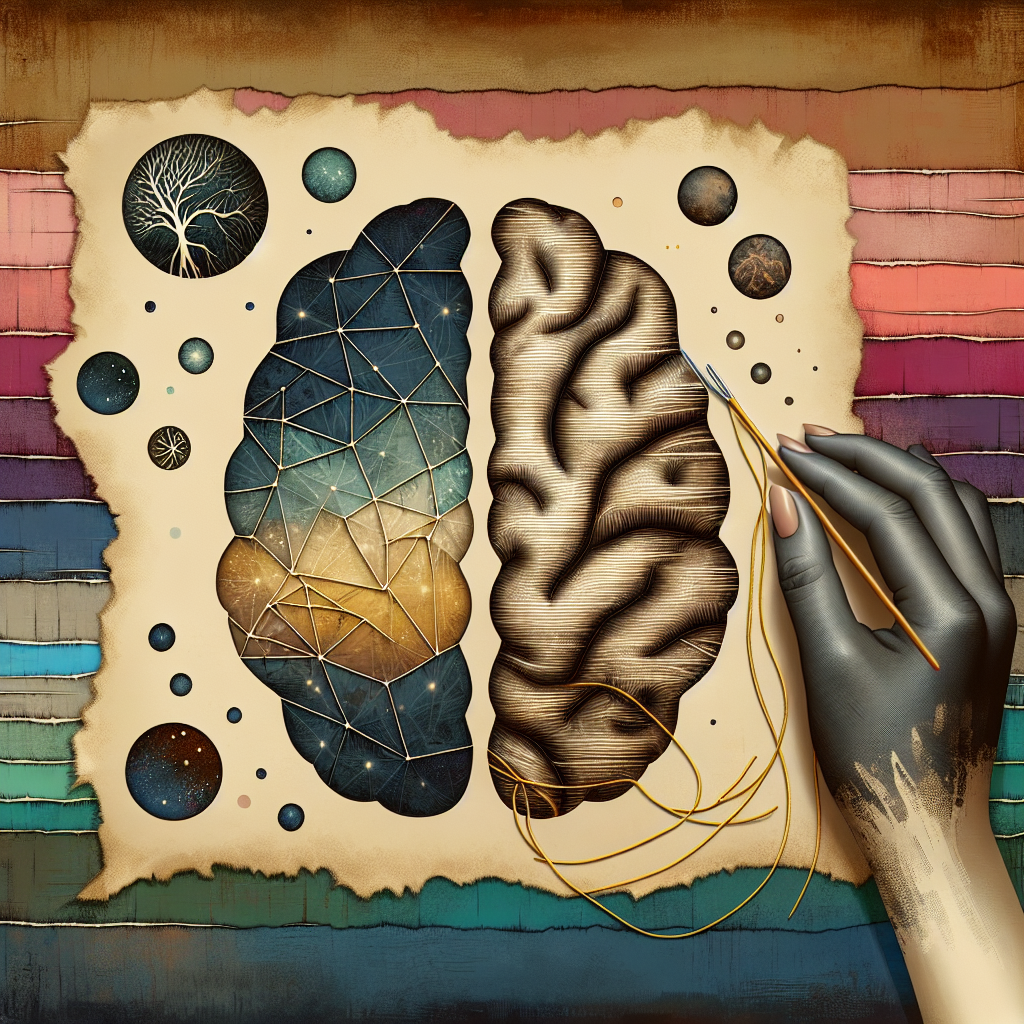
Healing the Wounds: How Early Trauma Influences Adult Mental Health
Introduction
Did you know that adverse experiences in childhood can echo throughout your entire adult life? The reality is that our early interactions—be it through familial relationships, educational settings, or social landscapes—shape the lens through which we view the world. This article, "Healing the Wounds: How Early Trauma Influences Adult Mental Health," aims to explore the profound impact of early trauma and provides insights into steps you can take toward healing. As we journey through this subject, we’ll delve into case studies, explore data, and offer actionable advice to inspire healing and personal growth.
Understanding Early Trauma
What is Early Trauma?
Early trauma refers to adverse experiences that occur during childhood, often before one reaches the age of 18. This could include emotional, physical, or sexual abuse, neglect, or even the loss of a parent. These experiences can create deep emotional and psychological scars that manifest later in life.
The Science Behind Trauma
The impact of trauma is often studied through the lens of developmental psychology and neuroscience. Research indicates that trauma can alter brain development, affecting areas responsible for emotional regulation, stress response, and even cognitive function. For instance, studies have shown that children exposed to trauma often exhibit higher levels of cortisol, the stress hormone, which can lead to dysregulation of emotions in adulthood.
The Lifelong Implications of Early Trauma
Emotional Regulation and Attachment Styles
Case Study 1: Sarah’s Story
At age 7, Sarah experienced emotional neglect. Her parents were frequently preoccupied with their own issues and failed to provide emotional support. As an adult, Sarah found herself in turbulent relationships, often feeling anxious and unworthy.
Analysis: Sarah’s story illustrates how early emotional neglect contributes to insecure attachment styles—feelings of anxiety and fear of abandonment often surface in relationships. Understanding this connection between early trauma and adult relationships can guide healing processes.
Anxiety and Depression
Early trauma is scientifically linked to mental health disorders in adulthood. Data from the ACE (Adverse Childhood Experiences) study reveal a direct correlation between the number of traumatic experiences in childhood and the likelihood of experiencing anxiety, depression, and other mood disorders later in life.
Table 1: Correlation Between ACE Scores and Adult Mental Health Issues
| ACE Score | Likelihood of Depression (%) | Likelihood of Anxiety (%) |
|---|---|---|
| 0 | 10 | 5 |
| 1 | 20 | 10 |
| 2 | 30 | 20 |
| 3+ | 50 | 40 |
The Road to Healing
Recognizing the Problem
Before embarking on the journey of healing, it’s vital to recognize the impact that early trauma has on mental health. Awareness can act as the first step in addressing deep-seated emotional wounds.
Therapy and Counseling
Case Study 2: John’s Journey Through Therapy
John was a survivor of childhood abuse. In his late twenties, he sought therapy after battling depression and substance abuse. Through cognitive-behavioral therapy (CBT), John began to challenge and reframe his negative beliefs developed in childhood.
Analysis: John’s journey underscores the importance of therapeutic intervention. Therapy offers tools and strategies that help individuals process trauma, helping them to heal and move forward.
Mindfulness and Self-Care
Incorporating mindfulness practices can tremendously aid in healing. Techniques such as meditation, yoga, and journaling encourage users to connect with their emotions and foster self-compassion.
Building Healthy Relationships
As we heal from our past, it’s essential to cultivate supportive and healthy relationships. This means setting boundaries, communicating effectively, and choosing companions who foster positivity.
Lifestyle Changes
Data Insight: Research suggests that lifestyle factors—such as diet, exercise, and sleep—can significantly affect mental health. Studies consistently show that physical activity, in particular, plays a crucial role in managing anxiety and depression.
Conclusion
In conclusion, "Healing the Wounds: How Early Trauma Influences Adult Mental Health" reveals that our early experiences can have lasting effects on our mental health. However, understanding this connection is the first step in the healing process. Whether it involves therapy, mindfulness, or lifestyle changes, it’s never too late to begin your journey towards emotional well-being. Remember, healing is not a sprint; it’s a marathon.
Moving Forward
Every individual has a unique story shaped by their past. Yet, embracing that story and taking charge of the healing process can lead to transformation and empowerment. The journey might be long and filled with ups and downs, but take heart—healing is possible.
FAQs
1. How do I know if I have experienced early trauma?
You might have experienced early trauma if you often feel anxiety, sadness, or a sense of unworthiness. Reflecting on your childhood experiences—and seeking guidance from a mental health professional—can provide further clarity.
2. Can early trauma be healed?
Yes, early trauma can be healed through therapy, self-care, and supportive relationships. Many individuals find hope and healing by addressing their past experiences.
3. What role does therapy play in healing from trauma?
Therapy provides tools and frameworks to help individuals process trauma. It allows for a safe space to explore emotions and develop coping strategies.
4. Are there specific types of therapy that work best for trauma?
Cognitive-behavioral therapy (CBT), EMDR (Eye Movement Desensitization and Reprocessing), and trauma-focused therapy are all effective options. It’s essential to find a qualified professional who matches your needs.
5. What practical steps can I take to start healing today?
- Journaling: Write down your thoughts and feelings.
- Mindfulness: Practice meditation or deep breathing.
- Physical Activity: Engage in regular exercise.
- Seek Support: Talk to someone you trust or consider joining a support group.
In "Healing the Wounds: How Early Trauma Influences Adult Mental Health," we’ve explored how our past shapes our present and the pathways to transformation. May you find the courage to embark on this journey and restore your well-being.

