


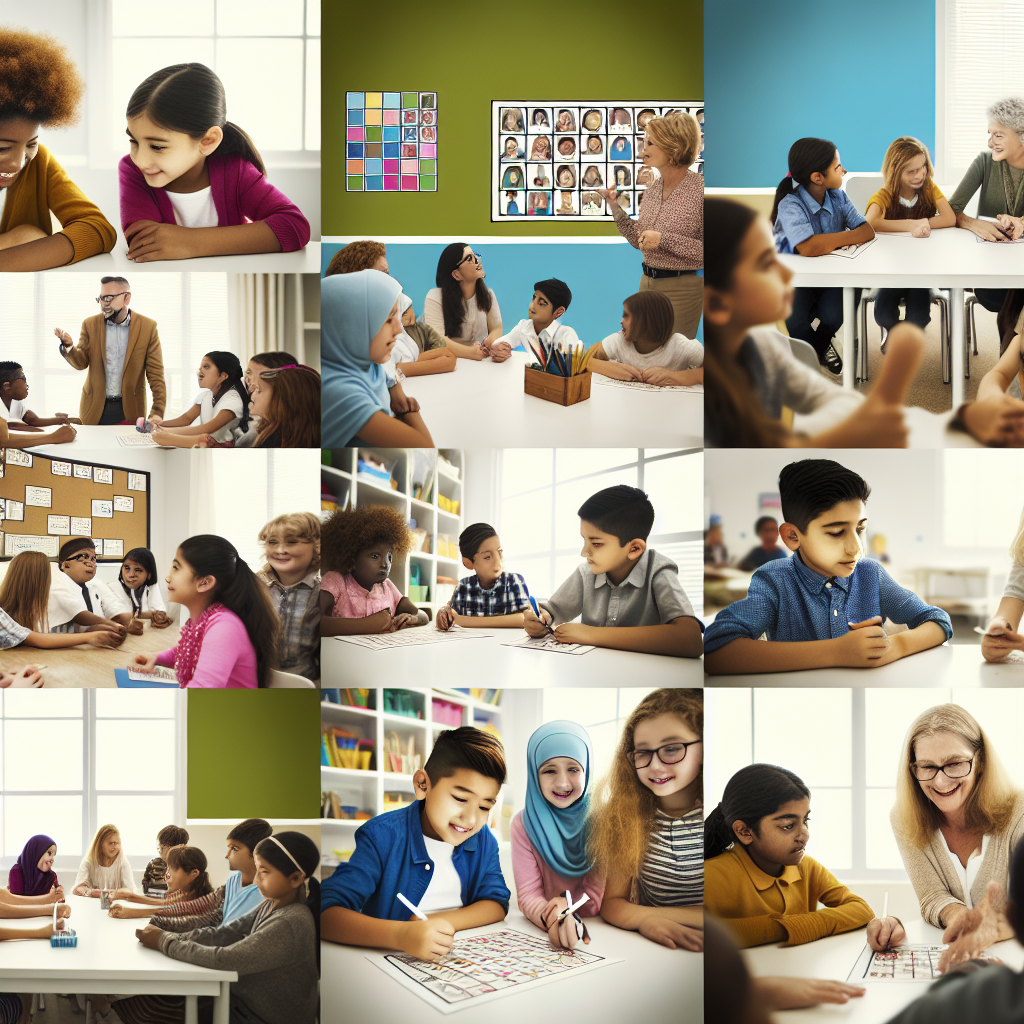
Unlocking Potential: Essential Best Practices for Collaborative Learning and Engagement in Inclusive Classrooms
Introduction
In today’s diverse educational landscape, the phrase “inclusive classrooms” represents more than just a trend; it embodies a fundamental shift toward embracing all learners, irrespective of their abilities or backgrounds. An effective inclusive classroom isn’t merely about accommodating various needs; it is a robust environment that fosters collaborative learning and engagement, thereby nurturing respect and teamwork. This article delves into Inclusive Classrooms: Best Practices for Collaborative Learning and Engagement, offering you invaluable insights and strategies to create a more welcoming and effective learning atmosphere.
The Importance of Inclusive Classrooms
Inclusive classrooms are pivotal for students’ growth, not only academically but also socially and emotionally. By promoting collaboration and engagement in inclusive settings, educators can foster an atmosphere where students feel safe, respected, and motivated to participate. The benefits extend beyond individual development—essentially building a compassionate community in which all members learn from one another.
Understanding the Foundations of Inclusive Classrooms
To implement successful inclusive practices, it’s vital to understand the key elements that comprise an inclusive classroom.
Differentiation: Meeting Diverse Needs
Differentiation involves tailoring instruction to meet varied learning styles and paces. Teachers can implement differentiated instruction by:
- Modifying Assignments: Offering choices in projects based on students’ interests and abilities.
- Flexible Grouping: Creating dynamic groups based on task and need rather than fixed ability levels.
Case Study Example: Johnson School District
At Johnson School District, teachers employed differentiated instruction strategies in their kindergarten classrooms. By providing learning centers tailored to various skill levels, all students showed improved engagement and understanding of concepts—illustrating how differentiation can lead to successful collaborative learning.
Universal Design for Learning (UDL)
UDL is a framework that helps educators design learning experiences to accommodate diverse learners. By emphasizing flexibility and accessibility, UDL supports all students’ needs. Key principles include:
- Multiple Means of Engagement: Varying motivation strategies to tap into students’ interests.
- Multiple Means of Representation: Presenting information in various formats.
Table 1: UDL Principles and Strategies
| UDL Principle | Strategy |
|---|---|
| Multiple Means of Engagement | Incorporating gamified elements |
| Multiple Means of Representation | Using visual aids, videos, and texts |
Fostering a Culture of Respect and Inclusion
Creating an inclusive classroom also involves cultivating a culture where respect is paramount. Establishing values that celebrate diversity can enhance collaborative learning. Educators should:
- Model Inclusive Language: Use language that affirms all identities and promotes positive interactions.
- Encourage Peer Support: Promote programs or pairings that can help students learn to support one another.
Case Study Example: Lincoln Middle School
Lincoln Middle School implemented a peer mentoring program, pairing students with different abilities. The result? An increase in supportive peer relationships and enhanced social skills, showcasing the power of respect in collaboration.
Engaging Students: Best Practices in Action
To truly harness the power of Inclusive Classrooms: Best Practices for Collaborative Learning and Engagement, educators must actively employ various methods and strategies to engage students effectively.
Collaborative Learning Strategies
Collaborative learning is at the core of inclusive education; it allows students to work together, fostering a sense of community. Strategies include:
- Project-Based Learning (PBL): Students work together on projects that require critical thinking, problem-solving, and teamwork.
- Gallery Walks: Students display their work and learn from peers through interactive exhibitions.
Case Study Example: Maple High School
Maple High School adopted PBL as a strategy for its science curriculum. Students engaged in real-world projects, leading to a noticeable increase in collaboration and peer learning. The school witnessed heightened interest in science as students learned from one another’s strengths and ideas.
Technology Integration
Technology can be a game changer in inclusive classrooms. Tools like interactive whiteboards, educational apps, and collaborative online platforms foster interaction and engagement. For example:
- Digital Platforms: Tools like Google Classroom enable students to collaborate on assignments in real-time.
- Assistive Technology: Devices that support students with specific needs can level the playing field.
Encouraging Student Voice
Empowering students by giving them a voice in their education enhances engagement in inclusive classrooms. Strategies include:
- Choice Boards: Allowing students to choose tasks based on their interests.
- Feedback Sessions: Regularly collecting student input on lesson effectiveness promotes a sense of ownership.
Measuring Success: Assessing Engagement and Collaboration
To ensure the practices you implement in your inclusive classroom are effective, it’s essential to evaluate student engagement and collaboration. Assessment can take many forms:
Formative Assessment Techniques
- Check-Ins: Regularly meet with students to discuss their learning processes and address any challenges.
- Peer Assessments: Encourage students to provide feedback on each other’s contributions to collaborative tasks.
Surveys and Feedback
Anonymous surveys or suggestion boxes can provide crucial insights into student perceptions of inclusivity and engagement.
Table 2: Assessment Tools
| Assessment Type | Purpose |
|---|---|
| Formative Assessment | Monitor ongoing student understanding |
| Peer Assessment | Cultivate collaboration and feedback |
| Surveys | Gauge student perception of the classroom environment |
Challenges and Solutions
While the benefits of inclusive classrooms are clear, challenges often arise. Understanding these challenges and providing viable solutions forms a crucial aspect of successful teaching practices.
Resistance to Change
Educators may be accustomed to traditional teaching methods, which can cause reluctance to implement inclusive strategies. Solutions include:
- Professional Development: Offering workshops on inclusive practices can encourage growth and adaptation.
- Sharing Success Stories: Highlighting successes from peers can inspire others to embrace change.
Resource Constraints
Limited resources can hinder the implementation of inclusive practices. Solutions include:
- Leveraging Community Partnerships: Collaborating with local organizations can provide additional support and resources.
- Grant Opportunities: Seeking out funding sources dedicated to education improvement can provide financial support.
Conclusion
The journey toward establishing effective Inclusive Classrooms: Best Practices for Collaborative Learning and Engagement requires dedication, adaptation, and a commitment to fostering a supportive and thriving educational environment. By embracing key strategies such as differentiation, universal design for learning, and collaborative approaches, educators can unlock every student’s potential, cultivating a classroom where diversity is celebrated, and learning flourishes.
As we move forward, remember that implementing these best practices not only enriches student experiences but also builds the foundational skills necessary for thriving in a diverse world. The future of inclusive classrooms begins with you—have the courage to foster collaborative learning, engage every student, and create an environment where everyone belongs.
Frequently Asked Questions (FAQs)
1. What are the key components of an inclusive classroom?
Answer: Key components include differentiated instruction, universal design for learning, a culture of respect, and collaborative learning strategies that foster student engagement.
2. How can educators foster collaboration among students with different abilities?
Answer: Educators can use flexible grouping, peer mentoring programs, and project-based learning to encourage collaboration and ensure that all students contribute meaningfully to group activities.
3. What role does technology play in inclusive classrooms?
Answer: Technology enhances engagement and collaboration by providing diverse learning tools and resources, facilitating real-time interaction, and supporting students with varying needs through assistive technology.
4. How can I assess student engagement in an inclusive classroom?
Answer: Utilize formative assessments, peer evaluations, and surveys to gauge student engagement, understanding, and perceptions of the inclusive environment.
5. What strategies can help overcome resistance to inclusive practices?
Answer: Providing professional development, sharing peer success stories, and fostering a supportive community environment can help alleviate resistance to change among educators.
6. What are the benefits of collaborative learning for all students?
Answer: Collaborative learning enhances critical thinking, fosters social skills, encourages respect for diversity, and allows students to learn from each other’s strengths and perspectives, benefiting every learner in the classroom.
By focusing on these essential elements and understanding the importance of Inclusive Classrooms: Best Practices for Collaborative Learning and Engagement, educators can create a vibrant and dynamic educational landscape where every student thrives.


Dr. Leah Howard, Positive Psychology
Dr. Howard is a researcher and advocate for positive psychology, focusing on human strengths, happiness, and well-being. Her writings explore how people can cultivate a positive mindset, improve resilience, and develop emotional intelligence to live fulfilling lives.