


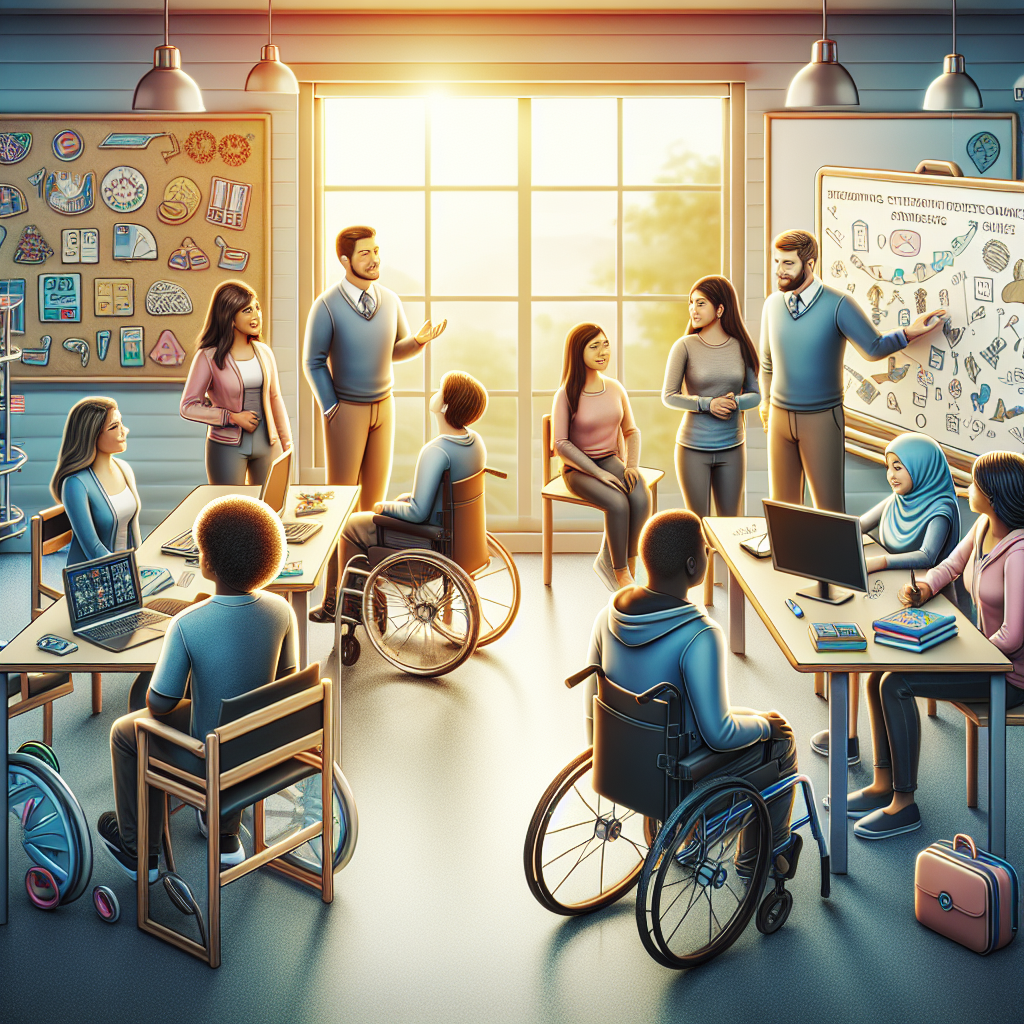
Inclusive Classrooms: Designing Lesson Plans that Support Learning Disabilities for Ultimate Success
Introduction
In today’s diverse educational landscape, the concept of inclusive classrooms is more than just a buzzword; it is a crucial philosophy that ensures every child, regardless of ability, receives an equitable education. The importance of Inclusive Classrooms: Designing Lesson Plans that Support Learning Disabilities cannot be overstated. As educators, we bear the responsibility of creating environments that empower all students to thrive academically and socially.
Imagine a classroom where each student feels valued, understood, and able to participate meaningfully. This vision is not only possible but essential. This article will explore effective strategies, innovative approaches, and practical case studies that empower educators to design lesson plans catering to students with learning disabilities.
Understanding Learning Disabilities
What Are Learning Disabilities?
Learning disabilities (LDs) encompass a range of neurological disorders that affect how individuals process, retain, and communicate information. Common types include dyslexia, dyscalculia, and auditory processing disorder. What sets these disabilities apart is their impact on learning despite average or above-average intelligence.
Theories Behind Learning Disabilities
Research indicates that learning disabilities often arise from differences in brain structure and function. Therefore, simply labeling students or providing a one-size-fits-all plan isn’t enough. Understanding these variations allows us to build Inclusive Classrooms: Designing Lesson Plans that Support Learning Disabilities tailored specifically to diverse needs.
The Importance of Inclusive Classrooms
Fostering a Sense of Belonging
The first and most critical aspect of Inclusive Classrooms: Designing Lesson Plans that Support Learning Disabilities is fostering a sense of belonging. Students surrounded by diverse peers learn tolerance, empathy, and social skills that extend beyond the classroom walls.
Enhancing Learning Outcomes
Numerous studies demonstrate that inclusive classrooms positively impact not only students with learning disabilities but also their peers. Collaborative learning promotes higher engagement and better academic outcomes. Educators are tasked with implementing such collaborative strategies in their lesson plans.
Real-World Application: Case Study
One remarkable example is the implementation of an inclusive program at Oakwood Elementary School. With a mix of students, including those with autism and dyslexia, the school introduced co-teaching models where special education teachers supported general education teachers. This approach resulted in a 20% increase in literacy scores among all students.
Designing Effective Lesson Plans
Differentiation: Key to Inclusive Classrooms
Differentiated instruction is pivotal in Inclusive Classrooms: Designing Lesson Plans that Support Learning Disabilities. By modifying content, process, and product based on student needs, teachers can provide access to the curriculum for all learners.
Table 1: Differentiation Strategies
| Strategy | Description | Example |
|---|---|---|
| Flexible Grouping | Rotate students through various grouping configurations. | Small groups vs. pairs |
| Choice Boards | Allow students to choose tasks from a pre-selected menu. | Written assignment vs. video |
| Scaffolded Support | Provide temporary assistance to empower independent work. | Graphic organizers |
Universal Design for Learning (UDL)
Another powerful approach is Universal Design for Learning (UDL), which emphasizes flexible learning environments that accommodate individual learning differences.
Key Principles of UDL:
- Multiple Means of Engagement – Provide choices to motivate students.
- Multiple Means of Representation – Present information in different formats.
- Multiple Means of Action and Expression – Allow diverse methods for students to demonstrate learning.
Incorporating Technology
Incorporating technology not only enhances engagement but also provides varied means of access and expression. Assistive technologies like text-to-speech software or interactive apps can make a substantial difference in helping students overcome learning obstacles.
Case Study: Lincoln High School
At Lincoln High School, technology integration resulted in a remarkable transformation. Smart boards, educational apps, and online platforms facilitated a collaborative learning space. These tools helped students with dyslexia better understand texts, increase their participation in discussions, and ultimately improve their academic performance.
Classroom Management Strategies
Creating a Responsive Environment
Creating an environment that responds to the needs of all learners is critical in Inclusive Classrooms: Designing Lesson Plans that Support Learning Disabilities. This involves:
- Establishing clear expectations.
- Using positive reinforcement.
- Implementing a proactive behavior management system.
Building Strong Relationships
Strong teacher-student relationships go a long way in establishing trust and encouraging students to take risks in their learning journey. Showing genuine interest in students’ lives fosters a more inclusive atmosphere.
Engage with Parents and Caregivers
Lastly, building relationships with parents and caregivers is essential. They can offer invaluable insights into their child’s strengths, challenges, and interests, allowing educators to tailor their lesson plans more effectively.
Assessment and Evaluation
Alternative Assessment Methods
Traditional assessment often fails to capture the capabilities of students with learning disabilities. Implementing alternative methods like portfolios, peer assessments, or presentations can provide a more comprehensive view of a student’s understanding and skills.
Case Study: Green Valley School District
Green Valley’s adoption of portfolio assessments led to higher student involvement and ownership of their learning. They allowed students to reflect on their work and progress over time, resulting in increased motivation and better insights for educators.
Conclusion
Creating Inclusive Classrooms: Designing Lesson Plans that Support Learning Disabilities is not just beneficial; it is essential for a thriving educational ecosystem. Through differentiation, UDL, technology integration, effective classroom management, and innovative assessment methods, educators can provide meaningful experiences for all students.
As you embark on your journey toward inclusivity, remember that every small step counts. By embracing these strategies, you’ll not only contribute to your students’ academic success but also foster a culture of empathy and respect.
FAQs
1. What are common learning disabilities?
Common learning disabilities include dyslexia, dyscalculia, ADHD, and auditory processing disorder.
2. How can I create an inclusive classroom?
Start by differentiating instruction, using UDL principles, and fostering strong relationships with students and families.
3. What role does technology play in inclusive classrooms?
Technology provides diverse means of access and engagement, catering to different learning styles.
4. How can I assess students with learning disabilities?
Consider alternative assessment methods such as portfolios, presentations, and collaborative projects.
5. What resources are available for teachers?
Numerous online resources are available, including specialized training programs, webinars, and teaching aids.
6. How do I involve parents in the process?
Regular communication with parents, seeking their insights, and involving them in classroom activities help strengthen the home-school connection.
As educators, our ultimate goal is to ensure that every child, regardless of their challenges, has an equal opportunity to excel. By prioritizing inclusivity in our classrooms, we pave the way for a brighter, more equitable future.

