Introduction
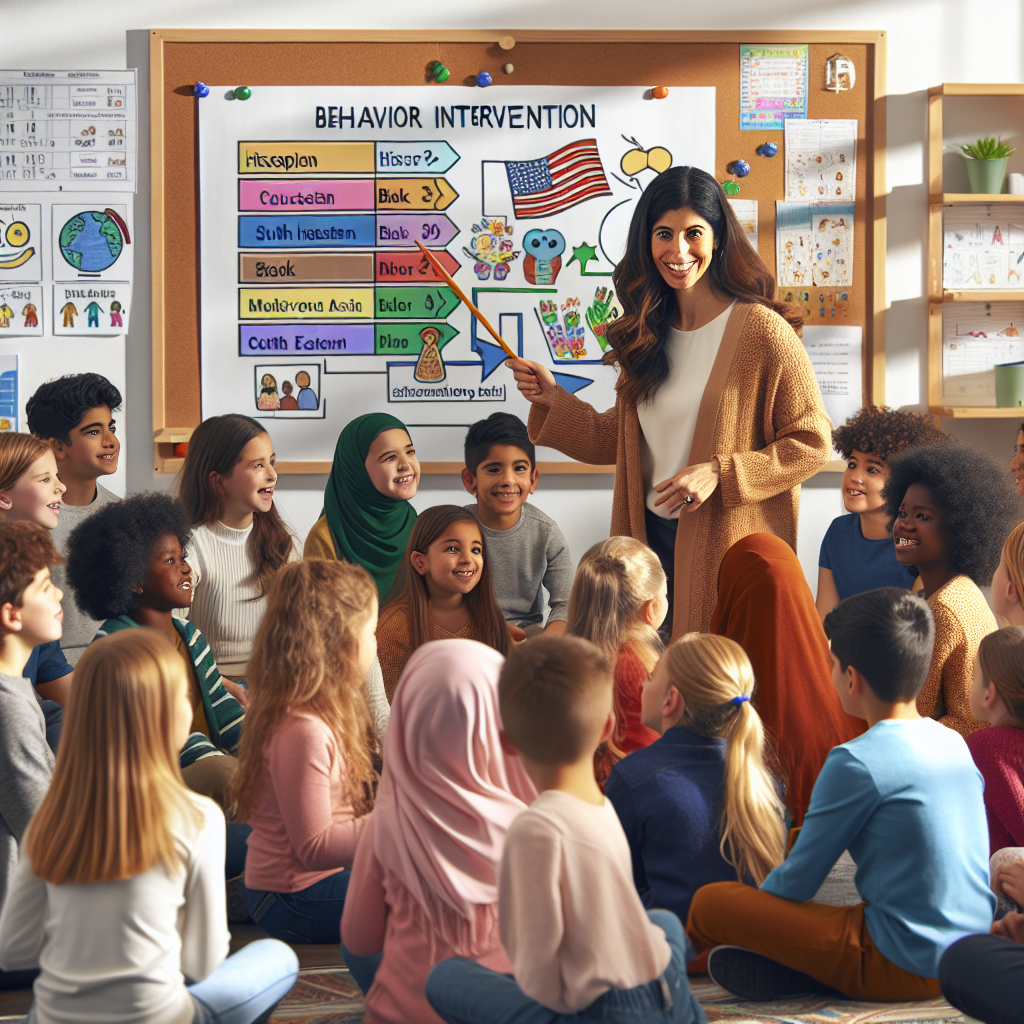
In an increasingly diverse world, the importance of inclusive education cannot be overstated. With classrooms filled with students from various backgrounds, abilities, and learning styles, educators face the significant challenge of ensuring that every learner can flourish. This emphasis on inclusivity is where Behavior Intervention Plans (BIPs) come into play. They serve as a roadmap tailored to meet the unique needs of diverse learners while supporting them in achieving their academic and social potential. In this article, we’ll dive into inclusive education and explore how Behavior Intervention Plans empower educators to better serve all students, particularly those with behavioral challenges.
The Essence of Inclusive Education
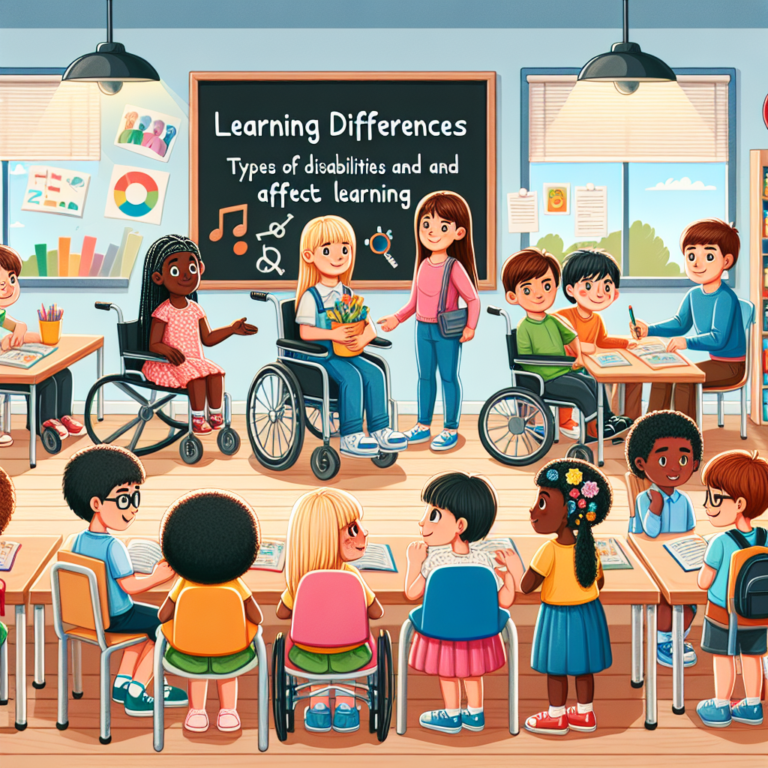
Inclusive education is a philosophy that promotes the idea that all students, regardless of their abilities, should learn together within the same educational setting. It recognizes the value of diversity and fosters an environment where every student feels accepted and valued. Research has shown that inclusive education not only benefits students with disabilities but also enhances the learning experience for all students by fostering empathy, collaboration, and understanding.
The Role of Behavior Intervention Plans (BIPs)
Behavior Intervention Plans are structured strategies designed to support students exhibiting disruptive or problematic behavior. These plans help educators identify the causes of such behaviors and create effective interventions tailored specifically for individual students. The ultimate goal of BIPs is to replace undesired behaviors with more appropriate actions, thus facilitating a smoother learning experience.
Case Study 1: Jenna’s Journey in a Third-Grade Classroom
Jenna is an energetic third grader with Autism Spectrum Disorder (ASD). Her frequent outbursts and inability to focus presented challenges both for her and her classmates. After a thorough evaluation, her teachers and special education staff developed a BIP focused on positive reinforcement. This plan included clear expectations for behavior, a visual schedule to help Jenna manage her day, and regular check-ins with a support assistant.
Analysis of Jenna’s BIP Success
Jenna’s experience highlights the importance of identifying underlying issues. By recognizing that her behaviors stemmed from anxiety, her educators were able to provide meaningful support. With the implementation of her BIP, Jenna significantly improved her focus during lessons and demonstrated decreased instances of disruptive behavior.
Key Components of Effective BIPs
To ensure that Behavior Intervention Plans effectively support diverse learners, certain key components must be meticulously integrated:
Baseline Data Collection: Gathering initial data on a student’s behavior helps in understanding the context and triggers of their actions.
Clearly Defined Goals: Establishing measurable, achievable objectives allows educators to track progress and adjust strategies as necessary.
Targeted Interventions: Interventions may include both proactive strategies (like changing the classroom environment) and reactive strategies (such as specific responses to undesired behavior).
- Regular Review: BIPs should be living documents, revisited frequently to assess student progress and make necessary adjustments.
Table 1: Components of a Successful BIP
| Component | Description | Importance |
|---|---|---|
| Baseline Data Collection | Gather initial behavioral data | Understand context and triggers |
| Clearly Defined Goals | Establish measurable goals | Track progress |
| Targeted Interventions | Proactive and reactive strategies | Tailor support to individual needs |
| Regular Review | Frequent assessment of effectiveness | Adapt and improve intervention |
The Impact of Inclusive Education on Student Outcomes
Research consistently indicates that inclusive education positively impacts academic achievement, social skills, and overall well-being. By employing Behavior Intervention Plans, educators can effectively navigate the diverse learning landscape and cultivate an atmosphere where all students thrive.
Case Study 2: The High School Math Class
In a high school math class, Alex, a student with ADHD, struggled to stay engaged. Following a collaborative meeting with his teachers and parents, a BIP was created that included hands-on activities and frequent breaks to keep him focused.
Analysis of Alex’s BIP Implementation
By incorporating varied instructional strategies and allowing flexibility, Alex became more engaged in his learning. His grades improved, and he reported feeling more confident in his abilities, showcasing the effectiveness of a tailored BIP in an inclusive setting.
Building a Supportive Environment
Creating an inclusive classroom requires more than just individual plans; it necessitates a supportive environment where all learners feel valued. Educators can foster such an environment by incorporating the following practices:
Collaboration Among Educators: Regular communication among special education staff and general educators can lead to a better understanding of students’ diverse needs.
Professional Development: Ongoing training in inclusivity and BIPs equips teachers with the latest strategies for effective implementation.
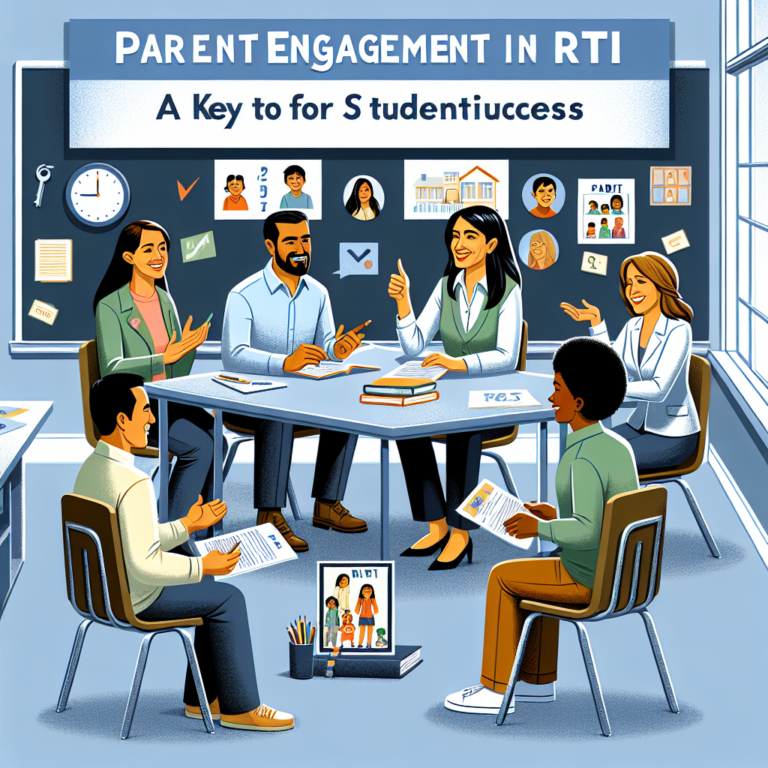
- Engaging Families: Involving families in the development and execution of BIPs ensures a holistic approach to student support.
Chart 1: Strategies for Building an Inclusive Environment
| Strategy | Description |
|---|---|
| Collaboration Among Educators | Regular meetings to share insights and strategies |
| Professional Development | Training sessions to improve skills and knowledge |
| Engaging Families | Active involvement in BIP discussions and plans |
Ensuring Success for All Learners
The pathway to inclusive education is a continuous journey. By effectively implementing Behavior Intervention Plans, educators can create a rich tapestry of learning experiences that honor the unique needs of every student.
Case Study 3: The After-School Program
In an after-school program designed for at-risk youth, Sam, a student with behavioral issues, was identified as needing additional support. His BIP emphasized building social skills through group activities. Over the semester, Sam learned to express his feelings positively, transforming his interactions with peers.
Analysis of Sam’s Growth Through His BIP
Sam’s journey underscores the need for socially-focused interventions. By engaging him in group dynamics, the program provided a space for learning and practice. As a result, Sam not only improved his behavior but also developed strong friendships.
Conclusion
In summary, Inclusive Education: How Behavior Intervention Plans Support Diverse Learners is a necessity in today’s educational landscape. By implementing effective BIPs, educators can empower diverse learners, notably those facing challenges in behavior, to succeed academically and socially.
As we move forward, the commitment to inclusivity and the use of targeted interventions must remain paramount. Through collaboration, training, and patience, the vision of inclusive classrooms can become a reality for every student.
Additional Insights: FAQs Section
1. What is a Behavior Intervention Plan?
A Behavior Intervention Plan (BIP) is a strategy designed to address specific behavioral challenges that a student may face in the educational environment. It includes data collection, intervention strategies, and ways to measure success.
2. How do BIPs support teachers?
BIPs provide teachers with a structured approach to addressing challenging behaviors, allowing them to tailor their instruction to meet the individual needs of students.
3. Are BIPs only for students with disabilities?
While BIPs are often associated with students with disabilities, any student experiencing behavioral challenges could benefit from one.
4. How often should a BIP be reviewed?
BIPs should be reviewed at least every year, or sooner if a student’s behavior or circumstances change significantly. Regular reviews help ensure the interventions remain effective.
5. Can parents be involved in the development of a BIP?
Absolutely! Parental involvement is crucial in developing a BIP as they provide insights into the student’s behavior at home and can support implementation strategies.
Reflecting on the journey of inclusive education and the power of Behavior Intervention Plans, it’s clear that all educators must embrace these strategies to foster an environment that celebrates diversity and encourages every student to learn and grow.
About the Author