


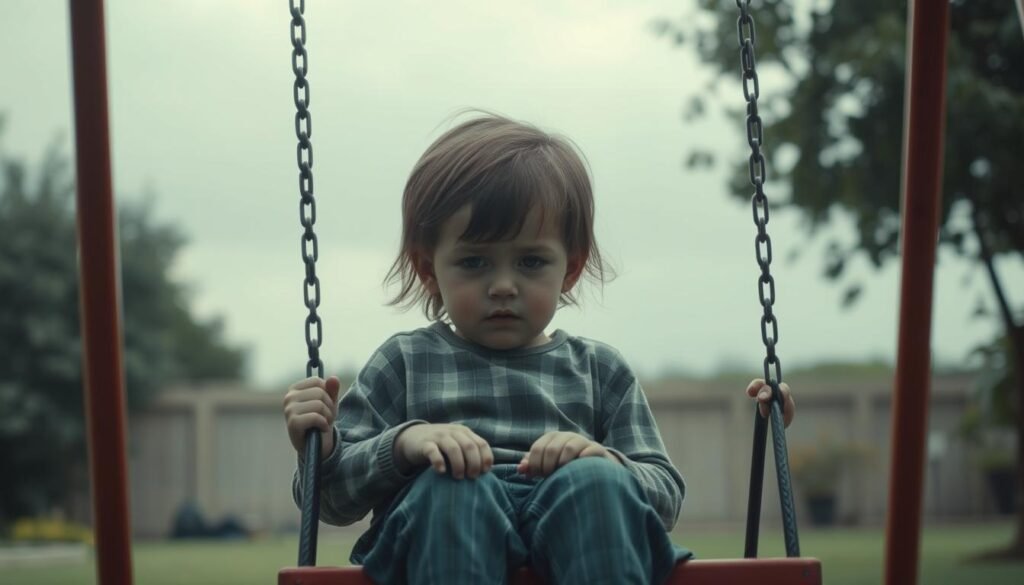
Sarah looked at the blank canvas in her art therapy session, her hands trembling slightly. At 35, she found it hard to pick up a paintbrush. Memories of her mother’s harsh words haunted her: “Artists starve. Be practical.” This moment from her childhood had put up a barrier between her and her dreams.
Every child starts with endless imagination and pure talent. They paint without fear, sing without shame, and dream big. But as they grow, they face their first hidden walls. These walls are subtle but powerful, shaping who they become.
These invisible barriers grow from small moments in early life. A harsh comment on a child’s art, constant criticism, or being compared to siblings can leave lasting marks. What starts as feedback evolves into deep-seated patterns that shape adult choices and self-image.
Children’s dreams of being astronauts, artists, or inventors often clash with reality. Parents and teachers, trying to help, sometimes discourage these dreams. This creates a conflict between nurturing talent and following practical paths. It affects not only career choices but also how we perceive life and its possibilities.
To understand these hidden walls, we must look at how early experiences shape our brains. The developing brain learns about safety, worth, and ability. Children adapt to their world, understanding what gets approval and what doesn’t. This adaptation, though necessary, can limit future growth and self-expression.
The Foundations of Childhood Conditioning
The early years of life shape who we become. Every interaction, experience, and environment leaves a mark on a child’s mind. These early experiences shape behavior, emotions, and relationships for the rest of one’s life. Understanding how conditioning works in early childhood enables parents to create supportive environments that foster growth.
Understanding Childhood Conditioning
Childhood conditioning comes from repeated experiences that shape lasting behaviors. When a child faces the same situations repeatedly, their brain forms pathways for future actions. These pathways get stronger with each repetition, becoming automatic.
The process starts at birth. Infants learn that crying helps them get their needs met. Toddlers figure out what behaviors get praise or disapproval. School-age kids learn social rules. Each stage builds on the last, creating complex behaviors.
The Role of Environment
The environment plays a key role in shaping young minds. A child’s world includes physical spaces, family, and community. Each part helps them understand the world and their role in it.
| Environmental Factor | Impact on Development | Long-term Effects |
|---|---|---|
| Home atmosphere | Shapes emotional security | Affects stress management |
| Neighborhood safety | Influences trust levels | Impact risk assessment |
| School climate | Develops social skills | Forming learning attitudes |
| Family interactions | Models relationships | Guides attachment styles |
Parenting style effects come from daily interactions. Children learn unspoken rules about emotions, conflicts, and comfort. These early lessons guide them in adulthood, shaping how they handle relationships and challenges.
Types of Childhood Conditioning
Childhood experiences profoundly shape a child’s mind and heart. Every moment, whether joyful or challenging, adds to their psychological growth. Understanding different conditioning types helps adults create supportive environments for children.
Positive Conditioning Experiences
Positive reinforcement in childhood builds emotional strength. When children receive consistent support, they develop confidence and resilience. This support includes praising their efforts, making them feel safe, and encouraging exploration.
- More confidence in trying new things
- Better handling of stress
- Stronger problem-solving skills
- Healthier relationships with others
Negative Conditioning Influences
Negative conditioning can harm a child’s growth. It includes harsh words, unpredictable care, neglect, or trauma. Children may become overly alert and anxious as a way to protect themselves.
| Positive Reinforcement | Negative Conditioning |
|---|---|
| Praising effort and progress | Criticizing mistakes harshly |
| Consistent emotional support | Unpredictable responses |
| Safe exploration opportunities | Restrictive fear-based control |
| Building on strengths | Focusing on weaknesses |
The right mix of support and criticism shapes a child’s coping skills. Studies show positive reinforcement strengthens resilience. On the other hand, negative conditioning can lead to lasting stress.
Impact on Emotional Development
The early years of life profoundly shape a child’s emotional foundation. How children learn to understand and express their feelings during these formative years influences their relationships, stress management abilities, and overall mental well-being throughout life. Early experiences with caregivers create lasting patterns that affect how children navigate their emotional world.
Building Resilience in Children
Resilience building starts with secure relationships where children feel safe to explore and make mistakes. When parents consistently respond to their child’s needs, they create a foundation for their child’s emotional health that lasts into adulthood. Children develop resilience through:
- Experiencing manageable challenges with support
- Learning that failure is part of growth
- Having trusted adults who validate their feelings
- Developing problem-solving skills through play
Self-esteem development flourishes when children receive encouragement to try new things. Parents who celebrate effort, not just outcomes, help their children build confidence. This approach to building resilience teaches children that they can overcome obstacles.
Emotional Regulation Skills
Learning to manage emotions is a critical part of emotional development. Children who receive consistent emotional validation develop better self-control and coping strategies. Key regulation skills include:
- Naming and identifying different emotions
- Expressing needs using words instead of tantrums
- Using breathing techniques during upset moments
- Seeking comfort appropriately when overwhelmed
These early emotional regulation skills become the blueprint for handling stress in later life. Supporting self-esteem development through patient guidance helps children trust their ability to manage complicated feelings.
The Role of Parenting Styles
How parents interact with their kids shapes their emotional and social growth. The impact of parenting styles on kids’ self-esteem, school success, and future relationships is significant. Knowing these styles helps parents better understand and support emotionally intense children.
Authoritative vs. Authoritarian Parenting
Authoritative parenting combines high expectations with emotional support and open communication. These parents set rules and explain the reasons behind them. Kids grow up with strong self-control and confidence.

Authoritarian parents focus on obedience without talking or flexibility. Rules are strict, and feelings are ignored. This can lead to kids feeling anxious, struggling with decisions, or rebelling against authority.
| Parenting Style | Communication Pattern | Child Outcomes |
|---|---|---|
| Authoritative | Open dialogue, explanations provided | High self-esteem, good social skills |
| Authoritarian | One-way commands, limited discussion | Lower confidence, possible anxiety |
The Influence of Attachment Styles
Attachment theory demonstrates how early relationships with caregivers influence our emotional development. Secure attachment forms when caregivers meet a child’s needs well. Children learn to trust and manage their emotions more effectively.
Unpredictable care can lead to anxious or avoidant attachment. Kids might become overly attached or distant. This affects their ability to form good relationships. Understanding these patterns helps parents create a stable family dynamics for emotional growth.
Social Conditioning During Childhood
Children begin learning social rules and expectations at a young age. The playground is like a classroom where they learn from daily interactions. These experiences shape their self-perception and their understanding of their place in the world.
Peer Relationships and Their Effects
Peer influence is strong from the start. Children learn important life skills through play, classwork, and extracurricular activities. They learn about:
- Sharing and taking turns
- Reading social cues
- Managing disagreements
- Building friendships
Children pick up on rules about being popular and accepted. Being left out of a game can be hard to handle. However, being included helps kids build confidence and social skills that last a lifetime.
Cultural Influences on Behavior
Cultural norms shape what kids think is right from a young age. Family and community values guide their beliefs. Stereotypes are evident when girls are perceived as better at reading and boys at math.
These messages are everywhere – in toy stores, books, and conversations. Kids learn from small moments: a grandma praising a boy for being tough, but comforting a girl for falling. These moments teach kids about societal norms.
Cognitive Conditioning and Learning
A child’s mind is like a sponge, soaking up information from every experience. Their cognitive development helps them understand the world. This shapes their thoughts and future actions.
Every lesson they learn builds their mental framework. This framework helps them tackle new challenges in life.
How Children Internalize Lessons
Children learn and store information in many ways. Their learning patterns grow from:
- Repeating daily activities and routines
- Feeling emotions from experiences
- Watching adults and how they react
- Engaging with their surroundings
When a child sees a parent solve a problem, they learn a lot. They pick up the solution and the way it was solved. This becomes part of their internalized understanding of problem-solving.
A parent who says, “Let’s figure this out together,” teaches kids to keep trying. On the other hand, a parent who gives up quickly might teach them to feel helpless.
The Impact of Education
Schools and teachers have a significant impact on young minds. The classroom shapes their views on intelligence and ability. A teacher who praises effort teaches different lessons than one who only values correct answers.
“Every child can learn, just not on the same day, or in the same way.” – George Evans
Teaching methods leave lasting marks. Children who learn together develop different thinking patterns compared to those in competitive settings. These early experiences teach them if they see intelligence as fixed or as something that grows with effort.
Addressing Trauma in Childhood
Children who face tough times often carry invisible scars that can impact their growth. Childhood trauma and adverse experiences leave lasting marks. It’s crucial to identify these hidden issues and provide the proper support.
Recognizing Signs of Adverse Experiences
Children often express their pain through actions, rather than words. Trauma recognition begins with noticing changes in their behavior. A child who suddenly stops talking might be dealing with something hard.
- Sleep disturbances and nightmares
- Regression to younger behaviors
- Difficulty concentrating at school
- Physical complaints without a medical cause
- Extreme reactions to minor events
Therapeutic Approaches for Healing
Special healing approaches guide children towards recovery. Play therapy helps younger kids express their feelings safely. Art therapy allows them to express emotions that are difficult to put into words.
For older kids, trauma-focused cognitive behavioral therapy changes negative thoughts.
Acting fast when you see childhood trauma signs can prevent deeper problems. Recovery is facilitated by ongoing support, patience, and treatments tailored to meet each child’s individual needs.
The Long-term Effects on Adult Life
Childhood experiences shape our adult lives in ways we may not immediately recognize. They influence our choices, relationships, and daily actions. These early years create patterns that guide our adult decisions.
How Childhood Conditioning Shapes Identity
Our identity starts to form in early childhood. A child praised for school work may grow to value success. Criticism about looks can affect self-image for life.

Early messages shape our self-image. Harvard University found that 87% of adults hold beliefs formed before age seven. These beliefs affect:
- Career paths and professional ambitions
- Relationship choices and communication styles
- Risk-taking behaviors and decision-making patterns
- Self-worth and confidence levels
Coping Mechanisms Developed
Children develop coping strategies to deal with their world. These strategies often last into adulthood. For example, a child who stayed quiet in conflicts may avoid confrontation as an adult.
Common coping strategies from childhood include perfectionism and people-pleasing. These behaviors can limit personal growth. Recognizing these patterns helps us find healthier ways to face life’s challenges.
Breaking the Cycle of Negative Conditioning
Every parent and teacher faces the challenge of breaking harmful patterns that have been passed down through generations. Breaking negative cycles starts with awareness and action. Understanding how our childhood shapes us gives us the power to create a better future for the next generation.
Strategies for Parents and Educators
Effective transformation techniques begin with self-reflection. Parents who recognize their automatic reactions can choose better ones. This might mean taking deep breaths instead of yelling or asking questions instead of making assumptions.
- Model emotional regulation by naming feelings out loud
- Create consistent routines that provide security
- Practice reflective listening without immediate judgment
- Encourage healthy risk-taking through supervised challenges
Breaking traditions doesn’t mean getting rid of all family customs; it means reevaluating them. It means questioning which practices help children grow and which might hinder their development. Parents can maintain meaningful rituals while letting go of outdated expectations that no longer fit today’s family life.
Encouraging Positive Reinforcement
Positive parenting strategies focus on building motivation from within. Children do best when adults notice their effort and progress, not just their achievements. Simple phrases like “I see how hard you worked on that” teach children to value effort over perfection.
Getting professional help often reveals blind spots in family interactions. Therapists and counselors offer fresh perspectives that help change lasting behaviors.
Embracing Positive Childhood Conditioning
Children have exceptional abilities that grow when they’re supported positively. Places that celebrate effort, encourage exploration, and view mistakes as opportunities to learn help kids feel confident and strong. By focusing on what’s possible, rather than just what’s hard, parents and teachers can change how kids perceive challenges and their skills.
Cultivating a Growth Mindset
A growth mindset changes how kids tackle learning and obstacles. When we praise effort, not just results, kids learn that skills grow with practice. This way of supporting them makes them eager to take on challenges, not shy away from them.
- Praising the process: “You worked hard on that puzzle!”
- Normalizing mistakes: “Mistakes help our brains grow stronger”
- Encouraging persistence: “You haven’t learned it yet.“
- Modeling curiosity: “Let’s figure this out together.”
The Importance of Play in Learning
Play is key for growing smart, feeling good, and getting along with others. Through play, kids try new things, learn limits, and solve problems. It’s a natural way for them to learn and grow.
| Type of Play | Skills Developed | Examples |
|---|---|---|
| Imaginative Play | Creativity, language, and emotional processing | Dress-up, storytelling, puppet shows |
| Physical Play | Motor skills, spatial awareness, and confidence | Climbing, dancing, and sports |
| Social Play | Cooperation, communication, empathy | Board games, group activities, and role-playing |
| Constructive Play | Problem-solving, planning, persistence | Building blocks, puzzles, art projects |
Studies from the American Academy of Pediatrics indicate that play enhances brain development and prepares children for school. Children who engage in a lot of play tend to develop better emotional and cognitive skills as they grow up.
The Role of Media in Conditioning
Today’s children live in a world where digital media significantly influences their development. From cartoon characters to YouTube stars, media influence touches every part of their lives. Understanding how TV, movies, and online platforms impact young minds is crucial for parents to create a more positive media environment for their children.
The Influence of Television and Movies
Television and movies leave a lasting impact on young minds. Characters like Disney princesses or Marvel heroes become role models. They shape what kids think about relationships, success, and their own identity.
Studies show that the effects of screen time go beyond just entertainment. It can shape kids’ dreams and how they see themselves.
Watching diverse media helps kids see the world in new ways. Shows like “Doc McStuffins” might inspire kids to dream of medical careers. Programs featuring strong female scientists challenge outdated notions about gender.
Talking about media with kids helps them think critically about what they see.
Social Media’s Impact on Children
The social media impact on young people brings its own set of problems. Sites like Instagram and TikTok make kids compare themselves to others online. This digital conditioning can hurt their self-esteem, body image, and friendships.
“The average child sees over 40,000 advertisements per year, each one subtly shaping their desires and self-perception.”
Limiting screen time is good for kids’ mental health. Families who don’t use devices at dinner time tend to feel closer and talk more effectively. Teaching kids about photo editing helps them see that online pictures aren’t always real.
Creating Supportive Environments
Children do best when they feel safe and understood. Supportive places offer both physical comfort and emotional safety. This allows young minds to explore and express themselves freely.
These spaces are more than just clean rooms and healthy food. They have daily routines, clear rules, and caring adults. When kids know what’s coming and feel accepted, they grow confident and trust their world.
Building Safe Spaces for Expression
Safe areas let kids share their thoughts and feelings without fear. Parents and caregivers create these by setting rules and showing endless love. A child’s room can be a cozy spot with favorite books and toys.
The kitchen table becomes a place for learning, where mistakes are okay. Schools like Montessori and Waldorf encourage kids to explore and be creative. But emotional safety is key. Kids need to know their feelings are real, even when they act out.
Fostering Open Communication with Kids
Open talk starts with really listening. When Sarah, an eight-year-old, talks about her friend issues, her mom listens fully. She asks questions and shows that she gets Sarah’s feelings.
This teaches Sarah that her voice is essential. Being honest with kids builds trust. When parents say they’re learning too, kids see that everyone grows and matures. Family talks, bedtime chats, and car rides are great for sharing.
When adults show their feelings and how they handle them, kids learn by example. This is how they develop emotional intelligence through daily life.

