


Introduction
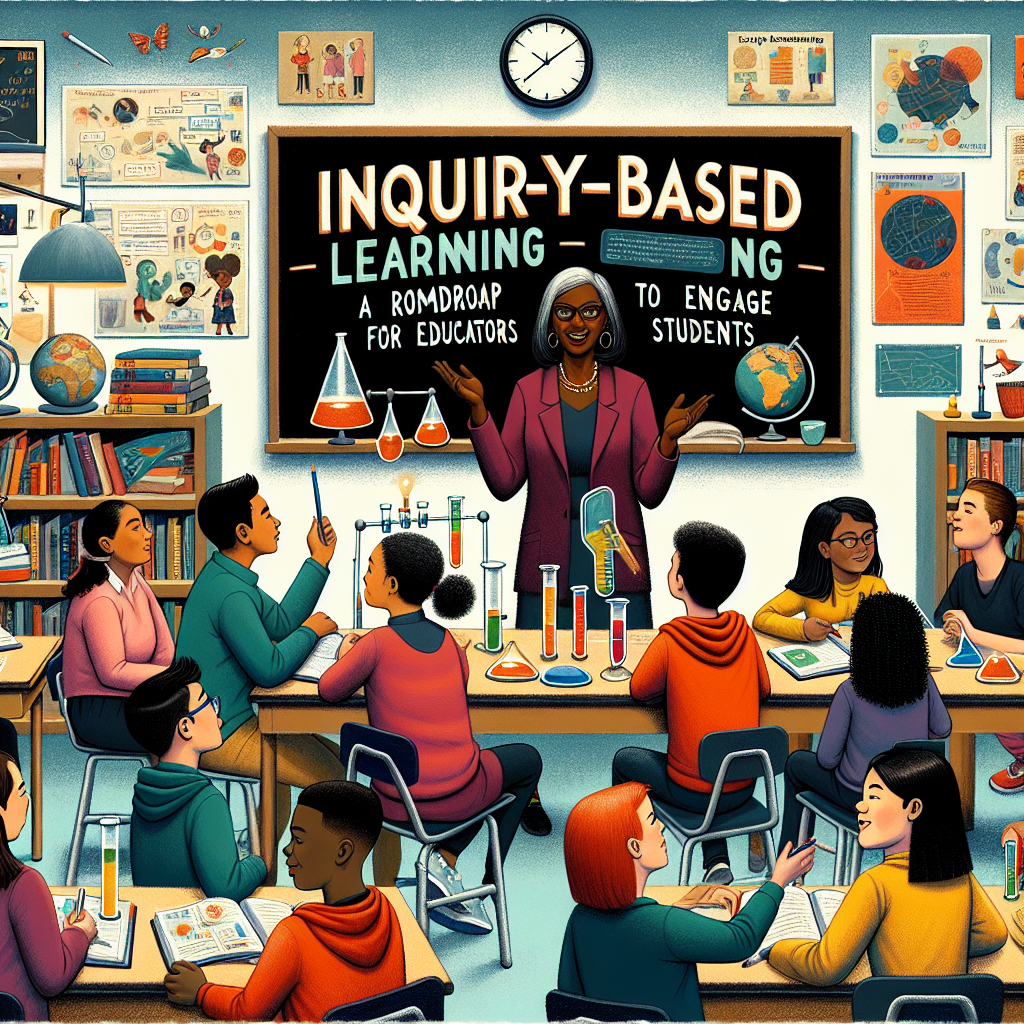
In today’s fast-paced digital world, traditional methods of education can often feel stale and uninspiring. Students yearn for connection, curiosity, and engagement—qualities that standard lecture-based instruction may fall short of providing. Enter Inquiry-Based Learning (IBL), a pedagogy that transforms classrooms into dynamic environments where questions drive learning. This article serves as Inquiry-Based Learning: A Roadmap for Educators to Engage Students, offering you the insights and practical tools necessary to implement this transformative approach effectively.
Understanding Inquiry-Based Learning
Inquiry-Based Learning: A Roadmap for Educators to Engage Students goes beyond merely answering questions. It’s a teaching method that positions students as active participants in their own educational journeys. This approach helps foster critical thinking, problem-solving skills, and a deeper understanding of material. By allowing students to explore issues that interest them, they become more engaged and invested in their learning experience.
Key Elements of Inquiry-Based Learning
- Questioning: Central to IBL is the power of inquiry. Questions stimulate curiosity and set the stage for exploration.
- Exploration: Students investigate these questions using various methods, which may include research, experiments, or collaborative projects.
- Reflection: After exploring, students analyze their findings, developing a deeper understanding of the subject matter.
- Application: Finally, students apply what they’ve learned to real-world problems or additional contexts, solidifying their knowledge.
This cycle not only promotes retention but also cultivates a lifelong love for learning.
The Importance of Inquiry-Based Learning
Bridging Student Interests with Curriculum
One of the primary benefits of Inquiry-Based Learning: A Roadmap for Educators to Engage Students is its ability to bridge the gap between student interests and the curriculum. According to a survey by the National Education Association, 80% of students reported that they would be more engaged if they had a say in what they learned. Inquiry-based learning allows educators to harness this feedback and tailor the curriculum to students’ passions.
Case Study: Project-Based Learning in High School Science
In a New York City high school, a group of 10th-grade science teachers implemented IBL through a project-based learning (PBL) unit on environmental sustainability.
Analysis:
- Context: Students developed their questions about local environmental issues, leading to research on pollution sources.
- Outcome: As a result, student engagement rose by 60%, with assessments reflecting improved understanding of complex concepts such as ecosystems and human impact.
- Relevance: This case exemplifies how allowing students to explore their community can enhance their learning experience and foster critical thinking skills.
Increasing Student Engagement and Motivation
Inquiry-Based Learning: A Roadmap for Educators to Engage Students is also integral to boosting motivation levels. When students feel personally connected to their topics, willingness to participate increases.
Chart: Engagement Statistics in Inquiry-Based Learning
| Method of Instruction | Student Engagement Level (%) | Retention Rate (%) |
|---|---|---|
| Traditional Lectures | 35 | 10 |
| Inquiry-Based Learning | 80 | 60 |
Implementing Inquiry-Based Learning in the Classroom
Step 1: Create an Inviting Classroom Environment
An effective IBL setting begins with an environment that empowers inquiry. This could mean rearranging furniture to facilitate group work or incorporating technology like interactive whiteboards where students can share findings.
Step 2: Foster a Culture of Curiosity
Teachers should encourage a questioning mindset. Begin lessons with thought-provoking questions or current events. Introduce a “wonder wall” where students can post questions they want to explore.
Step 3: Design Inquiry-Based Activities
Use frameworks such as the 5E Model (Engage, Explore, Explain, Elaborate, Evaluate) to construct inquiry-based activities.
Example Activity: “The Mystery of Food Labels”
Objective: Students investigate food product labels to discern marketing claims vs. nutritional facts.
- Engage: Kick off with an engaging video on misleading food marketing.
- Explore: Groups choose their food products and analyze their labels.
- Explain: Students present findings, including misconceptions and surprises.
- Elaborate: Discuss implications of food marketing on health decisions.
- Evaluate: Assign reflective essays on what they learned about nutrition.
Step 4: Assess Student Learning
Assessment in IBL should be varied and authentic. Consider employing portfolios, presentations, peer assessments, and self-reflections.
Challenges in Inquiry-Based Learning
Like any method, IBL has its challenges.
Resource Allocation
Some educators may feel they lack the resources or time to implement IBL effectively. However, small changes can yield significant benefits.
Professional Development
Continuous professional development is essential for educators. Workshops focused on inquiry-based techniques can empower teachers to experiment with new methods confidently.
Conclusion
Inquiry-Based Learning: A Roadmap for Educators to Engage Students offers an innovative approach that can transform traditional teaching frameworks into vibrant learning environments. Through fostering curiosity, encouraging collaboration, and promoting critical thinking, we equip our future leaders with the skills they need.
By embracing IBL, educators can change not just the lives of their students but also the educational landscape as a whole, ensuring that learning is not just a task, but an ongoing journey filled with discovery and excitement.
FAQs
1. What is Inquiry-Based Learning?
Inquiry-Based Learning is an educational strategy that focuses on student-led exploration of questions, fostering engagement and critical thinking.
2. How can I start implementing IBL in my classroom?
Begin by creating a question-friendly environment, fostering curiosity, and designing inquiry-based activities based on student interests.
3. What are some common challenges associated with IBL?
Challenges can include resource allocation, time management, and lack of familiarity with inquiry-based methods.
4. How can I assess student learning in an IBL framework?
Utilize a variety of assessment methods, including presentations, portfolios, peer assessments, and reflective writings.
5. Can IBL be used in all subjects?
Absolutely! Inquiry-Based Learning can be adapted for various subjects, from science and math to humanities and the arts, promoting cross-disciplinary connections.
By following the roadmap laid out in this article, educators can successfully engage their students, making learning a meaningful and dynamic pursuit. Let’s inspire curiosity and cultivate lifelong learners through Inquiry-Based Learning!


The PsyForU Editorial Collective is the research and editorial team of PsyForU Research International. The collective prepares educational, psychological, mental-health-awareness, inclusion, neurodiversity, and research-methodology content for students, parents, educators, researchers, and general readers. PsyForU content is intended for awareness, education, and capacity-building and should not be treated as clinical diagnosis, therapy, medical advice, legal advice, or emergency mental-health support.