Introduction
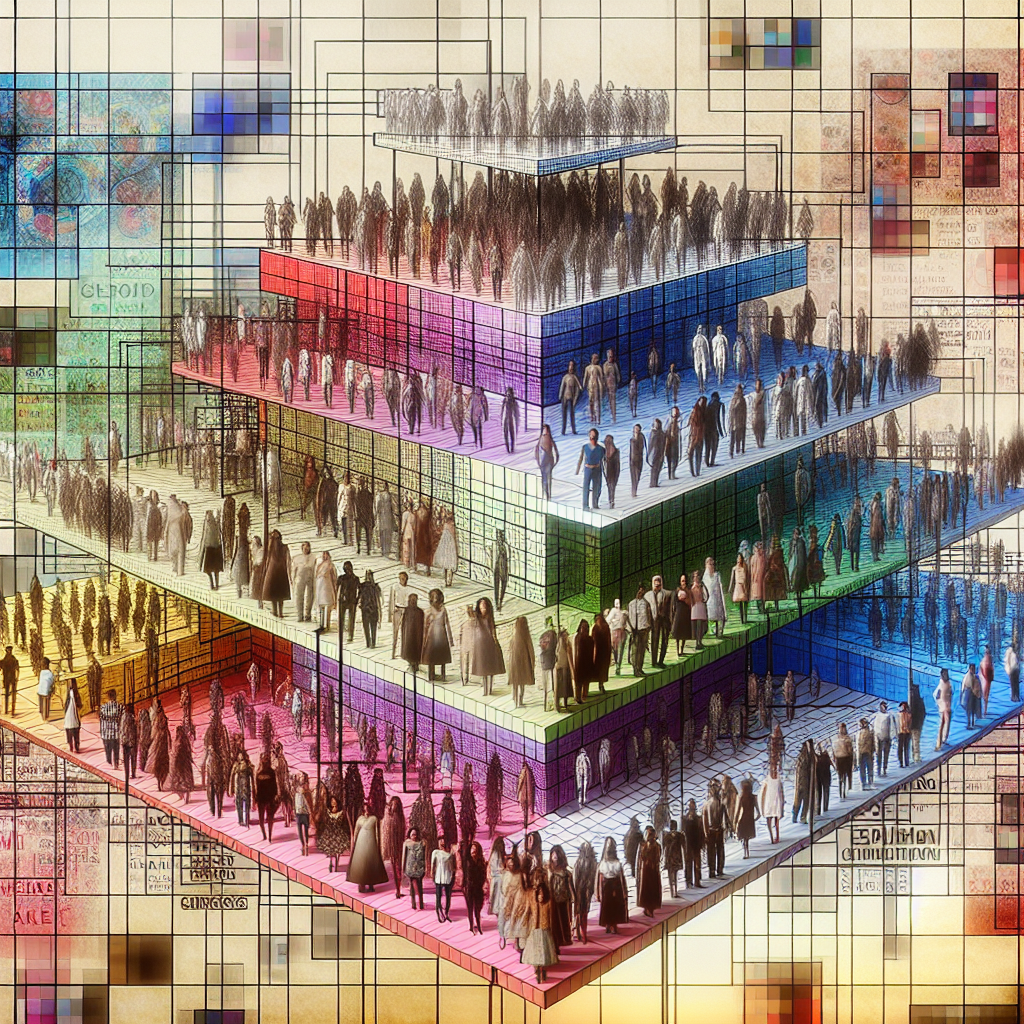
Imagine walking into a crowded room, where every person you see carries a unique blend of identities—race, class, gender, sexuality, and more. Now, consider how these identities interact to influence their experiences in society. This is where the concept of intersectionality comes into play—a crucial framework for understanding the multifaceted layers of discrimination that individuals face. In this article, we will unpack the intricacies of Intersectionality and Gender Inequality: Understanding the Layers of Discrimination, shedding light on how overlapping identities contribute to systemic inequities.
Realizing the interconnected nature of these layers is essential for fostering inclusive solutions and promoting gender equality. By dissecting the threads of intersectionality, we can better comprehend the specific challenges that marginalized groups endure, ultimately driving social change.
What is Intersectionality?
Defining the Term
Coined by legal scholar Kimberlé Crenshaw in 1989, intersectionality refers to the way different social identities overlap and interact with each other to create unique experiences of discrimination or privilege. Rather than considering gender discrimination in isolation, intersectionality emphasizes that various factors—such as race, socioeconomic status, education, and sexuality—interact to shape an individual’s experience.
The Need for an Intersectional Lens
Using an intersectional approach allows us to account for the complexity of individuals’ lives. For instance, a woman of color may face both racial and gender discrimination that cannot be fully understood by examining either identity separately.
The Historical Context of Gender Inequality
A Brief Overview
Historically, gender inequality has manifested in various forms—from the suffrage movements of the early 20th century to the ongoing struggle for equal pay and reproductive rights. However, mainstream feminism has often centered on the experiences of white, middle-class women, neglecting the voices of those who face multiple layers of oppression.
The Emergence of Intersectional Feminism
Intersectional feminism emerged as a counter-narrative to traditional feminist movements, emphasizing that gender issues cannot be disentangled from racial, class-based, and other forms of inequality. Activists like bell hooks and Audre Lorde paved the way for a more inclusive perspective, recognizing that the fight for women’s rights is also a fight against broader systemic injustices.
Case Studies: Real-World Applications of Intersectionality
Case Study 1: Black Women and Pay Disparity
Data Overview
According to a report by the National Women’s Law Center, Black women in the U.S. earn just 63 cents for every dollar earned by white, non-Hispanic men. This pay gap highlights the double jeopardy faced by Black women due to racism and sexism.
Analysis
This example underscores the necessity of adopting an intersectional approach when discussing wage inequality. Policies aimed solely at closing the gender pay gap may not adequately address the unique barriers faced by Black women and other women of color.
| Demographic | Pay Percentage Compared to White Men |
|---|---|
| White Women | 79 cents |
| Black Women | 63 cents |
| Latina Women | 54 cents |
Case Study 2: LGBTQ+ Women in the Workplace
Data Overview
Research from the Human Rights Campaign found that LGBTQ+ individuals, particularly transgender women, face severe workplace discrimination, leading to disproportionately high unemployment rates. Transgender women of color, in particular, experience violence at staggering rates.
Analysis
This case illustrates how gender identity and sexual orientation intersect with race to compound experiences of discrimination. Understanding these layers is essential for designing effective anti-discrimination policies and workplace protections.
Table: Unemployment Rates among LGBTQ+ Individuals
| Identity Category | Unemployment Rate |
|---|---|
| LGBTQ+ Women | 9% |
| Transgender Women | 20% |
| LGBTQ+ Persons of Color | 15% |
The Impact of Intersectionality on Policy
Why Policies Must Be Intersectional
Policies that fail to consider intersectional identities may inadvertently perpetuate discrimination. For example, welfare programs that do not account for the different needs of diverse groups can leave marginalized communities behind.
Successful Intersectional Policies
Policies like the Equality Act, which seeks to add sexual orientation and gender identity to the list of protected categories in the Civil Rights Act, mark a significant step toward recognizing intersectionality in law. However, further efforts must involve targeted initiatives aimed at uplifting the most marginalized voices within communities.
The Path Forward: Strategies for Change
Education and Awareness
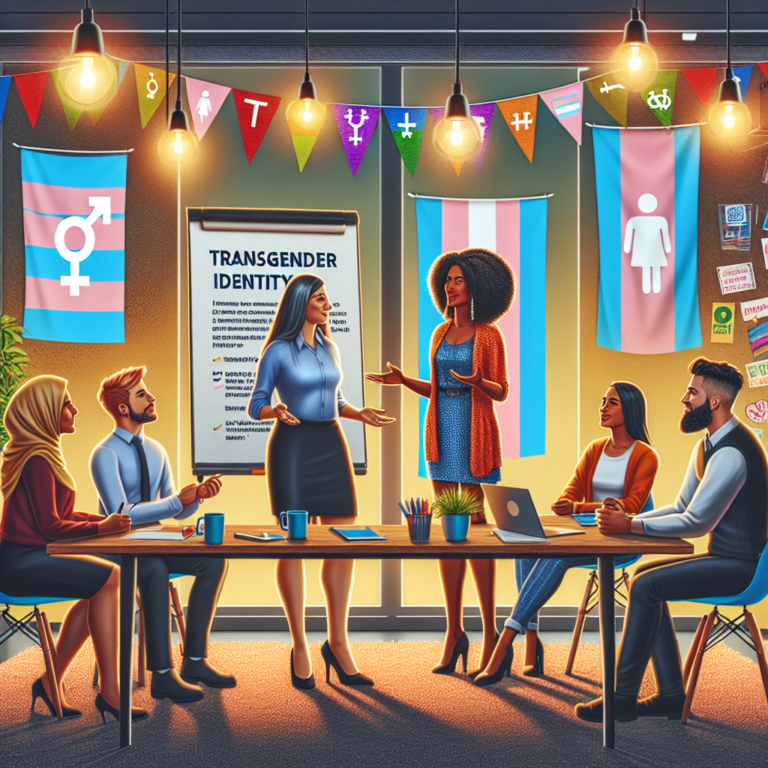
Raising awareness about intersectionality can empower individuals to recognize their own privileges and biases. Educational programs that emphasize the interconnectedness of social issues can foster solidarity among diverse groups.
Inclusive Activism
Activism must include voices from all backgrounds, ensuring that strategies reflect the complexities of individuals’ lives. Collaborative efforts among different social justice movements can maximize impact.
Strengthening Policies
Advocacy for policies that specifically account for intersecting identities can prevent perpetuating systemic inequities. This means actively engaging with those affected by gender inequality to understand their unique challenges.
Conclusion
The concept of Intersectionality and Gender Inequality: Understanding the Layers of Discrimination reveals the urgency of addressing systemic injustices at their root. As we continue to explore and elevate diverse perspectives, we create a stronger foundation for building a more equitable society.
Addressing gender inequality through an intersectional lens is not merely a social justice issue; it’s a fundamental step toward achieving human rights for all. By understanding and embracing the complexities of individual experiences, we can inspire a collective movement toward true equality.
FAQs
1. What is intersectionality in simple terms?
Intersectionality is a framework that examines how various social identities—like race, gender, and class—interact to create overlapping systems of discrimination or privilege.
2. Who coined the term intersectionality?
Legal scholar Kimberlé Crenshaw coined the term in 1989 to describe how different categories of identity intersect and affect individuals’ experiences in society.
3. How does intersectionality relate to gender inequality?
Intersectionality and gender inequality are interconnected because individuals often face unique challenges based on the combination of their identities, such as racial background, socioeconomic status, and more.
4. Why is traditional feminism often criticized?
Traditional feminism often centers around the experiences of white, middle-class women, neglecting the challenges faced by women of color, LGBTQ+ individuals, and those from lower socioeconomic backgrounds.
5. What can I do to promote intersectional awareness?
You can promote intersectional awareness by educating yourself and others about diverse identities, advocating for inclusive policies, and supporting organizations that uplift marginalized communities.
By diving deep into the topic of intersectionality and gender inequality, we can all contribute to a more just and inclusive society. The path may be complex, but each step taken toward understanding those layers is a step closer to genuine equality.
About the Author