


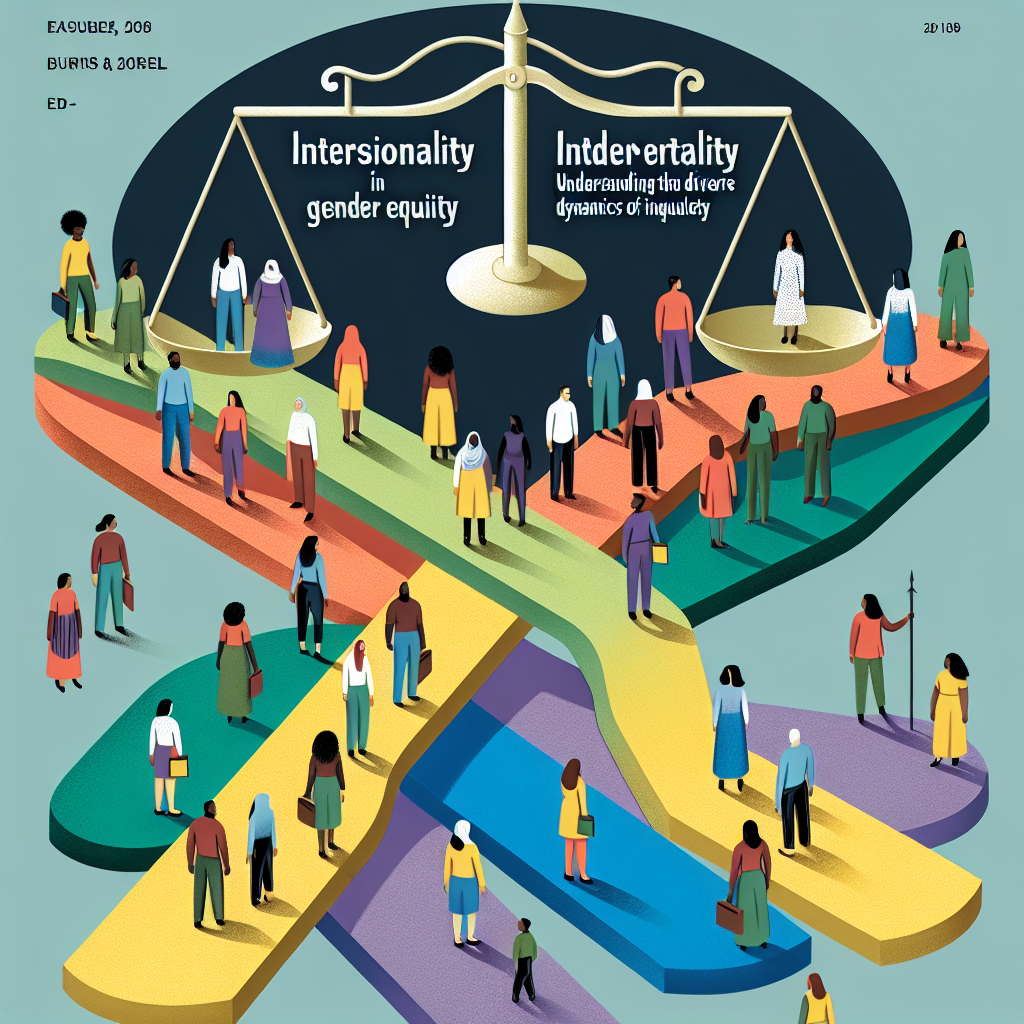
Introduction: The Urgent Call for Intersectional Understanding
In a world where social justice movements are more prominent than ever, the concept of intersectionality in gender equity emerges as a crucial framework for understanding the complexities of inequality. Intersectionality illuminates how various social identities—such as race, ethnicity, sexual orientation, religion, and socioeconomic status—interact to shape unique experiences of discrimination or privilege. As we delve into Intersectionality in Gender Equity: Understanding the Diverse Dynamics of Inequality, it becomes clear that ignoring these intersections leads to the oversimplification of our struggles for equality. This article is aimed at providing deep insights into this multifaceted model and illuminating its significance in paving the way for a more equitable society.
The Framework of Intersectionality
What is Intersectionality?
Coined by legal scholar Kimberlé Crenshaw in the late 1980s, intersectionality explores how various systems of oppression overlap and compound one another. For instance, a Black woman may face issues that differ greatly from those encountered by a white woman, or a LGBTQ+ individual from a marginalized community might experience discrimination that cannot be understood through a single-axis lens like gender or race alone.
Table 1: Key Aspects of Intersectionality
| Aspect | Description |
|---|---|
| Social Identities | Includes gender, race, class, sexual orientation, etc. |
| Systems of Oppression | How different forms of discrimination intersect. |
| Unique Experiences | Individual experiences shaped by multiple identities. |
The Importance of Understanding Intersectionality
Understanding intersectionality in gender equity helps policymakers, activists, and scholars create robust solutions that acknowledge the range of experiences among different groups. By recognizing how different types of discrimination intersect, we can work towards more inclusive policies, advocacy strategies, and educational frameworks.
Case Study 1: Gender and Race in the Workplace
In 2019, a report by the National Women’s Law Center highlighted the disproportionate rates at which women of color experienced pay disparities compared to their white counterparts. For example, while white women earned 79 cents to the dollar relative to white men, Black women earned only 63 cents, and Latina women earned just 54 cents. This significant wage gap illustrates the intersection of race and gender, underscoring the urgency of addressing these disparities.
Analysis
This case study demonstrates that understanding intersectionality in gender equity is vital for formulating effective strategies to close the wage gap. Simple gender-based approaches would overlook the additional layers of discrimination faced by women of color.
The Intersection of Economic Status and Gender
Class Disparities in Gender Equity
Socioeconomic status plays a critical role in how one experiences gender relations. Women from lower economic backgrounds are often doubly disadvantaged not just by their gender but also by their class. They might struggle with access to healthcare, education, and stable employment, largely because of systemic exploitation within economic systems.
Case Study 2: Access to Education
In various low-income areas, such as parts of Sub-Saharan Africa, girls are frequently unable to attend school due to not only gender bias but also economic factors like family poverty or cultural practices that prioritize the education of boys over girls. According to UNESCO, an estimated 130 million girls worldwide were out of school in 2020, which is a direct reflection of not only gender inequality but also class dynamics.
Analysis
This illustrates the necessity of a comprehensive approach to gender equity that considers both gender and socioeconomic status. Programs that focus solely on gender without addressing economic barriers are unlikely to yield substantial progress.
The Role of Sexual Orientation in Intersectionality
LGBTQ+ Dynamics and Gender Equity
Consideration of sexual orientation is essential when examining intersectionality in gender equity. Members of the LGBTQ+ community often face substantial discrimination that intersects with gender norms and expectations.
Case Study 3: The Experience of Trans Women
Trans women, particularly those from marginalized racial backgrounds, encounter a staggering rate of violence and discrimination. A 2021 Human Rights Campaign report noted that transgender individuals are disproportionately affected by hate crimes, and Black transgender women are at an even greater risk.
Analysis
This case reinforces the importance of intersectionality in addressing issues of violence and discrimination. Ignoring the specific challenges faced by trans individuals would undermine efforts toward comprehensive gender equity.
The Global Perspective
Intersectionality Across Cultures
While intersectionality provides a useful framework in many Western contexts, cultural dynamics significantly shape the experience of gender equity around the globe.
Case Study 4: Feminism in the Global South
In regions across the Global South, local feminists often emphasize activism that incorporates considerations of colonialism, capitalism, and globalization with gender struggles, which is crucial in securing gender rights that are reflective of their specific cultural contexts.
Analysis
This underscores the necessity for a localized feminist approach that respects cultural dynamics and recognizes how they intersect with gender, race, and economic disparities.
Table 2: Global Feminism and Intersectionality
| Region | Key Issues |
|---|---|
| Global North | Focus on workplace equality, reproductive rights. |
| Global South | Health care access, education, and economic justice. |
| Indigenous Rights | Land rights, preservation of culture, and self-determination. |
Moving Toward Solutions: Practical Applications
Advocacy and Policy Changes
To address the complexities of intersectionality in gender equity, advocacy must consider multiple layers of identity.
-
Inclusive Policy Making: Implement policies that specifically consider intersectionality while framing laws, especially in sectors like education and employment.
-
Community Programs: Establish community programs that focus on the unique experiences of women from various backgrounds and identities.
- Education and Training: Develop training for organizations that includes intersectional frameworks, ensuring staff understand and can work with diverse populations.
Encouraging Grassroots Movements
Grassroots advocacy is essential for driving local change. By empowering communities to articulate their experiences of intersectionality, more tailored and effective solutions can emerge.
Conclusion: An Inspirational Takeaway
Intersectionality in gender equity is not just a theoretical concept; it is an essential lens through which to understand and address the diverse dynamics of inequality. By recognizing and valuing the interconnectedness of social identities and systems of oppression, we can move toward a more equitable world where everyone has the opportunity to thrive. The call to action is clear: educate yourself, engage in discussions, and advocate for policies that uplift all marginalized voices. The journey toward equality requires your participation.
FAQs
1. What is intersectionality, and why is it important?
Answer: Intersectionality is a framework for understanding how various social identities intersect to create unique experiences of discrimination or privilege. It is crucial for addressing the complexities of inequality in gender equity.
2. How does intersectionality affect women in the workplace?
Answer: Women from marginalized backgrounds often experience compounded discrimination, leading to significant wage gaps and barriers in advancement. Understanding these intersections is essential for effective policy-making.
3. Can you provide an example of intersectionality in education?
Answer: In many low-income regions, girls are less likely to attend school due to economic factors and gender bias. Addressing both educational and socioeconomic barriers is necessary for equitable access.
4. Why is it important to include LGBTQ+ experiences in discussions of gender equity?
Answer: LGBTQ+ individuals, especially within communities of color, often face unique struggles that must be recognized to develop comprehensive gender equity policies that protect all identities.
5. How can individuals contribute to intersectionality in gender equity efforts?
Answer: Individuals can contribute by educating themselves and others, supporting intersectional advocacy efforts, engaging with marginalized communities, and promoting inclusive policies within their organizations.
By navigating these complex waters with an understanding of intersectionality, we can take meaningful strides toward true equity—a goal that benefits us all.

