


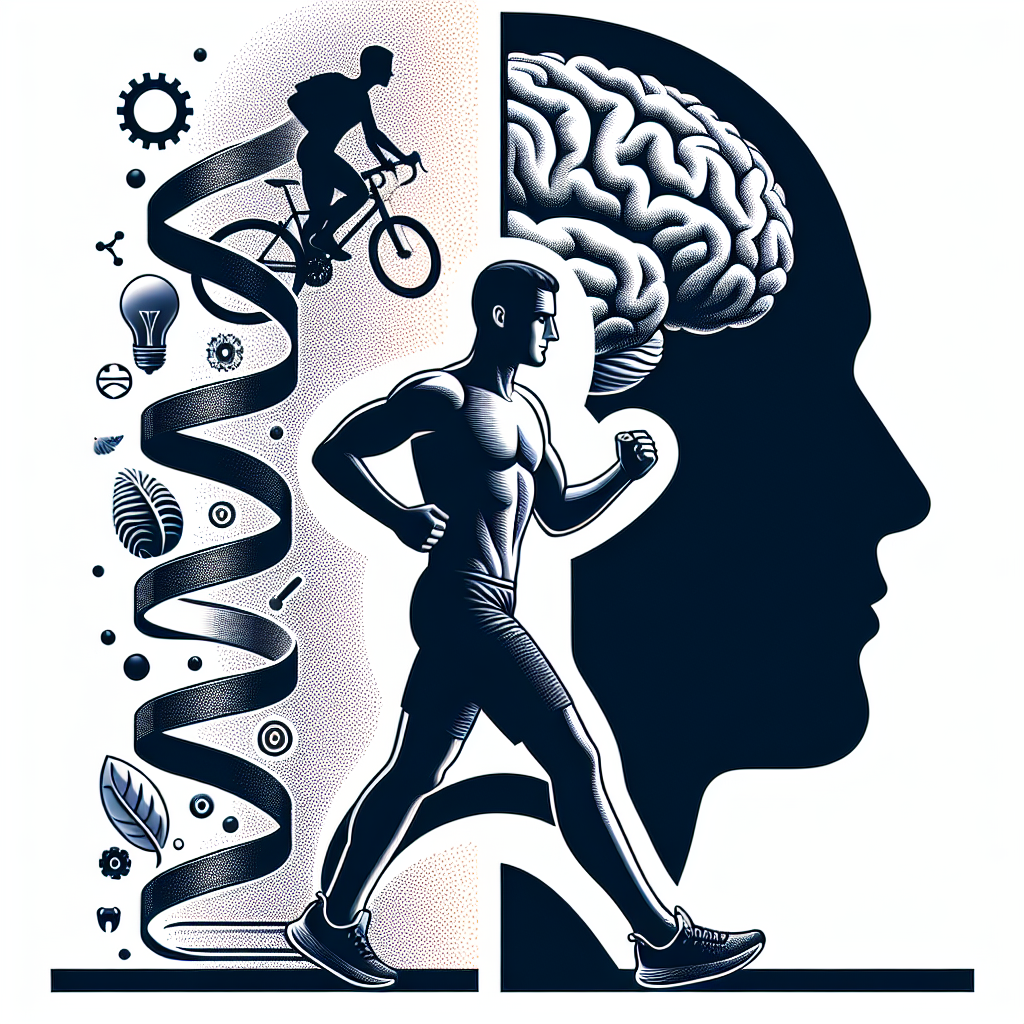
Is Exercise the Best Medicine? Unpacking the Proven Benefits for Mental Health
Introduction
In a world where stress, anxiety, and depression are prevalent, the quest for effective mental health solutions has never been more critical. While traditional therapies and medications play essential roles, a growing body of research suggests that one simple, accessible practice might rival them all: exercise. This article will deeply explore the question, Is Exercise the Best Medicine? Unpacking the Benefits for Mental Health, and reveal how this powerful tool can transform our well-being.
The Rising Mental Health Crisis
The Stats Speak
The World Health Organization (WHO) reported that one in four people will experience a mental health issue at some point in their lives. With numbers on the rise, the need for effective, accessible interventions is urgent. Many are seeking alternatives to medication, either due to side effects, stigma, or a personal preference for holistic approaches. Exercise may just be that solution.
Understanding Exercise and Mental Health
How Physical Activity Affects Your Brain
Exercise doesn’t just benefit our bodies; it profoundly impacts our mental well-being. When we engage in physical activity, our bodies release endorphins—chemicals that act like natural painkillers and mood elevators. But the effects of exercise go beyond just these "feel-good" hormones. Here’s how exercise can serve as a critical component in mental health treatment:
-
Stress Reduction: Regular exercise decreases levels of the body’s stress hormones, such as adrenaline and cortisol. By reducing these chemicals, individuals experience lower anxiety and a calmer mindset.
-
Enhanced Mood: Engaging in physical activity leads to increased production of serotonin, a neurotransmitter that helps regulate mood. This is particularly important for those suffering from depression.
- Cognitive Functioning: Regular physical activity promotes neurogenesis—the formation of new neurons—which can help enhance cognitive functioning and memory.
Case Study 1: The Runner’s High
Research has shown that endurance athletes, such as runners, often report a "runner’s high"—a euphoric feeling during or after running. One study followed a group of marathon runners and observed significant decreases in anxiety and depression scales after training. This phenomenon highlights how endorphins and time spent exercising can dramatically enhance mood.
Analyzing these findings emphasizes that exercise serves as both prevention and treatment for mental health conditions.
Various Forms of Exercise and Their Benefits
Aerobic vs. Anaerobic Exercise
While any form of movement is beneficial, the type of exercise can influence its effects on mental health:
Aerobic Exercise
Exercises like running, swimming, and cycling are categorized as aerobic activities. Research indicates that even brief sessions can enhance mood and reduce symptoms of anxiety.
| Type | Benefits | Recommended Duration |
|---|---|---|
| Running | Boosts endorphins, improves sleep | 30 minutes, 3-5 times a week |
| Swimming | Reduces stress, rehabilitates injuries | 20-60 minutes, 2-3 times a week |
| Cycling | Enhances cardiovascular health | 30 minutes, 3-4 times a week |
Anaerobic Exercise
Activities such as weightlifting and high-intensity interval training (HIIT) fall under this category. Some studies suggest strength training can also reduce symptoms of anxiety and depression.
Case Study 2: Strength Training and Mental Health
A study conducted by the University of Arkansas explored the effects of strength training on college students experiencing mild depression. Participants who engaged in strength training twice a week reported significantly reduced depressive symptoms over the semester.
This case illustrates how incorporating strength training into an exercise regimen can provide benefits akin to traditional treatments for mental health issues. When pondering, Is Exercise the Best Medicine? Unpacking the Benefits for Mental Health, the evidence strongly supports its inclusion as a formidable strategy.
Building a Sustainable Exercise Habit
Finding the Right Fit
To reap the benefits of exercise for mental health, one must first find an activity they enjoy. Whether it’s dancing, hiking, or martial arts, enjoyment is key to consistency. Establishing a routine that feels less like a chore and more like a joy will ensure sustainability over time.
Accountability and Group Activities
Engaging in group exercise can also foster a sense of community, which is invaluable for mental health. Activities such as group fitness classes, team sports, or even casual walking clubs can create social connections that enhance motivation and support.
Case Study 3: The Power of Community
A noteworthy case is the “Exercise is Medicine” initiative, which aims to combat mental health challenges through community-based physical activity programs. Participants reported feeling more connected and motivated when exercising together, leading to enhanced emotional support and improved mood.
In light of these findings, building community around exercise not only promotes physical health but also nurtures mental resilience.
Maze of Misinformation: Debunking Myths
Exercise vs. Medication: A False Dichotomy
Many individuals may feel torn between traditional treatments like medication and natural remedies like exercise. It’s critical to understand that they aren’t mutually exclusive. Exercise can supplement medical treatments, enhancing their effectiveness.
Common Myths About Exercise and Mental Health
-
Myth: You Must Train Intensively for Benefits
Reality: Even light, moderate exercise, such as walking, can improve mood.
-
Myth: Exercise is a Cure-All
Reality: While exercise significantly improves mental health, it may not replace professional care for severe mental illnesses.
- Myth: You Need a Gym Membership
Reality: Exercise can be performed anywhere, using body weight, household items, or simply heading outdoors.
Case Study 4: Unconventional Settings
Research indicates that individuals who exercise in natural environments report greater psychological benefits than those who work out indoors. A group of participants who engaged in outdoor activities reported increased feelings of vitality and decreased tension, illustrating that it’s not just exercise, but also your environment that matters.
This reinforces the idea that exercise fits various lifestyles, offering flexibility as a mental health tool.
Warning Signs: When to Seek Professional Help
Despite the myriad benefits of exercise, there may be instances where personal efforts are not enough. Recognizing when it’s necessary to seek professional help is vital:
- Persistent feelings of sadness, emptiness, or hopelessness
- Experiencing debilitating anxiety that interferes with daily functioning
- Difficulty coping with everyday challenges
It’s crucial to remember that while exercise is a powerful tool for mental health, it’s not always a standalone solution.
Practical Steps for Getting Started
Set Realistic Goals
Begin by setting achievable, measurable goals. This could range from walking 10 minutes a day to attending one exercise class weekly.
Track Your Progress
Keeping a journal or using digital apps to track workouts can enhance motivation and provide a sense of accomplishment.
Mix It Up
Change your routine regularly to avoid monotony. Explore new activities that excite you, whether those are yoga classes or Zumba dance sessions.
Conclusion
As we’ve explored, the question, Is Exercise the Best Medicine? Unpacking the Benefits for Mental Health, is met with overwhelming evidence supporting its critical role in enhancing mental well-being. Exercise not only fosters a healthy body but also cultivates a resilient mind. By embracing physical activity, we don’t just combat mental distress; we empower ourselves to lead fuller, richer lives.
Call to Action
So, why not lace up your sneakers right now? Whether it’s a brisk walk around your neighborhood or joining a local dance class, the journey to better mental health can start today. Remember, small steps can lead to monumental changes.
FAQs
1. How long do I need to exercise to see improvements in my mental health?
Most studies suggest that 20-30 minutes of moderate exercise at least three times a week can lead to noticeable improvements.
2. What types of exercise are best for anxiety relief?
Aerobic exercises, yoga, and even strength training can help reduce anxiety. The key is to find what works for you.
3. Can someone use exercise as a substitute for medication?
While exercise can be an effective adjunct treatment, individuals should consult healthcare professionals before making changes to their medication plans.
4. Do I need professional coaching to start exercising for mental health benefits?
Not necessarily. You can begin on your own or with community groups. Explore various resources before deciding.
5. What if I don’t enjoy exercising?
It’s essential to find activities you enjoy. Activities like dancing, gardening, or playing with pets can also contribute to physical health and mental well-being.
In closing, the journey to mental health doesn’t require extreme measures. By incorporating the simplest form of self-care—exercise—we can nurture our minds and hearts in profound ways.

