


Introduction
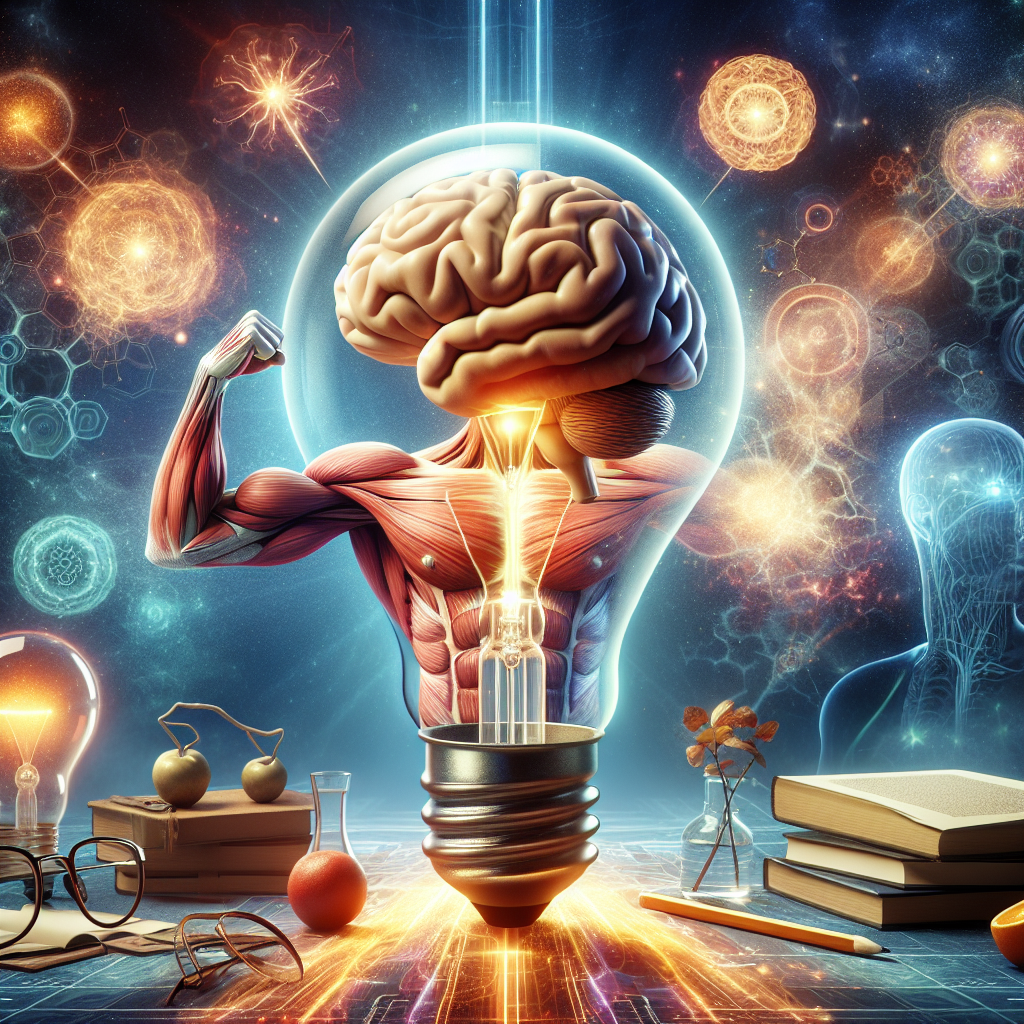
Imagine this: you wake up one day, realizing that your memory isn’t as sharp as it used to be, or perhaps you feel like you’re losing your ability to learn new things. What if I told you that these feelings might not just be a byproduct of aging, stress, or technology-induced distractions? Instead, they could be linked to a powerful concept known as neuroplasticity—the brain’s remarkable ability to rewire itself in response to experiences and challenges. In this ultimate exploration of "Is Your Brain a Muscle? Understanding Neuroplasticity in Everyday Life," we’ll uncover how you can harness this capability to enrich your daily life, enhance learning, and improve mental health.
What is Neuroplasticity?
Neuroplasticity, also known as brain plasticity, refers to the brain’s ability to change and adapt throughout a person’s life. This adaptability occurs at various levels, from cellular changes (in response to learning) to large-scale changes resulting from environmental stimuli or experiences. For a long time, the prevailing belief was that our brains were fixed after a certain age. However, advancements in neuroscience have debunked that myth, showing us how our brains can—and do—form new neural connections and pathways as we engage with the world.
Types of Neuroplasticity
-
Functional Plasticity: This aspect refers to the brain’s ability to move functions from damaged areas to undamaged areas. If one part of the brain is injured, another part can sometimes take over that function.
- Structural Plasticity: This involves the brain’s ability to physically change its structure in response to learning or experience. For example, studies have shown that London taxi drivers have a larger hippocampus, the area of the brain associated with spatial navigation, due to their extensive training.
Real-World Applications of Neuroplasticity
Neuroplasticity manifests in various aspects of our daily lives, from childhood learning environments to adult skill acquisition and even rehabilitation after injury. Consider the following case studies:
Case Study 1: Language Acquisition in Children
Young children have an astonishing ability to learn languages rapidly. Neuroscientific research suggests that their brains are biologically wired for this task, demonstrating high levels of plasticity. A study published in the Journal of Neuroscience outlined that infants exposed to multiple languages show structural changes in brain regions associated with language processing, emphasizing the critical window for language learning during early development.
Analysis: This demonstrates how our brain’s adaptability can facilitate skill acquisition, especially during formative years. It compounds the argument that fostering a rich learning environment for children can significantly boost their cognitive capabilities.
Case Study 2: Recovery from Stroke
Consider a 65-year-old woman who suffered a stroke that affected her ability to speak. After months of intensive speech therapy, she regained much of her language ability. Research shows that during rehabilitation, her brain formed new pathways, compensating for the areas lost to injury. In her case, targeted exercises led to neuroplastic changes that allowed her to utilize different regions of the brain to communicate effectively again.
Analysis: This case exemplifies that even after significant injuries, the brain’s flexibility allows for recovery and adaptation, emphasizing the profound implications of neuroplasticity in healthcare and rehabilitation.
How to Harness Neuroplasticity in Everyday Life
One would naturally wonder: how can we actively promote neuroplasticity for our personal growth and mental well-being? Here are actionable strategies.
1. Continuous Learning
Engaging in new, challenging activities stimulates the brain. This could be anything from picking up a musical instrument to learning a new language or even tackling complex puzzles.
Tips:
- Set a learning goal (e.g., learn five new words in a foreign language every week).
- Use apps for language learning such as Duolingo or Babbel.
2. Physical Exercise
Regular physical activity doesn’t just keep the body healthy; it also promotes brain health. Exercise increases blood flow to the brain, stimulating the growth of new neurons (neurogenesis).
Table 1: Benefits of Physical Exercise on Brain Health
| Type of Exercise | Brain Region Influenced | Benefits |
|---|---|---|
| Aerobic (e.g., running) | Hippocampus | Enhances memory |
| Strength training | Prefrontal cortex | Improves executive functions |
| Coordination (e.g., dancing) | Basal ganglia | Improves motor skills |
3. Mindfulness and Meditation
Mindfulness practices like meditation and yoga have been shown to increase grey matter density in the brain, enhancing cognitive flexibility and emotional regulation.
Tips:
- Start with short (5–10 minutes) daily meditation using guided apps like Headspace or Calm.
- Incorporate yoga to facilitate mind-body connection and brain health.
4. Social Connections
Strong social networks can positively influence mental health. Engaging in meaningful relationships and social activities encourages emotional resilience and cognitive growth.
Tips:
- Schedule regular catch-ups with friends or family.
- Participate in group classes or community activities.
5. Challenges and New Experiences
Don’t shy away from challenges—seek them out! Trying new things, whether it’s travel, new hobbies, or even tackling new responsibilities at work, can foster neuroplasticity.
Conclusion
In summary, the question "Is Your Brain a Muscle? Understanding Neuroplasticity in Everyday Life" invites us to consider how adaptable our brains truly are. Every effort we put into learning, exercising, and engaging socially does more than just enrich our lives; it fundamentally reshapes our brains and enhances cognitive capacity.
So, what’s stopping you? Start small! Implement one or two of these strategies into your daily routine, and before long, you may find that your brain feels like it’s been revitalized—flexible, capable, and ready for more. Remember, the path to a healthier brain is laid with curiosity, exploration, and the courage to embrace growth.
FAQs
1. Can you increase your IQ through neuroplasticity?
Yes, while you can’t drastically change your IQ, engaging in activities that challenge the brain, like solving puzzles or learning new skills, may enhance cognitive abilities and improve problem-solving skills.
2. How long does it take for neuroplastic changes to occur?
It can vary widely but typically, consistent practice of a new skill or habit may begin to show changes in your brain’s structure within a few weeks to a few months.
3. Are there age limits to neuroplasticity?
No, neuroplasticity occurs throughout life. While younger individuals may exhibit faster adaptability, adults can still develop new skills and recover from brain injuries effectively.
4. Can neuroplasticity help with mental health issues?
Absolutely! Techniques like cognitive therapy can promote neuroplastic changes that improve emotional regulation and resilience, addressing various mental health concerns.
5. Is there a way to measure neuroplasticity?
While direct measurement can be complex and often involves advanced imaging techniques, behavioral changes, or improvements in skills can be practical indicators of neuroplasticity at work.
This journey through "Is Your Brain a Muscle? Understanding Neuroplasticity in Everyday Life" emphasizes that the potential for growth and improvement lies within us all, waiting to be tapped into through conscious effort, learning, and experience. So why not take the first step today?


The PsyForU Editorial Collective is the research and editorial team of PsyForU Research International. The collective prepares educational, psychological, mental-health-awareness, inclusion, neurodiversity, and research-methodology content for students, parents, educators, researchers, and general readers. PsyForU content is intended for awareness, education, and capacity-building and should not be treated as clinical diagnosis, therapy, medical advice, legal advice, or emergency mental-health support.