Introduction
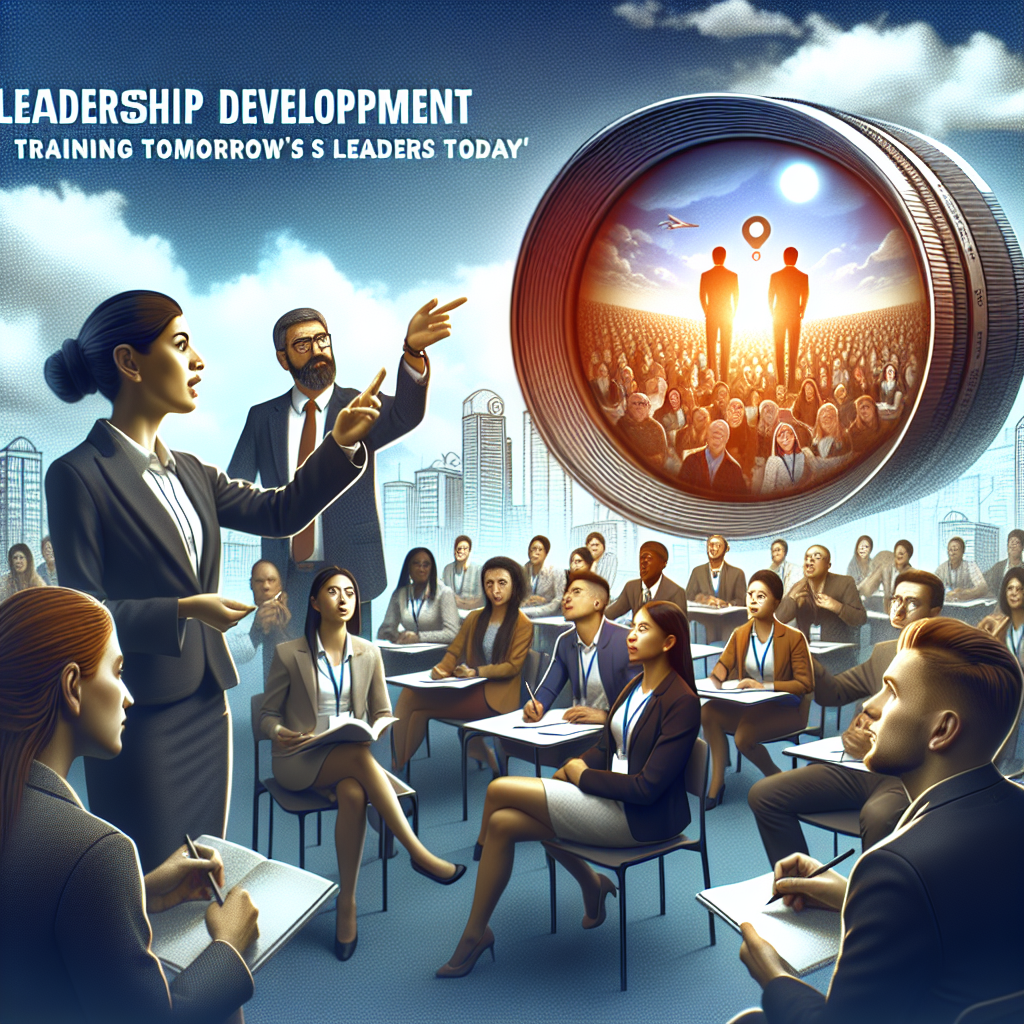
In a world characterized by rapid change and complexity, the need for effective leadership has never been more critical. Organizations face various challenges, from technological disruptions to shifting workforce dynamics. This is where Leadership Development Through an I-O Lens: Training Tomorrow’s Leaders Today comes into play. By adopting an Industrial-Organizational (I-O) psychology perspective, organizations can effectively cultivate future leaders who can navigate these challenges with agility and purpose.
The importance of preparing leaders for tomorrow cannot be overstated. According to a recent study, organizations with a strong leadership pipeline outperform their competitors in terms of revenue growth and employee satisfaction. This article will delve into how I-O psychology provides essential frameworks and methods for developing leaders, ensuring a thriving future for organizations.
The Importance of I-O Psychology in Leadership Development
What is Industrial-Organizational Psychology?
I-O psychology is the scientific study of human behavior in organizations and the workplace. It focuses on understanding how individuals and teams operate within various organizational contexts. By leveraging principles of psychology, I-O professionals evaluate, develop, and implement strategies to enhance productivity, employee well-being, and leadership effectiveness.
The Role of I-O Psychology in Leadership Development
Leadership Development Through an I-O Lens: Training Tomorrow’s Leaders Today empowers organizations to implement structured, evidence-based approaches to leadership training. Core areas where I-O psychology excels include:
- Assessment and Selection: I-O psychologists create tools to evaluate potential leaders based on their cognitive abilities, personality traits, and interpersonal skills.
- Training and Development: By employing tailored training programs that focus on real-world challenges, organizations can enhance the competencies and confidence of future leaders.
- Feedback and Evaluation: Continuous feedback mechanisms can be integrated to ensure that leaders are not only effective but also aligned with organizational values.
Leadership Traits and Skills for the Future
Essential Leadership Qualities
A successful leader today must possess qualities that resonate with a modern workforce. Here are some essential traits:
| Trait | Description |
|---|---|
| Emotional Intelligence (EI) | The ability to understand and manage one’s emotions, and those of others. |
| Adaptability | Ability to pivot strategies based on changing circumstances. |
| Communication | Strong verbal and written skills that foster collaboration. |
| Visionary Thinking | Capacity to see beyond the immediate future and inspire others. |
Case Study: Google’s Leadership Development Program
Google has long been recognized for its innovative approach to leadership development. The company employs a structured program informed by I-O principles to identify and cultivate leadership potential. They utilize data analytics to assess employee performance and engagement, tailoring development programs to meet individual needs.
Analysis of Google’s Approach
Google’s method exemplifies how I-O psychology principles can lead to high-performance leadership. Their emphasis on data-backed development, combined with a supportive culture, creates an environment where future leaders can thrive.
Implementing Leadership Development Programs
Best Practices for Developing Future Leaders
To implement effective leadership development programs, organizations should consider the following:
Customized Training Modules: Align training with organizational goals and individual leadership aspirations.
Mentoring and Coaching: Pair future leaders with seasoned professionals to facilitate knowledge transfer and skill acquisition.
360-Degree Feedback: Utilize comprehensive feedback mechanisms to help leaders understand their strengths and areas for improvement.
Simulated Experiences: Create real-world scenarios where future leaders can practice decision-making and team management in a controlled environment.
- Data-Driven Evaluation: Regularly assess the effectiveness of training programs using quantitative metrics.
Case Study: IBM’s Leadership Academy
IBM’s Leadership Academy focuses on upskilling their leaders through immersive learning experiences. Their program emphasizes diversity and inclusion, ensuring that a wide array of voices and perspectives shape leadership.
Analysis of IBM’s Strategy
By integrating I-O practices that advocate for diversity and inclusivity, IBM is not only developing effective leaders but also fostering a corporate culture that is innovative and adaptive.
Measuring the Impact of Leadership Development
Key Performance Indicators (KPIs)
Measuring the success of leadership development initiatives is essential. Here are some KPIs organizations can track:
| KPI | Measurement Method |
|---|---|
| Employee Engagement | Regular surveys to assess satisfaction and involvement. |
| Retention Rates | Monitor turnover rates pre- and post-leadership training. |
| Performance Metrics | Compare team performance and productivity before and after. |
| Promotion Rates | Track the career progression of participants in development programs. |
Analyzing Data for Continuous Improvement
Organizations should adopt a continuous improvement mindset. Analyze collected data to identify trends, successes, and areas needing modification. By correctly interpreting data, you can tailor the training to better suit future needs.
Conclusion
Leadership Development Through an I-O Lens: Training Tomorrow’s Leaders Today is not just a transformative approach; it’s an essential investment in the future of organizations. By harnessing I-O psychology principles, companies can systematically develop leaders who are well-equipped to handle the complexities of modern organizational challenges.
To create a thriving leadership pipeline, organizations need to focus on emotional intelligence, adaptability, and effective communication while leveraging structured training programs. The lessons from case studies like Google and IBM illustrate that tailored training solutions combined with data-driven evaluation can lead to a cohort of effective leaders.
More than just a buzzword, leadership development is the lifeline for sustainable growth. As businesses continue to evolve, let us take proactive steps today to ensure our leaders are prepared for tomorrow.
FAQs
1. What is the core focus of I-O psychology in leadership development?
I-O psychology focuses on improving organizational performance and employee well-being through methodologies that assess, develop, and support effective leadership.
2. How do I implement an effective leadership training program?
Begin by identifying organization-specific goals, customizing training modules, employing mentoring, and utilizing comprehensive feedback mechanisms.
3. What role does emotional intelligence play in leadership?
Emotional intelligence enhances leaders’ interactions with team members, enabling better collaboration and conflict resolution.
4. How can I measure the success of our leadership development initiatives?
Use KPIs such as employee engagement surveys, retention rates, performance metrics, and promotion rates to gauge the effectiveness of your initiatives.
5. Why is diversity important in leadership development programs?
Diversity fosters innovation and better decision-making, as it brings in a range of perspectives and ideas, essential for effective leadership in a globalized environment.
In summary, to build a robust leadership pipeline, organizations must invest in tailored development programs, embracing an I-O psychology perspective that prepares leaders for the complexities of tomorrow’s workplace.
About the Author