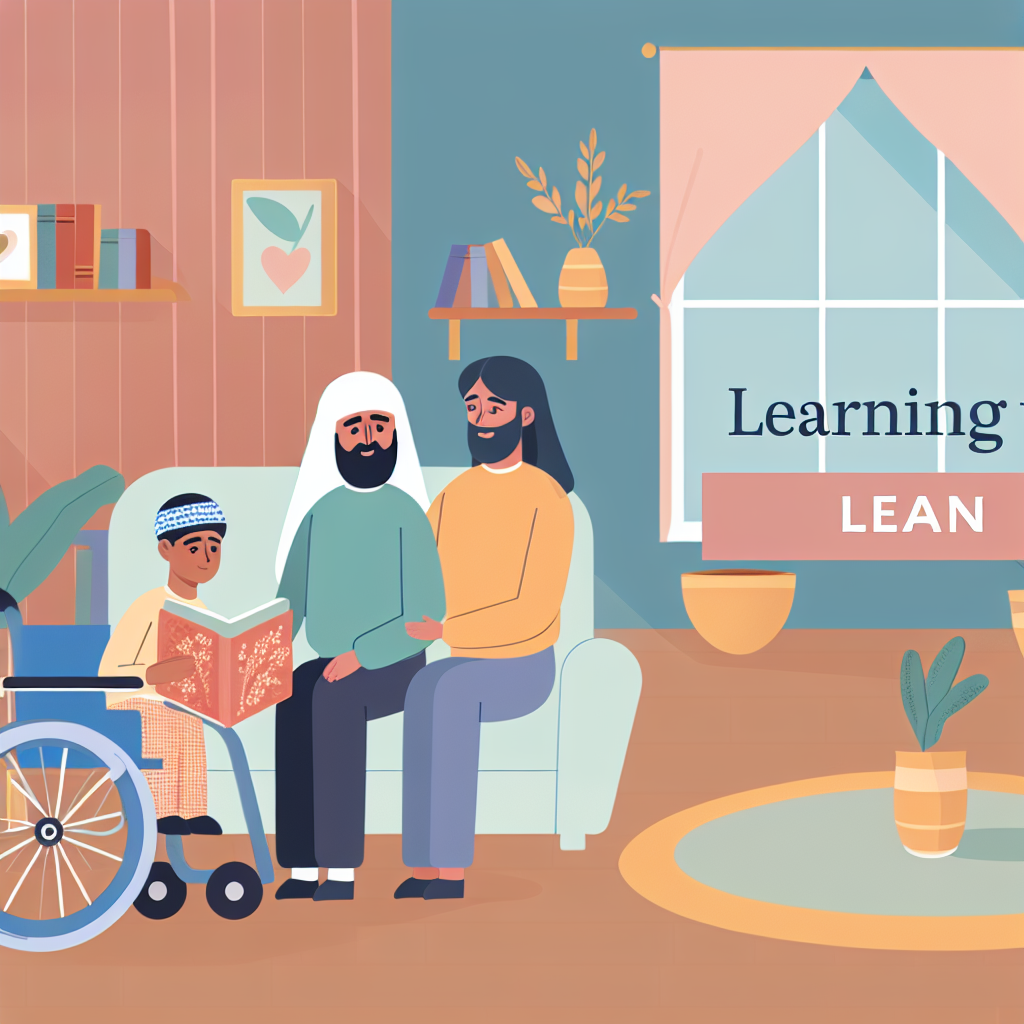
Learning to Lean: Essential Emotional Support Strategies for Parents of Disabled Children
Introduction
Parenting is often described as one of the most rewarding yet challenging experiences in life, but for parents of disabled children, the emotional landscape can be particularly complex. The journey of raising a child with disabilities encompasses not only the joy of milestones but also the weight of worry, stress, and uncertainty. This is where the concept of "Learning to Lean" becomes crucial. It embodies the art of relying on community, professional support, and emotional resilience to navigate the turbulent waters of special needs parenting.
In this article, we will explore essential emotional support strategies for parents of disabled children, offering practical insights, relatable case studies, and a roadmap for building an empowering support network. By the end of our journey together, you’ll discover that while the road may be steep, it is filled with invaluable lessons, profound connections, and hopeful outcomes.
Understanding Emotional Support
What Is Emotional Support?
Emotional support involves the provision of empathy, care, love, and understanding that can mitigate feelings of isolation or stress. For parents of disabled children, emotional support can take various forms—whether through social connections, professional counseling, or community resources. Recognizing the various layers of emotional support is the first step in learning to lean on the available resources.
The Importance of Emotional Support for Parents
The emotional burden of caring for a disabled child can lead to feelings of burnout, anxiety, and depression. Research indicates that parents of disabled children often experience higher levels of stress compared to those who do not face similar challenges. This emphasizes the need for robust emotional support strategies.
| Statistical Insight | Impact on Parents |
|---|---|
| 50% of parents experience anxiety or depression | Increased stress levels impacting well-being |
| 70% report feeling isolated | Difficulty in seeking help or connection |
| Less than 30% seek professional support | Stigma surrounding mental health issues |
Emotional Support Strategies
1. Building a Support Network
Case Study: The Johnson Family
The Johnsons experienced a whirlwind of emotions when their son was diagnosed with autism. Initially feeling isolated, they decided to connect with other families through local support groups. Through these gatherings, they discovered shared experiences, tips, and emotional relief.
Analysis
This case illustrates the profound impact of community support. They not only gained emotional resilience but also practical strategies for managing daily challenges.
2. Engaging in Professional Counseling
Seeking professional help can provide parents with the tools they need to manage stress and anxiety effectively.
Benefits
- Perspective: Professionals can offer an outsider’s view that helps in reframing situations.
- Coping Strategies: Therapists can provide customized coping mechanisms tailored to the parent’s unique circumstances.
3. Practicing Self-Care
When the focus tends to be entirely on the child, parents often neglect their own needs.
Simple Self-Care Activities
| Self-Care Activity | Impact |
|---|---|
| Meditation | Reduces anxiety |
| Journaling | Provides clarity |
| Physical activity | Increases mood |
Case Study: Laura’s Journey
Laura, a mother of two, found solace in daily walks and journaling. By prioritizing her mental health, she reported improved interactions with her children and reduced stress levels.
4. Harnessing Online Resources
The digital landscape has expanded to offer a plethora of resources for parents.
Must-Visit Online Resources
- Forums and Communities: Platforms like Reddit and Facebook have groups specifically for parents of disabled children.
- Webinar Series: Many organizations provide free educational webinars.
5. Establishing a Routine
Creating a structured daily routine can lower anxiety for both the child and the parent.
Benefits of Routines
- Provides clarity and predictability, reducing stress
- Helps in building a sense of normalcy
Case Study: The Martinez Family
The Martinezes implemented a structured routine for their visually impaired son. This not only made daily tasks more manageable but also allowed them to enjoy quality family time.
6. Encouraging Open Communication
Communication with family members can strengthen bonds and ease emotional burdens.
Strategies for Effective Communication
- Active Listening: Giving each member a platform to express feelings.
- Regular Check-Ins: Setting aside time weekly to discuss challenges.
7. Seeking Advocacy Training
Knowledge is power. Parents learning how to advocate effectively can reduce feelings of helplessness.
Benefits of Advocacy Training
- Equips parents with skills to navigate healthcare and educational systems.
- Provides clarity on rights and available resources.
Case Study: The Andersons’ Advocacy Success
The Andersons sought advocacy training, which ultimately empowered them to work collaboratively with their son’s school. This led to tailored educational plans that significantly improved their son’s learning experience.
Conclusion
The emotional challenges faced by parents of disabled children can sometimes feel insurmountable. However, through the combined strategies of building a support network, seeking professional assistance, establishing routines, and prioritizing self-care, parents can learn to lean on their resources and find strength in vulnerability.
Remember, you are not alone. Embracing these emotional support strategies not only benefits you but also creates a nurturing environment for your child. While the path may be winding, the journey holds the potential for growth, connection, and understanding.
FAQs
1. What types of emotional support should I seek as a parent of a disabled child?
Parents can benefit from peer support groups, professional therapy, and community resources that focus specifically on the challenges of parenting a disabled child.
2. How do I find support groups in my area?
Many local hospitals, schools, and community centers offer resources for parents of disabled children. Online platforms also provide a wealth of information and connections.
3. Is it normal to feel overwhelmed?
Yes, feeling overwhelmed is a common experience among parents of children with disabilities. Seeking out emotional support is crucial for managing these feelings.
4. How can I encourage other family members to be involved?
Open communication is key. Encourage family members to participate in activities and share their thoughts and feelings about the challenges at hand.
5. What are some quick self-care tips for busy parents?
Short meditation sessions, brief exercise breaks, or even stepping outside for fresh air can be effective. Prioritize small moments that allow you to recharge.
By implementing the emotional support strategies outlined in this article, parents can effectively navigate the intricate realities of their journey. Remember, learning to lean isn’t just about seeking help; it’s about embracing community, nurturing relationships, and ultimately fostering emotional resilience for yourself and your child.
About the Author


Dr. Leah Howard, Positive Psychology
Dr. Howard is a researcher and advocate for positive psychology, focusing on human strengths, happiness, and well-being. Her writings explore how people can cultivate a positive mindset, improve resilience, and develop emotional intelligence to live fulfilling lives.