Introduction
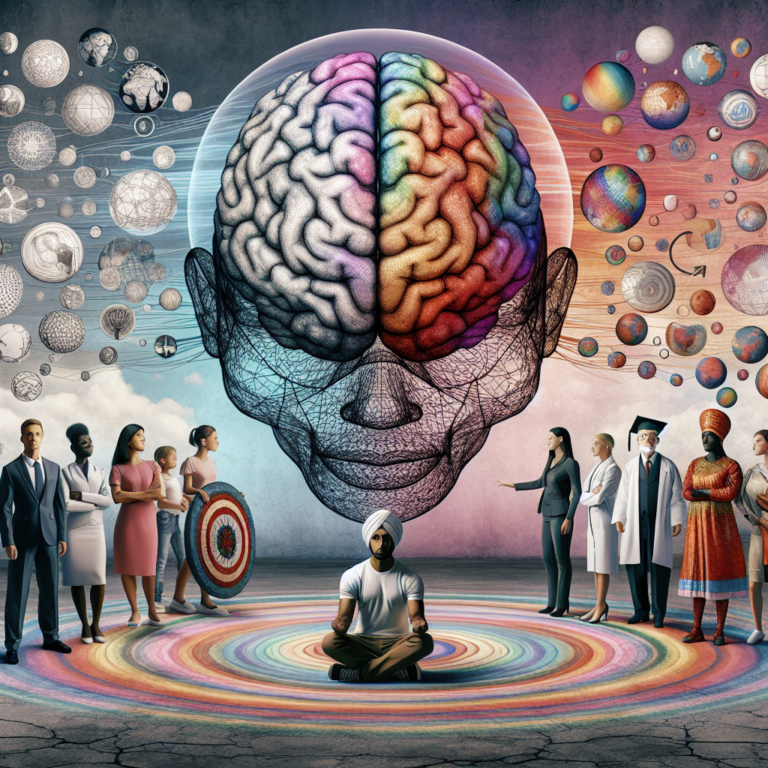
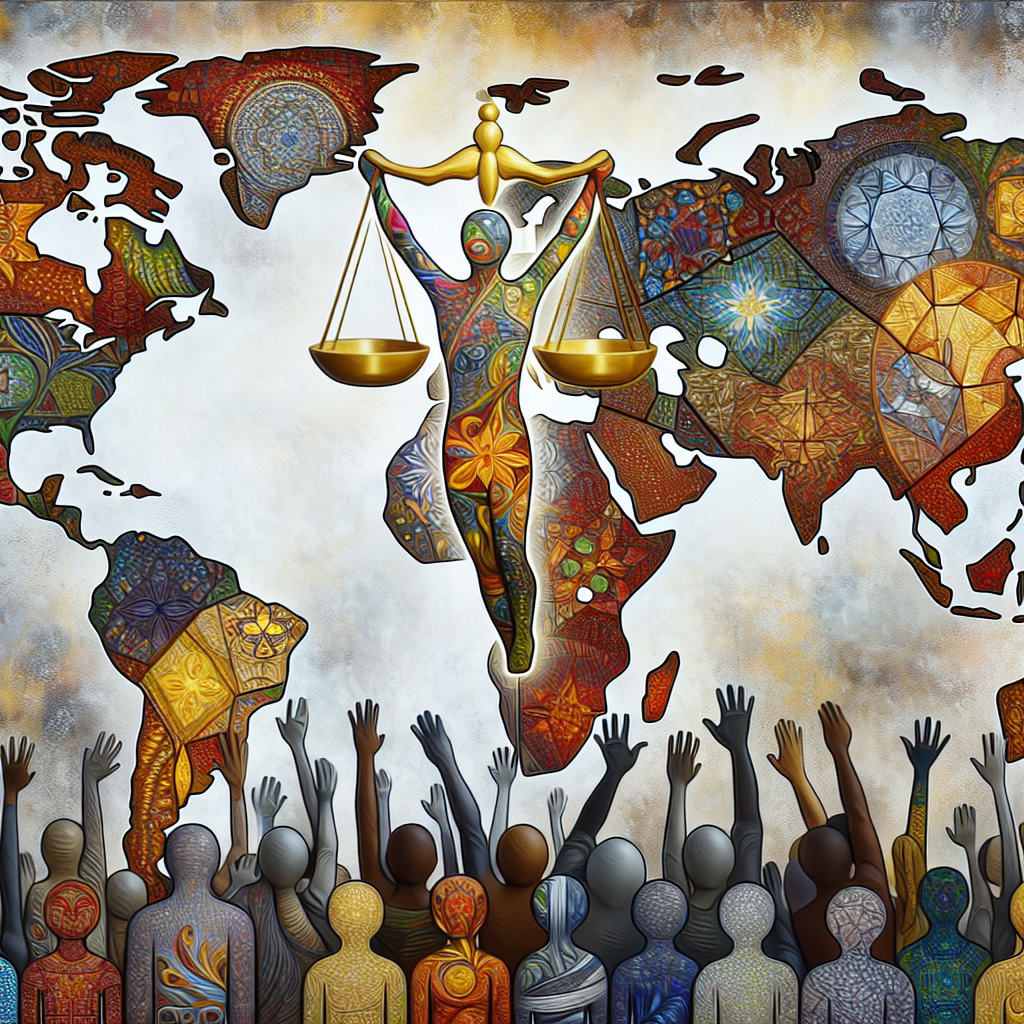
In an era marked by rapid social change and evolving norms, Legal Recognition: The Fight for Identity and Rights in a Changing World has emerged as a critical battleground. Identity can encompass myriad aspects—from gender and sexuality to citizenship and cultural heritage. The quest for legal recognition is not merely a legal challenge; it’s profoundly intertwined with personal dignity, civil rights, and the acknowledgment of existence itself. As societies navigate these complexities, the importance of legal frameworks that affirm individual identity cannot be overstated.
Understanding Legal Recognition
What is Legal Recognition?
Legal recognition refers to the formal acknowledgment of an individual’s identity or rights by the state. This encompasses aspects such as the right to marry, the right to bear a name that reflects one’s identity, and the recognition of gender identity. In many cases, legal acknowledgment is a gateway to societal acceptance and protection against discrimination.
Historical Context
The historical context of legal recognition reveals a long-standing struggle. From the suffragette movement advocating for women’s voting rights to the LGBT+ community’s fight for marriage equality, society has continuously grappled with recognizing diverse identities. Legal recognition has often lagged behind social acknowledgment, reflecting the disparity between law and life.
The Modern Landscape of Legal Recognition
Global Perspectives
Case Study: Same-Sex Marriage
A prime example of the evolving landscape is the legalization of same-sex marriage. Countries like Canada and Germany took bold steps in recognizing these unions, setting a precedent that challenged traditional norms.
Analysis: The success of same-sex marriage legalization underscores a shift in societal attitudes towards LGBTQ+ rights. It highlights how legal frameworks can evolve in response to public demand.
Minority Rights and Cultural Recognition
Case Study: Indigenous Rights
Legal recognition extends beyond individual identities to encompass whole communities. Various countries are recognizing the rights of indigenous peoples, acknowledging land claims, and cultural identities. For example, New Zealand’s Treaty of Waitangi settlements offered Māori communities a formal avenue to reclaim rights and recognition.
Analysis: This case illustrates how legal recognition can facilitate restorative justice and community identity, reinforcing the connection between legal systems and cultural heritage.
The Implications of Legal Recognition
Social Justice and Human Rights
Legal recognition serves as a foundation for broader social justice initiatives. It paves the way for individuals to secure their rights, access resources, and engage fully in civic life. The acknowledgment of identity often correlates with improved mental health outcomes and social acceptance.
Economic Impact
Legal recognition can have profound economic implications as well. When individuals are legally recognized, they can access employment opportunities, health benefits, and social services that might otherwise be out of reach, contributing positively to the economy.
Table: Economic Benefits of Legal Recognition
| Aspect | Impact |
|---|---|
| Employment Access | Increased workforce participation |
| Health Benefits | Lower medical costs for recognized identities |
| Tax Revenue | Boost from increased taxable income |
Challenges in the Fight for Legal Recognition
Resistance and Opposition
Despite progress, many communities face resistance. Societal norms, religious beliefs, and political agendas often create barriers to legal recognition. Movements advocating for change encounter pushback that can be both institutional and grassroots.
Legal Advocacy
Case Study: Trans Rights
In many jurisdictions, transgender individuals face significant hurdles in obtaining legal recognition of their gender identity. Advocacy groups have fought for changes in policies regarding gender markers on identification documents.
Analysis: The ongoing struggle for trans rights exemplifies the challenges faced in legal recognition. In some cases, policy updates lag considerably behind social acceptance, illustrating the need for continuous advocacy.
Intersectionality
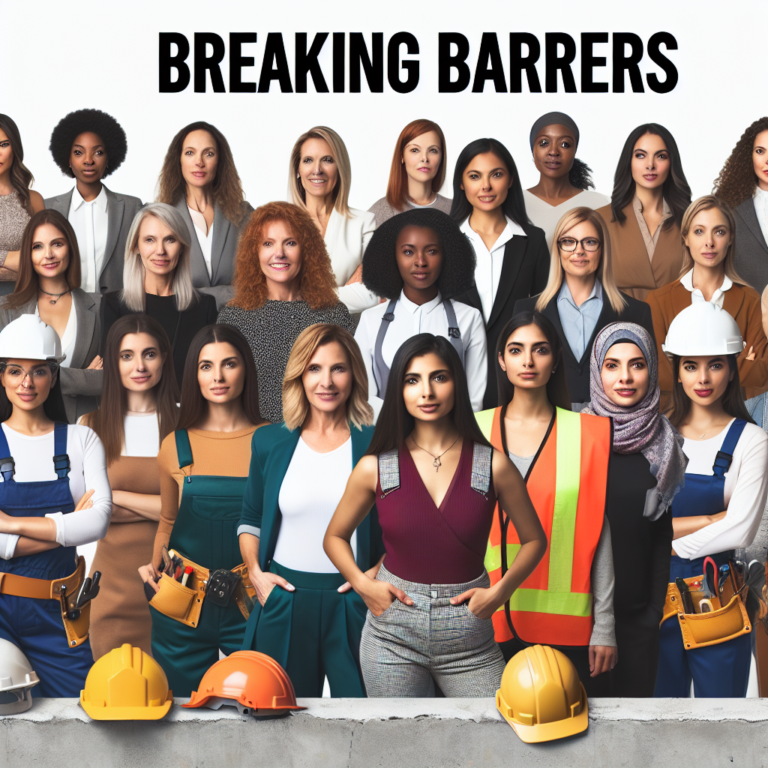
Legal recognition doesn’t occur in a vacuum. The fight is complicated by factors such as race, class, and gender. For instance, women of color often face compounded barriers to legal recognition compared to their white counterparts.
The Role of Technology
The digital age introduces new dynamics to the fight for legal recognition. Social media campaigns and online movements can amplify voices and foster solidarity, but they can also lead to misinformation and backlash.
Future Directions for Legal Recognition
Policy Innovations
Governments worldwide are beginning to recognize the necessity of updating legal frameworks to reflect contemporary realities. Policy reforms aimed at increasing inclusivity are vital to progress.
Case Study: Non-Binary Recognition
Some jurisdictions are introducing non-binary gender markers on official documents, offering a significant milestone in legal recognition. This change acknowledges the existence and rights of individuals who do not identify strictly as male or female.
Analysis: This policy shift symbolizes a broader acceptance of diverse gender identities and sets a precedent for future legal recognitions.
Building Coalitions
Coalition-building among marginalized groups is crucial. When communities unite, their collective power can lead to significant changes in legal recognition.
Global Movements
International movements for human rights often influence national policies. The interconnectedness of social justice globally means that developments in one region can inspire changes in another, facilitating a ripple effect.
Conclusion
In summary, Legal Recognition: The Fight for Identity and Rights in a Changing World is ongoing and fraught with challenges, but it is essential for the advancement of civil liberties. As awareness and advocacy grow, the potential for transformative change becomes increasingly tangible. Each case study discussed illuminates the diverse paths to legal recognition, and emerging trends provide hope for ongoing progress.
The future depends on our collective action. Advocacy can be as simple as educating ourselves and others about the importance of legal recognition. By doing so, we contribute to a society where everyone has the right to exist freely and authentically.
FAQs
1. What is legal recognition?
Legal recognition is the acknowledgment of an individual’s identity or rights by the state.
2. Why is legal recognition important?
It is vital for personal dignity, civil rights, and social acceptance.
3. How do different countries approach legal recognition?
Approaches vary significantly, reflecting cultural and societal values. For instance, some nations have legalized same-sex marriage while others have restrictive policies against LGBTQ+ rights.
4. What role does technology play in legal recognition efforts?
Technology can amplify advocacy efforts and enable greater community organizing, but it also risks misinformation.
5. How can individuals support the fight for legal recognition?
Individuals can support this fight through education, awareness campaigns, and advocating for inclusive policies.
By understanding and acting upon the complexities surrounding Legal Recognition: The Fight for Identity and Rights in a Changing World, we can help foster a more inclusive society.
About the Author