


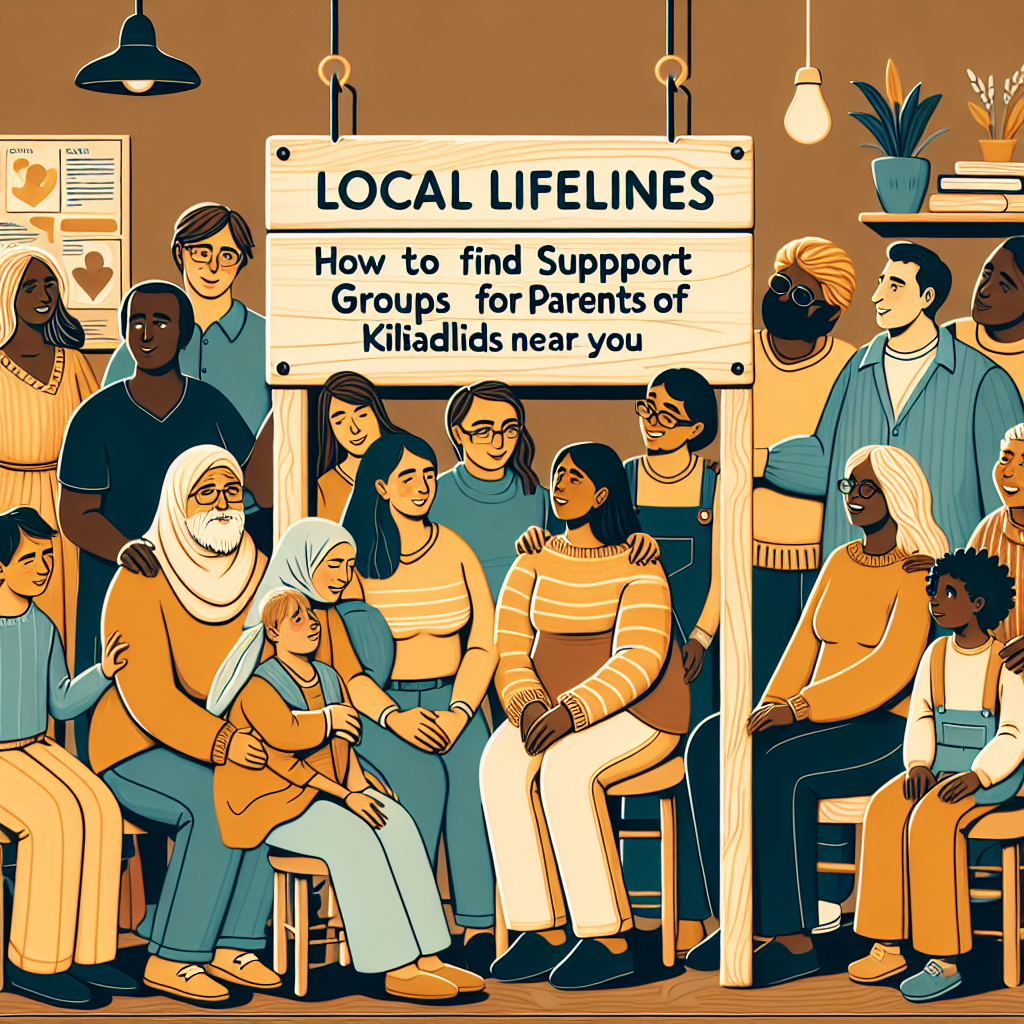
Local Lifelines: How to Find Support Groups for Parents of Disabled Kids Near You
Introduction
Parenting is a journey filled with joy, challenges, and an array of surprises. For parents of children with disabilities, this journey can sometimes feel especially isolating. Support groups serve as essential lifelines, offering emotional support, practical advice, and a community that truly understands the unique experiences these parents face. In this article, we will delve into Local Lifelines: How to Find Support Groups for Parents of Disabled Kids Near You. We’ll discuss the importance of these networks, explore various avenues for finding them, and provide actionable strategies to connect with local support.
Understanding the Need for Support Groups
The Emotional Roller Coaster
Raising a child with disabilities can lead to a spectrum of feelings, from hope and love to frustration and despair. Many parents experience feelings of isolation, which can contribute to anxiety and depression. Case Study: Sarah’s Story illustrates this point. Sarah, a single mother of a son with autism, often felt she was navigating the complexities of parenting alone. By joining a local support group, she found not only companionship but also helpful coping strategies, fundamentally changing her outlook.
The Power of Shared Experience
Support groups provide a unique opportunity for parents to share their experiences. This communal sharing can lead to breakthroughs, as parents offer each other insights based on lived experiences. Case Study: The Johnson Family highlights this. After attending a local meet-up, the Johnsons discovered new therapies that transformed their daughter’s life. Discussions with other families led to practical advice they hadn’t encountered through traditional resources.
Finding Local Support Groups
Online Resources and Directories
-
National Organizations: Websites like the National Parent Helpline or the Arc can help you find localized groups.
-
Social Media Platforms: Communities on Facebook or Instagram often have local chapters dedicated to parents of disabled children.
- Meetup.com: This platform is great for creating or finding localized events that might not be classified as traditional support groups but offer similar benefits.
| Resource | Type | Key Features |
|---|---|---|
| National Parent Helpline | Online Directory | Resources, local connections |
| The Arc | National Org | Focus on advocacy and local support |
| Meetup.com | Event Platform | Create/find meet-ups locally |
Local Hospitals and Clinics
Often, hospitals and rehabilitation clinics have resources for parents who have disabled children. Seek out:
- Parent Resource Centers
- Therapy Sessions: Many clinics host workshops intended for families.
Schools and Educational Programs
Engaging with your child’s school can yield valuable connections. Look into:
- Special Education Program Meetings: These often attract other parents with similar concerns.
- PTA or School Functions: They frequently provide platforms for parents to meet and share resources.
Community Centers and Libraries
Many local community centers or libraries offer parents’ groups or workshops that cater to specific needs. These can be excellent starting points for meeting other parents in similar situations.
Evaluating Support Groups
Key Factors to Consider
Not every group will be the right fit, and understanding your needs is crucial:
- Focus: Does the group concentrate on your child’s specific needs or disability?
- Size: Some may prefer smaller, intimate settings while others thrive in larger groups.
- Format: Whether structured meetings or informal gatherings work better for you can significantly affect your engagement.
Attending First Meetings
The first meeting can be daunting. Here are some tips to ease anxiety:
- Prepare Questions: What are your goals for joining?
- Bring a Friend: It makes the experience less intimidating.
- Be Open: Sharing personal experiences fosters connection.
Case Study: Mark’s Experience reflects this perfectly. Initially hesitant, he brought his wife to a meeting. They left feeling empowered, having established immediate connections with similar families.
Maintaining Engagement
Staying Active in the Community
Once you find a group, it’s beneficial to remain active by:
- Attending regularly.
- Participating in discussions.
- Volunteering for responsibilities within the group.
Creating a Circle of Trust
Building relationships with other parents can offer deeper support. Consider forming smaller circles within your larger group for more intimate discussions.
Coping Strategies to Share
In addition to emotional support, practical strategies can be immensely helpful. Here are a few:
Resilience Training
Learn techniques that enhance resilience, such as mindfulness or stress-reduction activities. Case Study: The Simmons Family learned resilience strategies that encouraged them to take breaks and refocus their energy, dramatically reducing burnout.
Resource Sharing
Create a community resource list that includes:
- Therapists
- Community Programs
- Educational Resources
This way, everyone shares valuable contacts and locations, enhancing the group’s overall effectiveness.
Taking the Next Steps
How to Initiate Your Own Group
If existing options aren’t suitable, consider starting your own support group. Steps include:
- Define Your Purpose: Clearly outline the type of support you want to offer.
- Choose a Location: Find free spaces in community centers or libraries.
- Market Your Group: Utilize social media, flyers, or local events to attract members.
Collaborating with Local Organizations
Partnering with local nonprofits can help promote your group while also providing additional resources. In Case Study: Parents Unite, a local effort garnered attention and support, transforming a small gathering into a thriving community network.
Conclusion
Navigating the world of parenting a child with disabilities can be overwhelming. However, local support groups prove to be vital lifelines—offering not just friendship but expertise, strategies, and unity among parents facing similar challenges. Remember, you’re not alone, and resources are available. Local Lifelines: How to Find Support Groups for Parents of Disabled Kids Near You is not just about finding groups; it’s about building a community. Take that first step, and you may find more than just support; you may discover lifelong friendships and invaluable resources that make this journey a little easier.
FAQs
1. Where can I find local support groups for parents of disabled children?
You can find local support groups through national organizations, social media platforms, school events, or community centers. Websites like Meetup.com and directories like the National Parent Helpline are also helpful.
2. Are support groups for parents of disabled kids confidential?
Most support groups promote confidentiality to create a safe space for sharing experiences. However, it’s always good to clarify the rules with group organizers.
3. What if I can’t find a suitable local group?
If suitable local groups aren’t available, consider starting your own. Use social media or community boards to attract members, or seek partnerships with local nonprofits to help organize.
4. Can online support groups be as effective as in-person meetings?
Absolutely. Many parents find online support groups to be just as beneficial because they allow for flexibility and often attract a diverse range of experiences and resources.
5. What should I expect from my first support group meeting?
You can expect an informal environment where parents share their experiences and advice. It may feel overwhelming at first, but others in the group have often felt the same way.
Navigating the world of parenting a child with disabilities can feel like an isolated journey. However, with the right connections and resources, parents can find community support that is invaluable. The importance of local support groups cannot be overstated—they are crucial lifelines for families seeking understanding, compassion, and practical solutions. Take that step today and reach out for the support you deserve!

