Essential Guide to Lonely Minds: The Hidden Psychological Effects of Quarantine and Beyond
Introduction: When the Door Closes, the Mind Keeps Wandering
Quarantine is often described in practical terms: staying home, limiting contact, following public health guidance, waiting out a threat. But behind the closed doors, muted video calls, empty streets, and postponed routines, something quieter happens. The mind begins to adapt—and not always gently.
For many people, quarantine did not simply mean isolation from workplaces, schools, gyms, friends, and extended family. It meant isolation from identity, structure, touch, spontaneity, and the small social rituals that make life feel human. A brief chat with a barista. A shared laugh in an office hallway. A hug after a hard day. The ordinary became unavailable, and the psychological consequences were anything but ordinary.
That is why the topic Lonely Minds: The Hidden Psychological Effects of Quarantine and Beyond matters so deeply. It is not just about loneliness during a lockdown. It is about what prolonged separation does to attention, mood, motivation, memory, relationships, self-worth, and even the way people re-enter the world afterward.
Some effects were obvious: sadness, boredom, anxiety. Others were more hidden: emotional numbness, social hesitation, irritability, disrupted sleep, difficulty concentrating, guilt, grief, and a strange sense of being disconnected from one’s former self.
This article explores Lonely Minds: The Hidden Psychological Effects of Quarantine and Beyond from multiple angles: the science of isolation, real-life case studies, vulnerable groups, coping strategies, long-term consequences, and practical paths toward recovery. The goal is not to dramatize quarantine but to understand it honestly—and to offer hope.
Because even lonely minds can heal.
Understanding Lonely Minds: The Hidden Psychological Effects of Quarantine and Beyond
At its core, Lonely Minds: The Hidden Psychological Effects of Quarantine and Beyond refers to the emotional, cognitive, and social consequences that emerge when people are separated from normal human contact and predictable routines for extended periods.
Quarantine is different from ordinary solitude. Solitude can be chosen, restorative, and creative. Quarantine is often imposed, uncertain, and associated with threat. That difference matters.
When people choose to spend a weekend alone, they may feel refreshed. When people are forced into isolation because of disease exposure, public health restrictions, or fear of infecting loved ones, the emotional meaning changes. The brain interprets the situation as loss of control, danger, and social disconnection.
Quarantine affects more than mood
The hidden psychological effects of quarantine may include:
- Increased anxiety and health-related worry
- Depression or low mood
- Emotional exhaustion
- Irritability and anger
- Sleep disturbances
- Brain fog and poor concentration
- Loneliness and social pain
- Loss of motivation
- Relationship strain
- Increased substance use
- Grief and unresolved loss
- Fear of returning to normal life
- Reduced trust in others
- Heightened sensitivity to rejection
The phrase Lonely Minds: The Hidden Psychological Effects of Quarantine and Beyond captures both the immediate suffering and the lingering aftereffects. For many people, the psychological impact did not end when restrictions lifted. The “beyond” is essential.
Why Loneliness Hurts: The Psychology Behind Social Isolation
Human beings are not designed for total emotional self-sufficiency. We are biologically social. From infancy onward, our nervous systems are shaped by connection. Eye contact, voice tone, touch, shared meals, and group belonging all help regulate emotion.
Loneliness is not just a feeling. It is a signal. Much like hunger tells the body to seek food, loneliness tells the mind to seek connection.
But during quarantine, the signal often had nowhere to go.
The brain treats social disconnection as a threat
Research in social neuroscience has shown that social pain and physical pain can activate overlapping neural systems. This helps explain why rejection, isolation, and abandonment can feel physically distressing.
During quarantine, people were not merely “bored at home.” Many were experiencing a chronic stress state. The brain kept scanning for danger: illness, job loss, uncertainty, misinformation, family conflict, and social separation.
This is a major reason Lonely Minds: The Hidden Psychological Effects of Quarantine and Beyond became such an urgent public mental health concern.
The stress response becomes overloaded
When stress is short-term, the body can recover. But when stress continues for weeks or months, the nervous system may remain on high alert. This can lead to:
| Psychological Effect | How It May Feel | Possible Cause |
|---|---|---|
| Anxiety | Racing thoughts, fear of illness, panic | Uncertainty and threat perception |
| Depression | Hopelessness, fatigue, sadness | Loss of reward, routine, and connection |
| Brain fog | Forgetfulness, poor focus | Chronic stress and disrupted sleep |
| Irritability | Short temper, frustration | Emotional overload and confinement |
| Social withdrawal | Avoiding calls or messages | Low energy, shame, or emotional numbness |
| Sleep problems | Insomnia or oversleeping | Stress hormones and routine disruption |
This table shows why the hidden psychological effects of quarantine are complex. They are not signs of weakness. They are signs of a nervous system trying to survive an abnormal situation.
The Difference Between Being Alone and Feeling Lonely
One of the most important insights in Lonely Minds: The Hidden Psychological Effects of Quarantine and Beyond is that loneliness is subjective.
A person can live alone and feel peaceful. Another can live with five family members and feel painfully unseen. Quarantine exposed this difference.
Being alone
Being alone refers to physical separation. It can be neutral or positive. Many people enjoy quiet time, independent work, reading, prayer, meditation, or creative projects.
Feeling lonely
Loneliness is the painful sense that one’s social needs are not being met. It can include:
- Feeling forgotten
- Feeling emotionally unsupported
- Feeling misunderstood
- Feeling disconnected from community
- Feeling like no one truly knows what you are going through
During quarantine, loneliness became especially difficult because many usual coping outlets disappeared. People could not simply attend a class, visit a friend, join a club, go to worship services, or spend time in public spaces.
The result was a widespread experience of lonely minds during quarantine—not just people physically alone, but people emotionally stranded.
The Psychological Timeline of Quarantine
Not everyone experienced quarantine the same way, but many people moved through recognizable emotional stages.
Stage 1: Shock and adjustment
At first, people focused on logistics. Groceries. Work-from-home setups. School closures. Safety rules. News updates. During this stage, adrenaline often masked deeper emotions.
Stage 2: Novelty and temporary coping
Some people found temporary comfort in home projects, baking, streaming shows, online workouts, or virtual gatherings. There was a sense of “we can do this.”
Stage 3: Fatigue and emotional depletion
As weeks became months, motivation declined. Video calls felt tiring. Routines blurred. Many experienced irritability, sadness, and mental fog.
Stage 4: Grief and identity disruption
People began mourning missed milestones: graduations, funerals, weddings, birthdays, holidays, final goodbyes. Work identities, social roles, and future plans felt unstable.
Stage 5: Re-entry anxiety
Even after restrictions eased, some people struggled to return. Socializing felt awkward. Crowds felt threatening. Some feared illness; others feared judgment.
Stage 6: Long-term integration
This is the “beyond” in Lonely Minds: The Hidden Psychological Effects of Quarantine and Beyond. People began asking: Who am I now? What did I lose? What do I want to rebuild? What no longer fits?
Key Hidden Psychological Effects of Quarantine
1. Anxiety That Becomes a Constant Background Noise
Quarantine created the perfect conditions for anxiety: uncertainty, invisible threat, changing rules, economic insecurity, and limited control.
Some people developed health anxiety, constantly checking symptoms or searching online for reassurance. Others experienced generalized anxiety: a vague sense that something bad was about to happen.
The hidden part is that anxiety did not always look like panic. Sometimes it looked like:
- Overplanning
- Irritability
- Trouble sleeping
- Avoiding news completely
- Repeatedly checking messages
- Difficulty making simple decisions
In the context of Lonely Minds: The Hidden Psychological Effects of Quarantine and Beyond, anxiety often became a substitute for action. When people could not control the larger crisis, their minds tried to control small details.
2. Depression and the Loss of Daily Rewards
Depression often grows when life loses structure, pleasure, purpose, and connection. Quarantine disrupted all four.
A typical day before quarantine might include sunlight during a commute, casual conversation, movement, task completion, shared meals, and transitions between roles. During quarantine, many days became flat and repetitive.
This mattered because the brain depends on rewards. Small positive events help regulate mood. Without them, motivation can collapse.
Signs of quarantine-related depression included:
- Sleeping too much or too little
- Losing interest in hobbies
- Feeling emotionally heavy
- Neglecting hygiene or household tasks
- Feeling guilty for “not doing enough”
- Crying more easily
- Feeling detached from the future
The phrase Lonely Minds: The Hidden Psychological Effects of Quarantine and Beyond is especially relevant here because depression often persisted even when external restrictions changed. People could be “free” again but still feel internally shut down.
3. Brain Fog and Cognitive Fatigue
Many people were surprised by how hard it became to think clearly. They forgot words, missed appointments, struggled to read, or felt mentally slower.
This was not laziness. Chronic stress can impair attention, working memory, and decision-making. So can poor sleep, reduced movement, excessive screen time, and emotional overload.
Quarantine created cognitive fatigue through:
| Cause | Cognitive Impact |
|---|---|
| Constant uncertainty | Decision fatigue and worry loops |
| Remote work overload | Reduced attention and digital exhaustion |
| Lack of environmental variety | Memory blurring and time distortion |
| Sleep disruption | Poor focus and emotional reactivity |
| Reduced physical activity | Lower energy and mental sluggishness |
| Emotional stress | Difficulty learning and retaining information |
In discussions about Lonely Minds: The Hidden Psychological Effects of Quarantine and Beyond, brain fog deserves more attention. People often judged themselves harshly for reduced productivity, when their brains were actually adapting to prolonged stress.
4. Emotional Numbness
Not everyone felt intensely anxious or sad. Some felt nothing.
Emotional numbness is a protective response. When the mind is overwhelmed, it may reduce emotional intensity to help a person function. But numbness can become distressing in its own way.
People described feeling:
- Detached from loved ones
- Unable to cry
- Unmoved by good news
- Disconnected from their bodies
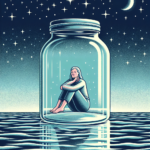
- Like they were watching life through glass
In the story of Lonely Minds: The Hidden Psychological Effects of Quarantine and Beyond, numbness is one of the most hidden effects because it can appear calm from the outside. A person may continue working, parenting, or studying while feeling internally absent.
5. Irritability, Anger, and Conflict
Quarantine did not only create sadness. It also created anger.
Confinement, fear, financial stress, childcare burdens, lack of privacy, and unequal household labor placed pressure on relationships. Small annoyances became symbolic of larger frustrations.
A sink full of dishes was no longer just dishes. It became proof of being unsupported. A partner’s work call was not just noise. It became invasion of space. A teenager’s closed door became rejection.
This is why the hidden psychological effects of quarantine and beyond must include family tension and emotional reactivity. Stress often exits the body as anger when there is no safe place to put grief.
6. Touch Deprivation
For people living alone, quarantine often meant going weeks or months without affectionate touch.
Touch is not a luxury. Safe touch can reduce stress, lower feelings of threat, and increase emotional security. Hugs, handshakes, pats on the back, and sitting close to someone all communicate belonging.
Touch deprivation may contribute to:
- Sadness
- Anxiety
- Sleep problems
- Feeling unreal or disconnected
- Increased craving for comfort
- Lower sense of emotional safety
Among the many dimensions of Lonely Minds: The Hidden Psychological Effects of Quarantine and Beyond, touch deprivation remains under-discussed. Digital connection helped, but it could not fully replace physical presence.
Case Study 1: The Older Adult Behind the Window
Profile: Maria, 78, lived in an assisted living facility. Before quarantine, her daughter visited three times a week. They shared coffee, watched old films, and attended Sunday services together. When visitor restrictions began, Maria’s contact shifted to phone calls and occasional window visits.
At first, she said she understood. After two months, staff noticed she ate less, spoke less, and stopped joining hallway activities. She began saying, “I don’t want to be a burden.”
What happened?
Maria was protected physically, but emotionally she was deprived of meaningful connection. For older adults, quarantine often intensified grief, fear of abandonment, and awareness of mortality.
Analysis
This case illustrates a central theme of Lonely Minds: The Hidden Psychological Effects of Quarantine and Beyond: safety measures can preserve life while unintentionally reducing the very connections that make life feel worth living.
Maria’s improvement began when staff created a structured connection plan: scheduled video calls, family photo prompts, music sessions, and safe outdoor visits when possible. The key was not merely “more contact,” but predictable, emotionally meaningful contact.
Vulnerable Groups: Who Was Hit Hardest?
Although quarantine affected nearly everyone, some groups faced greater psychological risk.
| Group | Common Psychological Challenges | Why Risk Increased |
|---|---|---|
| Older adults | Loneliness, depression, cognitive decline | Reduced visits, health fears, bereavement |
| Children | Anxiety, regression, irritability | School disruption, limited play, parental stress |
| Teenagers | Isolation, identity struggles, depression | Peer connection is developmentally crucial |
| Healthcare workers | Trauma, burnout, moral distress | High exposure, grief, exhaustion |
| People living alone | Loneliness, touch deprivation | Limited in-person support |
| People in unsafe homes | Fear, helplessness, trauma | Increased exposure to conflict or abuse |
| Low-income workers | Anxiety, financial stress | Job loss, exposure risk, limited resources |
| People with prior mental illness | Symptom relapse | Reduced care access, stress, isolation |
| Caregivers | Burnout, resentment, guilt | Increased responsibilities and little respite |
The phrase Lonely Minds: The Hidden Psychological Effects of Quarantine and Beyond should not be treated as a one-size-fits-all concept. Quarantine was filtered through inequality, age, health, housing, income, race, disability, and family structure.
Case Study 2: The Teenager Who Lost Her Mirror
Profile: Aisha, 16, was a high-achieving student who loved debate club and spending time with friends. During quarantine, school moved online. Her camera stayed off most days. She stopped dressing for class, slept late, and gradually withdrew from group chats.
Her parents thought she was “just being a teenager.” But Aisha later admitted she felt like she had disappeared.
What happened?
Adolescence is a period when identity is built through peer feedback, experimentation, social roles, and increasing independence. Quarantine removed many of those mirrors.
Analysis
Aisha’s experience shows how Lonely Minds: The Hidden Psychological Effects of Quarantine and Beyond affected young people in developmentally specific ways. For teens, social life is not optional entertainment. It is part of psychological growth.
Helpful interventions included a consistent sleep schedule, outdoor walks with one friend, a return to structured extracurricular activities online, and therapy focused on identity and self-compassion.
Quarantine and the Distortion of Time
One strange effect many people reported was that time felt unreal. Days dragged, weeks vanished, and months blurred together.
This happened because memory depends on novelty and emotional markers. When every day looks similar, the brain has fewer distinct events to organize. Without commutes, school bells, lunch breaks, weekend outings, and social rituals, time loses shape.
This “time blur” contributed to the psychological weight of quarantine. People felt stuck, as if life had paused while they were still aging.
In Lonely Minds: The Hidden Psychological Effects of Quarantine and Beyond, time distortion is more than a curiosity. It affects motivation, memory, and hope. When the future feels vague, people struggle to plan. When the past feels blurred, people struggle to make meaning.
The Digital Paradox: Connected but Still Lonely
Technology saved many people from complete isolation. Video calls, messaging apps, online communities, telehealth, remote work, and virtual events became lifelines.
But digital connection also had limits.
Benefits of digital connection
- Maintained work and school continuity
- Enabled therapy and medical appointments
- Helped families stay in touch
- Created online support communities
- Offered entertainment and distraction
Costs of digital overload
- Screen fatigue
- Reduced emotional depth
- Comparison and social media stress
- Blurred work-life boundaries
- Performative connection without real intimacy
- Increased misinformation exposure
The digital paradox is central to Lonely Minds: The Hidden Psychological Effects of Quarantine and Beyond. People were more reachable than ever, yet many felt less truly known.
A video call can carry a face and voice, but it may not fully carry atmosphere: the warmth of sitting together, shared silence, touch, body language, or the casual ease of unplanned conversation.
Case Study 3: The Remote Worker Who Couldn’t Log Off
Profile: Daniel, 34, worked in marketing. At first, remote work felt convenient. No commute. More flexibility. But within months, his workday expanded. He answered emails at night, skipped lunch, and felt guilty whenever he rested.
He lived alone. Work became his main source of structure and social contact. Eventually, he developed insomnia and dread before Monday meetings.
What happened?
Daniel’s home became his office, break room, social space, and recovery zone. Without boundaries, work filled every gap.
Analysis
Daniel’s case highlights an important part of Lonely Minds: The Hidden Psychological Effects of Quarantine and Beyond: isolation can make people overattach to productivity. When social identity shrinks, work may become the only proof of value.
Recovery required practical boundaries: a shutdown ritual, scheduled meals, device-free evenings, regular exercise, and non-work social plans. The deeper lesson was that productivity cannot replace belonging.
Relationship Strain: Too Close, Too Far, or Both
Quarantine created opposite relationship problems. Some people were painfully separated from loved ones. Others were trapped in constant proximity without privacy.
Couples
Some couples grew closer. Others faced conflict over chores, parenting, money, risk tolerance, and emotional needs. Differences that were manageable before became unavoidable.
Families
Parents became teachers, workers, caregivers, and emotional shock absorbers. Children sensed adult stress. Sibling conflicts intensified. Multigenerational households carried fears of infecting vulnerable relatives.
Friendships
Some friendships deepened through intentional check-ins. Others faded. People discovered which relationships were resilient and which depended mainly on convenience.
Dating and intimacy
Single adults faced delayed dating, loneliness, sexual frustration, or risky decisions driven by isolation. New relationships developed under unusual pressure.
The broader theme of Lonely Minds: The Hidden Psychological Effects of Quarantine and Beyond is that quarantine acted like a magnifying glass. It amplified existing strengths and exposed hidden cracks.
Grief Without Rituals
One of the most painful hidden effects of quarantine was disrupted grief.
Many people lost loved ones without being able to say goodbye in person. Funerals were delayed, limited, livestreamed, or canceled. Hospital visits were restricted. Families mourned separately.
Rituals matter because they help the mind accept reality. They provide witnesses. They give grief a shape.
Without rituals, grief can become suspended.
Symptoms of complicated or prolonged grief may include:
- Persistent disbelief
- Intense longing
- Guilt over not being present
- Anger at circumstances
- Avoidance of reminders
- Feeling emotionally stuck
- Difficulty re-engaging with life
No discussion of Lonely Minds: The Hidden Psychological Effects of Quarantine and Beyond is complete without acknowledging this quiet sorrow. Many people were not only isolated from the living; they were also isolated in mourning the dead.
Case Study 4: The Nurse Who Carried Everyone’s Fear
Profile: Elena, 42, was a hospital nurse. During quarantine periods, she worked long shifts under intense pressure. At home, she isolated from her spouse and children to reduce infection risk. She slept in a separate room and avoided hugs.
She was praised as a hero, but privately she felt frightened, angry, and numb. Months later, even after conditions improved, she felt detached from her family and startled by alarms.
What happened?
Elena experienced chronic stress, moral distress, fear of harming loved ones, and repeated exposure to suffering. Her isolation was both physical and emotional.
Analysis
Elena’s story expands Lonely Minds: The Hidden Psychological Effects of Quarantine and Beyond beyond home confinement. Some people were isolated because they stayed home; others were isolated because their work placed them in extreme conditions no one around them could fully understand.
Her healing involved peer support, trauma-informed counseling, family reconnection rituals, and institutional acknowledgment that hero language is not a substitute for mental health care.
The Body Remembers Quarantine Too
Psychological stress often appears in the body. During quarantine, many people reported physical symptoms that were connected to emotional strain.
Common body-based effects included:
- Headaches
- Muscle tension
- Digestive issues
- Chest tightness
- Fatigue
- Changes in appetite
- Weight gain or loss
- Restlessness
- Reduced fitness
- Chronic pain flare-ups
The mind and body are not separate systems. Lonely Minds: The Hidden Psychological Effects of Quarantine and Beyond includes the physical imprint of loneliness and stress.
Movement, sunlight, sleep, nutrition, and medical care became essential—not as wellness trends, but as foundations for psychological recovery.
How Quarantine Changed Social Confidence
After extended isolation, many people felt socially rusty. Even extroverts reported awkwardness.
Simple interactions suddenly required effort. What should I say? Am I standing too close? Should I hug? Do I look different? Will I be judged for my choices?
This re-entry anxiety was especially common among people who had experienced high fear, social rejection, weight changes, depression, or grief during quarantine.
Signs of social re-entry anxiety
| Sign | Example |
|---|---|
| Avoidance | Canceling plans repeatedly |
| Overthinking | Replaying conversations afterward |
| Physical anxiety | Sweating, racing heart, nausea before events |
| Low confidence | Feeling boring or socially inadequate |
| Irritability | Feeling overwhelmed by noise or crowds |
| Exhaustion | Needing long recovery after social contact |
The “beyond” in Lonely Minds: The Hidden Psychological Effects of Quarantine and Beyond includes this awkward return. Reconnection is not always instant. Social muscles need gentle rebuilding.
Case Study 5: The Child Who Became Afraid of School
Profile: Noah, 7, was cheerful and energetic before quarantine. During remote learning, he struggled to sit still. His parents were stressed, and he often heard frightening news in the background.
When school reopened, Noah developed stomachaches in the morning. He cried at drop-off and worried his parents would get sick if he left.
What happened?
Children absorb emotional cues from adults. Quarantine disrupted Noah’s sense of safety and routine. School, once familiar, became uncertain.
Analysis
Noah’s case demonstrates how Lonely Minds: The Hidden Psychological Effects of Quarantine and Beyond affected children through both direct isolation and indirect family stress.
Helpful steps included predictable routines, reassurance without false promises, gradual exposure to school, teacher collaboration, and play-based emotional expression. Children often heal through rhythm, safety, and repeated experiences of reunion.
The Role of Uncertainty: Why “Not Knowing” Was So Exhausting
One of the most stressful aspects of quarantine was uncertainty. People could not reliably answer basic questions:
- When will this end?
- Is it safe to see my family?
- Will I lose my job?
- Is this symptom serious?
- Are my children falling behind?
- Will life ever feel normal again?
The brain dislikes uncertainty because it cannot prepare efficiently. In some cases, uncertainty is more stressful than bad news. At least bad news gives the mind something concrete to respond to.
In Lonely Minds: The Hidden Psychological Effects of Quarantine and Beyond, uncertainty acted like psychological background radiation. It was not always visible, but it affected everything.
Coping Mechanisms: Helpful, Harmful, and Human
During quarantine, people coped in different ways. Some strategies were healthy. Others were understandable but harmful over time.
| Coping Strategy | Short-Term Effect | Long-Term Risk or Benefit |
|---|---|---|
| Exercise | Reduces stress | Improves mood and sleep |
| Routine | Creates stability | Supports motivation |
| Doomscrolling | Feels informative | Increases anxiety |
| Alcohol or substances | Temporary escape | Risk of dependence |
| Creative hobbies | Emotional expression | Builds resilience |
| Overworking | Feels productive | Leads to burnout |
| Social connection | Reduces loneliness | Protects mental health |
| Avoidance | Reduces immediate discomfort | Increases fear over time |
| Therapy | Provides support | Helps process trauma and grief |
| Mindfulness | Calms nervous system | Builds emotional awareness |
A compassionate view is necessary. Lonely Minds: The Hidden Psychological Effects of Quarantine and Beyond is not about blaming people for how they survived. It is about learning which survival habits still serve us—and which ones need to be released.
Practical Recovery: How to Rebuild After Quarantine
Healing from isolation is not as simple as “getting back out there.” The mind needs safety, repetition, and meaning.
1. Rebuild routine before chasing motivation
Motivation often returns after action, not before. Start with small anchors:
- Wake time
- Meals
- Movement
- Work blocks
- Social contact
- Sleep routine
A stable rhythm tells the nervous system, “Life has shape again.”
2. Reconnect gradually
If socializing feels overwhelming, begin gently:
- Send one message
- Take a short walk with a friend
- Attend a small gathering
- Practice brief public interactions
- Schedule recovery time afterward
Reconnection is a process, not a performance.
3. Name what was lost
Many people minimize their quarantine grief because “others had it worse.” But unacknowledged loss does not disappear.
Write down what you lost: time, opportunities, confidence, health, income, milestones, relationships, routines. Naming loss is not self-pity. It is honesty.
4. Restore the body
The body is often the fastest doorway back to emotional stability.
Helpful basics include:
- Morning light
- Regular movement
- Hydration
- Balanced meals
- Reduced late-night screens
- Breathing exercises
- Medical checkups when needed
5. Seek professional support
Consider therapy or counseling if you experience:
- Persistent depression
- Panic attacks
- Trauma symptoms
- Substance misuse
- Relationship violence
- Suicidal thoughts
- Severe grief
- Inability to function
If you or someone else is in immediate danger, contact emergency services or a crisis hotline in your area.
Professional support can be a crucial part of addressing Lonely Minds: The Hidden Psychological Effects of Quarantine and Beyond.
Community Healing: Why Individual Coping Is Not Enough
One of the biggest mistakes in mental health conversations is placing all responsibility on the individual. Personal resilience matters, but quarantine was a collective experience. Healing must also be collective.
Communities can help by creating:
- Accessible mental health services
- Grief support groups
- Youth programs
- Senior outreach initiatives
- Safe public gathering spaces
- Workplace flexibility
- School counseling resources
- Peer support networks
- Faith and cultural rituals of remembrance
The lesson of Lonely Minds: The Hidden Psychological Effects of Quarantine and Beyond is that loneliness is not only a personal problem. It is also a social design problem. People need communities that make connection easier.
Workplace Lessons from Quarantine and Beyond
Employers learned that productivity cannot be separated from psychological health. Remote and hybrid work can be beneficial, but only when designed thoughtfully.
Healthy workplace practices
| Practice | Why It Helps |
|---|---|
| Clear working hours | Prevents burnout |
| Meeting-free blocks | Reduces digital fatigue |
| Mental health days | Normalizes recovery |
| Manager check-ins | Builds trust |
| Flexible schedules | Supports caregivers and health needs |
| Social connection without forced fun | Encourages belonging |
| Workload monitoring | Prevents chronic overload |
| Access to counseling resources | Supports early intervention |
In the workplace context, Lonely Minds: The Hidden Psychological Effects of Quarantine and Beyond teaches that connection, autonomy, and boundaries are not perks. They are protective factors.
Schools and Young People: Repairing the Social Fabric
Children and teenagers need more than academic recovery. They need emotional and social recovery.
Schools can support students by:
- Expanding counseling access
- Creating peer mentoring programs
- Allowing time for play and socialization
- Training teachers to notice distress
- Reducing shame around learning gaps
- Encouraging arts, sports, and clubs
- Supporting families with resources
The youth dimension of Lonely Minds: The Hidden Psychological Effects of Quarantine and Beyond may continue for years. The goal should not be to rush children back to “normal,” but to help them feel safe, connected, and capable again.
The Hidden Strengths People Discovered
Although quarantine caused real harm, it also revealed strengths.
Some people discovered they needed slower lives. Some repaired family bonds. Some left unhealthy jobs. Some began therapy. Some learned to cook, garden, write, pray, exercise, rest, or ask for help. Some realized how much they value community.
This does not erase suffering. But it adds complexity.
The “beyond” in Lonely Minds: The Hidden Psychological Effects of Quarantine and Beyond includes post-traumatic growth for some people. Growth does not mean the pain was good. It means people can build meaning from hardship.
Possible areas of growth include:
- Greater appreciation for relationships
- Clearer boundaries
- More emotional honesty
- New priorities
- Increased compassion
- Stronger community awareness
- Better mental health literacy
How to Support Someone with a Lonely Mind
If someone you care about is struggling after quarantine, you do not need perfect words. You need presence.
Helpful things to say
- “I’m glad you told me.”
- “That sounds really heavy.”
- “You don’t have to handle this alone.”
- “Would you like advice, distraction, or just someone to listen?”
- “Can I check in again tomorrow?”
Less helpful things to say
- “At least it wasn’t worse.”
- “Everyone went through it.”
- “You should be over it by now.”
- “Just get out more.”
- “Think positive.”
Supporting someone through Lonely Minds: The Hidden Psychological Effects of Quarantine and Beyond means respecting that recovery has no universal timeline.
A Simple Self-Check: Are You Still Carrying Quarantine Stress?
Use this brief reflection tool. It is not a diagnosis, but it can help you notice patterns.
| Question | Rarely | Sometimes | Often |
|---|---|---|---|
| Do I avoid social plans more than I used to? | |||
| Do I feel mentally foggy or unmotivated? | |||
| Do I feel anxious in crowds or public spaces? | |||
| Do I feel disconnected from my old self? | |||
| Do I struggle with sleep or routine? | |||
| Do I feel emotionally numb? | |||
| Do I rely heavily on screens, alcohol, or overwork to cope? | |||
| Do I feel grief about time or experiences I lost? |
If you answered “often” to several questions, it may be worth talking to a mental health professional or trusted support person.
This kind of reflection is central to understanding Lonely Minds: The Hidden Psychological Effects of Quarantine and Beyond because many people do not recognize how much they are still carrying.
Long-Tail Keyword Variations for Context
The following related phrases naturally connect to Lonely Minds: The Hidden Psychological Effects of Quarantine and Beyond and reflect what many readers search for:
- psychological effects of quarantine and isolation
- hidden mental health effects of lockdown
- loneliness after quarantine
- quarantine anxiety and depression
- social isolation and mental health
- emotional effects of prolonged isolation
- how quarantine affects the brain
- re-entry anxiety after lockdown
- loneliness and social withdrawal after quarantine
- mental health recovery after isolation
- pandemic loneliness and emotional trauma
- long-term psychological effects of quarantine
- coping with loneliness after quarantine
- quarantine-related depression symptoms
- rebuilding social confidence after isolation
These variations help expand the conversation around Lonely Minds: The Hidden Psychological Effects of Quarantine and Beyond without reducing it to a single phrase.
Conclusion: The Door Opens, But Healing Takes Time
Quarantine changed people in ways that were visible and invisible. It altered routines, relationships, work, school, grief, confidence, and identity. It showed how deeply humans need connection—not as a luxury, but as psychological oxygen.
Lonely Minds: The Hidden Psychological Effects of Quarantine and Beyond is ultimately a story about disconnection and repair. It reminds us that loneliness can affect the brain, body, mood, and sense of self. It also reminds us that healing is possible.
Recovery begins with honesty: admitting that isolation was hard, that missed milestones mattered, that grief deserves space, and that social confidence may need rebuilding. From there, small actions matter. A walk. A message. A routine. A therapy session. A shared meal. A community gathering. A boundary. A brave conversation.
The mind may have adapted to loneliness, but it can also readapt to connection.
The future does not require pretending nothing happened. It asks us to carry forward what we learned: that people need people, that mental health is public health, and that no one should have to heal alone.
FAQs About Lonely Minds: The Hidden Psychological Effects of Quarantine and Beyond
1. What are the most common psychological effects of quarantine?
The most common effects include loneliness, anxiety, depression, irritability, sleep problems, brain fog, emotional numbness, and social withdrawal. Some people also experience grief, relationship strain, increased substance use, or fear of returning to normal activities.
2. Why do some people still feel lonely after quarantine ends?
Loneliness can continue because habits formed during isolation may persist. People may lose social confidence, drift from relationships, or feel emotionally changed by the experience. The “beyond” in Lonely Minds: The Hidden Psychological Effects of Quarantine and Beyond refers to these lingering effects.
3. Can quarantine cause trauma?
For some people, yes. Quarantine can contribute to trauma symptoms, especially if combined with illness, loss, unsafe living conditions, medical work, financial crisis, or prolonged fear. Symptoms may include nightmares, hypervigilance, emotional numbness, avoidance, or intrusive memories.
4. How can I rebuild social confidence after isolation?
Start small. Send a message, meet one trusted person, take short outings, and gradually increase social exposure. Expect some awkwardness. Social confidence returns through repeated safe experiences, not instant pressure.
5. How did quarantine affect children and teenagers?
Children and teens experienced disrupted routines, reduced peer interaction, school stress, increased screen time, and family anxiety. Teenagers were especially affected because peer relationships are central to identity development. Emotional support, structure, and social reconnection are key.
6. When should someone seek professional help?
Seek help if symptoms interfere with daily life, last for weeks, or include panic attacks, severe depression, substance misuse, trauma symptoms, self-harm thoughts, or inability to function. Immediate crisis support is necessary if someone may harm themselves or others.
7. Did digital connection reduce loneliness during quarantine?
Digital tools helped many people stay connected, but they did not fully replace in-person presence. Video calls and messages can support relationships, yet many people still missed touch, shared environments, spontaneous interaction, and deeper emotional closeness.
8. What is the biggest lesson from Lonely Minds: The Hidden Psychological Effects of Quarantine and Beyond?
The biggest lesson is that connection is essential to mental health. Quarantine revealed how strongly routines, relationships, community spaces, and emotional support protect the mind. Healing requires both personal coping strategies and stronger social systems.
About the Author