


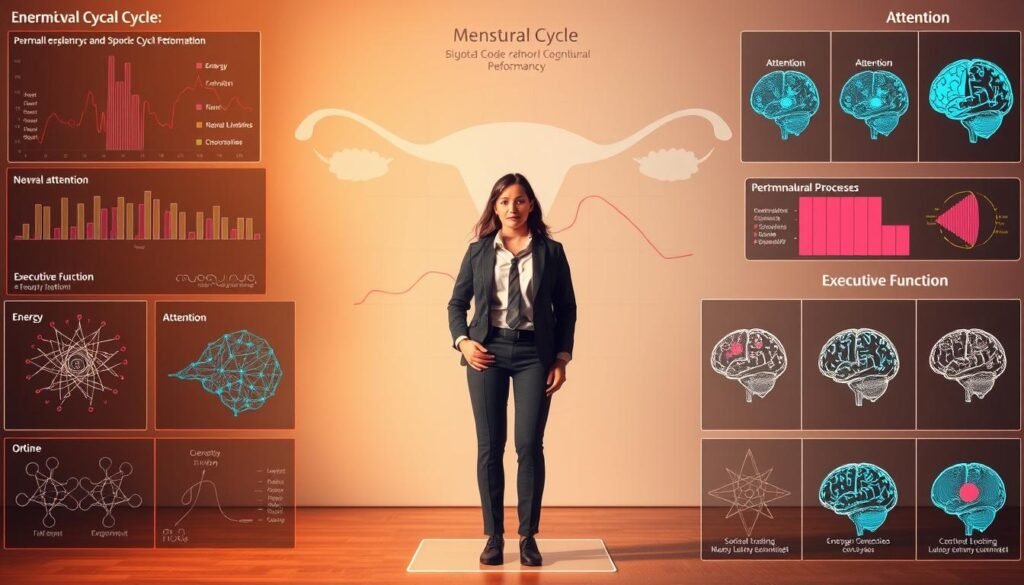
Have you ever wondered why your brain feels sharper some weeks and sluggish others? You maintain the same routines, yet your mental clarity shifts dramatically. Emerging research validates what many menstruating individuals have long experienced: cognitive abilities fluctuate in predictable patterns aligned with hormonal changes.
This phenomenon becomes particularly pronounced for those with attention deficit hyperactivity disorder. Studies reveal significant variations in symptoms across their menstrual cycle. High-estrogen states correlate with improved mood and executive function.
Low-estrogen periods correspond to worsened ADHD symptoms. Research using the Flo app shows that 45.2% of women reported lost work days due to hormonal fluctuations. Additionally, 75% actively seek insights to improve their quality of life.
Understanding hormone impact on energy levels and mental clarity represents a paradigm shift. Rather than viewing these variations as obstacles, recognize them as natural rhythms. Tracked systematically, they become tools for optimization.
This article provides comprehensive, evidence-based guidance for tracking your unique hormonal patterns. By documenting the relationship between different phases, physical experiences, and cognitive capabilities, you’ll develop personalized strategies. These strategies honor your physiological rhythms rather than working against them.
Key Takeaways
- Hormonal fluctuations significantly impact cognitive performance, with high-estrogen states improving executive function and low-estrogen periods worsening ADHD symptoms
- Research shows 45.2% of women lose work days due to menstrual-related challenges, highlighting the substantial real-world impact of these variations
- Individuals with ADHD experience disproportionately severe premenstrual syndrome and premenstrual dysphoric disorder compared to the general population
- Systematic tracking transforms hormonal changes from unpredictable obstacles into manageable patterns that can be leveraged for improved functioning
- Understanding your personal rhythms enables the development of customized strategies that align with natural physiological variations rather than resisting them
Understanding Your Menstrual Cycle’s Four Distinct Phases
Your body moves through four distinct biological phases each month. Each phase creates unique conditions for executive function and energy management. These phases follow a predictable sequence, driven by precise hormonal fluctuations.
These changes create measurable shifts in cognitive performance, physical capacity, and emotional regulation. Understanding how menstrual cycle productivity patterns emerge from these hormonal shifts provides the foundation for effective cycle mapping. This knowledge helps you develop optimization strategies.
The average menstrual cycle spans approximately 28 days. Normal variations range from 21 to 35 days. This cycle divides into two primary segments: the follicular phase and the luteal phase, separated by ovulation.
Each segment produces distinct hormonal environments. These environments directly influence energy levels during menstrual phases and cognitive function throughout the month.
Recognizing these phases enables you to anticipate natural fluctuations. You can predict changes in mental clarity, work capacity, and emotional resilience. The biological architecture of the menstrual cycle creates opportunities for strategic planning.
The Follicular Phase: Rising Energy and Mental Clarity
The follicular phase begins on the first day of menstruation. It extends approximately two weeks until ovulation occurs. During this period, estrogen levels rise progressively from their lowest point.
This hormonal ascent creates increasingly favorable conditions for cognitive performance and physical activity. It correlates with substantial improvements in executive function, memory consolidation, and mental processing speed.
Research demonstrates that follicular phase cognitive advantages manifest in multiple domains of mental performance. People commonly report enhanced focus and improved decision-making capacity. They also find greater ease in initiating complex tasks.
The rising estrogen during this phase supports neurotransmitter activity. It particularly affects dopamine and serotonin, which facilitate attention regulation and emotional stability.
Many women describe feeling like their “best self” during the mid-to-late follicular phase. Energy reserves expand, and motivation increases. Challenging projects feel more manageable.
This phase represents an optimal window for scheduling demanding cognitive work. It’s ideal for learning new skills and tackling projects requiring sustained concentration.
The follicular phase cognitive advantages extend beyond basic task completion. Creative problem-solving, verbal fluency, and social cognition all demonstrate measurable improvements. Strategic planning, analytical thinking, and multi-tasking capabilities reach their highest efficiency as estrogen approaches its peak.
Ovulation: Your Peak Cognitive Performance Window
Ovulation typically occurs around day 14 or 15 of a standard 28-day cycle. Timing varies among individuals. This brief window lasts approximately 24 to 48 hours.
This period represents the cycle’s hormonal zenith. Both estrogen and testosterone reach their highest concentrations simultaneously. Researchers identify this as the optimal cognitive performance period of the entire menstrual cycle.
The combined effect of peak estrogen and elevated testosterone generates several measurable performance enhancements. Energy levels surge to their monthly maximum. This enables extended periods of focused work without fatigue.
Ovulation energy utilization proves most efficient during this phase. Metabolic function operates at peak capacity. Physical stamina reaches its highest point.
Cognitive benefits during ovulation extend across multiple domains. Verbal communication skills sharpen, making this an ideal time for presentations and negotiations. Memory retrieval becomes more fluid.
The capacity to integrate complex information improves substantially. Social cognition and emotional intelligence also demonstrate enhancement. This facilitates interpersonal interactions and collaborative work.
This phase offers a strategic advantage for scheduling high-stakes activities. It’s perfect for critical deadlines and cognitively demanding projects. The window proves relatively brief, however, typically lasting only two to three days.
Understanding ovulation energy utilization patterns allows for precise timing. You can schedule your most challenging professional and personal undertakings during this optimal window.
The Luteal Phase: When Energy Shifts and Sensitivity Increases
Following ovulation, the luteal phase begins and continues until menstruation starts. This typically lasts 12 to 14 days. This phase introduces a dramatic hormonal shift as progesterone rises significantly.
Estrogen fluctuates in a secondary, smaller peak before both hormones decline. This happens in the days preceding menstruation. These hormonal changes create the most challenging conditions for cognitive performance and emotional regulation.
Luteal phase sensitivity manifests in multiple ways as progesterone’s influence increases. Many people experience reduced stress resilience and heightened emotional reactivity. They also show increased susceptibility to anxiety or irritability.
This heightened sensitivity stems from progesterone’s effects on neurotransmitter systems. It particularly influences GABA receptors, which affect mood regulation and stress response.
Executive function typically declines during the luteal phase. The most pronounced impairments occur in the premenstrual days. Attention span may shorten, and decision-making feels more effortful.
Task initiation requires greater mental energy. Working memory capacity often diminishes. People report increased difficulty with organization and planning activities that felt manageable during the follicular phase.
The degree of luteal phase sensitivity varies considerably among individuals. Some women experience minimal changes. Others face significant cognitive and emotional challenges, particularly those with ADHD, PMDD, or other hormone-sensitive conditions.
Understanding menstrual cycle productivity patterns during this phase helps establish realistic expectations. It allows for appropriate accommodations for reduced cognitive capacity.
Physical symptoms frequently accompany the cognitive changes of the luteal phase. Fatigue increases, and sleep quality may deteriorate. Many women experience breast tenderness, bloating, or headaches.
These physical discomforts compound the cognitive challenges. This creates a period when self-compassion and reduced demands become essential strategies.
The Menstrual Phase: Your Body’s Rest and Reset Period
The menstrual phase marks both the end of one cycle and the beginning of the next. It typically lasts between two and eight days. Four to six days represents the average duration.
During menstruation, both estrogen and progesterone remain at their lowest concentrations. This creates conditions that necessitate rest and recovery rather than peak performance.
The low hormonal environment of menstruation directly impacts energy levels during menstrual phases. Most people experience reduced physical stamina and mental energy. Brain fog proves common during the first days of menstruation.
Minimal estrogen availability affects neurotransmitter function and cognitive processing. Concentration may waver. Complex problem-solving requires greater effort than during hormonally optimal phases.
Physical symptoms during menstruation vary widely but commonly include cramping, fatigue, and discomfort. These physical demands place additional strain on cognitive resources. The body directs energy toward the physiological processes of menstruation.
Pain, when present, further depletes attentional capacity. It reduces available energy for cognitive work.
Despite these challenges, the menstrual phase serves a critical biological function. It operates as a period of physiological reset. Recognizing this phase as a natural time for rest, reflection, and reduced demands honors the body’s cyclical needs.
Many people report that accepting reduced capacity during menstruation improves overall cycle management. Fighting against it increases stress. Acceptance reduces stress.
As menstruation progresses and approaches its conclusion, estrogen begins its gradual ascent once again. This marks the transition back into the follicular phase. Energy and cognitive function will progressively improve.
Understanding this cyclical pattern enables you to view the menstrual phase differently. It’s not a problem requiring correction. It’s an integral component of a larger rhythmic system.
| Cycle Phase | Duration | Dominant Hormones | Cognitive Performance | Energy Characteristics |
|---|---|---|---|---|
| Follicular Phase | Days 1-14 (approximately) | Rising estrogen | Improving focus, enhanced memory, strong executive function | Increasing energy and motivation throughout phase |
| Ovulation | Days 14-15 (24-48 hours) | Peak estrogen and testosterone | Optimal cognitive performance, peak verbal skills, enhanced creativity | Maximum energy and physical stamina |
| Luteal Phase | Days 15-28 (approximately) | Rising then falling progesterone, fluctuating estrogen | Declining executive function, reduced attention span, increased brain fog | Decreasing energy, increased fatigue, heightened sensitivity |
| Menstrual Phase | Days 1-6 (average 4-6 days) | Low estrogen and progesterone | Brain fog, reduced concentration, slower processing speed | Lowest energy levels, need for rest and recovery |
This comprehensive understanding of the four cycle phases establishes the biological foundation necessary for effective cycle tracking. Each phase generates predictable patterns in cognitive function, energy availability, and physical experience.
Recognizing these patterns in your own body enables strategic planning. It allows for realistic expectation-setting. You can develop phase-specific optimization strategies that honor your natural hormonal rhythms.
How Hormonal Fluctuations Impact Executive Function and Cognitive Abilities
The menstrual cycle’s hormonal shifts create a dynamic neurological environment. This fundamentally alters how the brain processes information and regulates attention. Research demonstrates that hormonal fluctuations and cognitive performance are inextricably linked through sophisticated neuroendocrine mechanisms.
These biological processes explain predictable variations in mental sharpness and focus capacity. They also affect decision-making efficiency throughout the monthly cycle.
The connection between hormone fluctuations and cognitive abilities extends beyond subjective experiences. Reproductive hormones function as powerful neuromodulators. They directly influence neurotransmitter systems that govern executive function.
Research by Roberts, Eisenlohr-Moul, and Martel (2018) demonstrates significant impacts. Reproductive steroids affect attention, emotional regulation, and cognitive control across the menstrual cycle. Their findings reveal measurable changes in brain activity that correspond with hormonal fluctuations.
Understanding these mechanisms empowers individuals to recognize cognitive variations. These are normal physiological responses rather than personal inadequacies.
Estrogen’s Role in Focus, Memory, and Mental Performance
Estrogen functions as “super fuel for the female brain.” It provides extensive cognitive benefits during high-concentration phases. This hormone exerts estrogen cognitive effects through multiple mechanisms that enhance mental performance.
Dr. Lotta Borg Skoglund’s research indicates estrogen receptors are located throughout the brain. They are particularly dense in regions critical for learning and memory. These areas also control executive function.
The most significant mechanism involves estrogen’s ability to potentiate dopamine. This neurotransmitter is essential for attention, motivation, and cognitive flexibility. Higher estrogen levels increase dopamine availability in the prefrontal cortex and hippocampus.
Estrogen also provides neuroprotective and anti-inflammatory properties that support optimal brain function. During the follicular phase, estrogen levels rise. Many individuals report enhanced verbal fluency and improved spatial memory.
The hormone’s influence extends to synaptic plasticity. This is the brain’s ability to form new neural connections. Estrogen promotes dendritic spine formation in the hippocampus.
This strengthens memory consolidation and retrieval processes. This neuroplasticity enhancement explains why learning feels easier during high-estrogen phases.
Progesterone’s Effect on Processing Speed and Energy
Progesterone presents a more complex relationship with cognitive function. While this hormone plays essential roles in neurological health, its rise creates noticeable changes. Many individuals report experiencing cognitive “sluggishness” as progesterone levels increase.
The primary mechanism involves progesterone’s conversion to allopregnanolone. This neurosteroid acts on GABA receptors in the brain. This interaction produces calming effects but can simultaneously reduce processing speed.
The result often manifests as difficulty with rapid task-switching. Slower reaction times occur. Reduced capacity for complex problem-solving also happens.
Research demonstrates that hormonal fluctuations impact productivity particularly during the mid-to-late luteal phase. Progesterone peaks during this time. Individuals commonly experience increased mental fatigue and reduced cognitive endurance.
Additionally, the luteal phase brings increased cortisol production in response to stressors. Studies show women produce more cortisol during the late luteal phase. This creates heightened reactivity under high-stress conditions.
The Connection Between Cycle Hormones and ADHD Symptoms
The relationship between menstrual cycle executive functioning and ADHD symptoms reveals particularly dramatic patterns. Individuals with ADHD experience baseline dopamine dysregulation. This makes them especially vulnerable to the cognitive impacts of hormonal fluctuations.
Research consistently demonstrates that ADHD symptoms intensify during low-estrogen phases. These symptoms include inattention, hyperactivity, impulsivity, and emotional dysregulation. Many individuals report “losing control” of their ADHD management strategies.
The impact extends beyond attention difficulties. Hormonal fluctuations and cognitive performance changes affect emotional regulation capacity. This creates increased rejection sensitivity and mood variability.
Medication effectiveness also fluctuates throughout the cycle. Some individuals find stimulant medications work less effectively during low-estrogen phases. This phenomenon occurs because estrogen enhances the brain’s response to dopaminergic medications.
| Cognitive Domain | Estrogen Dominance Effects (Follicular/Ovulation) | Progesterone Dominance Effects (Luteal) |
|---|---|---|
| Attention & Focus | Enhanced sustained attention, improved concentration, reduced distractibility through dopamine potentiation | Decreased attention span, increased distractibility, difficulty maintaining focus on complex tasks |
| Memory Function | Improved working memory, enhanced verbal recall, stronger memory consolidation and retrieval | Reduced working memory capacity, difficulty with information retention, slower memory retrieval |
| Processing Speed | Faster cognitive processing, quick task-switching, efficient problem-solving and decision-making | Slower information processing, reduced task-switching ability, increased decision fatigue |
| Emotional Regulation | Better emotional control, reduced reactivity, improved stress resilience and mood stability | Increased emotional sensitivity, heightened stress reactivity, elevated cortisol response to challenges |
Why Executive Function Varies Throughout Your Cycle
The cyclical nature of executive function variations stems from the brain’s dependence on stable neurochemical environments. Executive functions rely heavily on dopamine and other neurotransmitters that hormones directly modulate. As estrogen and progesterone levels shift, the neurochemical balance changes accordingly.
This understanding reframes cognitive fluctuations as predictable physiological responses. The prefrontal cortex, which governs executive function, contains abundant estrogen and progesterone receptors. These receptors make executive capabilities particularly sensitive to hormonal changes.
The magnitude of these variations differs among individuals. Factors include baseline hormone levels, receptor sensitivity, and existing neurological conditions. Some individuals notice minimal cognitive changes throughout their cycle.
Recognizing these patterns allows for strategic planning and compassionate self-awareness. Rather than fighting against natural biological rhythms, individuals can align demanding cognitive tasks with high-function phases. This approach transforms hormonal awareness from a limitation into a tool for optimizing performance.
Common Symptoms and Patterns You’ll Discover Across Your Cycle
Tracking your cycle reveals how hormones affect your daily life. You’ll notice changes in energy, thinking, and mood. These patterns repeat each month and connect to your hormonal shifts.
Everyone experiences different symptoms during their cycle. However, certain patterns appear consistently across many people. Understanding these patterns helps you recognize how hormones influence your body and mind.
Energy Level Fluctuations From Week to Week
Energy changes are among the most noticeable patterns during your cycle. Some weeks you feel vibrant and capable. Other weeks bring exhaustion that makes everything harder.
After your period ends, energy typically surges during the follicular phase. Many people feel like “superheroes” during this time. This energy boost continues through ovulation, creating weeks of enhanced capacity.
Energy drops dramatically as the luteal phase progresses. Fatigue increases, especially the week before menstruation. Both physical stamina and mental endurance decline during this phase.
Your period often brings profound exhaustion that compounds other symptoms. Recognizing these patterns helps you adjust your expectations. You can plan lighter workloads during low-energy phases.
Cognitive Changes: Brain Fog, Focus, and Memory Shifts
The connection between menstrual cycle and adhd symptoms becomes clear through tracking. Executive function challenges intensify during specific cycle phases. These cognitive shifts affect multiple mental abilities at once.
Period brain fog is one of the most frustrating symptoms. Your thinking becomes cloudy and slow. This fog typically worsens during the late luteal phase.
Working memory suffers during certain cycle phases. One person described this experience clearly:
Three days before my period, I just can’t remember what I’m doing. I’ll walk into the kitchen 100 times and forget each time that I’m trying to get something to eat.
Focus and concentration abilities change throughout your cycle. The menstrual cycle and brain fog correlation becomes obvious premenstrually. Complex tasks and detailed work become notably harder.
The week after your period typically brings mental clarity back. Decision-making improves and tasks become easier. This cognitive improvement feels dramatic compared to the previous week.
For people managing ADHD, medication effectiveness often varies across cycle phases. Standard dosages may become less effective during the luteal phase:
My ADHD meds are significantly less efficacious for about 10 days per month.
Understanding cognitive function throughout cycle helps you see these changes as hormonal. They don’t indicate treatment failure or personal weakness.
Physical and Emotional Symptom Variations
Physical symptoms follow distinct patterns throughout your menstrual cycle. Headaches, bloating, breast tenderness, and cramping cluster during specific phases. These symptoms range from mild to debilitating.
Symptom intensity varies considerably between individuals. Some experience mild changes while others need medical intervention. Tracking helps you distinguish normal patterns from concerning irregularities.
Emotional variations represent another significant category of cyclical change. Premenstrual mood shifts can include irritability, anxiety, sadness, and emotional sensitivity. For people with ADHD, rejection sensitivity often intensifies during this phase.
Emotional regulation becomes harder during the late luteal phase. Managing frustration and disappointment feels more difficult. This emotional volatility compounds cognitive challenges.
Some people experience symptoms severe enough for premenstrual dysphoric disorder (PMDD). These include profound mood disturbances and significant anxiety. Recognizing cyclical patterns through tracking helps you seek appropriate treatment.
| Symptom Category | Follicular/Ovulation Phases | Luteal/Menstrual Phases | Impact Severity |
|---|---|---|---|
| Energy Levels | High vitality, sustained stamina, “superhero” feeling | Progressive fatigue, exhaustion, reduced endurance | Moderate to High |
| Cognitive Function | Enhanced focus, clear thinking, efficient processing | Brain fog, memory lapses, reduced concentration | High |
| Physical Symptoms | Minimal discomfort, stable physical state | Cramping, bloating, headaches, body aches | Moderate to Severe |
| Emotional Regulation | Stable mood, emotional resilience | Irritability, anxiety, sensitivity, mood swings | Moderate to High |
Cataloging symptoms across multiple cycles builds comprehensive understanding of your patterns. Random difficulties transform into predictable, manageable aspects of hormonal variation. Recognizing these patterns as physiologically normal helps you develop effective coping strategies.
Gathering Your Cycle Tracking Tools and Setting Up for Success
You need reliable tools to capture daily data before identifying patterns. Effective cycle tracking for adhd management depends on consistent information gathering over multiple months. Your tracking system must be simple to maintain daily yet comprehensive enough to reveal hormonal patterns.
The choice between digital apps and paper methods determines how easily you’ll sustain your tracking practice. Research shows 45.2% of Flo app users reported work day losses due to menstrual cycles. The right tools transform raw observations into actionable insights about your unique hormonal profile.
Digital Applications Versus Traditional Paper Journals
Digital period tracking apps offer major advantages through automated features and data visualization capabilities. Apps like Flo, Clue, and Cycles provide calendar integration, symptom libraries, and pattern recognition algorithms. These platforms send daily reminders and generate charts revealing correlations between cycle phases and cognitive performance.
The technology enables sophisticated analysis that would be challenging to perform manually. Many apps calculate average cycle lengths, predict upcoming phases, and highlight symptom clusters. For individuals managing ADHD alongside menstrual cycle variations, these automated insights illuminate previously unrecognized patterns.
However, digital solutions present certain limitations worth considering. Privacy concerns arise when sharing sensitive health data with third-party applications. Some users find pre-set symptom categories restrictive when their experiences don’t align with standardized options.
Traditional paper-based symptom diary methods offer distinct benefits that digital platforms cannot replicate. The physical act of handwriting engages different cognitive processes that enhance memory retention. Paper journals provide complete privacy and customization freedom without technological constraints.
A hybrid approach combining both methods may work best for many people. Use a digital app for basic cycle tracking and predictions. Maintain a detailed symptom diary for nuanced observations about executive function.
“Mapping out cycles helps understand your individual ADHD profile and how it changes across the cycle.”
Critical Daily Metrics for Comprehensive Cycle Monitoring
Effective cycle tracking for adhd management extends far beyond marking period start dates. Comprehensive monitoring requires capturing multiple data dimensions. These metrics collectively reveal how hormonal fluctuations influence your cognitive performance, energy, and well-being.
Cycle day numbering provides the temporal framework for all other observations. Count day one as the first day of menstrual bleeding. Continue numbering consecutively until the next period begins.
Energy level assessment requires consistent rating methodology to ensure comparability. Many people find a simple 1-10 scale effective. Record your energy at the same time daily—preferably mid-afternoon when daily variations stabilize.
Executive function indicators form the core of period tracking for executive function. They should encompass multiple cognitive domains:
- Focus and concentration quality: Rate your ability to sustain attention on demanding tasks without distraction
- Working memory performance: Assess how easily you retain and manipulate information during complex activities
- Task initiation and completion: Evaluate difficulty starting projects and following through to completion
- Decision-making clarity: Note whether choices feel clear and confident or uncertain and overwhelming
- Mental processing speed: Track how quickly you comprehend information and formulate responses
Emotional and mood variations provide essential context for cognitive changes. Simple descriptors like “stable,” “irritable,” “anxious,” “content,” or “tearful” capture meaningful patterns. Some people prefer rating mood on numerical scales while others find descriptive labels more intuitive.
Sleep quality and duration significantly influence both executive function and hormonal balance. Record your total sleep hours and rate sleep quality on a consistent scale. Note disturbances like insomnia, frequent waking, or non-restorative sleep.
Physical symptom documentation captures bodily experiences that correlate with hormonal phases. Common tracking categories include headaches, breast tenderness, bloating, cramping, and digestive changes. These somatic markers often predict upcoming cognitive shifts.
External factors that might influence your baseline state deserve notation. Stressful events, medication changes, illness, or unusual physical activity all impact energy and executive function. These factors operate independent of hormonal cycles.
Creating Your Individualized Tracking Framework
Building a personalized tracking template requires balancing comprehensive data collection with sustainable simplicity. The most sophisticated tracking system becomes worthless if complexity prevents consistent use. Your template should capture priority metrics while remaining streamlined enough for daily adherence.
Begin by selecting your 5-7 most relevant metrics from the categories outlined above. Dr. Borg Skoglund’s research emphasizes mapping individual ADHD profiles across cycles. Consider which symptoms and cognitive challenges most significantly impact your daily functioning.
Template format depends on your chosen tracking method. Digital app users should customize symptom categories and rating scales within their platform’s settings. Paper journal creators might design a daily tracking page with sections for each metric.
Many people find success with simple table formats that list metrics vertically. Others prefer narrative formats that accommodate more detailed observations alongside quantitative ratings. The optimal structure supports quick daily completion while capturing sufficient detail for pattern identification.
Consistency in measurement methodology proves more valuable than comprehensiveness. Recording fewer metrics with reliable methodology yields better insights than extensive but inconsistent documentation. Establish clear definitions for your rating scales and apply these standards uniformly.
Your tracking system will require at least three complete menstrual cycles to reveal dependable patterns. This timeline represents the minimum duration for distinguishing consistent cycle-related changes from random daily variations. Patience during this initial data collection phase creates the foundation for all subsequent strategies.
Step 1: Establish Your Baseline Menstrual Cycle Pattern
Mapping cycle phases to symptoms starts with one key step: identifying your personal cycle baseline. This foundation helps you recognize patterns in energy and executive function. It also helps you optimize menstrual cycle productivity around your body’s natural rhythms.
Without accurate baseline data, the connection between hormonal fluctuations and cognitive performance stays hidden. This makes it impossible to use targeted strategies for cycle awareness for executive functioning.
The menstrual cycle averages 28 days across populations. However, individual patterns vary significantly. Your cycle might consistently run 25 days or 32 days, and both are normal.
The key lies not in matching a statistical average. Instead, understand your unique pattern. This personal baseline becomes the reference point for measuring symptoms, energy levels, and cognitive performance.
Dr. Borg Skoglund emphasizes that understanding your individual cycle pattern is essential. This baseline knowledge transforms abstract hormonal concepts into actionable insights specific to your physiology.
Identifying Day One and Counting Your Cycle Days
Precision in defining Day One determines the accuracy of all menstrual cycle tracking. Day One is the first day of full menstrual flow—not spotting or light discharge. This distinction matters because spotting can occur at various points throughout the cycle.
Many people struggle with this identification, especially with light flow that gradually intensifies. The practical guideline involves assessing flow volume. If you need menstrual protection products due to flow volume, you’ve likely reached Day One.
Mark the potential Day One with a question mark if unsure. Adjust your records if heavier flow begins the following day.
Once you’ve established Day One, count forward through each subsequent day of your cycle. Day Two follows immediately after, continuing until your next menstruation begins. That new menstruation marks Day One of your next cycle, and the count resets.
This continuous tracking creates the framework necessary for identifying patterns across multiple cycles. Consistency in counting methodology proves essential. Choose a specific time—such as morning upon waking—to assess and record your cycle day.
Recording Cycle Length for at Least Three Complete Cycles
A single menstrual cycle provides insufficient data for reliable pattern recognition. Individual cycles fluctuate naturally due to stress, illness, travel, sleep disruption, and other factors. Three complete cycles represent the minimum duration necessary to distinguish patterns from random variations.
Record the start date and total length of each cycle. If your first tracked cycle begins on March 1 and your next menstruation starts on March 29, that cycle lasted 28 days. Continue this documentation through at least two additional complete cycles.
This data collection reveals whether your cycle length remains stable or varies significantly. The patterns emerging from three cycles inform your approach to menstrual cycle productivity optimization.
Consistent cycle lengths allow for precise planning of high-energy work phases and lower-capacity rest periods. Variable cycle lengths require more flexible strategies but still reveal patterns in symptom timing.
During this three-cycle baseline period, focus primarily on establishing reliable cycle length data. While you may notice patterns in energy and executive function, resist drawing firm conclusions. Premature pattern recognition based on limited information can lead to inaccurate assumptions.
Documenting Irregularities, Variations, and Cycle Changes
Real-world menstrual cycles rarely follow textbook patterns with mechanical precision. Documenting deviations from your emerging baseline proves as valuable as recording the baseline itself. These irregularities provide context for understanding cycle-related patterns in energy and executive function.
Record any significant variations in cycle length beyond your typical range. If your cycles consistently run 28-30 days but one cycle extends to 38 days, note this variation. Also note any circumstances that might explain the change.
Common factors affecting cycle length include significant stress, illness, and travel across time zones. Dramatic changes in exercise intensity, substantial weight fluctuations, or medication changes also affect cycle length.
Some people experience inherent cycle irregularity due to conditions like polycystic ovary syndrome (PCOS) or perimenopause transitions. If your cycles vary by more than seven days regularly, document these patterns carefully. This information becomes valuable for healthcare consultations and requires modified approaches to mapping cycle phases to symptoms.
| Cycle Pattern Type | Characteristics | Tracking Approach |
|---|---|---|
| Regular Cycles | Length varies by 0-3 days between cycles | Standard phase-based tracking with predictable phase timing |
| Moderately Variable Cycles | Length varies by 4-7 days between cycles | Track relative to menstruation onset; focus on symptom patterns rather than specific day predictions |
| Irregular Cycles | Length varies by 8+ days or cycles outside 21-35 day range | Emphasize symptom clusters and hormonal indicators; consider ovulation prediction tools for phase identification |
| Perimenopausal Patterns | Increasing variability with skipped cycles or dramatic length changes | Track symptom intensity and duration rather than phase-specific patterns; document emerging patterns as cycle regularity changes |
Beyond cycle length variations, document changes in menstrual flow characteristics and unexpected spotting. Also note shifts in typical symptom timing. If you usually experience premenstrual symptoms 5-7 days before menstruation but notice them beginning 10 days prior, record this deviation.
These observations help distinguish your reliable patterns from month-specific anomalies. The goal of this baseline establishment phase extends beyond simple data collection.
You’re building a comprehensive understanding of your body’s hormonal rhythm. This includes the predictable elements, the variable factors, and the external influences that create deviations. This foundation makes tracking energy and executive function patterns significantly more meaningful.
As you complete this initial baseline establishment, you’ll have created a reliable reference framework. This framework transforms abstract concepts about hormonal influences on cognition into concrete, personalized data. The next steps build upon this foundation by layering additional observations about daily energy fluctuations and sleep quality.
Step 2: Log Daily Energy Levels and Sleep Quality
Recording your energy levels and sleep patterns shows how hormones affect your daily life. This step turns hormonal changes into real data about work performance and thinking abilities. Sleep and hormones work together in a cycle that affects each other.
Your menstrual phases change how you sleep. Poor sleep makes hormonal symptoms worse. It also weakens the thinking skills that hormones already challenge during your cycle.
Research by Becker (2020) and Baker & Lee (2018) shows this connection. Sleep problems happen most during the luteal phase when progesterone drops. Many people with ADHD have sleep troubles that get worse before and during periods.
Hormones create patterns in your energy throughout the month. Writing down these patterns helps you understand what causes energy changes. You can tell if hormones or lifestyle choices affect your energy more.
Rating Your Energy at Consistent Times Each Day
You need a standard way to measure your energy to find real patterns. Energy changes throughout the day because of your body’s natural rhythms. Checking energy at just one time can give wrong information.
Check your energy three times each day at the same times. Rate it in the morning when you wake up. Check again at midday between 12-2 PM.
Rate it one more time in the evening between 6-8 PM. These times show your energy pattern while staying easy to do every day.
Pick one rating scale and use it the whole time you track. Number scales from 1-10 work well for analyzing data later. Word scales like low, moderate, and high might feel easier to use.
The most important thing is using the same scale every time. Rate your energy right at each time, not at the end of the day. Rating in real-time gives more accurate results.
Evening tiredness can change how you remember your whole day. Write down any unusual energy changes like unexpected afternoon crashes or surprising lasting energy.
Tracking Sleep Duration, Quality, and Patterns
Good sleep tracking includes more than just hours slept. Sleep quality changes a lot during different menstrual phases. Many people have worse sleep during the late luteal and early menstrual phases.
Write down these sleep details each morning:
- Total sleep duration: Record actual sleep time, excluding time spent awake in bed
- Subjective sleep quality: Rate on a consistent scale how restorative the sleep felt
- Sleep latency: Approximate time required to fall asleep initially
- Nighttime awakenings: Number and approximate duration of conscious awakenings
- Morning restfulness: Energy state upon waking, independent of total sleep duration
Sleep often gets worse during the luteal phase. Higher body temperature and dropping progesterone cause this. People with ADHD may have even more sleep problems during these phases.
This creates bigger problems with daytime thinking and focus. ADDitude magazine readers suggest proven ways to sleep better during hard cycle phases.
Keep a regular sleep schedule and avoid screens 60-90 minutes before bed. Try muscle relaxation techniques. Keep your bedroom cool and dark.
Don’t eat within three hours of bedtime. Track other sleep factors like bedtime consistency and caffeine timing. Note any sleep aids or supplements you use.
These details help you find things you can change. They show how lifestyle choices work with hormones to affect your sleep.
Recording External Factors That Influence Energy
Energy tracking works best when you note things that affect your daily function. Three main factors need tracking: stress, nutrition timing, and exercise habits. These can make hormonal effects stronger or weaker on your energy and thinking.
Recording these factors with energy and sleep data helps you understand patterns better. You can tell if energy changes come from hormones or lifestyle choices. This helps you create better strategies instead of blaming everything on your cycle.
Stress Load and Life Events
Stress strongly affects energy levels, sleep quality, and thinking ability. It can hide or strengthen cycle patterns. Ongoing stress raises cortisol levels.
This hormone interacts with reproductive hormones and changes your typical cycle experience. Rate your daily stress using a simple scale: low, moderate, high, or severe.
Write brief notes about specific stressors. Separate ongoing stress from sudden stressful events. They affect energy and hormones in different ways.
Write down major life events that change how you normally function. These include work deadlines, relationship problems, money worries, or health issues. These events might explain energy drops you would otherwise blame on your cycle.
Stress and hormones interact most during the luteal phase. Many people feel more emotional and handle stress worse then. Tracking stress with cycle phase shows what really causes low energy.
Nutrition Timing and Food Intake
What you eat affects energy stability, sleep quality, and thinking throughout your cycle. When you eat matters for blood sugar control. This directly impacts sustained energy and mental clarity.
Track when you eat meals and if times stay consistent. Write down if breakfast, lunch, and dinner happen at regular times. Irregular eating often causes unstable energy regardless of cycle phase.
Consistent meal timing helps keep glucose levels stable. This supports steady thinking and performance.
Write down caffeine, alcohol, and sugar intake. Note how much and when you consume them. Afternoon or evening caffeine can disrupt sleep hours later.
Alcohol during the luteal phase can make sleep worse. It also increases tiredness the next day.
Consider tracking what types of food you eat during different cycle phases. Your nutritional needs might change. Some people crave more carbohydrates during the luteal phase.
This might be your body trying to support serotonin production. Mood naturally drops during this period.
Exercise Habits and Activity Levels
Physical activity has a complex relationship with energy levels. Exercise uses immediate energy but also creates lasting energy improvements. It enhances heart fitness, improves sleep quality, and regulates mood.
Your exercise habits across your cycle affect your baseline energy. They also influence how well you handle stress.
Record daily exercise type, intensity, and duration. Separate high-intensity workouts like HIIT, running, and vigorous cycling. Note moderate activities like brisk walking, swimming, and moderate strength training.
Include gentle movement like stretching, yoga, and leisurely walking. Write down when you exercise compared to your energy patterns and sleep. Morning exercise may boost daytime energy and nighttime sleep.
Late evening intense workouts can make falling asleep harder for some people. Note how exercise affects your energy afterward and what recovery you need.
Exercise and energy relationships often change across cycle phases. Many people handle higher intensity during follicular and ovulation phases. They need gentler movement during luteal and menstrual phases.
Track rest days as carefully as exercise days. Good recovery is essential for sustained energy. You may need more recovery during certain cycle phases when stress tolerance decreases.
Step 3: Document Your Executive Function Performance Daily
Tracking your executive function daily shows how hormones affect your thinking throughout your cycle. Executive function includes attention, memory, planning, and goal-directed behavior. These mental processes control your ability to focus, make decisions, organize information, and finish projects.
The link between period symptoms and thinking becomes clear through systematic tracking. Research by Roberts et al. (2018) confirms that executive function changes with hormones throughout the month. During high-estrogen phases, many people feel mentally sharp, focused, and productive.
The luteal phase brings noticeable cognitive changes that need targeted strategies. ADDitude readers say their executive functioning “dips even lower” during this phase. They experience more distractibility and trouble concentrating.
One reader noted that working memory problems peaked “three days before my period.” She said, “I just can’t remember what I’m doing.”
Understanding how hormones affect thinking requires tracking multiple aspects of mental performance. Executive function includes several connected cognitive areas. These include sustained attention, working memory, cognitive flexibility, planning skills, impulse control, and emotional regulation.
Assessing Focus, Concentration, and Attention Span
Attention and concentration are foundational elements that change predictably across cycle phases. Your ability to maintain focus directly impacts productivity and task completion. Systematic assessment of these abilities reveals patterns that inform cycle syncing approaches.
Track your attention using specific self-assessment questions each day. Consider how easily you maintained focus on tasks. Note how often thoughts or external stimuli distracted you.
Rate your attention span on a scale from 1 to 10 with detailed notes. Document the types of distractions that proved most disruptive. This detailed data helps identify whether attention problems are consistent or phase-specific.
Tracking Decision-Making Quality and Planning Capacity
Decision-making abilities and planning often decline during low-estrogen phases but may go unnoticed. These executive functions affect everything from daily choices to major decisions. The quality of your decisions directly impacts outcomes.
Assess the ease or difficulty of making decisions throughout each day. Note whether you experienced decision paralysis or trouble weighing options. Research shows these planning abilities decline during the luteal phase.
Document your organizational efforts with specific examples. Record whether you successfully created action plans or anticipated obstacles. Consider whether organizing information felt more challenging than usual.
| Executive Function Domain | Daily Assessment Questions | Rating Scale | Key Indicators |
|---|---|---|---|
| Decision-Making Quality | How easily did I make decisions today? Did I experience decision paralysis? | 1-10 (Easy to Difficult) | Time spent deciding, confidence level, decision satisfaction |
| Planning Capacity | Could I create effective action plans? Did I anticipate obstacles? | 1-10 (Poor to Excellent) | Plan completeness, logical sequencing, realistic timelines |
| Organizational Skills | Did I organize tasks and information effectively today? | 1-10 (Chaotic to Organized) | System maintenance, information retrieval, workspace order |
| Cognitive Flexibility | How easily did I adapt to changes or switch between tasks? | 1-10 (Rigid to Flexible) | Transition smoothness, adaptation speed, mental agility |
Recording Task Completion Rates and Productivity Levels
Task completion rates provide concrete evidence of executive function performance. This metric captures actual functional output—the tangible results of your cognitive efforts. Tracking completion rates reveals how period symptoms affect real-world productivity.
Calculate the percentage of planned tasks you completed each day. Document whether you abandoned tasks due to difficulty or feeling overwhelmed. Note the types of tasks that proved most challenging during different cycle phases.
Assess your overall productivity using both quantitative and qualitative measures. Beyond counting completed tasks, evaluate the quality of your work output. Consider the efficiency of your processes and satisfaction with accomplishments.
Record the time required to complete standard tasks throughout your cycle. Tasks taking 30 minutes during the follicular phase might require 60 minutes during the late luteal phase. This data quantifies cognitive efficiency fluctuations.
Monitoring Memory, Processing Speed, and Mental Clarity
Memory function, particularly working memory, is highly sensitive to hormones. Working memory helps you hold and manipulate information while completing tasks. People with ADHD find working memory especially vulnerable to hormonal influences.
Track your memory performance across multiple dimensions daily. Assess your ability to remember instructions and retain information during conversations. Note instances of forgetting what you were doing mid-task.
Processing speed refers to how quickly you understand information and formulate responses. Monitor whether mental processes feel sluggish or rapid. Note whether you experience delays between thought and action.
Mental clarity versus brain fog represents the subjective experience of cognitive sharpness. Rate your mental clarity daily on a numerical scale. Document specific experiences of brain fog, such as difficulty finding words.
Create a comprehensive executive function log capturing all these cognitive dimensions. This integrated approach enables you to identify patterns and anticipate challenges. The systematic documentation forms the foundation for developing personalized cycle syncing strategies.
Step 4: Record Physical and Emotional Symptoms Throughout Your Cycle
Physical and emotional symptoms are key data points in your cycle tracking. They often show the clearest signs of hormonal shifts affecting your daily life. Recording these symptoms reveals how your menstrual cycle influences cognitive performance and overall quality of life.
Physical discomfort and mental capacity are closely connected during specific cycle phases. Significant cramping or fatigue naturally reduces your ability to concentrate. Understanding these connections helps you anticipate challenges and implement support strategies.
Comprehensive symptom tracking requires attention to multiple dimensions of experience across all four cycle phases. Your documentation should capture symptom presence, intensity, timing, and functional impact on daily activities. This approach reveals patterns that simple menstrual calendars cannot detect.
Identifying Common Luteal Phase Symptoms and Premenstrual Changes
The luteal phase brings characteristic symptom patterns that affect most menstruating individuals to varying degrees. Premenstrual syndrome (PMS) includes physical and emotional changes that typically emerge one to two weeks before menstruation. Recognizing these common patterns helps you identify your personal symptom profile.
Physical symptoms during the luteal phase frequently include breast tenderness, abdominal bloating, and water retention. Headaches, joint pain, gastrointestinal changes, and fatigue are also common. These sensations result from rising progesterone levels and subsequent progesterone withdrawal before menstruation.
Emotional and cognitive symptoms manifest with equal significance during premenstrual days. Common experiences include mood swings, increased irritability, and heightened anxiety. Feelings of sadness, social withdrawal, and concentration difficulties also occur.
The severity of these symptoms varies considerably between individuals. They range from barely noticeable to substantially disruptive.
Effective luteal phase symptom management begins with accurate identification and documentation. Create a symptom checklist that includes physical sensations, emotional experiences, and cognitive changes. Rate each symptom on a consistent scale—such as 0 (absent) to 5 (severe).
Your tracking template should capture the following dimensions:
- Symptom type and specific description
- Intensity rating using your chosen scale
- Time of day when symptoms appear or worsen
- Duration of each symptom episode
- Activities or circumstances that alleviate or exacerbate symptoms
- Functional impact on work, relationships, or daily tasks
Tracking PMDD Symptoms and Severe Hormonal Responses
Premenstrual dysphoric disorder (PMDD) represents a more severe condition affecting approximately 5-8% of menstruating individuals. Research suggests higher prevalence among those with ADHD. Dorani et al. (2021) found that pmdd may occur more frequently in people with ADHD.
The distinguishing feature of pmdd lies in symptom severity and functional impairment. Individuals with this condition experience substantial disruption to relationships, work performance, and daily activities. One ADDitude reader described the condition as “debilitating,” noting an inability to concentrate due to overwhelming anxiety.
“About six days prior to menstruation, my RSD is at its worst. I cry a lot, I binge eat, and I see mainly/only the dark side of things.”
Core emotional symptoms of pmdd include marked depression or feelings of hopelessness. Severe anxiety, extreme mood swings, and persistent irritability are common. Decreased interest in usual activities also occurs.
These emotional experiences occur alongside cognitive symptoms such as difficulty concentrating and feeling overwhelmed. Individuals often report a subjective sense of being unable to cope.
Physical symptoms accompanying pmdd mirror those of PMS but typically present with greater intensity. Documentation becomes particularly important for diagnosis. Formal criteria require symptoms to appear during the luteal phase and improve within days of menstruation beginning.
Your pmdd tracking protocol should include:
- Daily symptom ratings for at least two consecutive cycles
- Specific documentation of symptom timing relative to menstruation
- Functional impairment assessments across life domains
- Symptom-free days during the follicular phase for comparison
- Any factors that worsen or improve symptom severity
This systematic documentation provides essential evidence for healthcare providers evaluating potential pmdd diagnosis and treatment options. The distinction between PMS and pmdd determines appropriate intervention strategies.
Documenting Pain Levels, Physical Discomfort, and Body Changes
Physical sensations throughout your cycle provide tangible indicators of hormonal fluctuations and their bodily impact. Luteal phase fatigue represents one of the most commonly reported physical symptoms. This fatigue results from progesterone’s sedating effects combined with disrupted sleep quality during premenstrual days.
Menstrual phase pain demands particular attention in your tracking system. Dysmenorrhea—painful menstrual cramps—affects approximately 50-90% of menstruating individuals. Severity ranges from mild discomfort to debilitating pain requiring medical intervention.
Research demonstrates that diet high in inflammatory foods worsens cramps. Omega-3 fatty acids reduce cramping intensity. This highlights the value of correlating dietary intake with pain levels in your tracking.
Comprehensive pain documentation should employ standardized measurement approaches. The numeric rating scale (0-10) provides consistency across tracking days. Functional descriptors add valuable context: Can you continue normal activities?
Do you require pain medication? Does pain prevent sleep or concentration? These qualitative details reveal pain’s real-world impact beyond numerical ratings.
Additional physical symptoms warranting systematic tracking include:
- Headaches or migraines, noting type, location, and triggers
- Appetite changes and specific food cravings
- Weight fluctuations and water retention patterns
- Skin changes including acne, dryness, or oiliness
- Digestive symptoms and bowel pattern changes
- Body temperature variations and heat sensitivity
- Sleep disruptions including insomnia or hypersomnia
Consider creating a body map diagram where you mark pain locations and types using different symbols or colors. Visual tracking often reveals patterns less apparent in written descriptions alone. This approach proves particularly valuable for identifying migraine triggers and muscular tension patterns.
| Physical Symptom Category | Tracking Method | Key Details to Record | Typical Cycle Phase |
|---|---|---|---|
| Pain (cramps, headaches) | 0-10 numeric scale plus functional impact | Location, duration, medication needed, activity limitation | Menstrual and late luteal |
| Energy and fatigue | 1-5 rating multiple times daily | Morning vs. evening patterns, sleep quality correlation | All phases, lowest luteal/menstrual |
| Appetite and cravings | Descriptive log with intensity rating | Specific foods desired, portion sizes, satisfaction levels | Luteal phase predominantly |
| Physical appearance changes | Weekly assessment with photos if helpful | Skin condition, bloating, weight, breast changes | Luteal phase most noticeable |
Noting Mood Shifts, Anxiety, and Emotional Patterns
Emotional experiences throughout your menstrual cycle provide critical information about hormonal influences on mental wellbeing. Mood tracking extends beyond simple “good day” or “bad day” assessments. It captures the nuanced emotional landscape created by fluctuating estrogen and progesterone levels.
Anxiety symptoms deserve particular attention, as hormonal transitions can trigger or worsen anxious feelings. The luteal phase frequently brings heightened physiological arousal, racing thoughts, and worry rumination. Physical anxiety manifestations such as muscle tension or gastrointestinal distress also occur.
For individuals with ADHD, rejection sensitivity dysphoria (RSD) intensifies dramatically during specific cycle phases, particularly the late luteal phase. This neurobiological phenomenon—characterized by extreme emotional pain in response to perceived rejection—becomes significantly worse when estrogen levels drop. Understanding this hormonal connection prevents misattributing intensified RSD to relationship problems or personal inadequacy.
Your emotional tracking system should distinguish between different affective states rather than using generic “mood” labels. Consider monitoring these specific emotional dimensions:
- Sadness or depressed mood versus emotional numbness
- Generalized anxiety versus specific worry content
- Irritability and frustration tolerance levels
- Anger intensity and expression patterns
- Social confidence and desire for interaction
- Rejection sensitivity and criticism reactions
- Emotional reactivity and regulation capacity
- Self-esteem and body image perceptions
Implementing premenstrual executive dysfunction strategies requires understanding how emotional states interact with cognitive capabilities. Anxiety peaks during the luteal phase typically decrease working memory capacity. High irritability makes interpersonal communication and collaborative work more challenging.
Recognizing these connections allows strategic planning around emotional vulnerability windows.
Context documentation enhances the value of emotional tracking. Note circumstances surrounding mood shifts: Did a particular interaction trigger intense emotions? Did feelings arise without apparent external cause?
How long did the emotional state persist? Did you employ any coping strategies, and were they effective? This contextual information helps distinguish hormonally-mediated emotional experiences from those requiring different intervention approaches.
Consider tracking emotional experiences at consistent times each day—morning, midday, and evening. This captures variability within single days. Hormonal influences on mood often create diurnal patterns, with mornings sometimes differing substantially from afternoons.
Multiple daily check-ins provide more accurate representation than single end-of-day assessments subject to recency bias.
The integration of physical symptom data with emotional pattern tracking reveals important connections. Luteal phase fatigue often correlates with increased irritability and decreased stress tolerance. Pain during menstruation frequently accompanies mood dips and social withdrawal.
These correlations suggest that addressing physical symptoms through appropriate interventions may simultaneously improve emotional wellbeing. This is a valuable insight for developing comprehensive cycle management strategies.
Remember that emotional tracking serves descriptive rather than judgmental purposes. The goal involves noticing patterns without self-criticism for experiencing difficult emotions during challenging hormonal phases. Cyclical emotional experiences reflect normal physiological processes rather than character flaws.
This perspective shift—from self-blame to self-understanding—represents one of cycle tracking’s most valuable outcomes for psychological wellbeing and self-compassion.
Step 5: Mapping Cycle Phases to Symptoms, Energy, and Executive Function
Your three months of cycle data reveal how hormones shape your energy, cognition, and daily functioning. This information transforms scattered daily entries into a clear narrative about your unique hormonal patterns. Mapping cycle phases to symptoms requires structured analysis connecting timing patterns with physical, cognitive, and emotional changes.
The synthesis of tracked data represents the result of systematic observation. This analytical phase identifies relationships between cycle timing and functional capacity. The insights enable predictive understanding that supports proactive lifestyle adjustments aligned with your body’s natural rhythms.
Dr. Borg Skoglund emphasizes this awareness becomes “mind-blowing” for individuals discovering their patterns. The knowledge allows people to “start taking charge of their lives and thinking preventively.” This shift from reactive management to proactive cycle awareness fundamentally changes how you navigate monthly hormonal fluctuations.
Analyzing Your Three-Month Data Collection for Patterns
The analytical process begins with organizing your collected data to facilitate pattern recognition. Whether you use spreadsheet software, app-generated reports, or manual charts, the goal remains consistent. Display multiple variables simultaneously across cycle days to identify correlations and temporal relationships.
Create visual representations allowing side-by-side comparison of different metrics. Your analysis should examine cycle phase markers, energy ratings, executive function assessments, physical symptoms, and emotional states. This comprehensive perspective reveals connections invisible when examining variables separately.
- Align cycle day numbering across all three tracked cycles to compare the same relative timepoints
- Color-code or highlight recurring symptoms that appear consistently at similar cycle phases
- Calculate average values for energy and executive function ratings during each cycle phase
- Note symptom intensity variations to distinguish between consistent patterns and outlier experiences
- Identify external factors that correlate with deviations from typical patterns
This structured approach transforms subjective daily experiences into objective pattern documentation. The process requires patience and attention to detail. The resulting clarity justifies the analytical investment.
Identifying Recurring Trends Across Multiple Cycles
Pattern identification distinguishes between consistent hormonal influences and variable factors affecting your experience. Recurring trends represent reliable aspects of your cycle you can anticipate and plan around. Inconsistent experiences suggest influences beyond hormonal timing.
Examine your data for these specific recurring patterns related to energy and executive function:
| Pattern Category | Questions to Guide Analysis | Significance for Planning |
|---|---|---|
| Energy Consistency | Do energy levels consistently dip during the same cycle days across all three months? | Predicts when to reduce commitments and prioritize rest |
| Cognitive Fluctuations | Does brain fog predictably appear during specific cycle phases? | Identifies optimal timing for complex cognitive tasks |
| Executive Function Windows | Are there specific days when focus and planning capacity are reliably strong or impaired? | Enables strategic scheduling of high-stakes decisions |
| Symptom Clustering | Do certain symptoms consistently appear together, suggesting phase-specific syndromes? | Supports targeted intervention strategies for symptom clusters |
The distinction between consistent patterns and variable experiences determines which aspects benefit most from cycle-based interventions. Symptoms appearing regardless of cycle timing suggest influences like sleep quality, stress levels, or nutritional factors. These require different management approaches.
Dr. Borg Skoglund recommends creating awareness around “danger days” when symptoms typically reach maximum severity. These identified vulnerable periods become focal points for preventive strategies rather than times of unexpected difficulty. Understanding when challenges will likely emerge allows for hormone-aligned productivity strategies that work with your body.
Creating Your Personal Hormone and Performance Cycle Map
Your personal cycle map synthesizes identified patterns into a practical reference document capturing your unique hormonal experience. This tool summarizes approximately when each cycle phase begins and which symptoms characterize each phase. It also shows when cognitive function peaks and troughs and which days represent particular vulnerability or strength.
Design your cycle map to include these essential components:
- Phase boundaries: Mark the typical start and end days for your menstrual, follicular, ovulation, and luteal phases based on your average cycle length
- Energy trajectory: Graph or rate expected menstrual energy levels and task planning capacity across the month
- Cognitive windows: Identify your peak executive function days and periods of expected decline
- Symptom timeline: Document when specific physical and emotional symptoms typically emerge and resolve
- Intervention reminders: Note preventive strategies to implement during vulnerable phases
This personalized map becomes a powerful tool for strategic decision-making throughout your cycle. Rather than wondering why certain days feel more challenging, you gain predictive understanding. This normalizes hormonal influence on daily functioning.
The cycle map supports practical applications for cycle awareness for executive functioning. You can reference this document when scheduling important meetings or planning project deadlines. The map transforms abstract cycle knowledge into concrete guidance for navigating monthly hormonal fluctuations.
Update your cycle map as you gather additional months of data. Patterns may become more refined with extended tracking. Life changes like medication adjustments, major stress events, or age-related transitions can shift your typical pattern.
Recognizing Your Unique Hormonal Response Pattern
Individual variation in hormonal response significantly exceeds what population-level research suggests. While general patterns describe common experiences, your personal reality may differ substantially from expected norms. Some individuals experience severe premenstrual symptoms while others face greater challenges during menstruation itself.
The goal of cycle tracking extends beyond conforming to an expected pattern. The objective centers on understanding your personal reality with sufficient clarity. This enables informed, empowered choices about managing life across the menstrual cycle.
Recognize these aspects of your unique hormonal signature:
- Symptom severity distribution: Which cycle phase presents your greatest challenges versus which feels most stable
- Primary impact domains: Whether hormonal changes affect you most strongly through energy, cognition, emotion, or physical symptoms
- Symptom onset timing: How quickly symptoms develop and whether you experience gradual transitions or abrupt changes
- Recovery patterns: How long it takes to return to baseline functioning after challenging phases
This recognition of individuality validates your lived experience rather than imposing external expectations. Your cycle pattern represents your body’s specific hormonal communication. Understanding this unique language enables more effective self-advocacy and support.
The awareness Dr. Borg Skoglund describes as transformative emerges from this personalized understanding. The first step involves acknowledging that hormones affect symptoms. The second requires collecting systematic knowledge about yourself through dedicated tracking.
Using Your Cycle Data to Optimize Productivity and Workflow
Your cycle tracking reveals more than patterns—it unlocks opportunities to work smarter. Match task demands to your hormonal capacity for better results. The menstrual cycle productivity patterns you’ve documented provide a personalized blueprint for redesigning your work approach.
Rather than forcing consistent output regardless of hormonal fluctuations, try cycle syncing workflow optimization. Align demanding tasks with periods of peak cognitive function. Scale back during phases when your brain requires different types of engagement.
This approach represents a fundamental shift from fighting against your body’s natural rhythms. Instead, work in harmony with them. The result is reduced stress, improved work quality, and enhanced overall well-being.
Scheduling High-Priority Tasks During Follicular and Ovulation Phases
The follicular and ovulation phases create an optimal window for tackling your most demanding work. Rising estrogen levels during these phases enhance focus and memory consolidation. They also improve verbal fluency and complex problem-solving abilities.
Follicular phase productivity optimization involves concentrating high-stakes activities during days 1-14 of your cycle. Your executive function operates at its strongest during this time. Strategic task scheduling during these phases should prioritize work requiring sustained mental effort.
Important presentations, client meetings, and negotiations benefit from enhanced communication skills during elevated estrogen levels. Complex analytical projects and financial planning align well with improved working memory. Strategic decision-making becomes easier with the processing speed characteristic of this phase.
Creative work requiring innovation and brainstorming flows more easily during this time. Dopamine and estrogen work together to enhance neural connectivity. Original thinking comes naturally during this phase.
Learning new skills or mastering unfamiliar software proceeds more efficiently during the follicular phase. Neuroplasticity reaches its monthly peak during this time. Difficult conversations and conflict resolution become more manageable with better emotional regulation.
One reader’s experience illustrates this approach well. “I plan my more ‘focus-needed’ tasks for the weeks after my period,” she explains. “I try to be as productive as possible during the two weeks after my period.”
This strategic frontloading creates breathing room during later phases. Cognitive capacity naturally declines as the cycle progresses. Planning ahead makes the entire month more manageable.
Adjusting Workload Expectations During Luteal and Menstrual Phases
The luteal and menstrual phases require a different approach—one that honors reduced cognitive capacity. As estrogen declines and progesterone rises during the luteal phase, processing speed slows. Working memory becomes less reliable, and mental fatigue sets in earlier.
For individuals navigating hormonal fluctuations and adhd, these effects intensify significantly. Even routine tasks can feel overwhelming during this time. Adjusting workload expectations during these phases doesn’t mean complete withdrawal from work.
Instead, it involves strategic moderation and realistic goal-setting. Reduce the total number of commitments rather than attempting your usual volume. Working at a slower pace often leads to frustration and self-criticism.
Focus on routine tasks that rely on established procedures rather than novel challenges. Allow extra time for work that might proceed more slowly. Double your usual time estimates for tasks requiring concentration.
The following adjustments support continued productivity while respecting physiological limitations:
- Prioritize completion over perfection, accepting “good enough” standards for non-critical work
- Build in recovery time between demanding tasks rather than scheduling back-to-back obligations
- Shift from creation-focused work to review, editing, and refinement activities
- Delegate or postpone non-essential decisions until cognitive clarity returns
- Schedule buffer days around your period to accommodate unpredictable symptom severity
Another practitioner of cycle-syncing notes: “I 100% schedule my life around my cycle.” She tries to do as much as she can while her energy and mood are at their best. “It’s easier to have quieter, less productive days later in my cycle.”
This perspective reframes luteal and menstrual phase productivity not as failure but as necessary counterbalance. The intensity of earlier phases requires periods of rest. Both phases contribute to overall productivity across the full cycle.
Implementing Cycle-Syncing Strategies for Maximum Productivity
Comprehensive cycle-syncing extends beyond simple task scheduling to encompass holistic workflow management strategies. These approaches maximize the natural advantages of each phase. They also minimize the challenges inherent to hormonal transitions.
Task batching aligned with cycle phases creates efficiency through strategic grouping. Schedule all important meetings and presentations during days 8-16 when communication skills peak. High-stakes conversations also benefit from this timing.
Batch routine administrative work during the late luteal phase. Expense reports, email organization, and data entry work well during this time. These structured, low-novelty tasks may feel more manageable than creative or complex work.
Reserve the menstrual phase for reflective activities that don’t require high executive function. Review completed projects and evaluate processes during this time. Plan future initiatives and organize digital or physical workspaces.
This introspective quality aligns with the naturally inward-focused energy of menstruation. The table below illustrates task alignment across cycle phases:
| Cycle Phase | Optimal Task Types | Tasks to Avoid | Energy Management |
|---|---|---|---|
| Follicular (Days 1-7) | New projects, planning, goal-setting, learning | Routine maintenance, repetitive tasks | Building momentum gradually |
| Ovulation (Days 8-16) | Presentations, negotiations, complex analysis, creative work | Passive activities, excessive downtime | Leveraging peak capacity |
| Luteal (Days 17-28) | Editing, organizing, routine tasks, detail work | Innovation, learning new skills, high-pressure deadlines | Pacing and self-compassion |
| Menstrual (Days 1-5) | Reflection, evaluation, light planning, rest | High-stakes decisions, demanding physical or mental work | Prioritizing recovery |
Frontloading work during high-energy weeks creates buffer capacity for low-energy phases. If you know a major deadline falls during your predicted luteal phase, plan accordingly. Complete the bulk of the work during the preceding follicular phase.
Leave only final touches and submission for the actual deadline. This strategy reduces stress and improves work quality. It also honors your body’s natural rhythms.
Planning Project Deadlines Around Your Energy Patterns
Strategic deadline planning requires both advance preparation and skillful negotiation in some contexts. Align project completion dates with follicular or ovulation phases whenever possible. For collaborative work or external deadlines, subtle adjustments can still yield significant benefits.
Consult your cycle calendar before agreeing to specific timelines for new projects or commitments. If a proposed deadline falls during your menstrual or late luteal phase, suggest an alternative date. Choose a date a few days earlier or later that aligns better with your predicted energy patterns.
For recurring obligations like monthly reports or regular presentations, work with supervisors or teams to establish consistent scheduling. Avoid your lowest-energy days whenever possible. Frame this request around productivity and quality rather than menstrual cycles if workplace culture makes direct discussion uncomfortable.
Build strategic buffer time into project timelines by setting personal deadlines several days before official due dates. This cushion accommodates unexpected symptom severity or cycle irregularities. It prevents actual lateness while reducing stress.
Readers report considerable success with this approach. “I attempt to avoid scheduling important meetings during the premenstrual week,” one shares. Another plans “social events and travel for days 2-10/12” when energy and mood naturally support engagement.
These practical adjustments demonstrate that even modest scheduling control can significantly reduce stress. The concept of cycle-syncing workflow optimization doesn’t require complete schedule autonomy to provide benefits. Even individuals with limited control over their calendars can make incremental adjustments.
Choose which tasks to tackle first during flexible work blocks. Decide when to schedule optional meetings. Determine which personal commitments to accept during specific cycle phases.
The fundamental principle remains consistent: working with your hormonal rhythms rather than against them creates more ease in day-to-day life. This approach maintains overall productivity across the full menstrual cycle. It honors physiological realities instead of imposing unrealistic expectations for unchanging performance.
Adapting Lifestyle Factors to Support Each Cycle Phase
Nutrition timing, exercise habits, and sleep optimization intersect with hormonal fluctuations in powerful ways. These connections offer a strong approach to managing cycle-related challenges. Strategic modifications to fundamental lifestyle factors transform passive awareness into active wellness management.
Research shows that targeted lifestyle interventions can either worsen or improve hormonal symptoms. The hormone impact on energy levels affects dietary needs, physical capacity, and sleep patterns. Understanding these connections enables informed choices that support hormonal balance.
This approach recognizes that nutrition, movement, and rest work together with cycle mapping and productivity strategies. Each lifestyle factor influences the others. These create cascading effects on symptom management and performance optimization.
Nutrition Timing and Food Choices Aligned With Hormonal Needs
Dietary strategies play a crucial role in managing cycle-related symptoms across all menstrual phases. Evidence-based nutrition timing addresses the body’s changing metabolic needs as hormones fluctuate. The relationship between food choices and symptom severity becomes clear during menstruation and the late luteal phase.
During the menstrual phase, anti-inflammatory nutrition becomes essential for managing cramping and discomfort. Research shows that diets high in inflammatory foods worsen menstrual cramps significantly. These foods include processed meats, excess oils, caffeine, refined sugars, and high sodium content.
Conversely, foods rich in omega-3 fatty acids substantially reduce cramping severity and duration. Optimal menstrual phase nutrition emphasizes fatty fish such as salmon, mackerel, and sardines. Plant-based alternatives include flaxseed, chia seeds, and walnuts.
Iron-rich foods compensate for menstrual blood loss during this phase. Lean red meat, dark leafy greens, legumes, and fortified cereals support hemoglobin production. These foods also help prevent fatigue.
Community recommendations suggest avoiding dairy products, sugary foods, fried items, and cold foods during menstruation. These observations align with research on inflammatory dietary patterns. They also support digestive comfort during this vulnerable phase.
The follicular phase brings rising estrogen levels and increasing metabolic rate. Nutritional priorities shift toward supporting hormone metabolism and sustained energy. Cruciferous vegetables support healthy estrogen processing through their glucosinolate content.
Broccoli, cauliflower, Brussels sprouts, and kale offer excellent options during this phase. Adequate protein intake facilitates neurotransmitter synthesis. This supports the mental clarity characteristic of this phase.
Complex carbohydrates provide sustained energy without blood sugar spikes. Quinoa, brown rice, sweet potatoes, and whole grain products support stable mood. This foundation enables the follicular phase energy optimization that many individuals experience naturally.
Ovulation represents peak energy expenditure and metabolic activity. Slightly increased caloric intake may prove necessary to match heightened activity levels. Continuing emphasis on whole foods, adequate hydration, and balanced macronutrients maintains optimal function.
The luteal phase presents particular nutritional challenges as progesterone affects blood sugar regulation. This hormone also intensifies food cravings. Regular meal timing prevents blood sugar crashes that worsen mood swings and fatigue.
Increased protein and healthy fat intake promotes satiety and stabilizes blood sugar. Avocados, nuts, seeds, olive oil, and lean proteins buffer against progesterone-related metabolic shifts. Magnesium-rich foods support mood regulation and may reduce cramping as menstruation approaches.
Dark chocolate, pumpkin seeds, spinach, and black beans offer excellent magnesium sources. Allowing flexibility for cravings while emphasizing nutrient-dense options creates sustainable eating patterns. This approach supports rather than undermines hormonal balance.
Exercise Intensity and Movement Patterns for Each Phase
Strategic variation in physical activity throughout the menstrual cycle harnesses natural capacity fluctuations. Research consistently demonstrates that regular physical activity reduces menstrual pain and improves overall cycle-related symptoms. However, exercise intensity and type significantly influence whether movement supports or stresses the body.
During menstruation, energy reserves reach their lowest point. Gentle movement provides therapeutic benefits without overtaxing limited capacity. Walking, restorative yoga, stretching, and Pilates offer ideal options during this phase.
These low-intensity activities improve circulation and stimulate endorphin release. They also reduce cramping through gentle muscle engagement. Community experience confirms that forcing high-intensity workouts during menstruation often backfires.
Honoring the body’s natural rest-and-reset period through appropriate exercise choices supports energy resources. This approach prevents extended fatigue and prolonged recovery periods.
The follicular and ovulation phases represent optimal windows for intense physical challenge. Rising estrogen levels enhance muscle protein synthesis and improve pain tolerance. This hormonal environment creates ideal conditions for pushing personal limits.
High-intensity interval training, strength training, and weightlifting prove particularly effective during these phases. Challenging cardiovascular work, running, swimming, and learning new movement skills also work well. Many individuals report their best athletic performances during the follicular phase and ovulation window.
The luteal phase requires graduated adjustment as progesterone rises and energy gradually declines. Early luteal phase exercise habits can maintain moderate intensity. Steady-state cardio, moderate strength training, and familiar movement patterns remain accessible.
However, as the late luteal phase approaches, transitioning to lower-intensity activities prevents overtraining. Yoga, Pilates, light swimming, leisurely cycling, and walking become more appropriate. This graduated approach maintains the benefits of regular movement while respecting declining energy reserves.
| Cycle Phase | Optimal Exercise Types | Nutritional Focus | Sleep Considerations |
|---|---|---|---|
| Menstrual (Days 1-5) | Gentle walking, restorative yoga, stretching, light Pilates | Anti-inflammatory foods, omega-3 fatty acids, iron-rich options, avoid inflammatory triggers | Prioritize comfort, pain management for uninterrupted rest, warm sleep environment |
| Follicular (Days 6-14) | HIIT, strength training, running, skill learning, challenging cardio | Cruciferous vegetables, adequate protein, complex carbohydrates, balanced meals | Standard sleep hygiene, leverage natural energy for earlier wake times |
| Ovulation (Days 15-17) | Peak intensity workouts, personal records, competitive activities | Slightly increased calories, continued balanced nutrition, adequate hydration | Maintain consistent schedule, capitalize on peak energy period |
| Luteal (Days 18-28) | Early: moderate intensity; Late: yoga, Pilates, walking, gentle movement | Regular meal timing, increased protein and healthy fats, magnesium-rich foods, blood sugar stability | Enhanced sleep hygiene, earlier bedtimes, cooler room temperature, relaxation practices |
Sleep Optimization Strategies Throughout Your Monthly Cycle
Sleep quality both influences and responds to hormonal fluctuations. These create bidirectional relationships that significantly affect cycle symptom management and daytime function. Consistent sleep hygiene practices provide foundational support across all menstrual phases while phase-specific strategies address unique challenges.
Universal sleep optimization begins with maintaining regular sleep-wake times, even on weekends. This consistency supports circadian rhythm stability, which interacts closely with hormonal patterns. Creating a cool, dark sleeping environment facilitates the body’s natural temperature drop necessary for sleep.
Blackout curtains, eye masks, and temperature control between 60-67°F optimize conditions for restorative rest. Limiting screen exposure for at least one hour before bedtime reduces blue light interference. Avoiding caffeine after early afternoon and eliminating alcohol close to bedtime prevents sleep disruption.
The menstrual phase may require additional comfort measures to enable sleep despite cramping. Appropriate pain management becomes essential for preventing sleep disruption during this vulnerable period. Heating pads, comfortable positioning, and over-the-counter pain relievers taken before bedtime support uninterrupted rest.
Follicular and ovulation phases typically present fewer sleep challenges. Estrogen supports sleep quality and mood stability during these phases. This window offers opportunity to establish strong sleep routines that carry forward into more challenging phases.
The luteal phase presents significant sleep challenges for many individuals. Rising progesterone elevates core body temperature, potentially disrupting sleep initiation and maintenance. Premenstrual anxiety and racing thoughts interfere with mental quieting necessary for sleep onset.
Enhanced sleep hygiene becomes particularly important during this window. Progressive muscle relaxation, deep breathing exercises, and meditation practices calm the nervous system before bed. Earlier bedtimes compensate for potential sleep disruption and prevent cumulative sleep debt.
Cooler bedroom temperatures counteract progesterone-driven temperature elevation. Avoiding large meals close to bedtime prevents digestive discomfort that compounds luteal phase sleep difficulties. Light protein snacks with complex carbohydrates may prevent nighttime blood sugar drops that trigger waking.
Magnesium supplementation, when appropriate and cleared with healthcare providers, may support sleep quality. It also aids muscle relaxation during this challenging phase. This comprehensive approach recognizes that nutrition, exercise, and sleep function as interconnected systems.
Managing Luteal Phase Fatigue, Brain Fog, and Executive Dysfunction
For many people tracking their cycles, the luteal phase is the hardest time. This period needs solid strategies to keep up daily function and wellbeing. The late luteal days before menstruation bring the strongest symptoms that disrupt work and life.
These difficulties come from real brain chemical changes, not personal failure. Understanding this fact helps you find strategies that actually work.
Dropping estrogen, changing progesterone, and brain inflammation create very different conditions than the high-energy follicular phase. Research from ADDitude magazine shows that ADHD readers report their medications become significantly less efficacious during this phase. Some say medications seem to stop working completely.
This happens because reproductive hormones and brain chemicals interact in complex ways. These chemicals control attention, energy, and thinking.
Evidence-Based Strategies for Luteal Phase Fatigue and Low Energy
Fatigue during the luteal phase is real biology, not laziness or poor motivation. Luteal phase fatigue management starts with adjusting what you expect during this time. The goal becomes protecting essential functions while supporting recovery.
Effective luteal phase fatigue solutions include smart energy-saving approaches that honor your body’s natural rhythms. Focus on essential activities and postpone tasks that can wait. This creates breathing room in schedules that feel overwhelming during this phase.
Schedule real rest periods throughout the day instead of pushing through exhaustion. This prevents the complete energy crash that happens when you try to maintain high productivity.
Sleep becomes especially critical during the luteal phase. Progesterone’s calming effects may actually disrupt sleep quality. Allow earlier bedtimes and potentially longer sleep time to meet increased sleep needs.
Some people find that cutting back on caffeine, especially after noon, helps. Caffeine can trigger anxiety and sleep problems when progesterone levels change.
When I finally stopped fighting my body and started planning rest days during my late luteal phase, everything changed. I’m not lazy—I’m working with my biology instead of against it.
Movement during this phase needs a gentler approach. High-intensity workouts that feel great during the follicular phase may drain you during luteal days. Gentle yoga, walking, stretching, or restorative movement often provide better energy support.
Prepare during high-energy phases to support luteal-phase functioning. Batch-cook meals during follicular days and complete household tasks when energy permits. Build schedule buffers around expected luteal periods to reduce decisions and tasks during vulnerable times.
Practical Solutions for Premenstrual Brain Fog and Mental Sluggishness
Thinking changes during the premenstrual period can be especially distressing. This is particularly true for people whose work depends on mental performance. Understanding that menstrual cycle brain fog remedies involve both accommodation and strategic support helps.
Temporary thinking slowdown becomes a manageable challenge, not a personal failure. Dropping estrogen in the late luteal phase directly reduces dopamine availability. This affects processing speed, working memory, and attention systems.
External thinking supports become essential tools during premenstrual brain fog. Detailed to-do lists, timers, reminders, and written instructions make up for reduced working memory. Digital tools, sticky notes, calendar alerts, and accountability systems act as external executive function support.
Simplifying decisions reduces mental load during sluggish days. Pre-plan meals, outfits, and daily routines during high-clarity phases. This eliminates decision fatigue that feels overwhelming during premenstrual days.
Create standard protocols for recurring decisions—what to eat, when to exercise, daily task sequences. This saves limited mental resources for truly important choices.
Effective menstrual cycle brain fog remedies also include timing considerations for complex tasks. When possible, postpone activities requiring detailed analysis or sustained concentration to follicular-phase days. Break larger projects into smaller parts to allow productive work even when mental processing feels slower.
Allow extra time for activities that typically take less time. This acknowledges processing speed changes without creating additional stress. Build time buffers into schedules during luteal days to prevent rushing, mistakes, and frustration.
Supporting Executive Function During Challenging Premenstrual Days
Executive function challenges during the premenstrual period need both environmental changes and compassionate self-management. Implementing premenstrual executive dysfunction strategies involves recognizing that planning, organization, impulse control, and emotional regulation naturally change. These capacities fluctuate across the menstrual cycle.
Environmental changes can significantly reduce executive function demands during vulnerable days. Reduce stimulation and potential distractions in work environments. Use noise-canceling headphones, clear visual clutter, and limit notifications.
This decreases the sensory load that drains already-taxed executive systems. Create simplified, structured routines to reduce constant decision-making and self-direction needs.
Body-doubling or accountability partnerships provide external structure when self-starting becomes difficult. Work alongside another person, either in person or virtually. Social presence helps support task engagement and completion.
Regular check-ins with accountability partners create external deadlines and motivation. This helps when internal drive feels low.
Medication considerations warrant discussion with healthcare providers for those experiencing significant executive function decline. Some people benefit from adjusting stimulant medication dosing during this phase. Estrogen’s absence reduces dopamine availability and medication effectiveness.
Premenstrual executive dysfunction strategies may include taking afternoon medication doses earlier. Under physician guidance, adjusting dosages during specific cycle phases may help.
| Executive Function Domain | Luteal Phase Challenge | Practical Accommodation | External Support Tool |
|---|---|---|---|
| Task Initiation | Difficulty starting activities | Body-doubling sessions | Accountability partner check-ins |
| Working Memory | Forgetting steps and details | Written instructions and checklists | Digital reminder systems |
| Emotional Regulation | Heightened emotional reactivity | Avoiding triggering situations | Pre-planned coping strategies |
| Planning and Organization | Difficulty sequencing tasks | Pre-established routines | Visual schedules and timers |
Communication strategies become valuable tools during premenstrual days when executive capacities feel limited. Tell trusted partners, family members, or close colleagues about cyclical needs. This allows others to provide appropriate support or accommodation.
This might include requesting help with household tasks, postponing difficult conversations, or temporarily adjusting work expectations.
Self-compassion practices counteract the self-criticism that often comes with executive function struggles. Recognize that temporary thinking changes do not reflect permanent capacity, intelligence, or worth. This helps maintain psychological wellbeing during challenging days.
Many people find that preparing comfort items supports emotional regulation when executive control feels compromised. Cozy clothing, heating pads, favorite entertainment, and preferred foods can help.
When to Seek Professional Help for PMDD or Perimenopause Symptoms
Some symptom variation across the menstrual cycle represents normal body changes. However, severe symptoms that substantially impair functioning warrant clinical evaluation and intervention. Understanding when self-management strategies prove insufficient and professional support becomes necessary protects both health and quality of life.
PMDD, or premenstrual dysphoric disorder, represents a severe form of premenstrual syndrome. It affects approximately 3-8% of menstruating individuals.
PMDD diagnosis requires specific criteria including marked mood symptoms. These include severe depression, anxiety, mood swings, or irritability that occur during the luteal phase. Symptoms remit shortly after menstruation begins.
Physical symptoms accompany these mood changes. Importantly, symptoms must significantly interfere with work, relationships, or daily activities. Suicidal thoughts during premenstrual time require immediate professional consultation regardless of other criteria.
Treatment options for PMDD include several approaches that can dramatically improve quality of life. Selective serotonin reuptake inhibitors (SSRIs) demonstrate particular effectiveness for PMDD. Research supports both continuous daily dosing and intermittent luteal-phase-only dosing.
Dr. Borg Skoglund notes that cyclic dosing of SSRIs specifically during the luteal phase is established treatment. This approach targets premenstrual mood symptoms.
Cyclic SSRI dosing for PMDD allows targeted treatment during vulnerable days while avoiding continuous medication use, offering an effective option for many individuals experiencing severe premenstrual symptoms.
ADDitude readers report various medication strategies employed with physician guidance. These include doubling depression medication during the premenstrual week or adding SSRIs specifically for luteal-phase mood management. Some use hormonal contraceptives to regulate cycles and reduce symptom severity.
Some individuals find that adjusting ADHD medication dosages during specific cycle phases helps. Under medical supervision, this improves attention and executive function during hormonally vulnerable periods.
Perimenopause considerations become relevant for individuals in their 40s experiencing worsening symptoms or cycle changes. The perimenopausal transition can last several years before menopause. It brings hormonal fluctuations that may intensify existing cyclical symptoms or create new challenges.
Irregular cycles, changing symptom patterns, increased symptom severity, or new mood disturbances suggest the need for evaluation. This is especially true during this life stage.
Healthcare provider selection matters significantly for those experiencing hormonal influences on mental health and thinking. Seek practitioners familiar with both reproductive hormones and neurodevelopmental conditions like ADHD. This ensures comprehensive, personalized treatment approaches.
Gynecologists specializing in PMDD, reproductive psychiatrists, or integrative medicine physicians often have specialized knowledge. They can address complex interactions between hormones, brain function, and mental health.
Red flags warranting immediate professional consultation include suicidal thoughts at any point in the cycle. Other warning signs include inability to fulfill work or family responsibilities due to premenstrual symptoms. Relationship damage caused by cyclical mood changes also requires help.
Perimenopause symptoms significantly disrupting daily life need clinical attention. Self-management strategies provide valuable support for typical cyclical variations. However, severe impairment requires clinical intervention to protect wellbeing and restore quality of life.
Special Considerations for ADHD, Perimenopause, and Cycle Irregularities
ADHD combined with hormonal changes creates a complex situation. This requires special approaches to cycle management. Some groups experience stronger hormonal effects that need different tracking methods.
Women with ADHD, perimenopause, or irregular cycles face unique challenges. Mapping hormonal patterns and cognitive changes becomes harder. However, cycle tracking still works for these situations.
These conditions need adapted approaches that recognize added complexity. The basic principles of pattern recognition and strategic planning still apply. Understanding these special needs helps create personalized strategies.
How ADHD Symptoms Intensify During Specific Cycle Phases
ADHD involves problems with dopamine and norepinephrine in the brain. Estrogen affects these same brain chemicals. Hormonal changes directly impact attention-deficit hyperactivity disorder symptoms.
Many women with ADHD report major symptom changes throughout their cycle. Research by Dorani et al. (2021) found PMDD may be more common in people with ADHD. This overlap suggests shared brain chemistry sensitivities.
During low-estrogen phases, ADHD symptoms often get worse. This happens mainly during late luteal and menstrual periods. Focus on tasks becomes exceptionally difficult.
Hyperactivity may increase, showing as restlessness or mental overactivity. This prevents relaxation. Impulsivity often worsens, affecting decisions and behavior control.
Emotional dysregulation and rejection sensitivity become more intense. These emotional symptoms may worsen significantly. Stimulant medications might seem ineffective during these critical days.
Executive dysfunction makes consistent tracking harder when it’s most needed. This creates additional challenges. Strategic adaptations become necessary for effective cycle tracking for adhd management.
Effective strategies for this population include:
- Utilizing maximum external structure through automated reminders, accountability partners, or simplified tracking systems that require minimal decision-making
- Considering medication adjustments across the cycle in consultation with prescribers, including potential dose increases during low-estrogen phases
- Prioritizing self-compassion and consciously reducing expectations during symptomatic phases rather than maintaining constant productivity demands
- Educating partners, family members, and potentially employers about the cyclical nature of symptom severity to build understanding and support
- Scheduling high-stakes responsibilities during follicular and ovulation phases when symptoms are typically better managed
Dr. Borg Skoglund’s research found girls and women with ADHD are diagnosed four years later than boys. During this delay, they use significant healthcare resources while seeking answers. Earlier recognition could improve both diagnosis and treatment outcomes.
Women with ADHD face additional hormonal considerations beyond natural cycling. Dr. Borg Skoglund’s research also found women with ADHD have five times higher depression risk with oral contraceptives. This heightened sensitivity underscores the importance of careful contraceptive selection.
Adapting Cycle Tracking During Perimenopause Transitions
Perimenopause typically occurs in the 40s and early 50s. Ovarian function begins declining during this stage. This transition creates dramatic hormonal shifts less predictable than regular cycles.
Cycle length becomes unpredictable during perimenopause. Variations range from shortened cycles to extended intervals between periods. Hormone levels fluctuate erratically rather than following predictable patterns.
Individuals may experience months without ovulation mixed with ovulatory cycles. This creates inconsistent symptom patterns. Despite this unpredictability, tracking remains exceptionally valuable during perimenopause.
The data collected serves multiple important purposes. Clear cycle phase identification may become difficult. Documentation provides crucial information for healthcare conversations and treatment decisions.
Effective perimenopause tracking focuses on:
- Documenting when bleeding occurs, including flow characteristics and duration, to identify patterns in cycle irregularity
- Noting symptom patterns even without clear cycle phase identification, recognizing that hormonal effects persist despite irregular timing
- Tracking perimenopausal-specific symptoms including hot flashes, night sweats, mood changes, sleep disruption, and cognitive changes
- Gathering comprehensive data that can inform conversations with healthcare providers about hormone therapy or other interventions
- Monitoring quality of life impacts to assess whether treatment interventions are warranted
Women navigating perimenopause report significant relationship strain and self-esteem impacts. Work performance difficulties also occur during this transition. The loss of predictable patterns means coping strategies may no longer work reliably.
Many women find perimenopause particularly challenging due to cumulative effects. Sleep disruption, cognitive changes, and emotional volatility occur without predictable timing. The inability to plan around symptom patterns removes a valuable management tool.
However, tracking helps identify relative patterns even without absolute predictability. An important perspective exists for women navigating this difficult transition. The postmenopausal period often brings renewed stability and relief.
Once hormone levels stabilize at lower levels without monthly fluctuations, improvement occurs. Many women report significant improvement in overall well-being. The absence of cyclical hormonal swings eliminates recurring challenges.
Working With Irregular Cycles and Hormonal Conditions
Various hormonal conditions disrupt normal menstrual cycling. Polycystic ovary syndrome (PCOS), hypothalamic amenorrhea, and thyroid disorders alter predictable hormone patterns. These irregularities don’t eliminate tracking value but require modified expectations.
For individuals with irregular cycles, traditional cycle phase identification may not apply. However, symptom tracking remains valuable for identifying existing patterns. The goal shifts from mapping standard phases to documenting personal patterns.
Luteal phase sensitivity may not occur on a predictable schedule. Tracking helps identify when these responses do occur. Over time, patterns may emerge related to factors beyond cycle day counts.
Tracking with irregular cycles serves several important purposes:
- Documenting the impacts of irregular cycling on daily functioning, energy, and cognitive performance
- Providing comprehensive data for healthcare providers working to restore more regular cycles or manage underlying conditions
- Developing coping strategies for the unpredictability of symptoms that don’t follow regular patterns
- Identifying triggers or factors that worsen or improve symptom severity regardless of cycle timing
- Monitoring treatment effectiveness when interventions are implemented to address underlying hormonal conditions
Women with ADHD face additional pregnancy-related considerations. Dr. Borg Skoglund’s research found women with ADHD are six times more likely to experience teenage pregnancy. This highlights the importance of addressing contraceptive planning and cycle awareness for this population.
Individuals with conditions causing irregular cycles should work closely with healthcare providers. Restoring more regular cycling often improves both hormonal symptoms and overall quality of life. This can happen through lifestyle interventions, medication management, or treatment of underlying conditions.
The fundamental principles of self-awareness and pattern recognition remain valuable throughout these circumstances. Strategic planning and self-compassion still apply. While ADHD, perimenopause, and cycle irregularities create challenges, they don’t eliminate benefits of understanding hormonal patterns.
Conclusion
Understanding how hormonal patterns affect cognitive function changes lives. Dr. Lotta Borg Skoglund says recognizing these connections is “mind-blowing for them, and also for us” as practitioners. She observes the “dramatic change that just knowledge can do.”
This awareness often brings complex emotions. Many women ask: “How come no one told them? Why did I have to be 47 before I understood how much my hormones actually affected me?”
This anger reflects a valid response to decades of dismissed experiences. Healthcare has not given enough attention to hormonal influences on mental health.
The research confirms that not factoring in hormones is “a huge mistake.” Women’s experiences of being dismissed and gaslighted remain far too common. Understanding the menstrual cycle and brain fog correlation represents just one aspect of this broader recognition.
Mapping cycle phases to symptoms, energy, and executive function provides immediate practical benefits. Learning follicular phase focus techniques enables strategic scheduling that honors natural rhythms. You can master ovulation energy utilization rather than fighting against your body.
You need not wait for systemic change to begin tracking. The systematic approach outlined throughout this guide enables pattern recognition across three cycles. This knowledge reduces self-blame, improves planning, and creates space for self-compassion during challenging phases.
Approach this journey with patience. Individual variation means your patterns will be uniquely yours. The goal is deep understanding of your physiological reality, which then enables informed choices about managing life.
FAQ
How long do I need to track my menstrual cycle before I can identify reliable patterns?
What is Day One of the menstrual cycle, and why does it matter for tracking?
Why do ADHD symptoms seem worse at certain times of the month?
Should I use a digital app or a paper journal for cycle tracking?
What symptoms should I track beyond just my period dates?
What is the difference between PMS and PMDD?
When is the best time in my cycle to schedule important work or demanding cognitive tasks?
How can I manage work when I have severe brain fog and fatigue during the premenstrual week?
Why do I have so much energy during certain weeks but feel exhausted during others?
Can I still benefit from cycle tracking if my periods are irregular?
How does perimenopause affect cycle tracking, and should I continue tracking during this transition?
Should I adjust my ADHD medication dosage based on my cycle phases?
What foods should I eat during different phases of my cycle to support energy and cognitive function?
How should I modify my exercise routine throughout my menstrual cycle?
When should I seek professional help for menstrual cycle-related symptoms?
How do I create a visual cycle map from my tracking data?
What is rejection sensitivity dysphoria, and why does it worsen before my period?
Can birth control affect my cycle tracking and symptoms?
Why do I crave certain foods before my period, and should I resist these cravings?
How can I talk to my employer about needing accommodations during certain cycle phases?


The PsyForU Editorial Collective is the research and editorial team of PsyForU Research International. The collective prepares educational, psychological, mental-health-awareness, inclusion, neurodiversity, and research-methodology content for students, parents, educators, researchers, and general readers. PsyForU content is intended for awareness, education, and capacity-building and should not be treated as clinical diagnosis, therapy, medical advice, legal advice, or emergency mental-health support.