


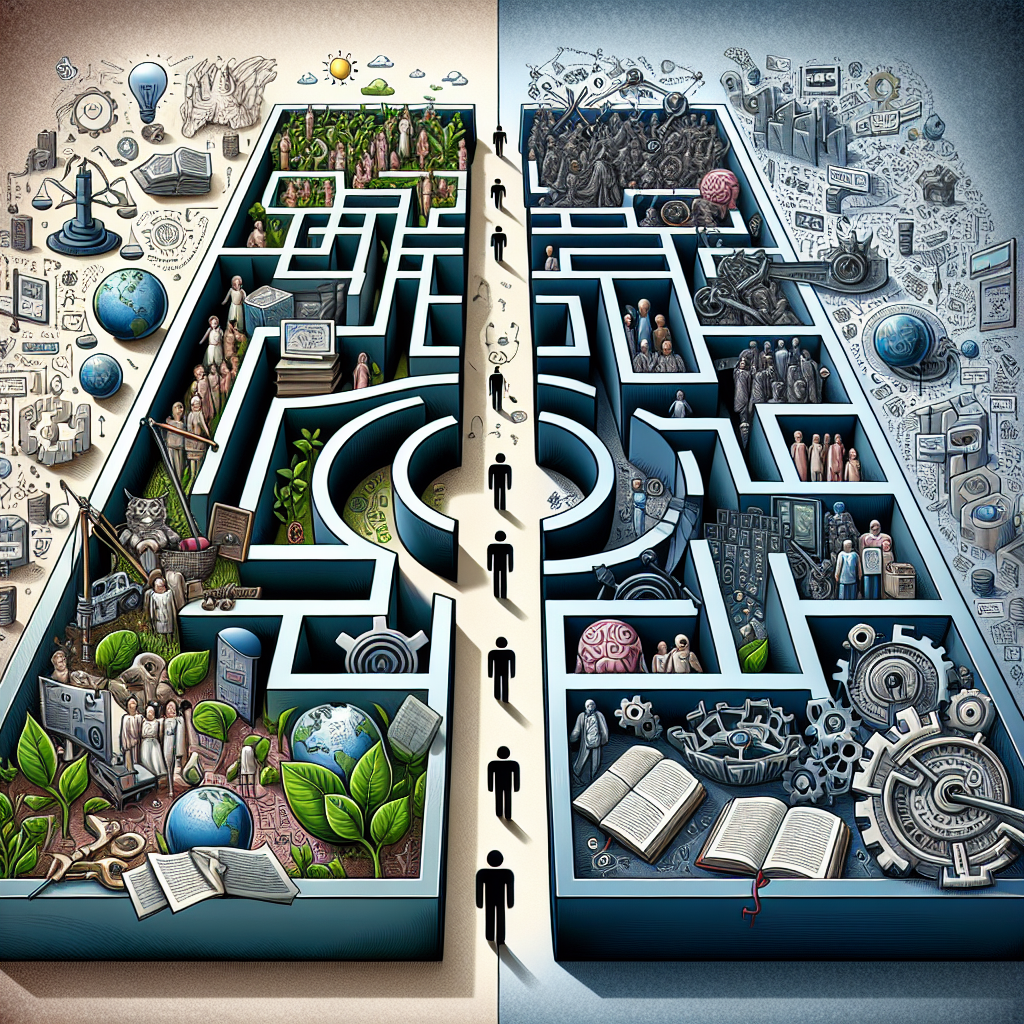
Introduction
In today’s rapidly changing world, we find ourselves facing complex moral dilemmas that challenge our values and beliefs. From issues of technology to societal norms, Moral Dilemmas in Modern Society: Challenges and Solutions is a topic that demands our attention. As we navigate through these conflicting choices, understanding the nuances of each dilemma becomes essential. This article aims to delve deep into the various moral dilemmas we encounter, the challenges they present, and practical solutions to guide us towards ethical decision-making.
The Landscape of Moral Dilemmas
What are Moral Dilemmas?
At its core, a moral dilemma is a situation where a person faces conflicting moral choices. The resolution is not always black and white. Instead, it often involves complex considerations, personal values, societal norms, and potential consequences.
Why They Matter
Moral dilemmas are significant as they reflect the ethical challenges that individuals, organizations, and societies must confront in modern life. Addressing these dilemmas can help us cultivate a more thoughtful, responsible, and ethical society.
Common Moral Dilemmas in Modern Society
1. Technology and Privacy
Case Study: The Cambridge Analytica Scandal
In 2018, revelations about Cambridge Analytica’s misuse of Facebook data sparked global outrage. The case highlighted the stark dilemma of privacy versus data utilization. Should companies prioritize consumer data privacy, or do the benefits of data-driven decision-making take precedence?
Analysis: This case underscores the challenge of balancing innovation and ethical standards in a digital age fraught with privacy concerns.
2. Environmental Ethics
Case Study: Climate Change and Corporate Responsibility
As climate change intensifies, corporations face moral dilemmas regarding their environmental impact. A striking example is the oil industry’s battle between profit and preservation of natural resources.
Analysis: This scenario illustrates the tension between economic growth and ethical stewardship of our planet, challenging businesses to rethink their operations.
3. Social Justice and Equality
Case Study: The Black Lives Matter Movement
The emergence of the Black Lives Matter movement exemplifies moral dilemmas surrounding racial justice. Activists face the challenge of advocating for equality while navigating the complexities of societal backlash.
Analysis: This situation illustrates the deep-rooted tensions in addressing systemic injustice, pushing society to reassess values of equality and fairness.
4. Medical Ethics
Case Study: COVID-19 Vaccination Mandates
The COVID-19 pandemic raised ethical questions regarding vaccination mandates. Policymakers had to address the dilemma of public health versus individual autonomy.
Analysis: This case presents a critical challenge, reflecting the need to balance collective safety and personal freedoms in the face of a global crisis.
5. Economic Inequality
Case Study: The Gig Economy
The gig economy presents moral dilemmas related to worker rights and economic exploitation. Companies like Uber and DoorDash provide flexibility but often at the cost of employee benefits.
Analysis: This dynamic reveals the ethical tension between job creation and the treatment of workers, highlighting the need for robust labor protections.
Challenges of Addressing Moral Dilemmas
The Complexity of Human Values
Human values are not monolithic; they vary significantly across cultures, generations, and individuals. This diversity complicates the resolution of moral dilemmas.
The Influence of External Factors
Political, social, and economic contexts significantly influence how we interpret and approach moral dilemmas. External pressures can lead to ethical compromises that conflict with personal values.
The Role of Education
Education plays a critical role in shaping our understanding of morality. However, discrepancies in access to moral education can lead to unequal approaches to dilemmas.
Table 1: Key Challenges in Addressing Moral Dilemmas
| Challenge | Explanation |
|---|---|
| Complexity of Values | Varied moral perspectives across cultures and individuals. |
| External Influences | Political and social contexts affecting ethical decisions. |
| Education Disparities | Unequal access to moral education affecting understanding. |
| Psychological Barriers | Fear of social backlash influencing choices. |
Solutions to Navigate Moral Dilemmas
1. Ethical Frameworks
Utilizing ethical frameworks like utilitarianism or deontology can provide clarity in decision-making. Assessing situations from multiple perspectives can guide individuals toward ethically sound conclusions.
2. Open Dialogue
Encouraging open conversations about moral dilemmas fosters understanding and tolerance. Engaging in dialogue can help uncover diverse perspectives and generate innovative solutions.
3. Increased Education
Implementing robust moral education programs can empower individuals with the tools to navigate ethical dilemmas. Knowledge enhances critical thinking and ethical reasoning.
4. Community Engagement
Community involvement can provide support and resources for individuals facing moral dilemmas. Collaborative problem-solving can lead to effective and ethical solutions.
5. Transparency and Accountability
Organizations must embrace transparency and hold themselves accountable for their decisions. Clear communication of ethical policies and practices fosters trust and ethical behavior.
Conclusion
In conclusion, navigating Moral Dilemmas in Modern Society: Challenges and Solutions is an ongoing journey that requires vigilance, empathy, and commitment to ethical principles. As we engage with the challenges posed by technology, social justice, and environmental ethics, we must also seek actionable solutions. By fostering open dialogue, utilizing ethical frameworks, and prioritizing education, we can collectively rise to meet the moral dilemmas of our time, building a more just and responsible world.
FAQs
1. What is a moral dilemma?
A moral dilemma is a situation in which someone must choose between two or more conflicting moral options.
2. Why are moral dilemmas important in modern society?
They highlight the complexities of ethical decision-making in an ever-evolving landscape of values and norms.
3. What are some common moral dilemmas people face today?
Common dilemmas include issues related to technology, privacy, social justice, and environmental ethics.
4. How can individuals resolve moral dilemmas?
Utilizing ethical frameworks, engaging in open dialogue, and seeking education and community support can aid in resolving moral dilemmas.
5. How does education influence moral decision-making?
Education provides individuals with the tools and knowledge necessary to critically evaluate moral dilemmas and make informed decisions.
By addressing these aspects of Moral Dilemmas in Modern Society: Challenges and Solutions, we foster a deeper understanding of the ethical dilemmas we face, inspiring action and thoughtful discourse in our communities.


The PsyForU Editorial Collective is the research and editorial team of PsyForU Research International. The collective prepares educational, psychological, mental-health-awareness, inclusion, neurodiversity, and research-methodology content for students, parents, educators, researchers, and general readers. PsyForU content is intended for awareness, education, and capacity-building and should not be treated as clinical diagnosis, therapy, medical advice, legal advice, or emergency mental-health support.