


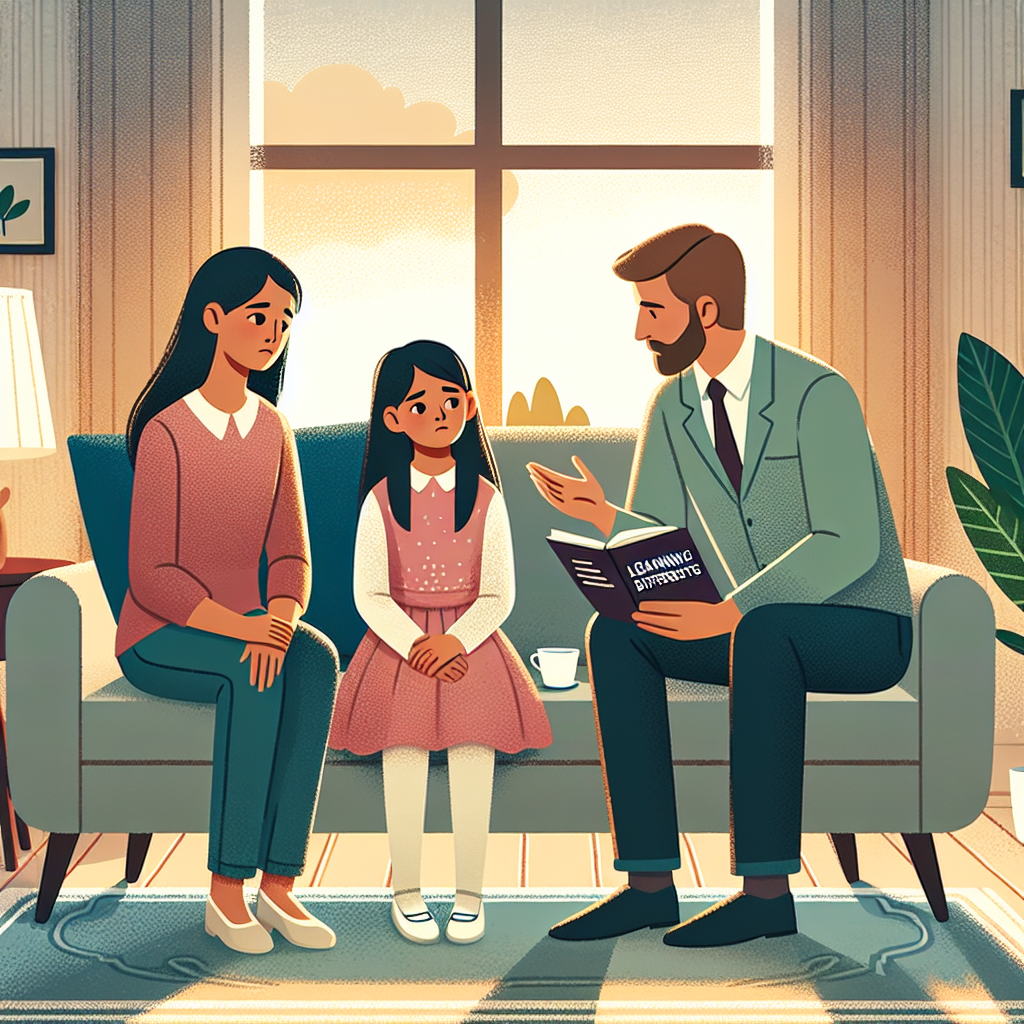
Navigating Conversations: What Every Parent Should Know About Talking to Kids on Learning Differences
Introduction
In today’s increasingly diverse educational landscape, the conversation around learning differences has taken center stage. Whether it’s ADHD, dyslexia, or other learning challenges, understanding how to communicate effectively with our children about these differences is crucial. Navigating Conversations: What Every Parent Should Know About Talking to Kids on Learning Differences dives deep into the essential skills and techniques parents can adopt to foster open, healthy discussions. By equipping yourself with the right tools, you can not only empower your child but also instill a sense of confidence and resilience that will carry on through their academic journey and beyond.
Understanding Learning Differences
What Are Learning Differences?
To grasp how to best talk to our children about their learning differences, it’s fundamental to first understand what they really are. Learning differences encompass a variety of neurodevelopmental conditions that affect the way individuals process information. Unlike disabilities, these differences often come with unique strengths and skills that can be harnessed.
A study published in the Journal of Learning Disabilities highlights how children with learning differences often exhibit creativity and problem-solving capabilities that can be just as powerful as traditional learning methods.
Common Learning Differences
- Dyslexia: Difficulty in reading due to issues with word recognition and processing.
- ADHD: Challenges with focus, impulsivity, and executive function.
- Dysgraphia: Difficulty with writing and fine motor skills.
- Auditory Processing Disorder: Trouble processing sounds, affecting listening and speaking.
Case Study: Jenny’s Journey with Dyslexia
Jenny, a bright and artistic 10-year-old, struggled with reading despite having a vivid imagination. After months of academic struggles, her parents learned through testing that she had dyslexia. By using engaging storytelling methods and audiobooks, they transformed Jenny’s reading experience.
Analysis: This case illustrates how understanding specific learning differences can lead to tailored strategies that resonate with the child’s interests, making learning feel less like a burden.
Building the Right Environment for Conversations
Creating a Safe Space
One of the first steps in navigating conversations about learning differences is establishing an environment where your child feels safe. This includes open communication, support for self-expression, and validation of feelings.
- Listening: Encourage your child to share their thoughts openly. Use phrases like, “I want to hear how you feel about school,” to invite conversation.
- Non-verbal Cues: Pay attention to your child’s body language; it often speaks volumes about their comfort level.
Setting the Right Tone
The tone of the conversation can significantly impact how your child receives the information. Use positive language and be sure to emphasize strengths rather than weaknesses.
Example Table: Positive vs. Negative Language
| Positive Language | Negative Language |
|---|---|
| "You have a unique way of thinking." | "You struggle with your studies." |
| "Let’s work together on this." | "This is too hard for you." |
| "Everyone has different strengths." | "Why can’t you do this like others?" |
Addressing Concerns and Misconceptions
Overcoming Stigmas
One of the biggest hurdles in navigating conversations on learning differences is battling misconceptions. Often, children fear being labeled or judged by peers. Parents can play a decisive role in reframing these stigmas.
- Educate yourself and your child about learning differences. Knowledge is power, and understanding that these differences are common can alleviate fears.
- Role Models: Share stories of successful individuals with similar learning differences who have thrived in various fields.
Case Study: Alex’s Success in STEM
Alex, who has ADHD, struggled to sit still in a traditional learning environment. After researching successful figures who also had ADHD, like some prominent scientists, his parents inspired him to pursue hands-on projects that fueled his interests.
Analysis: Highlighting role models normalizes learning differences and provides inspiration, helping children realize that they can excel despite challenges.
Strategies for Effective Conversations
Age-Appropriate Discussions
Understanding your child’s developmental stage is crucial. Conversations about learning differences need to be tailored to their age and comprehension.
-
Young Children (Ages 5-8): Use simple language. Explain learning differences as variations in how people learn, emphasizing every child’s unique abilities.
-
Middle Childhood (Ages 9-12): Introduce more complex ideas, using analogies. For example, compare different learning styles to different sports.
- Teenagers (Ages 13+): Encourage self-advocacy. Engage in discussions about accommodations, rights, and resources available to support their learning experience.
Practical Tools and Resources
- Books: Provide your child with age-appropriate literature featuring characters who have learning differences.
- Visuals: Use charts or infographics illustrating the brain’s functions to explain how different learning styles work.
Example Chart: Learning Differences Overview
| Learning Difference | Characteristics | Strengths | Effective Strategies |
|---|---|---|---|
| Dyslexia | Reading issues, word decoding | Creative thinking, high empathy | Use audiobooks, multi-sensory methods |
| ADHD | Impulsivity, focus challenges | High energy, creativity | Short, engaging tasks, breaks |
Encouraging Self-Advocacy
Empowering Your Child
Encouraging your child to advocate for themselves is a crucial aspect of navigating conversations on learning differences. Start by teaching them to express what they need in the classroom.
- Help role-play different scenarios where they can practice speaking up about their learning styles.
- Encourage them to articulate their strengths and needs during parent-teacher meetings or IEP discussions.
Case Study: Sofia and Her IEP Meeting
Sofia attended a meeting where her Individualized Education Plan (IEP) was discussed. With parental support, she expressed how her learning style differed from her peers. Her confidence in communicating her needs led to adaptations that significantly improved her classroom experience.
Analysis: This showcases the importance of self-advocacy and knowledge as tools for children living with learning differences, making a case for why parents should promote these skills.
Creating a Support Network
Building Relationships with Teachers
Open lines of communication between parents and educators can significantly impact your child’s experience in school. Don’t hesitate to collaborate with teachers to ensure your child receives the needed support.
- Attend school meetings and get to know your child’s educators. Provide them with resources related to your child’s learning differences.
- Share strategies that have worked at home, facilitating a collaborative approach to learning.
Community Resources
Seek out external resources such as tutoring centers and community organizations that specialize in learning differences. These can provide additional support systems for both you and your child.
Conclusion
Navigating Conversations: What Every Parent Should Know About Talking to Kids on Learning Differences is more than just a guide; it’s a pathway to fostering a nurturing environment where children feel understood, empowered, and ready to tackle challenges. The ability to communicate openly with your child about their learning differences can make a world of difference. Remember, it’s not about fixing something perceived as broken; it’s about celebrating diversity in learning and uncovering the endless possibilities that lie ahead.
Motivational Takeaway
Let your conversations be a springboard for possibility and growth. The journey may have its hurdles, but filled with understanding and support, your child will thrive.
FAQs
-
What should I do if my child is resistant to talking about their learning difference?
- Approach the topic gently. Use open-ended questions and create a comfortable environment that encourages dialogue without pressure.
-
How do I ensure my child doesn’t feel stigmatized by their learning difference?
- Normalize discussions about learning differences by emphasizing that everyone has unique challenges and strengths. Share stories of successful individuals with learning differences.
-
What resources are available for parents to better understand learning differences?
- There are numerous books, online courses, and local seminars focused on learning differences. Joining support groups can also provide valuable insights.
-
At what age should I start these conversations?
- Start at an early age, using simple terms. As your child grows, you can gradually introduce more complex ideas and advocate for self-advocacy.
- How can I help my child navigate school challenges?
- Maintain open communication with teachers and work together to create accommodations that fit your child’s needs. Encourage your child to express their needs and emotions in academic settings.

