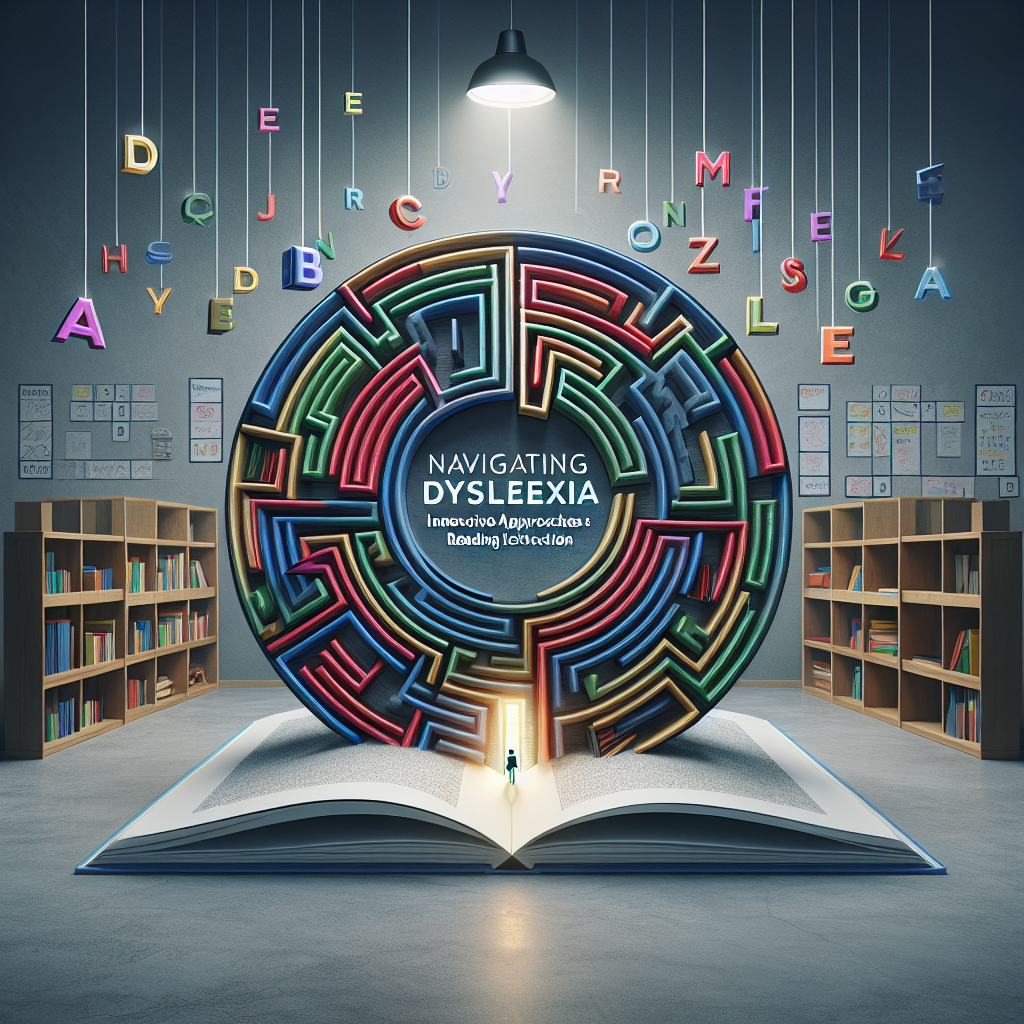
Navigating Dyslexia: Innovative Approaches to Reading Instruction
Introduction
Navigating dyslexia can feel like steering a ship through stormy seas, with gusty winds and towering waves creating turbulence at every turn. For the millions of individuals affected by dyslexia, reading can transform from a seemingly straightforward task into an uphill battle. Yet, as we delve into the realm of innovative approaches to reading instruction, a lighthouse begins to shine through the fog—a beacon of hope for those seeking to master the art of reading.
The significance of effective reading instruction for individuals with dyslexia cannot be overstated. It’s not simply about reading words on a page; it’s about unlocking doors to understanding, creativity, and self-expression. We stand on the brink of a revolution in educational strategies that embrace creativity, technology, and neuroscience. Get ready, as we embark on this enlightening journey through "Navigating Dyslexia: Innovative Approaches to Reading Instruction."
Understanding Dyslexia
What is Dyslexia?
Dyslexia is a neurodevelopmental condition that affects an individual’s ability to read, write, and spell. It is often characterized by difficulties in phonological processing, verbal memory, and rapid visual-verbal responding. Contrary to popular belief, dyslexia is not indicative of intelligence; many individuals with dyslexia are exceptionally gifted in other areas, such as mathematics, art, and problem-solving.
The Importance of Early Intervention
Research underscores the importance of early diagnosis and intervention in dyslexia. Studies reveal that children receiving early and targeted help can navigate dyslexia with greater ease. Schools that adopt a proactive stance on identifying dyslexia improve academic outcomes significantly. The earlier we invest in innovative reading strategies, the more robust the foundation for a child’s reading journey.
Innovative Approaches to Reading Instruction
1. Multisensory Teaching Techniques
Case Study: The Orton-Gillingham Approach
One illuminating example of a multisensory teaching technique is the Orton-Gillingham approach, a proven method that integrates visual, auditory, and kinesthetic learning. In a 2019 study, a school that implemented this method reported a 60% increase in reading proficiency among students with dyslexia. By engaging multiple senses, this method helps students process information more holistically.
Analysis
The Orton-Gillingham approach’s success highlights how the brain’s different learning pathways can be stimulated for effective reading instruction. This innovative approach exemplifies the essence of "Navigating Dyslexia: Innovative Approaches to Reading Instruction"—utilizing sensory integration for improved outcomes.
2. Technology Integration
Case Study: Use of Text-to-Speech Software
In a groundbreaking pilot study, a school district integrated text-to-speech software in the classroom. Students using this technology exhibited a 40% increase in reading comprehension scores after six months. The students reported feeling more engaged and less anxious as they navigated complex texts with the assistance of audio support.
Analysis
The embrace of technology illustrates how tools can extend the reach of traditional methods. In a world inundated with digital resources, incorporating tech solutions addresses diverse learning styles, thus aligning perfectly with the core of "Navigating Dyslexia: Innovative Approaches to Reading Instruction."
3. Phonics-Based Instruction
Case Study: The Science of Reading Initiative
The Science of Reading initiative emphasizes the import of phonics-based instruction as a cornerstone in effective reading education. In a notable case in New Jersey, elementary schools that adopted phonics-focused curriculums improved literacy rates by 30% within two academic years.
Analysis
This case shows how grounded instruction in phonics can serve as the compass many students with dyslexia need. The results substantiate the relevance of structured literacy approaches in "Navigating Dyslexia: Innovative Approaches to Reading Instruction."
4. Inclusive Classroom Practices
Case Study: Universal Design for Learning (UDL)
Schools employing Universal Design for Learning have made strides in creating inclusive learning environments. A California school district recorded a 25% increase in overall student performance by employing UDL principles, ensuring that lessons provided varied means of engagement, representation, and action.
Analysis
Inclusive practices remind us that "Navigating Dyslexia: Innovative Approaches to Reading Instruction" is not merely about dyslexic students; it’s about creating spaces that foster diversity and adapt to all learners.
5. Interactive Reading Engagement
Case Study: Book Club Events for Dyslexic Students
A Texas school initiated a monthly reading club targeting dyslexic students, where they explored engaging literature with the assistance of mentors. The program resulted in a remarkable 50% increase in student enthusiasm for reading among participants.
Analysis
This innovative approach emphasizes emotional engagement as a critical piece of reading instruction. Sharing experiences through community builds confidence and enhances motivation—essential elements well captured in "Navigating Dyslexia: Innovative Approaches to Reading Instruction."
Strategies for Educators and Parents
Practical Tools for Reading Instruction
Structured Literacy Programs: Emphasize evidence-based programs that incorporate phonics and multisensory elements.
Flexible Seating: Create adaptable workspaces to enhance focus and comfort during reading activities.
Visual Aids: Utilize color-coded text and graphics to enhance comprehension and retention.
- Collaborative Projects: Foster teamwork and shared learning experiences that leverage diverse strengths.
Building a Support Network
Engaging Parents: Workshops that educate parents on dyslexia and support approaches can foster a team mentality.
Peer Mentoring: Creating a buddy system where older students help younger dyslexic peers can bolster confidence and enhance skills.
- Community Involvement: Partner with local organizations to raise awareness and resources around dyslexia.
Conclusion
In our exploration of "Navigating Dyslexia: Innovative Approaches to Reading Instruction," we see a tapestry woven from various threads—multisensory techniques, technology, phonics, inclusion, and social engagement. Each thread plays a vital role, not merely in enhancing reading skills but in empowering individuals with dyslexia to seize their narrative.
As we look forward, let us carry forth the insights gleaned from research, case studies, and lived experiences, crafting a more inclusive landscape for reading instruction. The journey may be rugged, but with innovation lighting the way, dyslexia can evolve from a barrier to an opportunity for growth.
FAQs
1. What are common signs of dyslexia?
Signs of dyslexia include difficulty with decoding words, problems with spelling, and struggles with reading fluency and comprehension.
2. Can dyslexia be cured?
Dyslexia cannot be cured, but with the right interventions and support, individuals can learn to manage their reading challenges effectively.
3. What role do parents play in supporting a child with dyslexia?
Parents can advocate for appropriate interventions, create a supportive learning environment at home, and engage in reading activities that align with their child’s interests.
4. How can teachers identify students with dyslexia?
Teachers should look for patterns of difficulty in reading compared to peers and utilize assessments to analyze phonetic skills, comprehension, and fluency.
5. Is technology beneficial for dyslexic students?
Absolutely. Tools like text-to-speech software and educational apps can greatly assist dyslexic students in reading and comprehension.
6. Are there scholarships available for dyslexic students?
Yes, various organizations offer scholarships and resources aimed specifically at supporting students with dyslexia in their educational journey.
Through dedication, innovative approaches, and a supportive network, we can navigate the challenges of dyslexia and illuminate paths toward literacy for all.
About the Author