Introduction
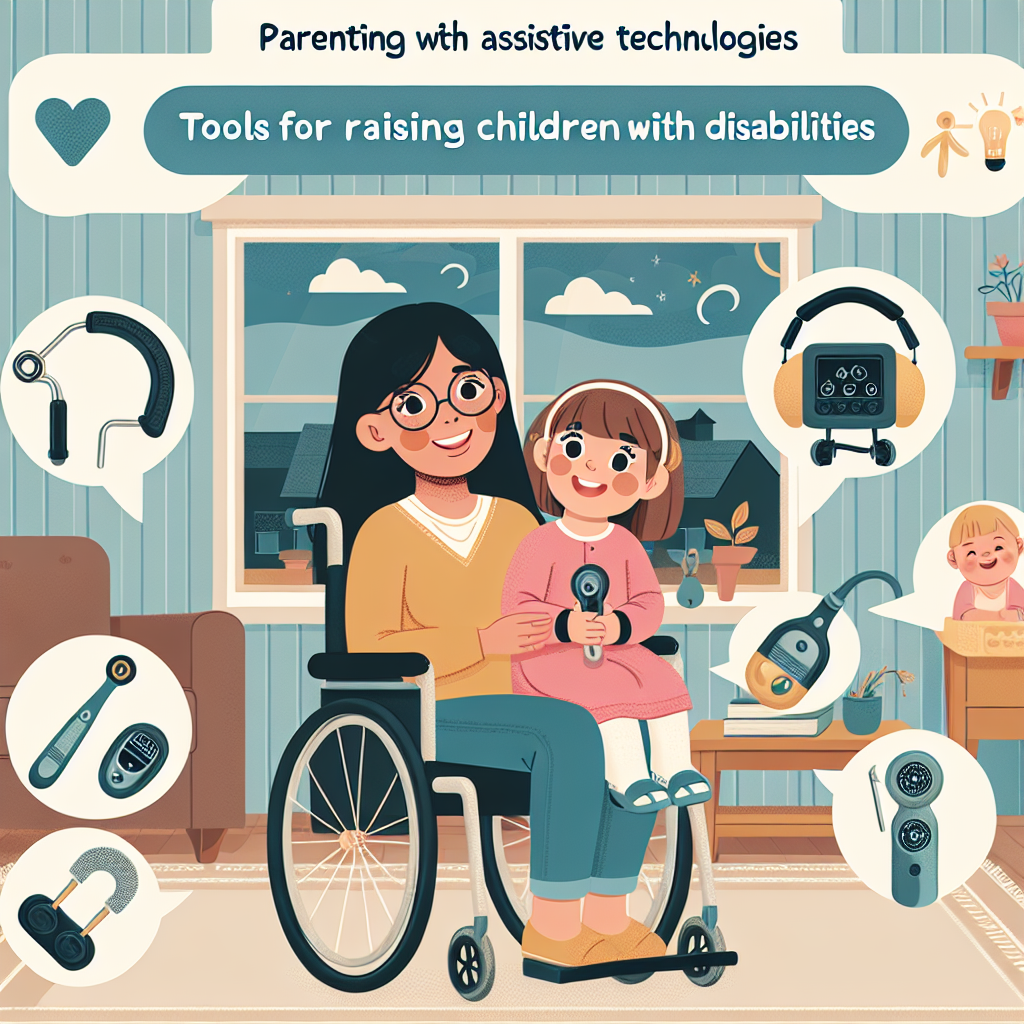
Parenting is a journey filled with unique challenges and triumphs, but for those raising children with disabilities, this experience can be both rewarding and daunting. The good news? Advances in technology have opened a world of possibilities. Parenting with Assistive Technologies: Tools for Raising Children with Disabilities offers innovative solutions that empower parents and enhance the quality of life for their kids. This article delves into the various tools available, their real-world applications, and how they can positively impact your parenting journey.
Understanding Assistive Technologies
What Are Assistive Technologies?
Assistive technologies encompass a wide range of devices and services designed to support and improve the functional capabilities of individuals with disabilities. These tools can range from simple items, like specially designed utensils for children with motor challenges, to high-tech devices, like communication software that allows non-verbal children to express their thoughts and feelings.
Why Are They Essential for Parenting with Disabilities?
Communication: Many children with disabilities face challenges in communication. Assistive technologies provide alternatives that empower these children to express themselves.
Learning: Educational tools tailored for varying needs can promote inclusivity and enhance learning experiences, allowing every child the opportunity to thrive academically.
- Safety and Independence: For parents, knowing that their child can navigate their environment safely is paramount. Tools exist that monitor vital signs or alert parents if a child has wandered too far from a designated area.
Classification of Assistive Technologies
Communication Devices
AAC (Augmentative and Alternative Communication)
Devices like speech-generating devices (SGD) help non-verbal children communicate more effectively. For instance, a device such as the Tobii Dynavox, provides children a voice through touch or eye-tracking technology.
Case Study: Emma’s Journey with AAC
Emma, a 6-year-old diagnosed with autism, struggled to express her feelings. After her family introduced an AAC device, she began to communicate her needs, leading to improved interactions with peers and family. This example illustrates the profound impact assistive communication can have on a child’s emotional life.
Educational Technologies
Learning Apps
Various apps are tailored for children with disabilities, making learning fun and interactive. Speech Blubs and Proloquo2Go are just two examples that cater to children with speech delays.
Table 1: Popular Learning Apps for Children with Disabilities
| App Name | Purpose | Age Range |
|---|---|---|
| Speech Blubs | Speech development | 2-7 |
| Proloquo2Go | Communication for non-verbal children | 3+ |
| ABCmouse | General learning | 2-8 |
| ModMath | Math assistance | 8+ |
Mobility Aids
Wheelchairs and Walkers
From manual wheelchairs to advanced automated mobility devices, these tools enable children to navigate the world independently. The LEVO G4, for example, not only supports mobility but encourages children to engage in social activities.
Case Study: Jason’s Empowering Experience
Jason, a child with cerebral palsy, started using a powered wheelchair equipped with smart navigation features. This allowed him to participate in school events independently, enhancing not just his mobility but also his social interactions.
Monitoring Technologies
Health Monitoring Devices
Wearable technologies such as smartwatches can help parents track a child’s vital signs, detect seizures, or even manage behavioral triggers for conditions like ADHD.
Analyzing the Relevance
These devices not only foster quality of life but also provide peace of mind for parents, ensuring they can respond quickly if needed.
Integrating Assistive Technologies into Daily Life
Creating a Tech-Enable Environment
The integration of assistive technologies should be seamless and supportive. Here are practical steps for families:
Assess Needs: Identify the specific challenges your child faces. Consult with occupational and speech therapists for insights.
Research Tools: Explore available assistive technologies that suit your child’s needs, keeping in mind factors such as cost, user-friendliness, and effectiveness.
- Trial and Error: Sometimes, the first option may not be the best fit. Many companies offer trial periods; use this opportunity to find the right tools.
Building an Inclusive Community
Engaging with communities that focus on Parenting with Assistive Technologies: Tools for Raising Children with Disabilities can offer emotional support and share practical experiences. Online forums, local support groups, and workshops are excellent avenues for learning and connection.
The Role of Parents and Caregivers
Empowerment through Education
As parents, being proactive and informed is crucial. Seek out training sessions or workshops that educate you about the various tools available. This knowledge empowers parents to make the best choices for their children.
Advocating for Support
Don’t hesitate to advocate for your child to ensure they receive the necessary tools and accommodations. Schools and local governments may offer resources to assist families navigating these challenges.
Table 2: Resources for Parents
| Resource | Description | Contact/Website |
|---|---|---|
| Unique Kids | Educational resources for children with disabilities | uniquekids.com |
| Care.com | Finding specialized caregivers | care.com |
| NICHY | Government resources and support | nichy.org |
| Understood | Expert advice and resources | understood.org |
Conclusion
Parenting with Assistive Technologies: Tools for Raising Children with Disabilities is not only about providing resources but also about nurturing growth, independence, and effective communication. The integration of technology into your parenting approach can transform challenges into triumphs. Encourage your child’s uniqueness and abilities, and remember: every step taken is a step towards empowerment and inclusivity.
Actionable Insights
Explore New Technologies: Visit expos or local stores to get hands-on experience with assistive technologies.
Network with Other Parents: Share experiences and learn from others who are navigating similar paths.
- Stay Updated: Technology is ever-evolving. Regularly check for latest innovations in assistive technologies to stay ahead.
FAQs
1. What kinds of assistive technologies are available for children with disabilities?
There are numerous tools, ranging from communication devices and learning apps to mobility aids and health monitoring tools. Each category has various options suited for different needs.
2. How can parents assess which tools are best for their child?
Consulting with professionals such as therapists and educators is vital. They can provide insights based on individual assessments of your child’s specific challenges.
3. Are there financial resources to help acquire assistive technologies?
Yes, several grants and state programs offer financial assistance for families needing these tools. Resources like local nonprofit organizations can also be helpful.
4. How can I ensure my child benefits the most from these technologies?
Active engagement, ongoing support, and regular updates or training in using these tools will maximize their benefits. Encourage your child’s input in the process to increase their comfort and interest.
5. What if a particular technology doesn’t work for my child?
Every child is unique. If one tool doesn’t fit, consider trial and error with other options, and ensure to consult with professionals to find alternatives that may work better.
Incorporating assistive technologies into parenting can pave the way for monumental achievements. Both you and your child have the strength to thrive in this unique journey. Let technology light the path.
About the Author


The PsyForU Editorial Collective is the research and editorial team of PsyForU Research International. The collective prepares educational, psychological, mental-health-awareness, inclusion, neurodiversity, and research-methodology content for students, parents, educators, researchers, and general readers. PsyForU content is intended for awareness, education, and capacity-building and should not be treated as clinical diagnosis, therapy, medical advice, legal advice, or emergency mental-health support.