


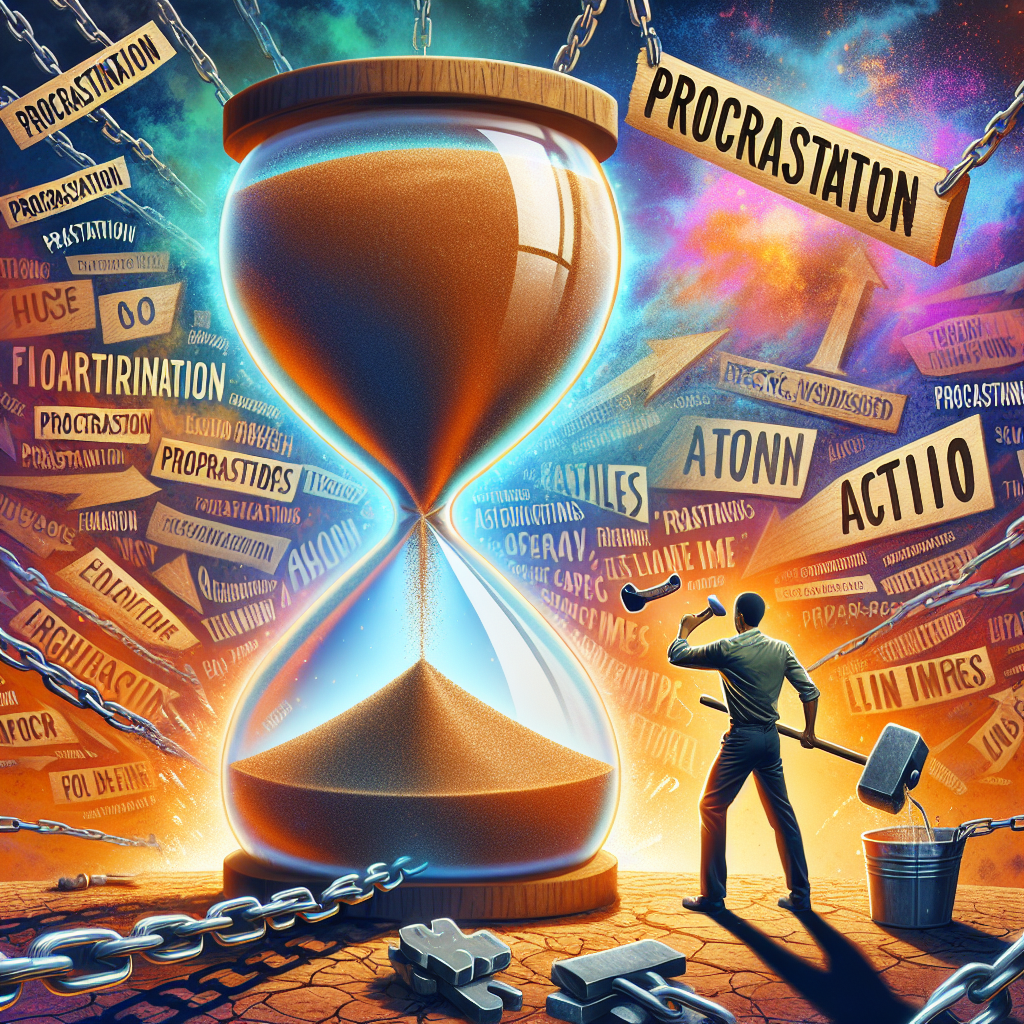
Procrastination No More: Essential Evidence-Based Tips for Action
Introduction
Procrastination is a universal challenge that can hinder personal and professional growth, leaving many individuals feeling trapped in cycles of inaction and stress. According to a study published in the American Psychological Association, about 20% of adults identify themselves as chronic procrastinators. This statistic serves as a rallying cry for anyone who has ever felt the weight of unfinished tasks looming over them. If you’re seeking a way out of this common pitfall, you’re in the right place. In this article, we will explore "Procrastination No More: Effective, Evidence-Based Tips for Action" that can help you break free from the chains of procrastination and reclaim your ability to take action.
Understanding Procrastination
What is Procrastination?
Procrastination can be defined as the voluntary delay of an intended action despite expecting to be worse off for the delay. It’s not merely a time-management issue; it often stems from deeper emotional factors like fear of failure, perfectionism, and a lack of motivation.
The Psychology Behind Procrastination
Research from the University of Vermont found that procrastination is often linked to self-doubt, anxiety, and negative feelings towards tasks. This psychological framework explains why procrastination is more than just poor time management; it’s often a manifestation of internal conflicts.
The Consequences of Procrastination
Procrastination can have severe repercussions on mental health, productivity, and overall well-being. Studies show that chronic procrastinators often experience heightened stress, anxiety, and depression. In professional settings, procrastination can lead to missed deadlines, compromised work quality, and ultimately, career stagnation.
Case Study: The Impact of Procrastination
A study published in the Journal of Counseling Psychology followed students who procrastinated on studying for significant exams. It revealed that students who delayed studying experienced higher levels of stress and poorer academic performance. Conversely, those who implemented effective planning and time management strategies performed significantly better.
Procrastination No More: Effective, Evidence-Based Tips for Action
1. Break Your Tasks into Smaller Steps
A common reason people procrastinate is that tasks seem daunting and overwhelming. By breaking tasks into smaller, manageable steps, you can significantly reduce the psychological barrier of starting.
Actionable Tip: Use the Pomodoro Technique—set a timer for 25 minutes to work on a task, followed by a 5-minute break. This method can help maintain focus and alleviate stress.
2. Create a Timeline With Milestones
A visual timeline can keep you accountable and motivated. By setting deadlines for smaller steps within a larger project, you create a roadmap to success.
| Table Example: | Task | Deadline | Milestones |
|---|---|---|---|
| Write Report | October 20 | Outline: October 5 | |
| First Draft: October 10 | |||
| Final Edit: October 18 |
3. Use Reward Systems
Creating a reward system for completing tasks can provide an incentive that makes it easier to get started. This could be something simple, like enjoying a treat or taking time for a leisure activity after finishing a task.
4. Identify Your Procrastination Triggers
Understanding what triggers your procrastination can help you strategize. Are you more likely to procrastinate in certain environments or when faced with specific tasks?
Case Study: Trigger Analysis
In a 2022 study from Stanford University, participants were asked to identify their procrastination triggers. Those who recognized their environmental and emotional triggers were able to implement strategies that reduced procrastination by as much as 30%.
5. Utilize Technology Wisely
Various apps and tools are designed to help manage time and reduce procrastination. Tools like Todoist, Trello, and Google Calendar can help you stay organized.
6. Cultivate a Growth Mindset
Adopting a growth mindset—believing that your abilities can develop through dedication and hard work—can foster resilience against procrastination. This perspective encourages you to view challenges as opportunities rather than obstacles.
7. Seek Accountability
Sometimes, simply sharing your goals with a friend or colleague can create a sense of accountability that motivates you to follow through. Joining study groups or professional networks can create a supportive environment that discourages procrastination.
Overcoming Procrastination: Real-World Applications
Case Study: The Power of Accountability
A group of professionals at a New York City marketing agency decided to implement weekly check-ins to keep each other accountable for their projects. They found that, over the span of three months, project completion rates rose by 40%. This group dynamic created a supportive environment where procrastination became less acceptable, showcasing the effectiveness of accountability in overcoming procrastination.
The Role of Mindfulness
In a study published in Psychological Science, researchers found that mindfulness meditation can significantly reduce procrastination by improving focus and emotional regulation.
Actionable Tip: Incorporate just 10 minutes of meditation into your daily routine. Apps like Headspace and Calm can guide you through mindfulness exercises that cultivate focus.
Conclusion
If you’re tired of feeling like procrastination controls your life, it’s time to take action. With insights from psychology and real-world applications, "Procrastination No More: Effective, Evidence-Based Tips for Action" can help you reclaim your time and enhance your productivity.
By breaking tasks into smaller steps, setting deadlines, recognizing triggers, and seeking accountability, you can transform your work habits and create a more fulfilling, productive life. Remember, the journey to overcoming procrastination is just that—a journey. Equip yourself with these tools, and take the first steps today.
FAQs
1. Why do I procrastinate?
Procrastination often stems from fear of failure, perfectionism, or even simple task aversion. Addressing the emotional factors can help mitigate procrastination.
2. How can I stay accountable?
Consider sharing your goals with a friend or colleague, or joining a group where you can check in on each other’s progress.
3. Is procrastination a mental health issue?
While procrastination isn’t classified as a mental health disorder, it can exacerbate feelings of anxiety and depression, impacting overall well-being.
4. Can tech tools really help?
Yes, various apps can help you manage time, set reminders, and break tasks down into manageable parts, which can mitigate procrastination.
5. What should I do when I feel overwhelmed?
When feeling overwhelmed, take a break, reassess your tasks, and break them into smaller, manageable steps to regain control.
By implementing these strategies, you are not just learning to manage procrastination; you’re empowering yourself to take charge of your life, one action at a time.

