

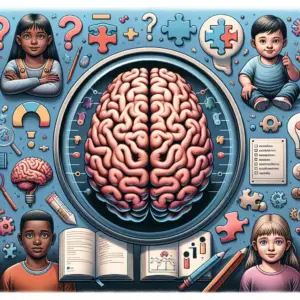

The Essential Guide to Raising Awareness: The Importance of Early Detection in Neurodevelopmental Disorders
A child’s first smile. The first time they reach for a toy. The moment they turn toward a parent’s voice, babble a string of sounds, or take a wobbly step across the living room.
These milestones can feel small in the rush of everyday life, but they tell an important story. They offer clues about how a child’s brain, body, senses, language, emotions, and relationships are developing. When those clues suggest a delay or difference, early attention can change the path ahead.
That is why Raising Awareness: The Importance of Early Detection in Neurodevelopmental Disorders is not just a healthcare topic. It is a family topic, an education topic, a public policy topic, and a community responsibility.
Neurodevelopmental disorders can affect how children communicate, learn, move, pay attention, regulate emotions, interact socially, and process the world around them. Autism spectrum disorder, attention-deficit/hyperactivity disorder, intellectual disability, learning disorders, communication disorders, tic disorders, and developmental coordination disorder are all examples. Some signs appear in infancy. Others become clearer in preschool or early school years.
The encouraging truth is this: early detection does not label a child as limited. It opens doors.
It opens doors to speech therapy, occupational therapy, behavioral support, educational accommodations, parent coaching, medical evaluation, and community resources. It helps families move from confusion to clarity. It gives children more time to build skills during critical periods of brain development.
This article explores Raising Awareness: The Importance of Early Detection in Neurodevelopmental Disorders in depth—why it matters, what signs to watch for, how screening works, what barriers families face, and how communities can respond with compassion and action.
Understanding Neurodevelopmental Disorders
Neurodevelopmental disorders are conditions that begin during the developmental period, often before a child enters school. They involve differences in brain development that can affect behavior, learning, movement, language, social interaction, attention, or intellectual functioning.
They are not the result of “bad parenting,” laziness, lack of discipline, or a child simply “not trying hard enough.” Neurodevelopmental differences are real, measurable, and often lifelong—though support can dramatically improve outcomes.
Common neurodevelopmental disorders include:
-
- Autism spectrum disorder
-
- ADHD
-
- Intellectual developmental disorder
-
- Specific learning disorders such as dyslexia, dyscalculia, and dysgraphia
-
- Speech and language disorders
-
- Developmental coordination disorder
-
- Tic disorders, including Tourette syndrome
-
- Global developmental delay in younger children
The phrase Raising Awareness: The Importance of Early Detection in Neurodevelopmental Disorders captures a vital message: recognizing signs early can help children receive support before frustration, academic struggles, social isolation, or behavioral challenges become deeply entrenched.
Why Early Detection Matters So Much
Early childhood is a period of remarkable brain growth. During the first years of life, the brain forms millions of neural connections. These connections are shaped by genetics, environment, relationships, sensory experiences, play, communication, sleep, nutrition, and learning opportunities.
When a child has a developmental difference, early support can help strengthen skills while the brain is especially adaptable.
Early detection can:
-
- Improve communication skills
Children with speech or language delays may benefit significantly from early speech-language therapy.
- Improve communication skills
-
- Reduce family stress
Families often sense something is different long before a formal diagnosis. Early evaluation can replace uncertainty with guidance.
- Reduce family stress
-
- Improve school readiness
Children who receive early intervention may enter school with stronger social, behavioral, motor, and communication skills.
- Improve school readiness
-
- Prevent secondary challenges
Untreated developmental differences can lead to anxiety, low self-esteem, academic failure, behavioral issues, or social withdrawal.
- Prevent secondary challenges
-
- Connect families to resources sooner
Early diagnosis can help families access therapies, financial assistance, school services, and support groups.
- Connect families to resources sooner
-
- Create realistic expectationsUnderstanding a child’s developmental profile allows parents and teachers to support the child more effectively.
This is the heart of Raising Awareness: The Importance of Early Detection in Neurodevelopmental Disorders: children should not have to struggle for years before adults understand what they need.
Early Detection Is Not About Panic—It Is About Possibility
Many parents worry that screening or evaluation will lead to stigma. Some fear that a diagnosis will follow their child forever. Others are told by relatives, “Don’t worry, they’ll grow out of it,” or “Every child develops at their own pace.”
It is true that children develop differently. Some walk late and thrive. Some speak later than peers and catch up. But “wait and see” can become “wait and miss” when real developmental concerns are present.
Early detection does not mean assuming the worst. It means asking better questions earlier.
A developmental evaluation can identify:
-
- A temporary delay that needs monitoring
-
- A specific skill gap that needs therapy
-
- A broader neurodevelopmental condition
-
- Hearing, vision, sleep, or medical issues affecting development
-
- A child’s strengths and learning style
In this sense, Raising Awareness: The Importance of Early Detection in Neurodevelopmental Disorders is about empowerment, not fear.
Common Early Signs Parents and Caregivers Should Know
Every child is unique, and no single sign confirms a neurodevelopmental disorder. However, certain patterns deserve attention.
Early Signs in Infants and Toddlers
Parents may notice:
-
- Limited eye contact
-
- Not responding consistently to name
-
- Lack of babbling by around 12 months
-
- No single words by around 16 months
-
- No two-word phrases by around 24 months
-
- Loss of previously learned words or social skills
-
- Limited gestures such as pointing, waving, or showing objects
-
- Unusual repetitive movements
-
- Extreme sensory reactions to sounds, textures, lights, or touch
-
- Difficulty feeding or sleeping
-
- Delayed sitting, crawling, standing, or walking
-
- Unusual muscle stiffness or floppiness
Early Signs in Preschool Children
Possible concerns include:
-
- Difficulty following simple instructions
-
- Limited pretend play
-
- Frequent intense tantrums beyond developmental expectations
-
- Difficulty playing with other children
-
- Speech that is hard to understand
-
- Trouble with transitions
-
- Very short attention span
-
- Repetitive play patterns
-
- Clumsiness or difficulty using utensils, crayons, or buttons
Early Signs in School-Age Children
Developmental differences may become clearer when academic and social demands increase. Signs may include:
-
- Trouble learning letters, numbers, or sounds
-
- Reading far below grade level
-
- Difficulty writing or organizing thoughts
-
- Problems sitting still or staying focused
-
- Impulsivity
-
- Trouble making or keeping friends
-
- Anxiety around schoolwork
-
- Difficulty understanding social cues
-
- Poor coordination in sports or handwriting
-
- Frequent emotional outbursts
Awareness helps adults recognize that these signs are not character flaws. They may be developmental signals.
Table: Early Signs and Possible Areas of Concern
| Developmental Area | Possible Early Signs | Conditions That May Be Considered | Suggested Next Step |
|---|---|---|---|
| Social communication | Limited eye contact, not responding to name, limited gestures | Autism, language delay, hearing concerns | Pediatrician, audiology, developmental screening |
| Speech and language | Few words, unclear speech, difficulty understanding instructions | Speech/language disorder, autism, hearing loss | Speech-language evaluation |
| Attention and behavior | Extreme impulsivity, difficulty staying seated, constant activity | ADHD, anxiety, sleep problems | Pediatrician, behavioral assessment |
| Motor skills | Delayed walking, poor coordination, difficulty using hands | Developmental coordination disorder, cerebral palsy, motor delay | Physical/occupational therapy evaluation |
| Learning | Trouble reading, writing, or math despite instruction | Dyslexia, dyscalculia, intellectual disability | School evaluation, psychoeducational testing |
| Sensory processing | Strong reactions to noise, clothing, food textures, touch | Autism, sensory processing differences | Occupational therapy evaluation |
| Emotional regulation | Intense meltdowns, rigid routines, extreme distress with change | Autism, anxiety, ADHD | Developmental or behavioral assessment |
This table is not a diagnostic tool. It is a guide to encourage timely conversations with professionals.
The Role of Developmental Milestones
Developmental milestones are skills most children achieve by a certain age. They include motor, language, cognitive, social, and emotional abilities.
Examples include:
-
- Smiling socially
-
- Rolling over
-
- Sitting without support
-
- Babbling
-
- Pointing
-
- Walking
-
- Pretend play
-
- Following directions
-
- Speaking in sentences
-
- Taking turns
Milestones help families and clinicians monitor development. Missing one milestone does not automatically mean a child has a neurodevelopmental disorder. However, multiple delays, regression, or persistent concerns should be evaluated.
A core part of Raising Awareness: The Importance of Early Detection in Neurodevelopmental Disorders is teaching families that milestones are not a competition. They are a communication tool.
Screening vs. Diagnosis: What Is the Difference?
Many families hear terms like “screening,” “assessment,” “evaluation,” and “diagnosis” and feel overwhelmed. Understanding the difference can reduce fear.
Developmental Screening
Screening is a brief process used to identify whether a child may need further evaluation. It often includes parent questionnaires and simple observations.
Screening does not diagnose a disorder. It asks, “Should we look more closely?”
Developmental Evaluation
Evaluation is more detailed. It may include standardized tests, clinical observations, interviews, medical history, hearing and vision checks, and reports from parents or teachers.
Diagnosis
A diagnosis is made when a qualified professional determines that a child meets criteria for a specific condition.
Screening is the front door. Evaluation is the deeper investigation. Diagnosis, when appropriate, helps guide services and support.
Table: Common Screening and Assessment Tools
| Tool or Approach | Often Used For | Typical Age Range | Who May Use It |
|---|---|---|---|
| Ages and Stages Questionnaires | General development | Infancy to early childhood | Pediatricians, early childhood programs |
| M-CHAT-R/F | Autism screening | Toddlers, commonly 16–30 months | Pediatricians and trained providers |
| Vanderbilt Assessment Scales | ADHD symptoms | School-age children | Pediatricians, psychologists, schools |
| Conners Rating Scales | ADHD and behavior | Children and adolescents | Clinicians, schools |
| Psychoeducational testing | Learning and cognitive profile | School-age children | School psychologists, neuropsychologists |
| Speech-language evaluation | Communication skills | Any age | Speech-language pathologists |
| Occupational therapy evaluation | Fine motor and sensory-motor skills | Any age | Occupational therapists |
| Physical therapy evaluation | Gross motor skills | Infancy onward | Physical therapists |
Screening tools are most useful when combined with professional judgment and parent insight.
Parents Often Notice First—and Their Concerns Matter
One of the most important messages in Raising Awareness: The Importance of Early Detection in Neurodevelopmental Disorders is that parents should be taken seriously.
Parents often notice subtle differences long before a formal screening flags a concern. They may say:
-
- “He doesn’t seem to hear me, but his hearing test was normal.”
-
- “She knows many words but does not use them to communicate.”
-
- “He plays with toys differently than other children.”
-
- “She melts down every time we leave the house.”
-
- “He is bright, but reading is painfully hard.”
-
- “She masks all day at school and falls apart at home.”
These observations are valuable clinical information.
A parent’s concern is not overreaction. It is data.
Professionals should listen carefully, ask specific questions, and provide next steps rather than dismissing worries with vague reassurance.
Case Study 1: Early Autism Screening Opens a Door
Background
Lena was 20 months old when her parents noticed she rarely responded to her name. She loved spinning the wheels of toy cars but did not often bring toys to show her parents. She had a few words at 14 months but stopped using them consistently. Family members reassured her parents that she was “just independent.”
At her 18-month pediatric visit, Lena’s parents completed an autism screening questionnaire. The results suggested a need for further evaluation. Her pediatrician referred the family to early intervention services and a developmental specialist.
Lena began speech therapy, occupational therapy, and parent-guided play strategies before age two.
Outcome
By age three, Lena was using short phrases, engaging in more shared play, and tolerating transitions better. She still had autistic traits and sensory needs, but her family understood how to support her communication and regulation.
Analysis
This case illustrates Raising Awareness: The Importance of Early Detection in Neurodevelopmental Disorders because Lena’s support began during a critical developmental window. Early services did not “erase” her neurodiversity. They helped her communicate, connect, and participate more comfortably.
Early Intervention: What It Can Include
Early intervention is a system of services designed to support infants and young children with developmental delays or disabilities. Services vary by location, but they may include:
-
- Speech-language therapy
-
- Occupational therapy
-
- Physical therapy
-
- Developmental therapy
-
- Behavioral support
-
- Feeding therapy
-
- Parent coaching
-
- Social communication support
-
- Assistive communication tools
-
- Family service coordination
Early intervention works best when it is practical and family-centered. Parents should not receive a generic list of exercises. They need strategies that fit real life: mealtimes, bath time, play, dressing, bedtime, daycare, and community outings.
For example:
-
- A speech therapist may teach parents how to expand communication during snack time.
-
- An occupational therapist may help a child tolerate toothbrushing or clothing textures.
-
- A physical therapist may support safe movement and strength during play.
-
- A developmental specialist may coach parents in turn-taking and imitation games.
The goal is not to make children “normal.” The goal is to help children thrive.
The Science Behind Early Support
Children’s brains are shaped by experience. This concept is often called neuroplasticity. During early childhood, neural circuits involved in communication, movement, emotional regulation, attention, and social interaction are rapidly developing.
Early intervention can help by:
-
- Increasing meaningful communication opportunities
-
- Strengthening motor patterns
-
- Supporting emotional regulation
-
- Reducing avoidable frustration
-
- Improving caregiver-child interaction
-
- Building adaptive skills
-
- Creating predictable learning environments
This is why raising awareness about the importance of early detection in neurodevelopmental disorders matters so deeply. Time is not neutral. Waiting may allow difficulties to compound, while early support can build momentum.
Case Study 2: Motor Delay and the Power of Physical Therapy
Background
Mateo was born prematurely at 30 weeks. By nine months corrected age, he had difficulty sitting independently and seemed unusually stiff in his legs. His parents were told that premature babies sometimes take longer, which is true. But his pediatrician also recognized that his motor delays warranted evaluation.
Mateo was referred to a pediatric neurologist and physical therapist. He was later identified as being at risk for cerebral palsy.
Outcome
Physical therapy began before his first birthday. His parents learned positioning techniques, stretching routines, strengthening activities, and play-based movement strategies. He eventually used ankle-foot orthoses and received coordinated care.
By preschool, Mateo walked with support and participated in adapted play activities.
Analysis
Mateo’s story shows why Raising Awareness: The Importance of Early Detection in Neurodevelopmental Disorders extends beyond autism and ADHD. Motor differences also deserve early attention. Early physical therapy can improve function, comfort, participation, and independence.
Neurodevelopmental Disorders Are Not Always Obvious
Some children show clear developmental differences early. Others are harder to identify.
A child may speak well but struggle with social understanding. Another may be academically gifted but unable to manage sensory overload. A quiet child with inattentive ADHD may be seen as daydreamy rather than struggling. A girl with autism may imitate peers so effectively that adults miss her distress.
This is one of the most important challenges in Raising Awareness: The Importance of Early Detection in Neurodevelopmental Disorders: not all children fit stereotypes.
Signs Can Look Different Across Children
Autism may look like:
-
- Limited speech in one child
-
- Advanced vocabulary but one-sided conversation in another
-
- Intense interests
-
- Sensory distress
-
- Social exhaustion
-
- Rigid routines
-
- Difficulty with back-and-forth interaction
ADHD may look like:
-
- Constant movement
-
- Impulsive behavior
-
- Emotional reactivity
-
- Daydreaming
-
- Disorganization
-
- Forgetfulness
-
- Difficulty starting tasks
Learning disorders may look like:
-
- Avoiding reading
-
- Slow homework completion
-
- Poor spelling
-
- Trouble memorizing math facts
-
- Strong verbal skills but weak writing
-
- Anxiety before school
The more adults understand these varied presentations, the sooner children receive appropriate help.
Girls, Masking, and Missed Diagnoses
Girls and children assigned female at birth may be underdiagnosed in some neurodevelopmental conditions, particularly autism and ADHD. One reason is masking—the effort to hide or compensate for differences.
A child who masks may:
-
- Copy peers’ social behavior
-
- Force eye contact despite discomfort
-
- Suppress stimming at school
-
- Memorize social scripts
-
- Appear “fine” in class but melt down at home
-
- Experience anxiety, exhaustion, or depression
Because many diagnostic models were historically based on male presentations, some girls are identified later, often after years of internal distress.
Raising awareness about early detection in neurodevelopmental disorders means expanding our understanding of what developmental differences can look like in all children—not only those who match familiar stereotypes.
Case Study 3: The Bright Student Who Couldn’t Read
Background
Ava was a curious seven-year-old with a strong vocabulary and excellent storytelling skills. But reading was a daily battle. She guessed words, avoided books, and cried during homework. Her teacher initially thought she needed more practice.
A school evaluation revealed dyslexia. Ava’s parents were relieved to learn that her struggles were not due to laziness or lack of intelligence.
Outcome
Ava began structured literacy instruction using explicit, systematic phonics. She also received classroom accommodations, including extra time and audiobooks. Her confidence improved as she began making progress.
Analysis
This case highlights Raising Awareness: The Importance of Early Detection in Neurodevelopmental Disorders in the school setting. Learning disorders are often detected only after repeated failure. Earlier screening for reading difficulties can prevent shame and help children receive evidence-based instruction sooner.
The Emotional Cost of Late Detection
When neurodevelopmental disorders are missed, children often create their own explanations for why life feels hard.
They may think:
-
- “I’m stupid.”
-
- “I’m bad.”
-
- “No one likes me.”
-
- “I always mess up.”
-
- “School is not for me.”
-
- “I have to hide who I am.”
These beliefs can be more damaging than the original developmental challenge.
Late detection can contribute to:
-
- Anxiety
-
- Depression
-
- School refusal
-
- Low self-esteem
-
- Family conflict
-
- Social withdrawal
-
- Behavioral escalation
-
- Burnout
-
- Academic underachievement
Early identification does not remove every challenge, but it can change the story a child tells about themselves.
Instead of “I am broken,” the story becomes, “My brain works differently, and I can get support.”
Table: Early Detection vs. Delayed Detection
| Area | Early Detection | Delayed Detection |
|---|---|---|
| Family understanding | Families receive guidance sooner | Families may feel confused or blamed |
| Child self-esteem | Child learns differences are supportable | Child may internalize failure |
| School support | Accommodations can begin earlier | Academic gaps may widen |
| Therapy access | Skills are supported during key windows | Intervention may begin after frustration builds |
| Behavior | Triggers and needs are identified sooner | Behavior may be misinterpreted as defiance |
| Mental health | Risk may be reduced through support | Anxiety, depression, or burnout may increase |
| Parent advocacy | Parents can make informed decisions | Parents may spend years seeking answers |
This comparison is central to Raising Awareness: The Importance of Early Detection in Neurodevelopmental Disorders. Early knowledge creates earlier action.
Barriers That Delay Detection
If early detection is so important, why are many children still identified late?
The reasons are complex.
1. Stigma
Some families fear being judged. They may worry a diagnosis will limit their child’s future or bring shame to the family.
2. Lack of Awareness
Parents, teachers, and even some healthcare providers may not recognize early signs, especially when symptoms are subtle.
3. Limited Access to Specialists
In many areas, families wait months or years for developmental evaluations.
4. Financial Barriers
Therapies, assessments, transportation, and time off work can be expensive.
5. Cultural and Language Barriers
Developmental concerns may be misunderstood or minimized when services are not culturally responsive or available in a family’s language.
6. Gender and Racial Disparities
Some children are more likely to be overlooked, misdiagnosed, or disciplined rather than supported.
7. “Wait and See” Advice
Reassurance can be helpful when appropriate, but repeated delays without screening can cost valuable time.
Addressing these barriers is a major part of raising awareness about early detection in neurodevelopmental disorders at the community level.
The Role of Pediatricians
Pediatricians are often the first professionals families turn to. Their role is essential.
They can:
-
- Monitor developmental milestones
-
- Conduct standardized screenings
-
- Listen to parent concerns
-
- Refer for hearing and vision testing
-
- Refer to early intervention programs
-
- Coordinate specialist referrals
-
- Track progress over time
-
- Support families emotionally
-
- Identify medical issues that may affect development
A strong pediatric partnership can make the difference between years of uncertainty and timely support.
Parents should feel comfortable asking questions such as:
-
- “Is my child meeting expected milestones?”
-
- “Should we do a developmental screening?”
-
- “Could hearing or vision be affecting communication or learning?”
-
- “Can you refer us to early intervention?”
-
- “What should we monitor over the next three months?”
-
- “Should we seek a developmental specialist?”
The Role of Teachers and Early Childhood Educators
Teachers see children in structured social and learning environments. They may notice patterns that are less obvious at home.
Educators may observe:
-
- Difficulty following group instructions
-
- Delays in play skills
-
- Trouble with transitions
-
- Sensory sensitivities
-
- Limited peer interaction
-
- Fine motor difficulties
-
- Attention challenges
-
- Early reading or math struggles
Teachers should communicate concerns respectfully and specifically. Instead of saying, “Your child is behind,” it is more helpful to say, “I’ve noticed that Jordan has difficulty following two-step directions and rarely uses words to ask peers to play. I think it may be helpful to discuss developmental screening.”
Schools and childcare centers are powerful settings for Raising Awareness: The Importance of Early Detection in Neurodevelopmental Disorders because they reach children during critical years.
The Role of Communities
Families do not raise children in isolation. Communities can either support early detection or make it harder.
Community organizations, faith groups, libraries, childcare centers, clinics, and parent groups can help by:
-
- Hosting developmental screening events
-
- Sharing milestone information
-
- Reducing stigma around diagnoses
-
- Offering parent education workshops
-
- Connecting families to local resources
-
- Providing inclusive play opportunities
-
- Supporting multilingual outreach
-
- Advocating for accessible services
When communities normalize developmental conversations, families are more likely to seek help early.
Case Study 4: ADHD Missed Until Emotional Struggles Appeared
Background
Noah was a quiet nine-year-old who rarely disrupted class. He stared out the window, forgot assignments, lost supplies, and took hours to finish homework. Because he was not hyperactive, adults assumed he was unmotivated.
By fourth grade, Noah began saying he was “dumb.” His parents requested an evaluation. Rating scales from home and school showed significant inattentive ADHD symptoms.
Outcome
Noah received classroom accommodations, organizational coaching, parent support, and medical consultation. His teacher began breaking assignments into smaller steps and checking that he understood instructions. His confidence slowly returned.
Analysis
Noah’s experience reinforces Raising Awareness: The Importance of Early Detection in Neurodevelopmental Disorders because ADHD is not always loud or disruptive. Inattentive symptoms can be missed until a child’s self-esteem suffers. Earlier recognition could have reduced years of frustration.
Early Detection and Neurodiversity: A Balanced View
Some people worry that early detection focuses too heavily on deficits. This concern deserves respect. Children are more than diagnoses, and neurodevelopmental differences can include strengths.
For example:
-
- Autistic children may show deep focus, honesty, pattern recognition, creativity, and strong memory.
-
- Children with ADHD may be energetic, inventive, spontaneous, and highly engaged in areas of interest.
-
- Children with dyslexia may have strong visual thinking, problem-solving skills, and storytelling abilities.
-
- Children with developmental coordination disorder may develop persistence and creative adaptation.
Early detection should not be about forcing children into narrow definitions of “normal.” It should be about understanding their needs and honoring their strengths.
The best version of Raising Awareness: The Importance of Early Detection in Neurodevelopmental Disorders is strength-based, respectful, and practical.
Table: Myths and Facts About Early Detection
| Myth | Fact |
|---|---|
| “A diagnosis will limit my child.” | A diagnosis can unlock support, services, and understanding. |
| “Children always grow out of delays.” | Some delays resolve, but others need early intervention. |
| “Only severe cases need evaluation.” | Mild or subtle differences can still affect learning and well-being. |
| “Screening means something is definitely wrong.” | Screening only shows whether further evaluation may be helpful. |
| “Therapy is only for children with major disabilities.” | Therapy can support communication, motor skills, regulation, feeding, and learning at many levels. |
| “Smart children cannot have learning disorders.” | Many children with dyslexia, ADHD, or autism are highly intelligent. |
| “Bad behavior means bad parenting.” | Behavior often communicates unmet developmental, sensory, emotional, or learning needs. |
Dispelling myths is a practical step in raising awareness of the importance of early detection in neurodevelopmental disorders.
What Parents Can Do If They Are Concerned
If you are worried about your child’s development, you do not need to wait for permission to seek answers.
Step 1: Write Down Specific Observations
Instead of saying, “Something feels off,” note examples:
-
- “Does not respond to name most of the time.”
-
- “Uses fewer than ten words at age two.”
-
- “Falls frequently and avoids climbing.”
-
- “Cannot sit through meals without extreme distress.”
-
- “Cries every time reading homework begins.”
Specific examples help professionals understand patterns.
Step 2: Track Milestones
Use reputable milestone checklists from pediatric or public health sources. Bring them to appointments.
Step 3: Request Screening
Ask your pediatrician for developmental, autism, speech, hearing, vision, behavioral, or learning screening depending on the concern.
Step 4: Contact Early Intervention or School Services
In many places, families can request evaluation directly through early intervention programs for children under three or through the public school system for older children.
Step 5: Seek a Second Opinion if Needed
If your concerns are dismissed but persist, it is reasonable to seek another professional perspective.
Step 6: Start Support While Waiting
You can begin parent coaching, speech strategies, structured routines, reading support, or occupational therapy consultation even while waiting for a formal diagnosis.
This action-oriented approach is exactly what Raising Awareness: The Importance of Early Detection in Neurodevelopmental Disorders is meant to encourage.
Table: Parent Action Plan
| Concern | What to Document | Who to Contact | Possible Support |
|---|---|---|---|
| Speech delay | Words used, gestures, response to name | Pediatrician, speech-language pathologist | Speech therapy, hearing test |
| Social communication differences | Eye contact, play style, peer interaction | Pediatrician, developmental specialist | Autism evaluation, early intervention |
| Motor delay | Sitting, walking, balance, hand use | Pediatrician, PT/OT | Physical or occupational therapy |
| Attention problems | Focus, impulsivity, organization | Pediatrician, teacher, psychologist | Behavioral strategies, school supports |
| Reading difficulty | Letter sounds, decoding, avoidance | Teacher, school psychologist | Structured literacy, accommodations |
| Sensory distress | Triggers, reactions, recovery time | Pediatrician, occupational therapist | Sensory supports, environmental changes |
How Early Detection Helps Families, Not Just Children
When a child receives support, the entire family benefits.
Parents may feel:
-
- Less guilt
-
- More confidence
-
- Greater understanding
-
- Better communication with teachers
-
- Reduced conflict at home
-
- More realistic expectations
-
- Stronger advocacy skills
Siblings may also benefit when they understand why a brother or sister needs certain supports. Families can shift from blame to teamwork.
Early detection can also help parents find community. Support groups, therapy networks, advocacy organizations, and other families can reduce isolation.
This is another reason Raising Awareness: The Importance of Early Detection in Neurodevelopmental Disorders deserves public attention: families need guidance, not judgment.
The Importance of Culturally Responsive Care
Awareness efforts must reach all families, not only those with easy access to healthcare and education.
Culturally responsive early detection means:
-
- Providing information in multiple languages
-
- Respecting family beliefs while sharing evidence-based guidance
-
- Avoiding stereotypes
-
- Training providers to recognize bias
-
- Making screening accessible in underserved communities
-
- Including community leaders in outreach
-
- Offering flexible appointment times
-
- Explaining evaluations clearly and respectfully
A family should not miss early support because of language barriers, immigration concerns, transportation challenges, or mistrust of institutions.
True Raising Awareness: The Importance of Early Detection in Neurodevelopmental Disorders must include equity.
Technology and the Future of Early Detection
Technology is changing how developmental concerns are identified and supported. While technology cannot replace skilled professionals, it can expand access.
Emerging tools include:
-
- Digital developmental milestone trackers
-
- Telehealth evaluations
-
- Online parent coaching
-
- Video-based developmental observations
-
- AI-assisted speech and movement analysis
-
- Remote behavioral rating scales
-
- Educational screening platforms
These tools may help reduce wait times and reach families in rural or underserved areas. However, they must be used ethically. Privacy, accuracy, cultural fairness, and human oversight are essential.
Technology should support early detection, not turn childhood into constant surveillance.
The Economic Case for Early Detection
Beyond the emotional and developmental benefits, early detection can reduce long-term costs.
When children receive support early, they may need fewer intensive services later. Early intervention can improve school readiness, reduce crisis-driven care, and help children participate more successfully in education and community life.
Possible long-term benefits include:
-
- Reduced grade retention
-
- Fewer disciplinary removals
-
- Lower mental health crisis costs
-
- Better academic outcomes
-
- Improved employment potential in adulthood
-
- Reduced caregiver stress and lost work time
Investing in early detection is both compassionate and practical.
How to Talk About Developmental Concerns Without Shame
Language matters. The way adults discuss developmental differences can either support or stigmatize a child.
Helpful language includes:
-
- “Your child may benefit from extra support.”
-
- “Let’s understand how your child learns best.”
-
- “This evaluation can help us identify strengths and needs.”
-
- “Different development does not mean less potential.”
-
- “Early help can make daily life easier.”
Less helpful language includes:
-
- “Something is wrong with your child.”
-
- “They are just lazy.”
-
- “They are manipulating you.”
-
- “They will never be able to…”
-
- “You caused this.”
The goal of Raising Awareness: The Importance of Early Detection in Neurodevelopmental Disorders is to replace shame with support.
What Early Support Looks Like at Home
Families do not need to become therapists. But small daily strategies can help.
For Communication
-
- Pause and wait for your child to respond
-
- Narrate daily routines
-
- Offer choices
-
- Expand on your child’s words
-
- Use gestures, pictures, or communication devices if helpful
-
- Follow your child’s interests during play
For Attention and Behavior
-
- Use visual schedules
-
- Break tasks into small steps
-
- Give clear, brief instructions
-
- Praise effort and specific behaviors
-
- Reduce distractions
-
- Build movement breaks into the day
For Sensory Needs
-
- Notice triggers
-
- Create calming spaces
-
- Use predictable routines
-
- Offer sensory tools when appropriate
-
- Prepare your child for loud or crowded places
For Learning
-
- Read aloud daily
-
- Use multisensory learning
-
- Practice in short sessions
-
- Celebrate progress
-
- Ask for evidence-based instruction
-
- Avoid comparing siblings or classmates
Early detection is most powerful when support continues in everyday life.
A Practical Awareness Framework for Communities
Communities that want to promote Raising Awareness: The Importance of Early Detection in Neurodevelopmental Disorders can use a simple framework: Notice, Listen, Screen, Support, Include.
Notice
Teach adults common developmental signs and milestones.
Listen
Take parent and teacher concerns seriously.
Screen
Make developmental screening routine, accessible, and stigma-free.
Support
Connect families to services quickly.
Include
Create schools, playgrounds, clinics, and community spaces where neurodivergent children belong.
This framework turns awareness into action.
Case Study 5: Community Screening Changes a Family’s Path
Background
In a rural community with limited specialist access, a local library partnered with a pediatric clinic to host a developmental awareness day. Families could complete milestone questionnaires, speak with therapists, and receive referral information.
The parents of three-year-old Sam attended because they were concerned about his limited speech. They had assumed services were unavailable nearby.
Screening showed delays in expressive language and social communication. The family was connected to a telehealth speech-language pathologist and a regional early childhood program.
Outcome
Sam began receiving speech therapy and parent coaching. His preschool teachers were given strategies to support communication. His parents later pursued a full developmental evaluation.
Analysis
This case demonstrates that Raising Awareness: The Importance of Early Detection in Neurodevelopmental Disorders is not only an individual responsibility. Community outreach can reduce access barriers and connect families to support they did not know existed.
Why “Wait and See” Should Become “Watch and Support”
There are times when monitoring is appropriate. Not every concern requires immediate diagnosis. But monitoring should be active, not passive.
Instead of “wait and see,” families and professionals can use “watch and support.”
That means:
-
- Set a specific follow-up date
-
- Track measurable skills
-
- Provide home strategies
-
- Screen if concerns persist
-
- Refer early when red flags appear
-
- Avoid delaying services while waiting for certainty
A child does not need a perfect diagnosis to receive help with speech, movement, behavior, or learning.
This shift is a key message in Raising Awareness: The Importance of Early Detection in Neurodevelopmental Disorders.
Red Flags That Should Not Be Ignored
While development varies, some signs call for prompt evaluation.
Seek professional guidance if a child:
-
- Loses speech, social, or motor skills at any age
-
- Does not respond to sounds or name consistently
-
- Has no babbling by around 12 months
-
- Has no words by around 16 months
-
- Has no meaningful two-word phrases by around 24 months
-
- Shows very limited eye contact or social engagement
-
- Has persistent feeding or swallowing difficulties
-
- Has unusual stiffness, weakness, or asymmetry
-
- Has frequent staring spells or possible seizures
-
- Shows extreme sensory distress that disrupts daily life
-
- Struggles severely with reading despite instruction
-
- Has attention or impulsivity problems that impair school or home life
If you are unsure, ask. It is better to check early than to regret waiting.
The Power of Parent Advocacy
Parents often become the bridge between healthcare, school, therapy, and home. Advocacy can feel intimidating, but it does not require aggression. It requires persistence, documentation, and collaboration.
Helpful advocacy tips:
-
- Keep records of evaluations, reports, and emails
-
- Bring written questions to appointments
-
- Ask providers to explain unfamiliar terms
-
- Request referrals in writing
-
- Follow up if waitlists are long
-
- Learn your child’s educational rights
-
- Connect with parent support organizations
-
- Trust your observations
-
- Celebrate your child’s strengths as loudly as you address needs
Advocacy is love in action.
Supporting Children After Diagnosis
Early detection is not the finish line. It is the beginning of a support plan.
After diagnosis, families may need help with:
-
- Understanding the diagnosis
-
- Choosing therapies
-
- Navigating insurance or public services
-
- Communicating with schools
-
- Building routines
-
- Supporting siblings
-
- Managing emotional reactions
-
- Planning for transitions
-
- Finding inclusive activities
A diagnosis should never be handed to a family without guidance. Families need a roadmap.
The most effective support plans are individualized. Two children with the same diagnosis may need very different strategies.
What Professionals Should Remember
Professionals working with children and families should keep several principles in mind:
-
- Parents are partners.
Their observations matter.
- Parents are partners.
-
- Strengths are as important as challenges.
A child’s interests can become pathways for learning.
- Strengths are as important as challenges.
-
- Culture shapes communication.
Respectful care improves trust.
- Culture shapes communication.
-
- Early does not mean rushed.
Screening should be careful, ethical, and developmentally appropriate.
- Early does not mean rushed.
-
- Services should be practical.
Families need strategies they can actually use.
- Services should be practical.
-
- Labels should support, not define.
A diagnosis is information, not identity in full.
- Labels should support, not define.
-
- Access matters.Awareness without service availability is incomplete.
These principles keep Raising Awareness: The Importance of Early Detection in Neurodevelopmental Disorders grounded in dignity.
How Schools Can Promote Early Identification
Schools play a critical role, especially for learning disorders, ADHD, language difficulties, and social-emotional concerns.
Effective school practices include:
-
- Universal early literacy screening
-
- Speech and language observation
-
- Behavioral support systems
-
- Teacher training on neurodevelopmental signs
-
- Family-friendly referral processes
-
- Multidisciplinary evaluation teams
-
- Evidence-based reading instruction
-
- Classroom accommodations
-
- Anti-bullying programs
-
- Social-emotional support
-
- Inclusive education practices
Schools should not wait until a child fails repeatedly before offering help.
Early school-based support can prevent academic struggles from becoming identity wounds.
Table: School Supports That May Help
| Need | Possible Support |
|---|---|
| Reading difficulty | Structured literacy, audiobooks, extra time, reduced copying |
| ADHD | Preferential seating, movement breaks, assignment checklists |
| Autism | Visual schedules, sensory supports, social communication support |
| Speech/language delay | Speech therapy, simplified instructions, visual aids |
| Writing difficulty | Keyboarding, graphic organizers, occupational therapy |
| Anxiety or overwhelm | Calm space, predictable routines, trusted staff check-ins |
| Motor coordination | Adapted physical education, OT/PT consultation |
Support should be tailored to the child, not based only on a diagnosis.
Early Detection Across the Lifespan
Although this article focuses heavily on children, neurodevelopmental disorders do not disappear at adulthood. Some people are not diagnosed until adolescence or adulthood.
Late diagnosis can still be meaningful. It can help individuals understand their life experiences, access accommodations, seek therapy, improve relationships, and reduce self-blame.
However, early detection gives children the benefit of support before years of struggle accumulate. That is why Raising Awareness: The Importance of Early Detection in Neurodevelopmental Disorders remains so urgent.
Building a More Inclusive Future
Imagine a community where every parent receives clear milestone information. Where pediatricians have enough time to listen. Where teachers are trained to recognize developmental differences. Where evaluations are accessible. Where therapy is not a privilege. Where children are not shamed for needing support. Where neurodivergent strengths are valued.
That future is possible.
But it requires awareness that leads to action.
It requires families to speak up, professionals to listen, schools to respond, policymakers to invest, and communities to include.
The movement for Raising Awareness: The Importance of Early Detection in Neurodevelopmental Disorders is ultimately a movement for children’s potential.
Conclusion: Awareness Is the First Intervention
Early detection can change lives.
It can help a toddler find words, a preschooler manage sensory overload, a student learn to read, a child with ADHD regain confidence, or a family finally understand why daily life has felt so hard.
The key message of Raising Awareness: The Importance of Early Detection in Neurodevelopmental Disorders is simple but powerful: when we notice early, listen carefully, screen responsibly, and support compassionately, children have more opportunities to thrive.
If you are a parent with concerns, trust your instincts and ask for guidance. If you are a teacher, share observations with kindness and clarity. If you are a healthcare professional, take concerns seriously. If you are a community leader, make developmental information accessible. If you are a policymaker, invest in early intervention and equitable services.
Early detection is not about limiting children with labels. It is about giving them tools, understanding, and time.
And sometimes, time is the most powerful gift we can offer.
FAQs About Raising Awareness: The Importance of Early Detection in Neurodevelopmental Disorders
1. What are neurodevelopmental disorders?
Neurodevelopmental disorders are conditions related to differences in brain development. They can affect communication, learning, attention, behavior, movement, social interaction, or intellectual functioning. Examples include autism, ADHD, learning disorders, speech and language disorders, intellectual disability, and developmental coordination disorder.
2. Why is early detection important?
Early detection helps children access support during key periods of brain development. It can improve communication, learning, behavior, motor skills, emotional regulation, and family understanding. Raising Awareness: The Importance of Early Detection in Neurodevelopmental Disorders helps ensure children are not left to struggle without explanation or support.
3. Does a developmental delay always mean a child has a disorder?
No. Some delays are temporary, and children develop at different rates. However, persistent delays, regression, or concerns across multiple areas should be evaluated. Screening and assessment help determine whether support is needed.
4. What should I do if I am worried about my child’s development?
Write down specific concerns, track milestones, and speak with your child’s pediatrician. You can request developmental screening, hearing and vision checks, or referrals to specialists. For young children, you may also contact early intervention services. For school-age children, you can request a school evaluation.
5. Can early intervention help without a formal diagnosis?
Yes. Many children can receive support for speech, motor, behavioral, or developmental delays before a formal diagnosis is made. A diagnosis can help guide services, but families should not always have to wait for one before beginning helpful interventions.
6. Are neurodevelopmental disorders caused by bad parenting?
No. Neurodevelopmental disorders are not caused by bad parenting. They involve differences in brain development and may be influenced by genetics, prenatal factors, birth history, medical conditions, and environmental factors. Supportive parenting can help children build skills, but parenting does not “cause” autism, ADHD, dyslexia, or similar conditions.
7. Can children with neurodevelopmental disorders succeed?
Absolutely. With understanding, appropriate support, inclusive education, and opportunities to build on their strengths, children with neurodevelopmental disorders can thrive. Success may look different for each child, but early detection can help create a stronger foundation.
8. How can communities help raise awareness?
Communities can host developmental screening events, share milestone information, reduce stigma, support inclusive programs, provide multilingual resources, and connect families to early intervention services. Community action is essential to Raising Awareness: The Importance of Early Detection in Neurodevelopmental Disorders.

