



What happens when centuries of wisdom are stuck in unexplored academic territories? They can’t reach classrooms that need them. This question is at the heart of talks about Indigenous Knowledge Systems in Indian education.
Indigenous Knowledge Systems include Jnan (Knowledge), Vignan (Science), and Jeevan Darshan (Philosophy of life). These systems come from generations of observing and experimenting. But, Binita Dey’s 2025 study in the International Journal of Innovative Science and Research Technology shows a problem. Most studies only look at curriculum relationships, not how to use them in teaching.
The IKS academic research deficiencies are more than just about documenting. Even with the IKS Division under AICTE starting in October 2020 and the NEP 2020, big challenges remain. Sreeja Mukherjee’s policy analysis points out issues like standardization, lack of resources, and getting traditional knowledge into schools.
It’s key to understand these indigenous knowledge research limitations to keep cultural heritage alive. The current research doesn’t fully answer how to use traditional knowledge in schools. This gap makes it hard for India to innovate in education.
Key Takeaways
- Previous studies on Indigenous Knowledge Systems have mainly looked at curriculum relationships, not how to integrate them into teaching.
- There are big gaps in using traditional knowledge in modern education, even with policy efforts.
- The IKS Division under AICTE in October 2020 faces issues like standardization, lack of resources, and integrating traditional knowledge.
- Current research doesn’t fully address how to transfer knowledge in educational settings.
- Understanding these gaps is vital for keeping India’s cultural heritage and improving education.
- Indigenous Knowledge Systems include Jnan (Knowledge), Vignan (Science), and Jeevan Darshan (Philosophy of life) from centuries of experimentation.
Introduction to IKS (Indigenous Knowledge Systems)
India’s intellectual heritage is rich with knowledge systems developed over millennia. These systems are more than just historical artifacts. They are living traditions that guide practices in medicine, agriculture, and more. Scholars now see their value in addressing modern challenges while keeping cultural identity alive.
Understanding Indigenous Knowledge Systems means looking at both their theory and practice. This shows how traditional wisdom complements modern science. Integrating these systems into education and research is a big step towards recognizing diverse ways of understanding the world.
What Defines Indigenous Knowledge Systems
Binita Dey (2025) defines the Indian Knowledge System as a way of passing down knowledge from one generation to the next. It’s based on the Vedas and Upanishads. This framework gives a deep understanding of various knowledge forms rooted in Indian heritage.
At its core, IKS has three main parts. Jnan is knowledge in its widest sense, including both theory and wisdom. Vignan is scientific inquiry and study. Jeevan Darshan is the philosophy of life, guiding how to apply knowledge ethically and practically.
These parts make IKS different from Western knowledge systems. Validation in IKS comes from long-term experimentation, observation, and analysis. Concepts are tested and refined over generations, making the knowledge robust and real-world tested.
Sreeja Mukherjee points out that IKS is guided by three key principles. Paramparā (Tradition) values the unbroken knowledge traditions passed down through the ages. Dṛṣṭi (Perspective) recognizes the unique Bhāratīya views in classical knowledge systems. Laukika-prayojana (Practical Application) focuses on solving today’s problems, keeping knowledge relevant.
IKS is unique because it’s a multi-disciplinary system. It includes Astronomy, Ayurveda, Mathematics, and more. These areas are interconnected, showing a holistic view where knowledge enriches other knowledge areas.
But, it’s important to understand the limitations of IKS. Traditional validation methods might not meet modern scientific standards. Oral traditions preserve cultural context but can lead to variations in interpretation.
Why IKS Matters in the Indian Context
India’s long history of knowledge traditions makes IKS very important. These systems influence Indian society in many ways. They offer wisdom adapted to the subcontinent’s unique ecological, social, and philosophical contexts.
The importance of IKS in India goes beyond academic interest. Traditional farming offers sustainable alternatives to modern methods. Ayurveda provides holistic health approaches. Architectural principles from Vastu Shastra inform building designs that work well with local climates and materials.
IKS offers solutions to today’s challenges in sustainability, health, and social cohesion. Ancient water management systems show sophisticated understanding of hydrology. Traditional ecological knowledge offers insights into biodiversity conservation that modern science is validating.
The economic aspect is also significant. India’s traditional knowledge contributes to sectors like pharmaceuticals and agriculture. Protecting and documenting this knowledge prevents biopiracy and enables ethical commercialization that benefits communities. This integration addresses IKS research methodology challenges and practical application needs.
| Knowledge Domain | Traditional Application | Contemporary Relevance | Integration Potentials |
|---|---|---|---|
| Ayurveda | Holistic health management through herbs and lifestyle | Preventive healthcare, immunity enhancement | Complementary medicine protocols |
| Astronomy (Jyotisha) | Calendar systems, agricultural timing | Cultural heritage preservation, festival observance | Historical science education |
| Mathematics | Zero concept, decimal system, algebra | Foundation for modern computational systems | STEM education enhancement |
| Linguistics | Sanskrit grammar, phonetics | Computational linguistics, AI language processing | Natural language processing research |
Cultural identity and social cohesion benefit from connecting with traditional knowledge. Young Indians are increasingly interested in their intellectual heritage. Educational integration of IKS helps students develop pride in cultural achievements and critically examine traditional wisdom in modern contexts.
The indigenous epistemology fundamentals in IKS offer alternative ways to understand reality. Unlike Western epistemology, which separates subject and object, IKS sees interconnectedness. This philosophical dimension enriches global intellectual discourse by providing diverse perspectives on fundamental questions.
Current Research Landscape and Academic Focus
The research ecosystem around Indigenous Knowledge Systems has seen significant changes. Policy updates show that around 8,000+ Higher Educational Institutions have started incorporating IKS into their curriculum. This widespread adoption signals recognition of traditional knowledge’s academic legitimacy and relevance.
The establishment of 32 dedicated IKS Centers represents a big investment in knowledge preservation and advancement. These centers are hubs for documentation, research, and teaching focused on traditional knowledge. They facilitate collaboration between traditional knowledge holders and modern researchers.
Current research focuses mainly on documenting and validating traditional practices. Scholars aim to record oral traditions before they disappear. Validation studies use modern scientific methods to support traditional claims. This work addresses IKS research methodology challenges while creating new ones.
Research methods show patterns and gaps. Qualitative approaches dominate, including ethnographic studies and textual analysis. Quantitative studies are rare due to challenges in applying statistical methods to holistic knowledge systems. Interdisciplinary research needs to expand to fully capture IKS complexity.
Geographical emphases are uneven across India’s diverse regions. Research focuses heavily on areas with strong textual traditions and accessible communities. Remote tribal regions with distinct knowledge systems receive less attention, despite their unique contributions. This imbalance creates significant gaps in understanding India’s knowledge heritage.
Disciplinary concentrations favor certain knowledge domains over others. Ayurveda and Yoga studies get a lot of attention due to their commercial value and existing infrastructure. But, knowledge in areas like metallurgy and water management remains understudied, despite their historical sophistication and contemporary relevance.
The current landscape shows both progress and ongoing challenges. Institutional support has increased, but fundamental questions about indigenous knowledge systems limitations need deeper exploration. How can traditional validation methods align with modern peer review standards? What ethical frameworks should govern research relationships with knowledge-holding communities? These questions define the frontier of current scholarly engagement.
Research funding patterns influence what gets studied and how. Government initiatives focus on certain domains deemed nationally significant, potentially overlooking less commercially viable knowledge areas. International collaborations bring resources but can impose external frameworks that may not align with indigenous knowledge structures. Balancing these tensions is an ongoing challenge for the research community.
Identifying Research Gaps in IKS Studies
Looking into research gaps in Indigenous Knowledge Systems studies starts with seeing how old ways of thinking and doing research have missed important points. We need to look at what hasn’t been explored or done well enough. This helps us find new ways to study traditional knowledge that really get what indigenous wisdom is all about.
Today, scholars are thinking more about how past research methods have been flawed. They compare what we know now to all the different kinds of indigenous knowledge. They find areas where research has been shallow or missing, and they see how power has shaped what gets studied.
Historical Context of IKS Research
How we study Indigenous Knowledge Systems has changed a lot over time. In the past, indigenous knowledge was seen as simple or not as valuable as Western knowledge. This view has lasted and affects how we study today.
But, in the mid-20th century, some scholars started to question these views. Yet, the damage to research priorities had already been done. Some indigenous knowledge, like plants for medicine, got a lot of attention, while other important areas were ignored.
The power of colonialism decided what knowledge was worth studying. The knowledge that indigenous communities valued most was often left out. This shows why there are big gaps in the research we have today.
This history helps us understand why some topics got more attention than others. Knowing this history is key to finding important gaps in research.
Methodological Gaps in Existing Studies
Looking closely at how research is done shows big challenges in understanding Indigenous Knowledge Systems. Binita Dey’s 2025 study points out a big problem in past research. The study says:
Past studies mostly looked at how IKS relates to school curriculum. They didn’t really think about the challenges and chances of using IKS in teaching today.
This finding came from a study with B.Ed students. Almost all students, 99%, said there are big challenges in using IKS in teaching. This shows a big gap between talking about it and actually doing it.
Many studies on Indigenous Knowledge Systems have been done, but few have really worked with schools. This shows a big gap between documenting knowledge and using it in schools.
Mrs. Madhu Priya’s study shows another problem. She found that using new technology with traditional knowledge is hard. She says there’s a big gap between how technology is designed and how indigenous knowledge works. This shows how new tools can make indigenous knowledge seem strange.
There are several big problems with how research is done today:
- Too much focus on just talking to people without using methods that can show both depth and width of knowledge
- Not enough work with indigenous people as co-researchers instead of just being studied
- Using Western ways to study knowledge systems that are very different
- Not enough teamwork between different fields to really understand indigenous knowledge
These problems make it hard to really understand traditional knowledge systems. We often break down indigenous knowledge into parts, which goes against how they see the world as a whole.
To find research gaps, we need to look at what has been studied and how it was studied. The way we do research can limit how well it works for the communities whose knowledge we’re studying. We need to rethink how we design research to respect indigenous ways of knowing instead of changing them.
The Role of Policy in IKS Research Gaps
Understanding how policy affects IKS research is key. It involves looking at national mandates, how institutions act, and efforts to keep knowledge alive. Government policies guide where resources go, what research to do, and how to support it. But, the gap between what’s planned and what’s done can block full use of indigenous knowledge.
Educational gaps in IKS research often come from poor implementation. National plans give broad directions, but turning them into real research programs is hard. Delays, poor coordination, and lack of training for those carrying out plans are big obstacles.
In October 2020, a big change happened. The All India Council for Technical Education (AICTE) started a new cell for indigenous knowledge. This move followed the National Education Policy (NEP) 2020, which valued ancient Indian knowledge for education reform. It was a key moment for IKS in education.
Government Policy Frameworks and Research Priorities
NEP 2020 set new rules for research in Indian schools. It focused on promoting art and culture, training teachers, and working with traditional artists. It also set up ways to organize art education well.
Putting these plans into action needs many people working together. The Ministry of Education sets the rules and funds projects. Schools and colleges must add indigenous knowledge to their programs. Groups like the University Grants Commission (UGC) and AICTE make sure things are done right. Researchers help grow our knowledge through their work.
There’s been a lot of progress in documenting indigenous knowledge. Over 8,000 schools now include it in their programs. The government has set up 32 centers for traditional knowledge research. Also, 75 research facilities are exploring how traditional and modern knowledge fit together.
Student programs have reached about 5,200 students. These programs let students learn from indigenous knowledge experts. Teachers have gotten training in teaching indigenous knowledge. And, 1.5 lakh traditional knowledge books have been digitized for everyone to use.
| Policy Component | Implementation Metric | Achievement Status | Identified Gaps |
|---|---|---|---|
| Institutional Integration | 8,000+ institutions participating | Widespread adoption | Inconsistent quality standards |
| Research Infrastructure | 32 dedicated centers, 75 facilities | Growing network | Insufficient specialist personnel |
| Faculty Development | 50 training programs | Moderate coverage | Lack of validation methodologies |
| Knowledge Preservation | 1.5 lakh books digitized | Significant progress | Limited integration protocols |
| Student Engagement | 5,200 internships | Growing participation | Inadequate financial support |
Despite progress, challenges remain. There’s a need for better ways to check if traditional knowledge is correct. Also, there’s a lack of ways to mix indigenous knowledge with modern research. And, not enough money is available for long studies that need to keep working with communities.
There’s also a shortage of experts who know both traditional knowledge and modern research. Some academics doubt the science behind indigenous knowledge or think it doesn’t fit with today’s education. These issues show how hard it is to support traditional knowledge, even with good policies.
Local Administration and Grassroots Implementation
Local governments play a big role in making national IKS policies work at the community level. State boards, district offices, and village councils decide how policies affect indigenous knowledge. This setup can help or hinder research.
State boards can adjust national plans for their area and traditions. Some states have set up special departments for traditional knowledge. But, resources and support vary a lot from state to state.
District offices are key in making state plans work at the local level. They work with schools, leaders, and knowledge holders to help research. How well they do this affects whether knowledge plans help communities or just sit on paper.
At the community level, councils and panchayats control access to knowledge. They might be wary of outsiders, fearing knowledge will be taken without benefit. Building trust takes time, open communication, and respect for their ways.
There’s a big gap between what’s planned and what’s done. National policies might want to include indigenous knowledge, but local officials might not have the skills or resources. This gap is a big problem for IKS research.
Local support can either keep traditional knowledge alive or let it fade. Supportive actions include recognizing knowledge holders, helping pass down knowledge, and funding projects. But, modernizing too fast without respect for tradition can lead to losing knowledge.
Challenges at the local level include schools and libraries trying to follow plans but lacking resources. This limits research and learning opportunities. To succeed, everyone needs to work together.
When national, state, district, and community efforts align, research can grow. Communities become active partners, and knowledge holders get the respect they deserve. But, this is rare in India’s diverse areas.
Cultural and Social Dynamics Affecting IKS
Understanding research gaps in IKS means looking at cultural and social changes. These changes affect how we study and use traditional knowledge. It’s important to understand these challenges to improve research.
Cultural and social forces impact how we keep and use traditional knowledge. There’s a balance between keeping old practices and adapting to new ones. This balance is hard to find, making research tricky.
Navigating Tradition and Contemporary Progress
Modern changes affect indigenous systems in many ways. Young people moving to cities breaks the chain of passing down knowledge. This makes it hard to keep traditional knowledge alive.
Technology is both a help and a hindrance for preserving traditional knowledge. It allows us to share knowledge worldwide but may not capture the full experience of indigenous learning.
Globalization brings Western education that often clashes with traditional knowledge. Students face tough choices between modern careers and keeping their cultural roots. This leads to a divide where younger people may see traditional knowledge as old-fashioned.
The need for money in modern life also affects knowledge sharing. Traditional jobs can’t compete with city jobs, leading to a loss of valuable knowledge.
There’s a big gap between older and younger people in valuing traditional knowledge. Elders see its importance, but younger people focus on skills for the global market. This makes it hard for researchers to get younger people involved in studying IKS.
Obstacles Hindering Comprehensive Investigation
Language is a big barrier in studying traditional knowledge. Many traditional knowledge systems are in local languages without written forms. This makes it hard for researchers to access and understand this knowledge.
Academic skepticism is another big challenge. Binita Dey’s study found that many students see the value in integrating IKS into education. But, many don’t see how it helps them in the global world. This shows a big gap in understanding and valuing traditional knowledge.
The way we teach is also a problem, as 85% of students said. Traditional knowledge doesn’t fit into academic formats well. This makes it hard to share and understand.
Sreeja Mukherjee points out that some academics don’t trust traditional knowledge. They see it as different from Western science. This makes it hard to get traditional knowledge recognized in schools.
It’s also hard to mix old teaching methods with new ones, as Mukherjee says. Traditional learning is hands-on and based on stories, which doesn’t fit with how we test students today. Researchers struggle to find ways to respect these methods while meeting school standards.
Students’ eyes brighten as they discover themselves while making the connection between creativity and legacy.
This shows how important it is to overcome cultural barriers. But, it also shows the challenges of keeping traditional knowledge true to its roots while sharing it with the world. The pressure to make it appealing can lead to losing its true meaning.
There’s a power imbalance between researchers and the people they study. Researchers often control the money and how knowledge is shared. This can make the people being studied feel like they’re not being heard.
Cultural rules about sacred knowledge also limit research. Many communities have rules about what can be shared and with whom. Researchers must respect these rules, which can limit what they can study.
There’s also fear of being misrepresented. Historical misuse of indigenous communities by researchers has made people wary. This makes it hard for researchers to get access to knowledge, as communities protect their cultural integrity.
These cultural and social issues make research on IKS very complex. It’s not just about finding new ways to study. It’s about changing how schools and research institutions value and use traditional knowledge. Only then can we truly understand and appreciate traditional wisdom.
Methodological Challenges in IKS Research
Researchers face big challenges when studying IKS. They struggle to mix traditional ways of knowing with modern science. This mix-up makes it hard to understand and share knowledge across cultures.
In India, researchers use many ways to study indigenous knowledge. Binita Dey talks about using questionnaires and observing people. But, there are many other ways to learn about indigenous knowledge too.
Indigenous knowledge is complex and needs special methods to study. Researchers must balance being scientific with respecting indigenous ways of knowing. This balance is key to understanding their knowledge.
Limitations of Qualitative Methods
Traditional ways of studying indigenous knowledge have big limits. These methods don’t always fit with the complex nature of indigenous knowledge.
Interviews can miss the point because they rely on words. Indigenous knowledge is often shown through action, not words. This makes it hard for researchers to understand.
Watching indigenous practices is also tricky. Researchers might see the surface but miss the deeper spiritual or cultural meanings. This can make their findings seem shallow.
Another big challenge is figuring out what counts as valid knowledge. Western science often doesn’t value the spiritual parts of indigenous knowledge. This makes it hard to prove the value of indigenous ways of knowing.
Some big problems with traditional ways of studying include:
- Generalizability issues: What works in one place might not work elsewhere
- Researcher positionality: Outsiders might not get it right
- Temporal constraints: Short studies can’t capture long-term knowledge
- Language barriers: Translating can lose important details
- Documentation bias: Focusing on words can miss other kinds of knowledge
Also, traditional methods don’t cover all aspects of indigenous knowledge. They need to be joined with other methods to fully understand.
Trying to prove the empirical effectiveness of indigenous practices can be tough. This gap has led to indigenous knowledge being overlooked in schools and policy.
Need for Interdisciplinary Approaches
Dealing with IKS research challenges means breaking down walls between disciplines. The IKS Division is working on this by setting up research centers in many fields.
Studying Indigenous Knowledge Systems needs a mix of disciplines. It’s not just about anthropology. It also needs environmental science, ecology, and more. Understanding education in indigenous communities also requires a mix of disciplines.
Interdisciplinary indigenous studies help us see the whole picture. Indigenous communities don’t separate knowledge into different fields. They see everything as connected.
Interdisciplinary approaches have many benefits:
- Epistemological bridging: Mixing perspectives makes room for indigenous knowledge
- Methodological triangulation: Using different methods strengthens findings
- Comprehensive documentation: Covers all aspects of knowledge
- Practical validation: Tests indigenous knowledge in a scientific way
- Enhanced relevance: Makes research useful to both academics and indigenous communities
Mrs. Madhu Priya says that working together is key to integrating AI and IKS. This teamwork goes beyond just academics. It includes working with communities and respecting their knowledge.
Interdisciplinary studies must blend indigenous and Western methods. This means using indigenous ways of sharing knowledge and respecting their rules for research.
| Research Dimension | Traditional Single-Discipline Approach | Interdisciplinary Framework | Integration Benefit |
|---|---|---|---|
| Knowledge Validation | Academic peer review only | Community validation + academic review | Cultural appropriateness with scholarly rigor |
| Data Collection | Standardized instruments | Mixed methods adapted to context | Captures diverse knowledge forms |
| Analysis Framework | Discipline-specific theories | Multiple theoretical lenses | Comprehensive interpretation |
| Research Outcomes | Academic publications | Multiple knowledge products | Broader community benefit |
Using interdisciplinary methods needs support and new ways of doing research. Teams should have people from different fields who can work together. Funding should also support long-term, team-based projects.
Studying traditional ecological knowledge needs a team effort. Mixing ethnobotany with ecology and observing practices with experiments gives a deeper understanding. This mix is better than any one method.
The future of IKS research depends on improving interdisciplinary studies. This means respecting indigenous knowledge while also meeting academic standards. This approach is not a compromise but an expansion that enriches our understanding.
The Impact of Technology on IKS Studies
Technology has changed how we study Indigenous Knowledge Systems. It has made it easier to document and share traditional knowledge. But, it also brings new challenges that need careful thought.
Recently, the government has invested a lot in this field. Sreeja Mukherjee’s report shows they digitized 1.5 lakh traditional knowledge books. This is a big step in keeping indigenous wisdom alive for the future.
They also set up 75 high-end interdisciplinary research facilities. These places help researchers use advanced tech to study and save traditional knowledge. They use methods that respect the environment, thanks to digital tools.
Digital Tools for Documenting IKS
New tech has opened up many ways to document indigenous knowledge. From simple tools to advanced AI, each has its role in saving knowledge.
Audio-visual tools are key for recording oral traditions. They help capture the full story, including tone and setting. This way, knowledge is preserved in all its richness.
GIS technology has changed how we map indigenous land use. It lets researchers show how traditional knowledge is tied to specific places. This shows connections that text alone can’t.
Database systems help organize and find traditional knowledge. They use standards that make it easier to compare different cultures. This helps researchers spot patterns they might miss in non-digital formats.
AI is at the forefront of saving traditional knowledge. Mrs. Madhu Priya’s study shows AI can improve learning, preserve resources, and engage cultures in new ways.
AI-driven preservation and digitisation of IKS resources, improved multilingual and contextual learning, enhanced cultural engagement.
AI can find patterns in texts and help understand different languages. But, translating cultural concepts is hard. Machine learning helps organize knowledge in ways that respect indigenous systems.
| Digital Tool Category | Primary Function | Research Application | Preservation Impact |
|---|---|---|---|
| Digitization Technology | Convert physical texts to digital formats | Manuscript preservation and accessibility | Prevents physical deterioration of original documents |
| Audio-Visual Equipment | Record oral traditions and practices | Document ceremonial knowledge and storytelling | Captures contextual and performative elements |
| GIS Mapping Systems | Spatial documentation of land use | Traditional ecological knowledge mapping | Preserves geographic relationships and patterns |
| AI and Machine Learning | Pattern recognition and analysis | Cross-cultural comparative studies | Identifies connections across knowledge systems |
Challenges of Technology Adoption
Despite progress, there are big hurdles in using technology for IKS studies. These challenges affect how we work and what we learn. We need to understand these barriers to find solutions.
Many communities lack the basic tech needed for digital projects. This digital gap makes it hard for them to join in. It’s unfair and limits their access to knowledge.
Training is another big issue. People who hold the knowledge and researchers often don’t know how to use tech. This gap makes it hard to work together effectively.
Language barriers also make it tough to study IKS. There are few good translations, which limits how much we can learn. This problem goes beyond simple translation to include cultural concepts that are hard to translate.
Using tech to save knowledge can also lose its context. Indigenous knowledge is all about connections and experiences. Digital formats can break these connections, losing the essence of the knowledge.
Mrs. Madhu Priya’s study points out more challenges. There are gaps between tech and indigenous ways of knowing. There are also risks of misusing traditional knowledge and ethical issues with data. We need to think carefully about these problems and find solutions that respect indigenous cultures.
Intellectual property is another big issue. Traditional knowledge has rules about who can access it and how. Digital formats make it hard to follow these rules, which can lead to misuse of sacred knowledge.
Technology can also favor some knowledge over others. Knowledge that’s easy to digitize gets more attention. This can distort our understanding of indigenous knowledge systems.
Data governance is not well set up for indigenous knowledge. There are questions about who owns the data and how benefits should be shared. These questions make communities hesitant to join digital preservation efforts.
To overcome these challenges, we need to work together. We need tech experts and people who understand indigenous cultures. Solutions must respect indigenous ways and not impose our own agendas. We must keep talking, be flexible, and always put indigenous rights first.
Underrepresented Communities in IKS Research
Research in Indigenous Knowledge Systems often overlooks marginalized communities. This imbalance threatens the preservation of valuable traditional knowledge. Scholars focus mainly on certain tribal groups and areas, leaving much of India’s knowledge unrecorded.
This selective focus perpetuates existing hierarchies. It allows critical knowledge traditions to disappear without recognition or record.
The consequences of this exclusion are severe. By systematically excluding certain communities, researchers create indigenous knowledge preservation barriers. These barriers worsen social marginalization for communities already facing economic disadvantages and political underrepresentation.
Binita Dey’s study in Hojai District, Assam, shows these geographical limitations. The researcher noted that the study only covered Hojai district. They suggested future studies in other districts of Assam to fill gaps in understanding.
Sreeja Mukherjee mentioned that outreach initiatives have reached about six crore citizens. Yet, regional research disparities highlight ongoing challenges in documenting knowledge equitably.
Addressing Systematic Exclusion of Marginalized Groups
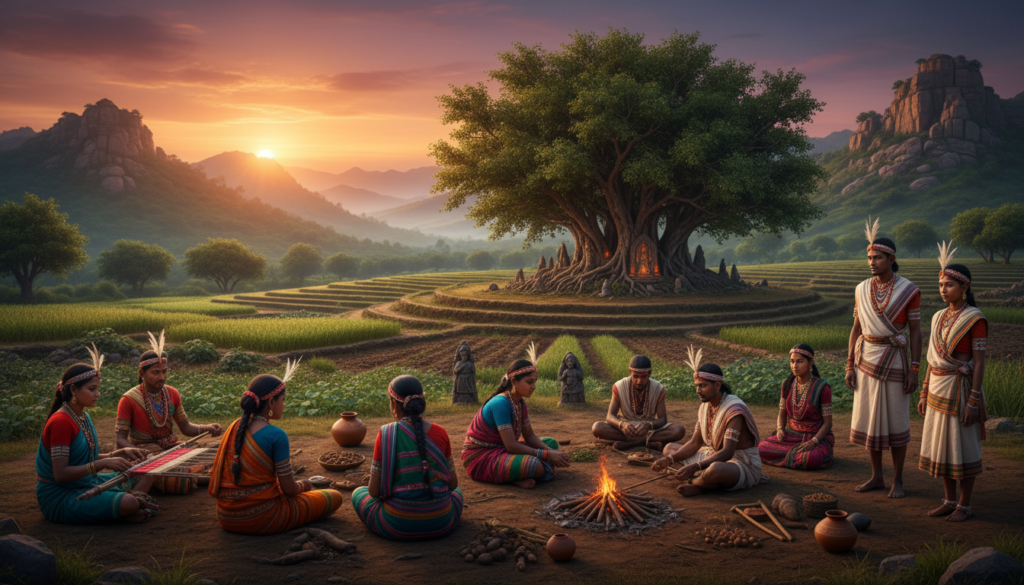
Smaller tribal populations face significant disadvantages in research representation. Scholars often focus on larger or more politically prominent groups, leaving smaller communities invisible in literature. These communities hold unique ecological knowledge and craft traditions that enrich India’s heritage.
Dalit communities with traditional knowledge systems are another underrepresented indigenous knowledge area. Historical caste hierarchies have excluded them from recognition as knowledge holders. Despite this, they possess sophisticated knowledge in areas like leather-working, textile traditions, and herbal remedies.
The academic bias toward settled agricultural communities excludes nomadic and semi-nomadic populations. These groups have specialized knowledge of seasonal migration, geographical knowledge, animal husbandry, weather prediction, and social organization systems. Their mobility makes them difficult subjects for scholars accustomed to stationary fieldwork.
Women knowledge holders are systematically excluded through male-dominated research frameworks. Traditional knowledge systems often distribute expertise along gender lines. Women specialize in areas like medicinal plant identification, nutritional practices, and textile production. When researchers focus on male community members, they miss essential domains.
When researchers engage mainly with male community members, they access only partial knowledge systems while missing essential domains.
The marginalized communities traditional knowledge is vulnerable due to economic disadvantage and other exclusion factors. Communities lacking formal education, political connections, or advocacy networks find their knowledge traditions devalued through scholarly neglect. Their knowledge faces accelerated loss as younger generations migrate for economic opportunities.
Language barriers compound these challenges. Communities speaking minority languages without significant written traditions face double exclusion. Their oral knowledge systems receive less academic legitimacy than documented traditions. Researchers lacking linguistic expertise cannot access their knowledge even when interested.
Examining Geographical Concentration and Research Neglect
The regional research disparities IKS reflect accessibility patterns, not knowledge distribution. Research concentrates in areas with established academic institutions and good transportation infrastructure. Remote regions remain understudied, despite their knowledge richness.
Northeastern states beyond Assam face particular research deficits. Despite their extraordinary biodiversity and traditional ecological knowledge, states like Arunachal Pradesh, Nagaland, Manipur, and Mizoram receive minimal research attention. Political sensitivities, infrastructure limitations, and permit requirements create barriers for researchers.
Island territories, including the Andaman and Nicobar Islands and Lakshadweep, possess unique knowledge systems adapted to island ecosystems. Their isolation has preserved distinctive practices in marine resource management and traditional navigation methods. Yet, their geographical remoteness and small populations result in severe underrepresentation in IKS research.
Desert regions of Rajasthan and Gujarat demonstrate how ecological challenges shape specialized knowledge. Communities in these areas have developed sophisticated understanding of water conservation and drought-resistant crops. Research attention concentrates on more accessible semi-arid zones, neglecting remote desert communities.
Mountain communities in the Himalayas and Western Ghats possess elevation-specific knowledge that remains inadequately documented. High-altitude populations understand cold-adapted agricultural varieties, avalanche prediction, and altitude-specific medicinal plants. Their knowledge is essential for sustainable practices in steep terrain.
Linguistic geography creates additional disparities. Regions with major literary traditions and institutional support for their languages attract more IKS research. This bias privileges documented knowledge over equally valuable oral traditions, perpetuating hierarchies that devalue certain epistemological forms.
Urban proximity significantly influences research distribution. Communities near universities and research institutions receive disproportionate attention. Remote villages requiring multi-day travel remain outside practical research reach for most scholars.
The absence of detailed demographic breakdowns in existing research compounds these problems. Without systematic data on which specific tribal groups, linguistic communities, or geographical areas have been included in or excluded from research initiatives, identifying gaps remains challenging. This lack of metadata about research coverage itself represents a significant barrier to addressing indigenous knowledge preservation barriers effectively.
Political boundaries further complicate research distribution. Border regions, disputed territories, and areas with restricted access due to security concerns harbor knowledge traditions that remain virtually undocumented. The knowledge systems of communities straddling international borders often incorporate cross-cultural elements that official nationalist frameworks struggle to accommodate.
These patterns of underrepresentation create incomplete maps of India’s knowledge landscape. They skew understanding toward particular community types, geographical zones, and knowledge domains while rendering others invisible. Addressing these disparities requires systematic mapping of research coverage, intentional outreach to underrepresented areas, methodological adaptations for mobile and remote populations, and recognition that knowledge value exists independent of community size, political influence, or geographical accessibility.
The Need for Collaboration in IKS Research
Collaboration in Indigenous Knowledge Systems research is key. It’s about ethics and method. Past research has hurt trust, but true partnerships can fix this.
Now, communities are more than just subjects. They help create knowledge, changing power in research.
Research gaps in IKS studies are big. They come from not listening to community needs. Sreeja Mukherjee says many groups, like the Ministry of Education, work together. This shows we need everyone’s help.
Community-based research is changing how we learn. It values different ways of knowing. This makes research more real and true to communities.
Young scholars see the value in working together. They believe it makes research better and more impactful. They think it’s key to success.
Engaging Local Communities
Working with local communities is essential. They know their knowledge best. This knowledge can’t be learned just by watching.
Participatory research lets communities set research goals. This way, research meets their needs and helps everyone learn more.
Working together helps research be more accurate and respectful. When communities help plan research, it fits their culture better. This avoids mistakes and keeps knowledge safe.
Building community skills is a big win. Instead of just taking knowledge, we help communities keep and share it. This makes them stronger.
But, there are big hurdles. Past mistakes have made communities wary. They wonder if new promises are real.
Time and money are also big problems. Communities are busy, and research schedules don’t always match. This makes it hard to work together.
Understanding each other is hard. Researchers and communities speak different languages. This makes it tough to work as equals.
Universities and research groups need to change. They must support working together more. This means changing how they review research and how they fund it.
Effective Stakeholder Partnerships
Working together brings many benefits. Government, schools, and more can share resources. This helps solve big problems.
Mrs. Madhu Priya says we need to work together better. This means changing policies and building skills. It’s about finding new ways to solve problems together.
Good partnerships have clear rules for everyone. This means everyone has a say. This way, no one group controls the research.
Sharing resources is key. Universities and indigenous groups can learn from each other. This way, everyone benefits, not just one side.
Dealing with disagreements is important. Partnerships should have ways to solve problems. This keeps everyone working together.
But, there’s a lot to improve. Indigenous voices are often not heard enough. This is a big problem for partnerships.
Sharing benefits fairly is also a challenge. Often, the people who do the most work get the least credit. This hurts trust and makes it hard to work together.
Keeping partnerships going is hard. Funding is usually for short projects, not long-term work. This makes it hard to build lasting relationships.
Training is needed to improve. Researchers need to learn about different cultures and how to work together. This will make research better and more accurate.
Gaps in Documentation and Preservation of IKS
Despite recent advances, gaps in traditional knowledge documentation remain. These gaps affect linguistic accessibility and quality control. India has made strides with digitizing 1.5 lakh traditional knowledge books and setting up 32 IKS Centers. Yet, these efforts are just the start of addressing preservation needs.
There’s a push to speed up digital preservation with new technologies. But, preserving indigenous knowledge faces big barriers. These include lack of resources and methodological challenges that threaten cultural heritage. We need to understand these gaps and what resources are available for preservation.
The Critical Imperative of Systematic Archiving
Archiving indigenous knowledge is an urgent priority. Traditional wisdom is at risk due to loss through various pressures. Generational discontinuity is a major threat, as knowledge holders pass away without sharing their expertise with younger generations.
Environmental changes eliminate the contexts where traditional knowledge was practiced. When ecosystems change or disappear, the practical applications of ecological knowledge become obsolete. Climate change is speeding up this process, altering the environmental conditions that sustained indigenous knowledge systems for centuries.
Language extinction erases knowledge encoded in indigenous languages. These languages contain unique conceptual frameworks and classifications. India’s linguistic diversity makes this challenge even more acute, with many indigenous languages facing endangerment.
Modernization pressures devalue traditional knowledge in favor of Western content. Younger generations often see indigenous knowledge as backward or irrelevant. This cultural shift undermines knowledge transmission, even when elders are willing to share their expertise.
The loss of traditional knowledge represents not merely the disappearance of information, but the extinction of entire worldviews and relationship systems between humans and their environments.
Archival practices traditional knowledge employ various methodologies. Each has its strengths and limitations for different knowledge types. Written documentation provides permanent records but struggles to capture performative or context-dependent knowledge. Audio-visual recording preserves demonstrations and oral traditions more effectively but requires substantial storage infrastructure and playback technology.
Digital databases enable searchable archives with broad accessibility. Yet, they raise questions about digital preservation across technological generations. Living museums and knowledge centers maintain dynamic knowledge transmission through practitioner engagement but depend on sustained institutional support and community participation. The table below compares major archival methodologies:
| Methodology | Primary Strengths | Key Limitations | Best Applications |
|---|---|---|---|
| Written Documentation | Permanent, accessible, easily distributed | Cannot capture dynamic or experiential knowledge | Botanical classifications, medicinal formulations, historical narratives |
| Audio-Visual Recording | Captures demonstrations, preserves oral traditions | Requires playback technology, storage infrastructure | Craft techniques, ritual performances, oral histories |
| Digital Databases | Searchable, widely accessible, linkable content | Digital obsolescence risks, technological dependencies | Comprehensive knowledge repositories, research resources |
| Living Museums | Maintains practice contexts, enables transmission | Requires sustained institutional support | Traditional crafts, agricultural practices, cultural performances |
Archiving itself raises complex preservation questions. How can we preserve dynamic, context-dependent knowledge in static formats without distorting its essence? Traditional knowledge evolves through practice and adaptation, yet archives tend to freeze knowledge at particular moments, potentially preventing natural evolution.
Maintaining appropriate access restrictions is another challenge. Much indigenous knowledge carries sacred significance or requires specialized training for proper application. Archival practices traditional knowledge must balance preservation goals against cultural protocols that limit knowledge circulation to qualified practitioners or community members.
Resource Constraints and Infrastructure Gaps
The availability of documentation resources IKS reveals significant disparities between preservation needs and allocated support. Funding constraints limit documentation scope and quality, forcing researchers to make difficult choices about which knowledge systems receive priority attention. Limited budgets restrict the number of communities engaged, the depth of documentation achieved, and the technological tools employed.
Technological infrastructure gaps affect rural areas where much indigenous knowledge resides. These regions often lack reliable internet connectivity, electricity stability, or digital storage facilities necessary for modern documentation approaches. The digital divide creates preservation inequities, with urban-accessible knowledge receiving more documentation than remote traditional practices.
Personnel shortages compound resource limitations, as preservation requires individuals who combine technical documentation skills with cultural competency and indigenous language proficiency. This unique skill combination remains rare, limiting the number of qualified documenters available. Training programs to develop such specialists require sustained investment not yet widely available.
Language barriers make it difficult to read original publications in indigenous languages, while few high-quality translated resources exist. This linguistic gap affects both initial documentation and subsequent accessibility, creating bottlenecks in preservation workflows. Translation itself presents methodological challenges, as concepts embedded in indigenous languages may lack direct equivalents in dominant languages.
Quality control mechanisms remain underdeveloped, creating challenges in distinguishing genuine traditional knowledge from pseudoscientific claims. The documentation resources IKS currently available lack standardized verification protocols to ensure accuracy and authenticity. This gap undermines documentation credibility and potentially perpetuates misinformation alongside valuable traditional wisdom.
Institutional capacity limitations affect organizations tasked with preservation responsibilities. The 32 IKS Centers established represent important infrastructure, yet they face resource constraints in fulfilling documentation mandates. These centers require sustained funding, trained personnel, technological upgrades, and community partnerships to achieve their preservation goals.
Oral knowledge forms present specialized documentation challenges not yet fully addressed by existing methodologies. Much traditional knowledge exists mainly in oral transmission, requiring approaches that capture not merely content but also the pedagogical methods and social contexts of knowledge sharing. Current documentation practices often fail to preserve these essential contextual dimensions.
The gaps between preservation needs and available resources identify priority areas requiring urgent attention and investment. Without substantial increases in funding, infrastructure development, personnel training, and methodological innovation, irreversible knowledge loss will continue accelerating. Addressing indigenous knowledge preservation barriers demands coordinated action across government agencies, academic institutions, technology providers, and indigenous communities themselves.
Ethical Considerations in IKS Research
Research ethics in indigenous knowledge face unique challenges. Western ethics often don’t fit well with indigenous ways. This is because traditional research focuses on individual rights and doesn’t understand collective knowledge.
Mrs. Madhu Priya’s study points out big issues with data governance. She talks about how AI and indigenous knowledge systems can clash. This can lead to the misuse of traditional knowledge.
Traditional knowledge has spiritual and sacred parts. Some knowledge is only for certain people. This creates a problem when research wants to share it widely.
Navigating Consent and Ownership in Traditional Knowledge
Getting consent in IKS research is different. It’s not just about one person. It involves the whole community.
Communities make decisions together. They need time to think and talk about research. This is different from how Western research works.
Consent is not just a one-time thing. It can change over time. This is hard for Western ethics to understand.
Intellectual property laws don’t fit with indigenous knowledge. Western laws focus on individual rights. But, indigenous knowledge is shared and lasts forever.
Biopiracy is a big problem. Companies take traditional knowledge without permission. This is unfair and hurts communities.
India has laws to help protect traditional knowledge. But, these laws are not always followed. Communities struggle to stop misuse of their knowledge.
Honoring Community Sovereignty and Cultural Integrity
Respecting indigenous rights is key in research. This means letting communities decide what research to do. It also means they control their knowledge.
Research should involve communities fully. This means working together and sharing benefits. But, power imbalances can make this hard.
Researchers need training to work with indigenous communities. They must learn about cultural protocols and respect. Without this, research can harm communities.
| Ethical Dimension | Western Research Framework | Indigenous Knowledge Approach | Required Adaptations |
|---|---|---|---|
| Consent Process | Individual participant signs forms before data collection begins | Community-level authorization through traditional decision-making structures | Extended timeline for collective deliberation, ongoing consent mechanisms |
| Knowledge Ownership | Individual researchers or institutions hold rights to findings | Collective community ownership spanning generations | Shared intellectual property agreements, community control over dissemination |
| Data Governance | Institutional review boards and university policies determine data use | Community protocols guide knowledge access and application | Indigenous data sovereignty principles, community data governance structures |
| Benefit Distribution | Academic publications, researcher career advancement | Direct community benefits, capacity building, cultural preservation | Formal benefit-sharing agreements, community co-authorship, resource allocation |
Universities need specific rules for IKS research. They should teach researchers about ethics and respect. This is important for working with indigenous communities.
There are risks in how research is done. This can harm communities over time. It’s important to make sure research is done right.
Cultural appropriation is a big issue. It happens when research uses indigenous culture without permission. This is not okay.
New ethical rules are being made. They try to solve these problems. But, they are not used enough in research.
It’s important to make sure research is done right. This means respecting indigenous communities and their knowledge. It also means making sure research helps communities.
Universities need to change how they do research. They should teach about ethics and respect. They should also make sure research helps communities.
Research needs to be done with respect and care. This means working with communities and listening to them. It also means making sure research is done in a way that helps communities.
Comparative Studies on IKS
Comparative indigenous knowledge studies help us see common patterns and unique aspects of different knowledge systems worldwide. There’s a big gap in current IKS research, mainly in India, where many tribal and regional knowledge traditions exist. By looking at knowledge systems across various cultures, places, and times, we can find core principles that support indigenous epistemologies. We also learn how context shapes knowledge development and sharing.
The cross-cultural IKS research has big practical uses. It can show which ways to preserve and share knowledge work best in different places. This is very important for India as it tries to get international recognition for its indigenous knowledge.
But, there are big challenges in doing these studies. We must be careful not to impose our own ways of thinking on indigenous knowledge. Language barriers, different ways of documenting knowledge, and how easily knowledge is accessed also make things hard.
The Value of Cross-Cultural Knowledge Comparisons
Comparing indigenous knowledge across cultures is very important. It helps us understand and apply knowledge in new ways. By looking at different tribal groups and regions, we find common patterns in indigenous knowledge worldwide. This shows that non-Western knowledge is just as valid and sophisticated.
Universal principles come out when we compare different indigenous knowledge systems. For example, farming practices and medicine knowledge show similar patterns, even with different techniques. This shows that indigenous knowledge is not just different but also shares common structures.
Comparative studies also show how environment and culture shape knowledge. Desert communities have developed unique water management, while forest communities have detailed plant knowledge. This helps us see that indigenous knowledge is dynamic and responsive, not just a static tradition.
“Comparative studies reveal that indigenous knowledge systems, regardless of geographic origin, share common epistemological foundations rooted in direct observation, intergenerational transmission, and holistic worldviews that integrate spiritual, ecological, and practical dimensions.”
Global indigenous knowledge frameworks benefit from comparing different approaches. By looking at how communities keep their knowledge alive, we can find effective ways to preserve and share it. Some communities use education, while others rely on ceremonies and rituals.
Comparative studies also show how indigenous knowledge can adapt and survive. Communities worldwide face similar challenges, but they find unique ways to keep their knowledge alive. This shows the resilience and adaptability of indigenous knowledge.
But, we must be careful in comparative indigenous knowledge studies. We need to respect each system’s uniqueness and not force them into one mold. Our goal is to find meaningful similarities and differences without losing the diversity of indigenous knowledge.
Language is a big challenge in cross-cultural analysis. Indigenous knowledge often uses language in ways that are hard to translate. We need to work closely with knowledge holders to ensure our comparisons are accurate and respectful.
International Models and Transferable Lessons
Looking at international best practices indigenous knowledge can teach us a lot. Countries like Australia, Canada, and New Zealand have found ways to integrate indigenous knowledge into education and policy. These models offer valuable lessons, but we must be careful not to apply them too rigidly.
Australia’s experience with Aboriginal knowledge in education shows both the possibilities and challenges. The country has developed curriculum frameworks that include Aboriginal perspectives. But, implementation varies greatly, with remote communities facing resource challenges and urban areas struggling with authenticity.
Canada’s approach to First Nations knowledge emphasizes sovereignty and self-determination. Indigenous communities control their knowledge, deciding what gets documented and shared. This model addresses ethical concerns around intellectual property and informed consent.
New Zealand’s integration of Māori knowledge into higher education offers lessons on dual-epistemology frameworks. Universities have established research centers and Māori-language programs. The concept of “cultural safety” ensures that Māori knowledge holders are respected and protected.
| Country | Primary Approach | Key Success Factor | Implementation Challenge |
|---|---|---|---|
| Australia | Curriculum integration across all education levels | National framework with Aboriginal perspectives embedded in standards | Inconsistent implementation between urban and remote areas |
| Canada | Community-controlled research protocols | Indigenous sovereignty over knowledge access and dissemination | Balancing academic accessibility with community protection |
| New Zealand | Dual-epistemology frameworks in higher education | Institutional commitment to Māori knowledge as equal to Western knowledge | Training non-Māori faculty in culturally appropriate pedagogy |
| Bolivia | Constitutional recognition of indigenous epistemologies | Legal framework supporting indigenous knowledge in policy | Translating constitutional principles into practical programs |
Latin American countries, like Bolivia and Ecuador, have recognized indigenous knowledge in their constitutions. This legal recognition supports research, education, and preservation initiatives. These countries show that policy frameworks and community control are key to successful indigenous knowledge programs.
Several lessons can be learned from these international examples for the Indian context:
- Policy frameworks matter: Formal recognition through national policy or constitutional provisions provides legitimacy and resources for indigenous knowledge initiatives
- Community control is essential: Effective programs maintain indigenous communities as primary decision-makers regarding their knowledge
- Institutional structures support sustainability: Dedicated research centers, academic positions, and funding mechanisms ensure long-term commitment
- Documentation must respect protocols: Recording indigenous knowledge requires culturally appropriate methodologies developed with community input
- Educational integration requires systemic change: Superficial inclusion proves insufficient; genuine integration demands curriculum redesign and faculty development
But, we can’t just copy international models for India. India’s huge diversity and complex relationships between tribal communities and the state make it different. The country’s federal structure and resource challenges also add complexity.
Despite these challenges, cross-cultural IKS research can inspire and guide us. We can adapt successful elements from other countries while avoiding their mistakes. The focus on community partnership, ethical research, and institutional commitment is universal. But, we must tailor our strategies to fit India’s unique context.
India can learn a lot from both internal and international comparisons. By looking at what works and why, we can find practical solutions for preserving and integrating indigenous knowledge. This approach turns comparative studies into tools for addressing real challenges in IKS.
Educational Approaches to IKS
Integrating Indigenous Knowledge Systems into schools shows big problems in how we teach today. In India, there are both good plans and big IKS integration barriers in education that need fixing. Almost all students say it’s hard to mix old and new knowledge in school.
Adding ancestral wisdom to school curricula is tough. It mixes old knowledge with new teaching methods in a big way. This creates deep questions about what counts as real knowledge in school.
Binita Dey’s study found that 99% of surveyed students (198 out of 200) face big challenges in learning IKS in school. This shows that many students struggle with curriculum integration traditional knowledge efforts. The problems are not just small issues but big, deep problems that need solutions at many levels.
Curriculum Integration Strategies and Persistent Barriers
Teaching IKS in schools needs special teaching methods that respect both kinds of knowledge. There are many ways to do this, each with its own benefits and challenges. Special IKS courses let students dive deep into indigenous practices and ideas without getting lost in other school subjects.
Infusion methods mix indigenous views into regular school subjects. This way, traditional wisdom meets modern topics, showing its value across many subjects. It helps avoid making IKS seem like just extra stuff.
Interdisciplinary programs link old and new knowledge in a structured way. They help students see how different ways of knowing can work together. Hands-on learning lets students experience traditional knowledge firsthand, something classroom learning can’t match.
But, there are big barriers to IKS integration in schools. Binita Dey’s study found many students face similar problems:
- Limited professional development: 95% of students say teachers need more training for IKS and teaching in a way that respects different cultures.
- Resource allocation: 96% of students point out that schools lack the right materials and money for IKS teaching.
- Medium of instruction: 85% of students mention language barriers and the need to translate traditional knowledge well.
- Limited time: 80% of students say schools are too busy to fit in all the IKS they need to learn.
These problems lead to big indigenous epistemology study gaps that make it hard to really understand traditional knowledge. Not having teachers who know IKS well is a big problem. They need to know both the knowledge and how to teach it well.
Testing IKS learning is hard because regular tests don’t work well. Traditional knowledge often focuses on doing things, understanding relationships, and knowing the right time and place for things. These ideas don’t fit well into simple tests.
| Educational Opportunity | Student Recognition Rate | Implementation Significance |
|---|---|---|
| Innovation and Sustainability | 90% | Demonstrates IKS contributions to contemporary challenges including environmental management and sustainable development |
| Collaborative Frameworks | 75% | Enables partnerships between educational experts and traditional knowledge holders for authentic curriculum development |
| Continuous Evaluation | 65% | Supports ongoing assessment and refinement of integration approaches based on learning outcomes |
| Enhancement of Critical Thinking | 60% | Develops analytical skills through engagement with multiple knowledge systems and epistemological frameworks |
| Holistic Approach | 50.5% | Integrates intellectual, cultural, and practical dimensions of knowledge for a complete understanding |
Despite the challenges, students see big chances in traditional knowledge curriculum integration. Most students, 90%, see how IKS helps solve today’s big problems like the environment and social issues. This shows students are open to learning IKS when it’s taught well.
Policy changes are starting to help by setting rules and giving support. The AICTE now requires IKS courses for first-year engineering students. UGC rules also make sure 5% of higher education credits are for IKS. These rules help make sure schools include IKS in their teaching.
Institutional Commitment and University Responsibilities
Universities play a key role in solving research gaps. They have the power to do research, teach, and work with communities. The university role IKS research goes beyond just adding IKS to the curriculum. It includes creating, keeping, and sharing knowledge.
Sreeja Mukherjee’s study shows over 8,000 schools are starting to teach IKS. This is a big step towards using traditional knowledge in education. The creation of 32 dedicated IKS Centers in universities shows a real commitment to traditional knowledge research and education.
These centers do many things: research, train teachers, make learning materials, and work with communities. They help keep and share traditional knowledge.
Training teachers is key to making IKS education work. About 50 programs have been set up to teach educators how to teach IKS well. This helps solve the problem of not having enough teachers who know IKS.
Internships give students hands-on experience and help document knowledge. Around 5,200 undergrads get internships. This lets them learn from traditional knowledge holders and do real-world research.
But, universities face big challenges in using Indigenous Knowledge Systems. Some teachers and researchers don’t see the value of IKS. This makes it hard to get support for IKS research and education.
It’s hard to mix old teaching methods with new ones. Traditional knowledge is often passed down through stories and hands-on learning. Universities need to find new ways to teach that respect these methods while meeting school standards.
Universities also need to do more research on indigenous epistemology. They need to study how different knowledge systems can work together. This includes figuring out how to teach and what to measure when learning IKS.
Universities can improve IKS research and education in many ways. They can create special research centers, train teachers, and work with communities. This helps keep and share traditional knowledge in a way that respects it.
Universities also need to share IKS research with more people. They should make it easy for everyone to learn about IKS. This includes making sure indigenous communities get to share their knowledge in their own way.
The role of universities in addressing research gaps is big. They need to change how they think about knowledge and teaching. This means looking at what counts as knowledge and how to teach it in a way that respects different cultures.
Universities need to support IKS work in many ways. This includes creating programs that mix different subjects, rewarding teachers for working with communities, and giving enough money for IKS research. On the other hand, things like strict departments and focusing too much on publishing papers can get in the way.
Universities have a long way to go in using Indigenous Knowledge Systems in research and education. Many schools just follow rules without really getting into IKS. This doesn’t solve the deep questions about different ways of knowing and respecting different cultures.
Future Directions for IKS Research
Future IKS research needs a big change. It must use new methods and focus more on community needs. The field is at a key point where old ways and new tech must meet.
Sreeja Mukherjee’s work presents Vision 2047. It’s a detailed plan for making Indigenous Knowledge Systems a big part of India’s education. This plan shows how to use traditional wisdom in today’s world.
The plan includes making IKS a part of school education, setting up special centers, and using new tech for saving knowledge. It also wants more people from the community to help in research. And it aims to make traditional knowledge useful in the economy while keeping community interests safe.
Transformative Trends Reshaping Indigenous Studies
New trends in indigenous knowledge research are changing how we study traditional wisdom. These changes help solve old problems and make research better. They help scholars fit their work into the changing world of research.
Artificial intelligence and machine learning help find patterns in old texts and knowledge databases like never before. They find links that humans might miss. But, we must think about cultural rules and getting community okay before using these tools.
Systems thinking and complexity science help us see the big picture of indigenous knowledge. They show how different kinds of knowledge are connected. This way, researchers can show the true nature of traditional wisdom.
Indigenous research puts indigenous ways of knowing and community needs first. This is a big change from old ways of doing research. It means communities have more say in research and how it’s shared.
Traditional ecological knowledge is getting more attention for solving climate change and saving biodiversity. Indigenous communities have a lot of experience with the environment. Researchers are starting to see the value of using traditional knowledge for these big issues.
Working together across different knowledge systems is becoming more common. This way, different ways of knowing can talk to each other. The challenge is finding ways to value all these ways of knowing at the same time.
| Research Direction | Key Innovation | Implementation Strategy | Expected Outcome |
|---|---|---|---|
| Digital Preservation | AI-powered documentation tools | Community-controlled databases with advanced search capabilities | Enhanced accessibility while protecting sensitive knowledge |
| Educational Integration | Required IKS credit components | Curriculum development incorporating traditional wisdom across disciplines | Mainstream recognition of indigenous knowledge validity |
| International Partnerships | Cross-cultural comparative studies | Collaborative research networks linking indigenous communities globally | Shared learning and methodological innovation |
| Economic Models | Commercialization with benefit-sharing | Quality assurance frameworks for traditional products and practices | Sustainable livelihoods supporting knowledge transmission |
Strategic Guidance for Advancing Research Quality
IKS research recommendations help scholars do good work in traditional knowledge studies. They cover how to do research, ethics, building skills, and sharing findings. It’s important to keep learning and adapting.
Mrs. Madhu Priya says we should mix traditional wisdom with modern science. This way, we respect indigenous ways while meeting academic standards. It’s key to understand how communities validate and share knowledge.
Recommendations focus on working with communities and using methods that respect their ways. We need to develop ways to check if traditional knowledge is valid. New ways to document knowledge help capture more of what’s important.
Ethical advice is to work with communities from start to finish. Benefit-sharing makes sure communities get something back. Keeping traditional knowledge safe from misuse is also important.
Building skills in indigenous languages is key. It lets us access knowledge that’s not translated. Knowing cultural rules helps avoid mistakes. Working with others from different fields helps us learn and share knowledge.
Working with partners from other countries is good for sharing ideas and learning. These partnerships help us grow as researchers. Making sure quality is high when using traditional knowledge in products is also important.
Sharing research in ways that everyone can understand is important. Using local languages in publications helps communities connect with research. Pictures and stories are often better than written reports for sharing traditional knowledge.
Future IKS research should focus on solving real-world problems. This way, research helps and preserves culture at the same time. Scholars should look for areas where traditional knowledge can make a difference.
The goal is to respect traditional knowledge while using new methods and solving problems. This requires researchers to be open to new ideas and care about community well-being. These recommendations help scholars make a difference in both research and culture.
Conclusion: Bridging the Research Gaps
Research into IKS studies shows both challenges and opportunities. To fix these gaps, we must understand the many issues involved. This includes methodological problems, ethical concerns, and gaps in policy and education.
Synthesis of Critical Insights
Binita Dey’s work shows that adding IKS to modern teaching has both ups and downs. Sreeja Mukherjee believes that closing these gaps can solve big global problems. Mrs. Madhu Priya says that doing this well needs good policies, training, and teamwork.
These views show how gaps exist in history, methods, policies, and schools. They highlight the need for a deep understanding and action.
Advancing Future Research Priorities
Future research should involve working together and listening to indigenous voices. It should use both old wisdom and new tools. Schools need strong programs and the right resources.
Policymakers must protect indigenous rights and help keep their knowledge alive. It’s urgent to tackle these gaps, as we lose knowledge fast. Indigenous knowledge can help solve big problems in India and worldwide.

