


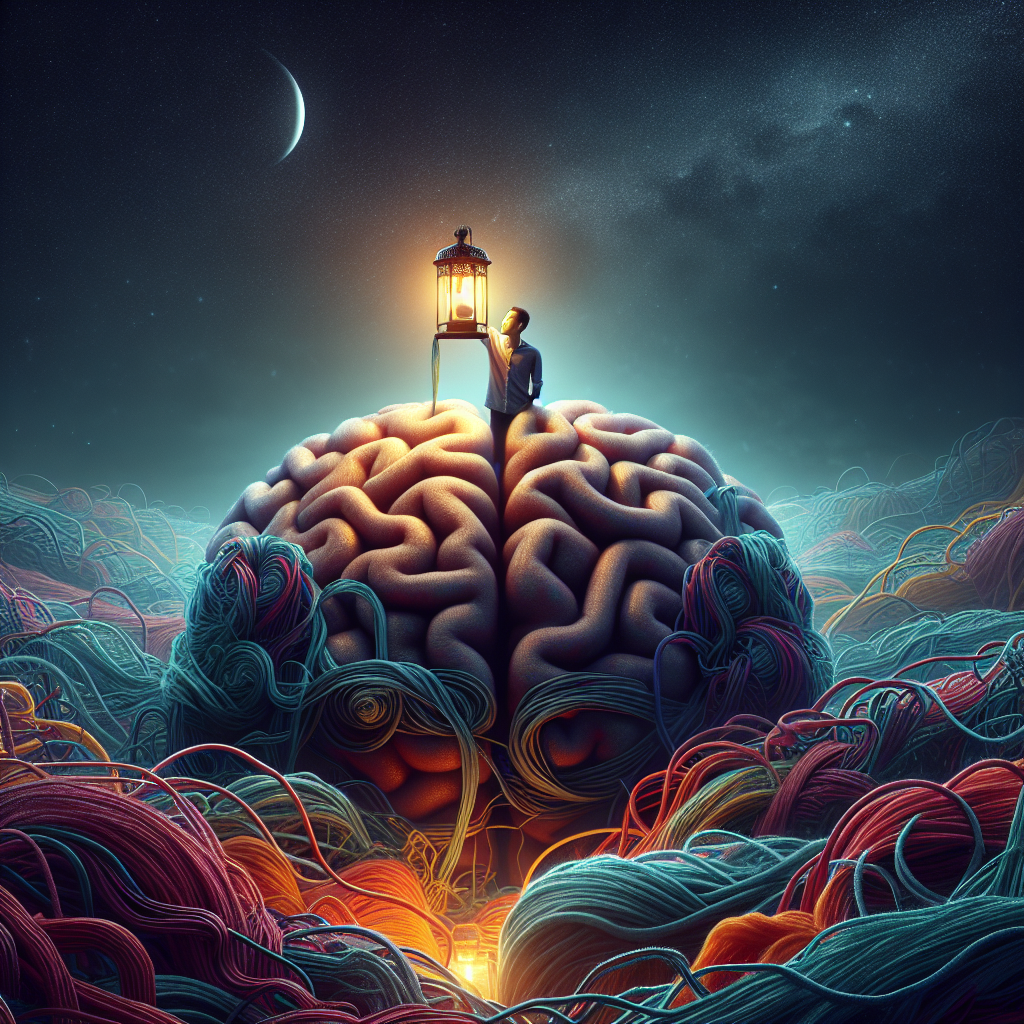
Restless Minds: Unraveling the Psychological Effects of Sleep Deprivation
Introduction
In the hustle and bustle of modern life, sleep often takes a backseat to productivity, social obligations, and the endless scroll of our devices. This seemingly innocuous choice, however, conceals a darker truth. Sleep deprivation affects everyone, from busy professionals to students burning the midnight oil. The consequences are deeper than mere fatigue; they ripple through our mental health and shape our emotional well-being in profound ways. In this article, titled Restless Minds: Unraveling the Psychological Effects of Sleep Deprivation, we will explore the intricate connections between sleep and our psychological state, providing valuable insights that could transform how you view your nightly rest.
Understanding Sleep and Its Importance
The Science of Sleep
Sleep is not just a time for rest; it is an active process essential for our physical, cognitive, and emotional functions. During sleep, our brains undergo complex processes that help consolidate memories, regulate emotions, and restore cognitive functions. While the average adult needs 7 to 9 hours of sleep, many fall significantly short, often leading to a cascade of adverse psychological effects.
Why Sleep Deprivation Is Prevalent
In today’s fast-paced world, sleep deprivation is alarmingly common. Factors such as stress, anxiety, the digital revolution, and poor sleep habits create a perfect storm. A study by the National Institute of Health found that nearly 30% of Americans report insufficient sleep, illuminating a growing public health crisis with extensive psychological ramifications.
The Psychological Toll of Sleep Deprivation
Cognitive Impairment
Lack of sleep impacts our cognitive abilities severely, impairing attention, reasoning, and problem-solving skills. Research suggests that those who experience sleep deprivation are more likely to struggle with decision-making and creative thinking.
Case Study: In a study involving a group of college students, researchers found that those who averaged less than six hours of sleep performed significantly worse on cognitive tasks than their well-rested counterparts. This finding highlights the importance of prioritizing sleep in academic environments, where cognitive performance is key.
Emotional Instability
Sleep and emotion are intricately linked. Sleep deprivation can magnify negative emotions, leading to irritability, anxiety, and mood swings. According to a study conducted by the University of California, Berkeley, participants who were deprived of sleep reported significantly higher levels of emotional distress upon exposure to negative stimuli.
Analysis: This study underscores the necessity for sufficient sleep to maintain emotional equilibrium. In our increasingly stressful lives, understanding how sleep deprivation stokes emotional instability can encourage us to prioritize restful nights.
Increased Risk of Mental Illness
Chronic sleep deprivation is a significant risk factor for various mental health disorders, including anxiety, depression, and even bipolar disorder. The relationship is bidirectional; not only can lack of sleep lead to mental health issues, but existing mental illnesses can further exacerbate sleep problems.
Case Study: Take the example of a 35-year-old man diagnosed with anxiety disorder. His therapist noted that during periods of acute sleep deprivation, symptoms of anxiety intensified, leading to a spiral of sleepless nights and heightened emotional distress.
Impaired Social Interactions
Sleep deprivation doesn’t only harm the individual; it can affect relationships. Lack of sleep can impair social judgment, causing misinterpretations of social cues and leading to conflicts. Individuals who are sleep-deprived may find themselves withdrawing from social interactions altogether, further exacerbating feelings of isolation.
Analysis: Research published in the Journal of Clinical Psychology indicated that individuals who experienced disrupted sleep patterns exhibited lower relationship satisfaction. This highlights the ripple effect of sleep deprivation beyond personal health to interpersonal relationships.
Strategies for Improving Sleep Quality
Creating a Sleep-Conducive Environment
- Optimal Bedding: Invest in a comfortable mattress and pillows that support your preferred sleep position.
- Control Light and Noise: Darken your bedroom and control noise levels to create an ideal sleep environment.
- Temperature Regulation: Keep the room cool, as a lower body temperature is conducive to better sleep.
Developing Healthy Sleep Hygiene
- Regular Sleep Schedule: Aim to go to bed and wake up at the same time daily, even on weekends. This consistency reinforces your body’s natural circadian rhythm.
- Limit Screen Time: Reduce exposure to screens at least an hour before bed. Blue light emitted by devices can interfere with the production of melatonin, the hormone responsible for sleep.
- Mindful Relaxation: Incorporate relaxation techniques such as deep breathing, meditation, or gentle yoga into your nightly routine.
The Role of Nutrition and Exercise
- Balanced Diet: Foods rich in magnesium, potassium, and vitamins like B6 help promote better sleep.
- Regular Exercise: Engaging in physical activity during the day can help you fall asleep faster and enjoy deeper sleep cycles.
The Broader Impact of Sleep Deprivation on Society
Economic Costs
The impact of sleep deprivation extends beyond personal health into economic realms. In the United States, sleep deprivation is estimated to cost the economy over $400 billion annually in lost productivity. Major accidents, errors in the workplace, and increased healthcare costs contribute significantly to this figure.
Data Table: Economic Impact of Sleep Deprivation
| Cost Category | Estimated Annual Cost ($ Billion) |
|---|---|
| Lost Productivity | 200 |
| Healthcare Costs | 100 |
| Accidents & Errors | 50 |
| Overall Economic Cost | 400 |
Public Health Initiatives
Recognizing the widespread effects of sleep deprivation, public health campaigns aim to raise awareness about the importance of sleep hygiene. Educational programs and workshops focusing on sleep health are being implemented in schools and workplaces to combat this growing issue.
Conclusion
As we unravel the complex ties between sleep and our psychological health in Restless Minds: Unraveling the Psychological Effects of Sleep Deprivation, it becomes clear that prioritizing sleep is not a luxury but a necessity. With acute awareness of its profound impact on cognitive abilities, emotional stability, and overall relationships, we are equipped to make informed choices about our sleep patterns.
Taking actionable insights from this discussion, aim to prioritize restful nights and cultivate healthier sleep habits. The rewards of sleep extend beyond the individual; they can enhance our communities and contribute to a healthier society.
FAQs
1. How can I improve my sleep quality?
To enhance sleep quality, establish a consistent sleep schedule, create a sleep-friendly environment, and limit screen time before bed.
2. What are the signs of sleep deprivation?
Common signs include difficulty concentrating, irritability, mood swings, and a lack of energy.
3. Can sleep deprivation lead to long-term health issues?
Yes, chronic sleep deprivation can increase the risk of developing mental health disorders, cardiovascular issues, and weakened immune function.
4. How much sleep do I need?
Most adults require 7-9 hours of sleep per night for optimal functioning.
5. Are there any natural supplements that help with sleep?
Natural supplements such as melatonin, valerian root, and magnesium may promote better sleep, but always consult a healthcare professional before starting any new supplement regimen.
In the quest for better mental health, never undervalue the restorative power of sleep. As you embark on your journey toward improved well-being, remember that a well-rested mind is a powerful mind!


The PsyForU Editorial Collective is the research and editorial team of PsyForU Research International. The collective prepares educational, psychological, mental-health-awareness, inclusion, neurodiversity, and research-methodology content for students, parents, educators, researchers, and general readers. PsyForU content is intended for awareness, education, and capacity-building and should not be treated as clinical diagnosis, therapy, medical advice, legal advice, or emergency mental-health support.