


Introduction
Imagine walking into a room filled with the aroma of freshly brewed coffee, only to be distracted by the muffled sounds of a bustling street outside. Each sensory experience interplays to create a complex tapestry of our perception. This interplay is no mere coincidence; it’s at the heart of sensory processing. Understanding how we perceive sensations—taste, sound, sight—has profound implications, not just for psychology, but for education, healthcare, and even artificial intelligence.
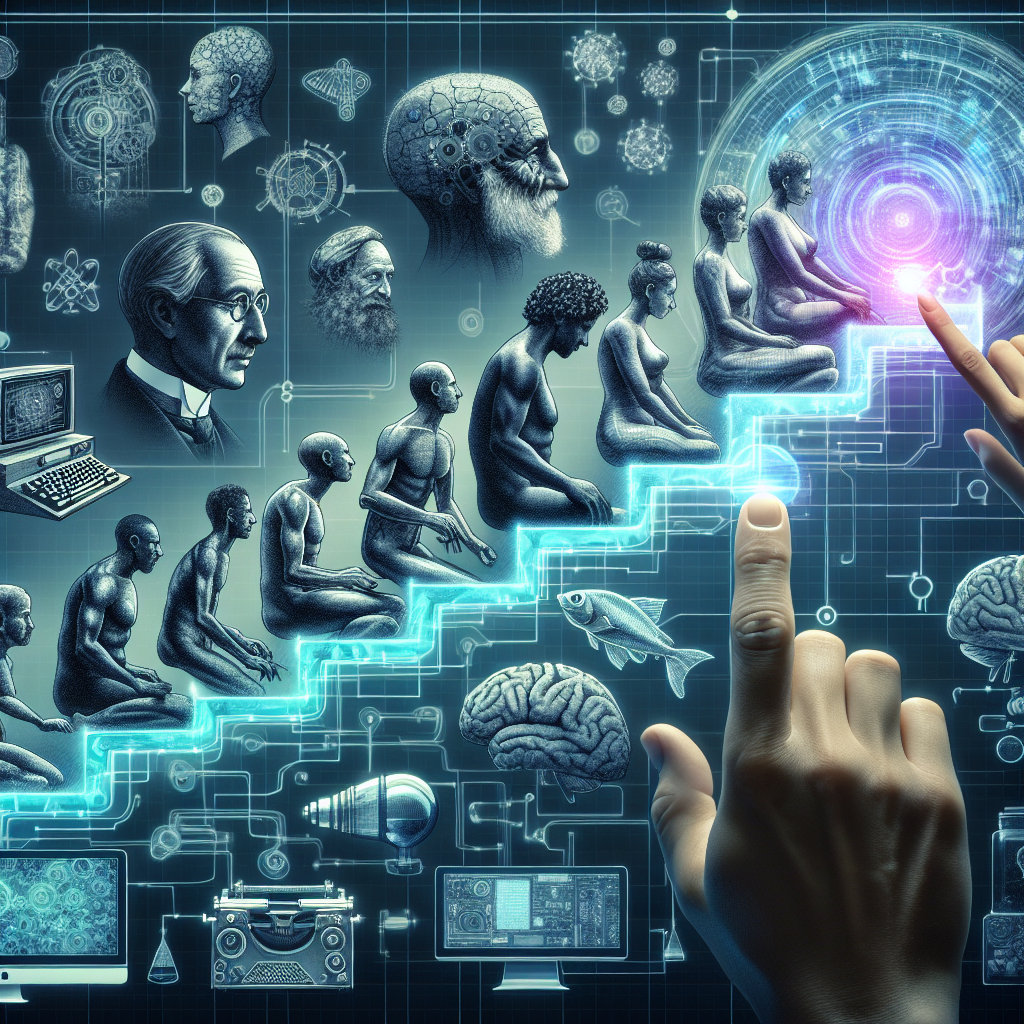
In this article, we will delve deep into the evolution of psychophysical methods, shedding light on how these techniques have shaped our understanding of sensory processing. By the end of our exploration, you’ll appreciate not only the history but also the contemporary relevance of psychophysics in crafting experiences that resonate with all of us.
The Foundations of Sensory Processing
What is Sensory Processing?
Before delving into the evolution of psychophysical methods, let’s clarify what sensory processing is. It refers to how our brains interpret sensory information collected from our environment through our five senses: sight, sound, taste, touch, and smell. This processing is fundamental for how we interact with the world, from recognizing a friend’s voice to distinguishing the sweetness of an apple.
Historical Background
The roots of psychophysics can be traced back to the 19th century, primarily credited to the pioneering work of Gustav Fechner. His seminal text, Elements of Psychophysics (1860), established a foundational framework that linked physical stimuli to psychological experiences. Fechner introduced concepts like the Weber-Fechner Law, which states that the perception of change in a given stimulus is proportional to the initial intensity of that stimulus.
Key Questions Addressed
- What variables influence our sensory perception?
- How do external factors like context or emotion affect our sensory experiences?
- How can psychophysical methods help in applications such as marketing or therapy?
The Evolution of Psychophysical Methods
Early Methods: Fechner and Beyond
Fechner’s groundbreaking research set the stage for future studies in psychophysics. Following his lead, researchers like Wilhelm Wundt and Edward Titchener expanded upon these ideas, albeit with varying perspectives and methodologies.
Case Study: The German Chemist and Psychologist
Hermann von Helmholtz further advanced the field by applying methodological rigor to sensory studies. His research on auditory perception and color vision laid the groundwork for later studies, establishing a framework that emphasized empirical measurement alongside theoretical inquiry.
Relevance: Helmholtz’s techniques for measuring reaction times remain a cornerstone of experimental psychology, illustrating the importance of reliable and valid measurement tools in sensory processing research.
The Rise of Modern Psychophysical Techniques
From Absolute Thresholds to Difference Thresholds
The early 20th century saw the introduction of the absolute threshold—the minimum stimulus intensity that can be detected—and the difference threshold, the smallest change in stimulus that can be perceived. This distinction was crucial in understanding how sensory processing transpires on an individual level.
- Absolute Threshold: The quietest sound a person can hear in a completely silent room.
- Difference Threshold: The small additional weight one needs to perceive that a bag of groceries feels heavier than before.
Case Study: Vision Testing and the Snellen Chart
The Snellen Chart is a practical application of psychophysical measurement of vision, enabling eye health professionals to determine an individual’s visual acuity. Originating in the late 19th century, this method assessed how well individuals can discern letters at a specific distance.
Relevance: This efficient measurement tool remains vital in healthcare and has influenced approaches toward visual ergonomics in workplaces.
The Expanding Toolkit: Psychophysical Techniques in Action
Introduction of Signal Detection Theory (SDT)
In the 1950s, the field was transformed with the introduction of signal detection theory, developed by John A. Swets and colleagues. This theory reframed our understanding of sensory processing by emphasizing the role of decision-making in perception.
- Key Concepts: SDT focuses on distinguishing between the ability to detect a stimulus and the criteria used for judgment. This was revolutionary in understanding the complexities of real-life sensory experiences where noise and distractions play significant roles.
Case Study: Screening for Medical Conditions
In medical diagnostics, SDT has been essential in developing screening processes, such as mammograms, where determining the presence of illness amidst false positives is crucial.
Relevance: The reliability of screening tests has a direct impact on patient outcomes, illustrating how psychophysical methods can inform critical healthcare decisions.
Advances in Technology and Psychophysical Research
The Role of Neuroscience
As technology progressed, so did our understanding of sensory processing through neuroscience. Imaging techniques, such as fMRI and EEG, have provided insight into the brain’s response to sensory stimuli, enhancing traditional psychophysical methods.
Integration with Machine Learning and AI
With the rise of artificial intelligence, researchers are exploring how psychophysical principles can inform machine learning models. This intersection offers exciting possibilities for sensory engineering and user experience design across various fields, from game design to consumer products.
Case Study: AI and Emotion Recognition
The use of psychophysical principles in training algorithms for emotion recognition has transformed customer service interactions. By analyzing multimodal sensory data, companies can respond dynamically to customer needs.
Relevance: This approach not only enhances user satisfaction but demonstrates how sensory processing principles permeate various industries.
Key Developments in Psychophysical Research
Cumulative Trauma and Sensory Processing
Recent studies have suggested a connection between trauma and sensory processing anomalies. Many individuals report heightened sensitivities to sensory input following traumatic events—a discovery leading researchers to prioritize psychophysical methods in therapeutic contexts.
Case Study: Sensory Processing Issues in PTSD
Therapies using sensory integration techniques demonstrate promising outcomes for individuals with PTSD, utilizing psychophysical assessments to tailor treatment approaches.
Relevance: This underscores the importance of refining psychophysical methods to address contemporary mental health issues related to sensory processing.
Conclusion
In summarizing Sensory Processing Uncovered: The Evolution of Psychophysical Methods, we’ve traversed a compelling journey from the foundational theories of Fechner to the cutting-edge applications of machine learning. The evolution of psychophysical methods gives us invaluable insights into how we experience the world.
As you move forward, consider how these insights can enhance your daily life, whether it’s through making informed choices in your work or simply understanding your sensory experiences more deeply. The pursuit of knowledge in sensory processing is both a scientific endeavor and a deeply personal one.
FAQs
1. What are psychophysical methods?
Psychophysical methods are systematic approaches to measuring the relationship between physical stimuli and sensory perceptions. They help researchers quantify how we experience different kinds of sensory input.
2. How does sensory processing affect daily life?
Our sensory processing influences our interactions with the world, shaping our ability to respond to environments, make decisions, and feel emotions.
3. Are there therapies that address sensory processing issues?
Yes, various therapies, including occupational therapy and sensory integration therapy, are designed to help individuals manage sensory processing issues, especially those related to autism and PTSD.
4. How can understanding psychophysical methods benefit businesses?
Businesses can use psychophysical methods to develop products that align better with consumer sensory experiences, ultimately enhancing satisfaction and loyalty.
5. What future trends are expected in sensory processing research?
As technology continues to evolve, expect further integration of AI with psychophysical methods, leading to groundbreaking applications in fields such as virtual reality, healthcare, and education.
By engaging with the complex yet fascinating world of sensory processing, you enrich not only your understanding but also your ability to navigate the myriad experiences life offers. Embrace this knowledge; it’s essential for personal growth and connection in an increasingly sensory world.


The PsyForU Editorial Collective is the research and editorial team of PsyForU Research International. The collective prepares educational, psychological, mental-health-awareness, inclusion, neurodiversity, and research-methodology content for students, parents, educators, researchers, and general readers. PsyForU content is intended for awareness, education, and capacity-building and should not be treated as clinical diagnosis, therapy, medical advice, legal advice, or emergency mental-health support.