


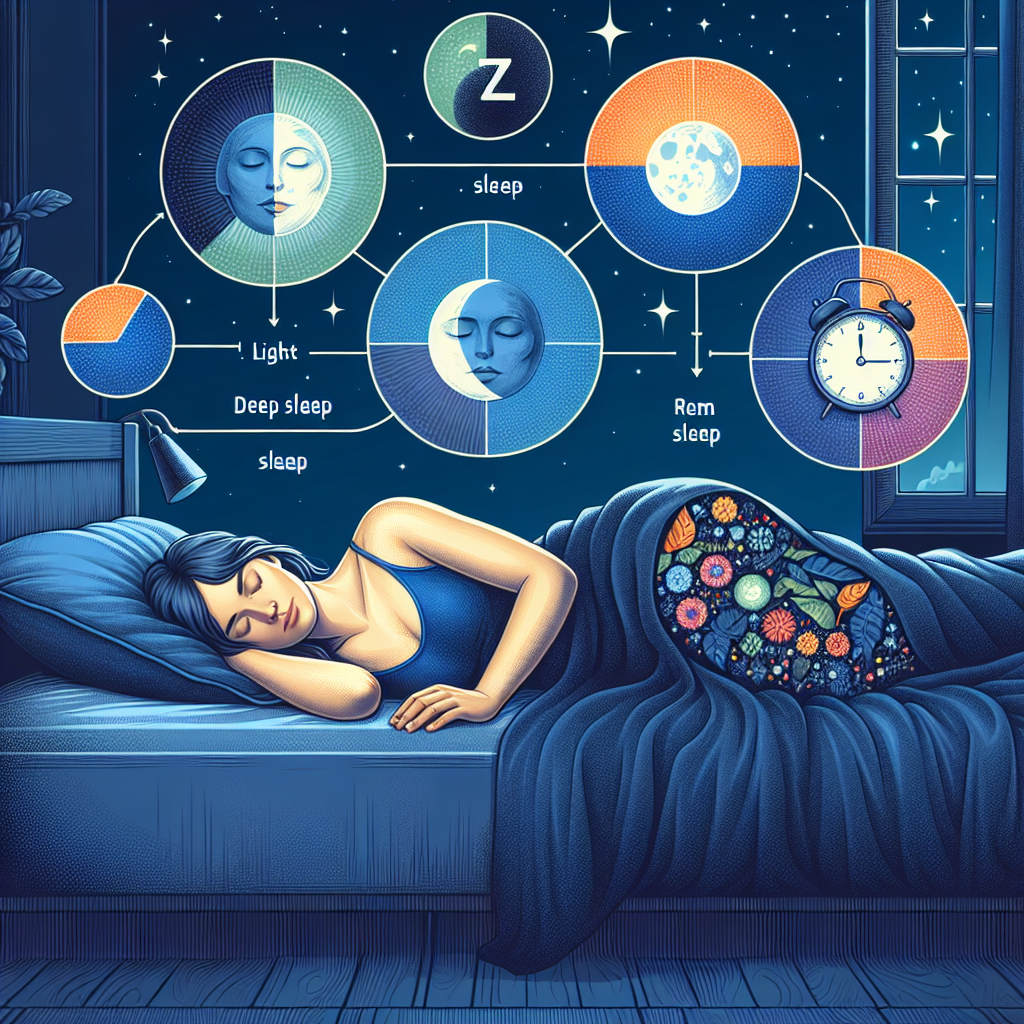
Sleep Deconstructed: What Happens in Each Stage of Your Sleep Cycle? The Ultimate Guide to Restorative Sleep
Introduction
Sleep. It’s a term we are all familiar with, but how often do we pause to consider its complexity? Sleep isn’t just a passive state of rest; it’s a dynamic process marked by intricate stages, each serving distinct purposes that are crucial for our physical and mental well-being. Understanding sleep isn’t just interesting—it’s essential in our fast-paced, sleep-deprived society. Welcome to Sleep Deconstructed: What Happens in Each Stage of Your Sleep Cycle?
When you dive deeper into what happens during sleep, you uncover a treasure trove of insights. From the fleeting dreams of REM (Rapid Eye Movement) sleep to the restorative processes that occur during deep sleep, each phase plays a vital role. The benefits extend beyond mere rest—adequate and quality sleep directly influences mood, cognition, and even physical health.
In this article, we will explore the various stages of sleep, elaborate on their significance, and provide you with actionable insights that can transform your nightly routine. So, buckle up as we journey through the hidden realms of slumber!
Understanding the Sleep Cycle
The sleep cycle is typically divided into two main categories: Non-REM (NREM) sleep and REM sleep. A full sleep cycle lasts about 90 minutes, and an adult typically experiences four to six cycles in a night. Each phase of the cycle is vital for overall health and well-being.
The Stages of Sleep
1. Stage 1: The Drowsy Phase (NREM)
The sleep cycle begins with Stage 1, a light slumber phase. This stage serves as a bridge between wakefulness and sleep. You may experience:
- Muscle Relaxation: Your muscles begin to relax, and you may feel a sensation of "falling."
- Alpha to Theta Waves: Your brain transitions from alpha waves (active thinking) to slower theta waves (light sleep).
- Duration: This stage typically lasts for only a few minutes.
Case Study: A study by Oxford University found that people who spent more time in light sleep reported feeling more refreshed the next day. This indicates that while it may seem trivial, proper transitions into deeper stages can enhance perceived sleep quality.
2. Stage 2: Light Sleep (NREM)
Moving deeper into sleep, Stage 2 is characterized by:
- Sleep Spindles: Short bursts of brain activity that help suppress wakefulness.
- Body Temperature Decline: Your body begins to cool down, which aids deeper sleep.
- Duration: This stage lasts about 20 minutes per cycle and accounts for about 50% of total sleep time.
Table 1: Key Features of Stage 2 Sleep
| Feature | Description |
|---|---|
| Brain Activity | Sleep spindles and K-complexes |
| Body Temperature | Decreases to promote deeper sleep |
| Duration | About 20 minutes per cycle |
3. Stage 3: Deep Sleep (NREM)
Also referred to as slow-wave sleep (SWS), Stage 3 is crucial for restorative processes:
- Delta Waves: The brain produces slow delta waves.
- Physical Restoration: Cell repair, tissue growth, and hormone release occur.
- Duration: Usually lasting between 20 to 40 minutes, this stage is crucial for feeling refreshed the next day.
Case Study: Research from Harvard revealed that subjects deprived of deep sleep reported higher stress levels and poor memory retention, showcasing the importance of this stage in cognitive function.
4. Stage 4: REM Sleep
The final stage of the sleep cycle is REM sleep. It features:
- Rapid Eye Movements: As the name suggests, your eyes flutter rapidly under your eyelids.
- Vivid Dreams: This stage is when most dreaming occurs, crucial for emotional processing and memory consolidation.
- Duration: REM sleep typically lasts longer in subsequent cycles, often around 30 to 60 minutes.
Table 2: Key Features of REM Sleep
| Feature | Description |
|---|---|
| Brain Activity | Increased brain activity similar to awake state |
| Dreams | Vivid and emotional dreaming |
| Muscle Atonia | Temporary paralysis of major muscle groups |
The Importance of Each Stage
Understanding the function of each stage is essential. To put it simply, skipping or not experiencing the depth of sleep can lead to numerous health problems such as chronic fatigue, impaired cognitive function, and even mood disorders.
Benefits of a Complete Sleep Cycle
- Mental Sharpness: Deep sleep helps consolidate memories, while REM sleep enhances creativity.
- Physical Health: Growth hormone is released during deep sleep, aiding muscle recovery.
- Emotional Regulation: REM sleep plays a vital role in processing emotions, which can impact mental health.
Practical Tips to Enhance Sleep Quality
To fully capitalize on the stages of sleep, consider these strategies:
- Maintain a Consistent Sleep Schedule: Try to go to bed and wake up at the same time every day.
- Create a Relaxing Bedtime Routine: Engage in calming activities, such as reading or meditative practices.
- Limit Blue Light Exposure: Reducing screen time before bed helps your body produce melatonin, the sleep hormone.
- Optimize Your Sleep Environment: A cool, dark, and quiet room enhances sleep quality.
Case Study: A real-world examination of college students at a sleep clinic showed that those who implemented a consistent sleep schedule reported improved grades, displaying the direct benefits of quality sleep on cognitive performance.
Conclusion
Today, we’ve taken a journey through the intricate landscape of sleep. By deconstructing the sleep cycle—learning about each stage and their profound importance—we’ve highlighted how integral sleep is for our health.
As we continue to push through modern challenges and demands, prioritizing quality sleep can be a game-changer. Take control of your nightly routines, and remember: your greatest strength lies in the restoration achieved while you sleep.
Motivational Takeaway: Remember, every night is an opportunity to rejuvenate and restore. Make sleep a priority, and your body—along with your mind—will thank you.
FAQs About Sleep Stages
-
How can I improve my deep sleep?
- Focus on creating a sleep-conducive environment: a cool, dark room and a comfortable mattress can help encourage deep sleep.
-
What if I wake up during the night?
- It’s normal to wake briefly, but try to avoid looking at screens and return to sleep as soon as you can to re-enter your sleep cycle.
-
Is it bad to skip REM sleep?
- Yes, missing REM sleep affects emotional regulation and memory. Aim for a full 7-9 hours of sleep to experience each stage fully.
-
Can napping enhance my sleep quality?
- Short naps can be beneficial, but long or irregular napping during the day may interfere with nighttime sleep.
- What role does age play in sleep cycles?
- As we age, the lighter stages of sleep increase, while deep sleep decreases. Older adults often experience fragmented sleep patterns.
By unraveling Sleep Deconstructed: What Happens in Each Stage of Your Sleep Cycle?, we hope to provide clarity and encourage you to prioritize your sleep, enhancing both your health and quality of life. Sweet dreams!


The PsyForU Editorial Collective is the research and editorial team of PsyForU Research International. The collective prepares educational, psychological, mental-health-awareness, inclusion, neurodiversity, and research-methodology content for students, parents, educators, researchers, and general readers. PsyForU content is intended for awareness, education, and capacity-building and should not be treated as clinical diagnosis, therapy, medical advice, legal advice, or emergency mental-health support.