


Introduction
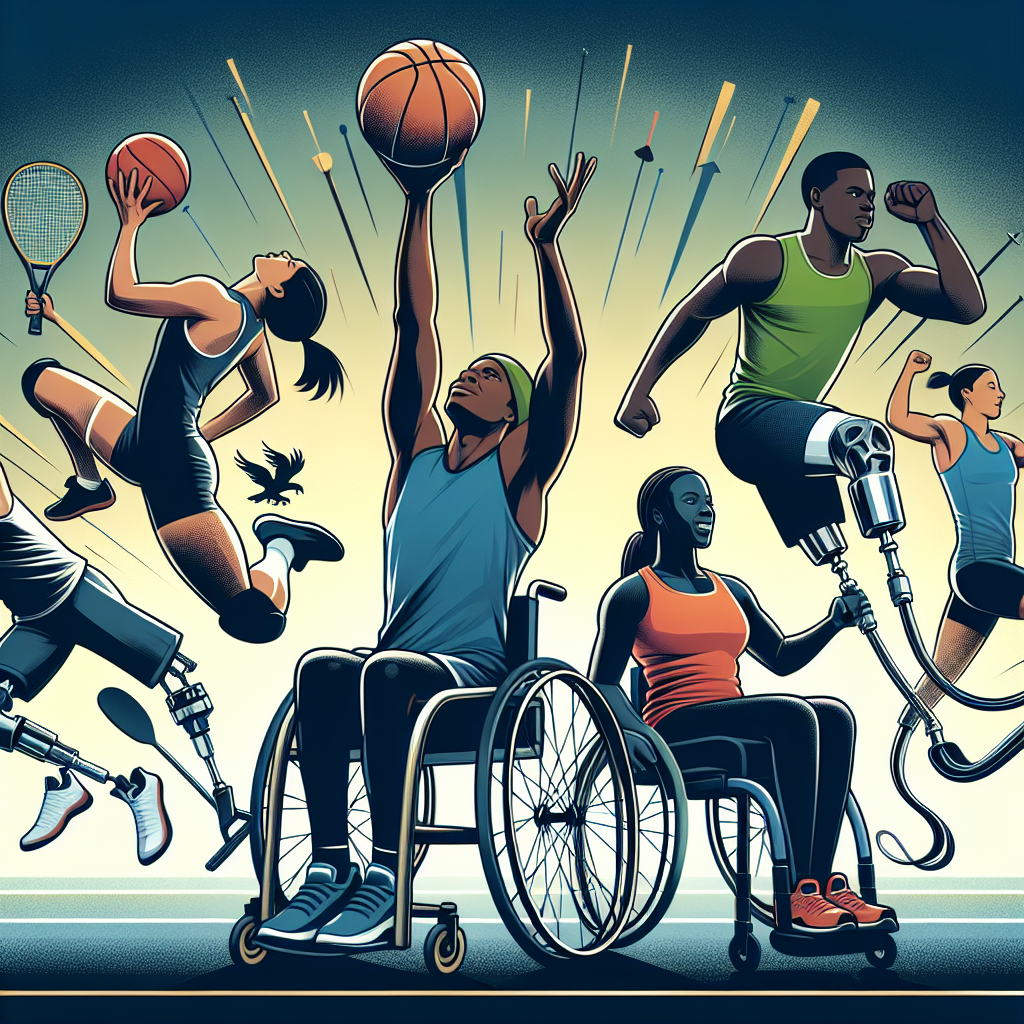
Imagine a world where the limitations posed by spinal cord injuries were transformed into opportunities for personal growth, community connection, and newfound purpose. Adaptive sports offer not just a path to physical rehabilitation but a gateway to rediscovering joy, resilience, and camaraderie. As we delve into the realm of "Sports and Spinal Cord Injury: How Adaptive Sports are Changing Lives," we will explore the profound impact that participation in adaptive sports has on individuals grappling with the challenges of spinal cord injuries.
Each year, thousands of people encounter spinal cord injuries. These injuries can drastically alter one’s life trajectory, affecting mobility, independence, and overall well-being. However, the rise of adaptive sports programs is proving to be a game-changer. From wheelchair basketball to adaptive sailing, these sports serve as a vital lifeline for individuals seeking to reclaim their lives.
Understanding Spinal Cord Injuries
What are Spinal Cord Injuries?
Spinal cord injuries (SCIs) occur when there is damage to the spinal cord, resulting in a loss of sensation and motor function below the point of injury. Such injuries can arise from various causes, including traumatic accidents, falls, and sports-related incidents.
Types of Spinal Cord Injuries
Spinal cord injuries fall into two primary categories:
-
Complete Injuries: These result in a total loss of motor and sensory function below the injury site.
- Incomplete Injuries: These allow for some degree of preserved function; individuals may retain limited sensation or mobility.
According to the National Spinal Cord Injury Statistical Center, there are approximately 17,730 new spinal cord injury cases each year in the U.S., leading to significant lifelong challenges.
The Role of Adaptive Sports
Adaptive sports are modified versions of traditional sports designed to enable individuals with disabilities, including those with spinal cord injuries, to participate. Whether it’s wheelchair basketball, adaptive skiing, or handcycling, these sports provide avenues for physical fitness, social interaction, and mental wellness.
The Physical Benefits
Engagement in adaptive sports brings numerous physical advantages. For individuals with spinal cord injuries, regular involvement in these sports can:
- Improve cardiovascular fitness
- Enhance muscle strength
- Promote flexibility and coordination
- Support weight management
A study published in the Journal of Spinal Cord Medicine found that individuals who participated in adaptive sports exhibited marked improvements in their physical health markers compared to those who did not.
The Psychological Benefits
Beyond the physicality, adaptive sports yield significant psychological benefits. The practice of adaptive sports has been linked to:
- Increased self-esteem and confidence
- Enhanced mood and reduced feelings of depression
- A sense of belonging within the community
In a compelling case study of a young woman named Sara, who experienced a spinal cord injury from a fall, her involvement in adapted rowing helped her regain not only her strength but also her sense of self-worth. Sara often recounts how the shared experiences in her adaptive rowing team allowed her to forge deep connections with others, thereby reducing her feelings of isolation.
Real-World Applications of Adaptive Sports
Case Study: The Rise of Adaptive Basketball
Background: Adaptive basketball leagues have burgeoned across the nation, providing venues for individuals with spinal cord injuries to engage in competitive yet inclusive sports.
Analysis: In cities like Atlanta and Chicago, adaptive basketball leagues have seen participation rise significantly. In Chicago’s tournament, over 200 athletes took part last summer, highlighting how adaptive sports programs can engage people throughout the community.
Impact: Participants not only benefit from physical exercise but also learn teamwork, sportsmanship, and resilience. One participant noted, "Basketball gave me a chance to compete again. It taught me I’m not defined by my injury."
Case Study: The Transformative Power of Adaptive Sailing
Background: Adaptive sailing programs are being implemented in lakes and coastal areas, enabling individuals with mobility challenges to experience the exhilaration of sailing.
Analysis: A program in San Francisco hosted an event wherein participants could take the helm of a sailboat, experiencing the freedom of the open water. Feedback from participants indicated dramatic shifts in their views on their disabilities.
Impact: One sailor stated, "Sailing has become my therapy. It’s reminded me of the independence I thought I lost. Here, I am just a sailor—not someone in a wheelchair."
Building Community Through Adaptive Sports
Adaptive sports do more than just promote fitness; they build communities. These communities often serve as vital support networks, fostering friendships and providing emotional backing.
The Role of Organizations
Organizations like the Challenged Athletes Foundation and Disabled Sports USA champion adaptive sports by providing resources, funding, and access to equipment. They facilitate programs across various sports, allowing more individuals to partake in activities they enjoy.
Success Stories
Many athletes have become advocates for adaptive sports, sharing their stories and encouraging others to join. Consider the inspiring journey of Josh Sweeney, a Paralympic gold medalist in sled hockey. His story illustrates how adaptive sports can not only foster athletic achievement but also serve as a platform for broader advocacy surrounding disability rights.
The Future of Adaptive Sports
As society continues to evolve in its understanding of disability, adaptive sports are gaining more visibility and acceptance. The future holds exciting possibilities:
-
Increased Funding: With more support from governmental and private sectors, adaptive sports programs are gaining resources for growth and development.
-
Technology Innovations: Advancements in sports technology, such as adaptive equipment and wearables, will further enhance participation and performance.
- Broadening Participation: As awareness grows, more facilities are becoming accessible, thereby inviting more participants to join in.
Conclusion
In exploring "Sports and Spinal Cord Injury: How Adaptive Sports are Changing Lives," it is clear that adaptive sports not only serve as a critical avenue for physical rehabilitation but also as a transformative force for mental, emotional, and social well-being. Each success story is a testament to the tenacity and spirit that individuals with spinal cord injuries embody.
As we embrace adaptive sports, let us advocate for increased resources, awareness, and accessibility in all domains of life. Just as every athlete strives for success, so too can every individual with a spinal cord injury strive for their vision of a fulfilling and rich life.
FAQs
1. What types of adaptive sports are available for individuals with spinal cord injuries?
Adaptive sports include wheelchair basketball, sled hockey, adaptive skiing, handcycling, and adaptive rowing, among others.
2. How can I get involved in adaptive sports?
You can start by reaching out to local adaptive sports organizations or community centers that offer programs. Many provide equipment and coaching to help beginners.
3. Are there age limitations for participating in adaptive sports?
No, adaptive sports can accommodate participants of all ages. Programs often tailor activities to suit different skill levels and physical abilities.
4. How do adaptive sports contribute to rehabilitation?
Adaptive sports improve physical health markers like cardiovascular fitness, muscle strength, and coordination while also enhancing mental well-being through camaraderie and shared experiences.
5. Can adaptive sports replace traditional physical therapy?
While adaptive sports can complement traditional physical therapy, they should not be viewed as a replacement. Both can work synergistically to enhance recovery and overall well-being.
By engaging in "Sports and Spinal Cord Injury: How Adaptive Sports are Changing Lives," we not only support individuals on their paths to recovery but also foster a more inclusive world—one that celebrates the strength and tenacity of all people, regardless of their challenges.


The PsyForU Editorial Collective is the research and editorial team of PsyForU Research International. The collective prepares educational, psychological, mental-health-awareness, inclusion, neurodiversity, and research-methodology content for students, parents, educators, researchers, and general readers. PsyForU content is intended for awareness, education, and capacity-building and should not be treated as clinical diagnosis, therapy, medical advice, legal advice, or emergency mental-health support.