


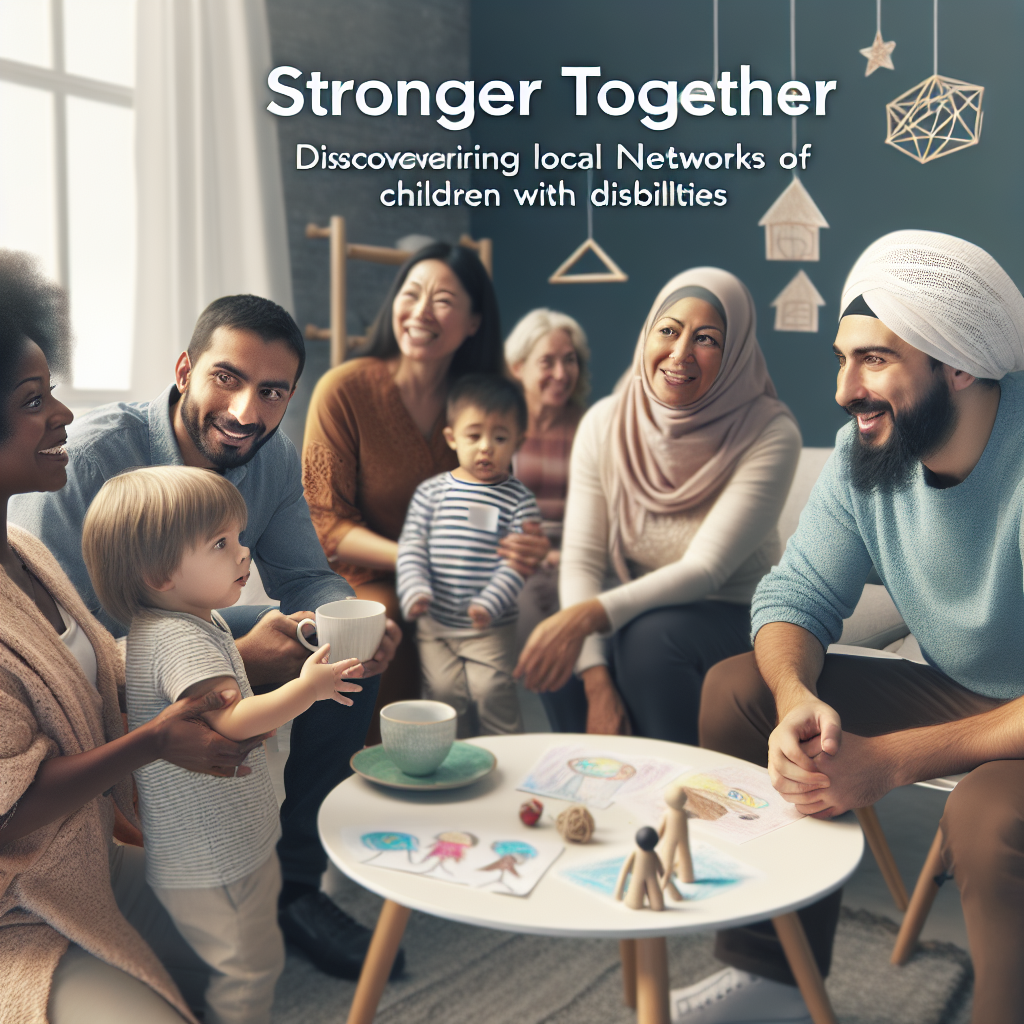
Stronger Together: Discovering Local Networks for Parents of Children with Disabilities
Introduction: A Unified Journey
Navigating the complexities of raising a child with disabilities can often feel like traversing a labyrinth. The road is full of unexpected turns, emotional highs and lows, and moments that can leave parents feeling isolated. However, amid this landscape, there lies an empowering truth: Stronger Together: Discovering Local Networks for Parents of Children with Disabilities can transform the journey from a lonely path into a shared adventure. In this article, we delve into the significance of connecting with local support networks, offering unique insights, resources, and inspiring case studies along the way.
The Importance of Community
Why Local Networks Matter
In today’s fast-paced, often disconnected world, community holds immense value, especially for parents of children with disabilities. Local support groups can provide emotional, practical, and informational resources. Not only can these networks help reduce feelings of isolation, but they also amplify personal strength and resilience. Stronger Together: Discovering Local Networks for Parents of Children with Disabilities enables families to share their experiences, strategies, and victories.
Case Study: The Johnson Family
Consider the Johnson family. After their son, Ethan, was diagnosed with autism, they felt overwhelmed and unsure of where to turn. Through Stronger Together: Discovering Local Networks for Parents of Children with Disabilities, they discovered a local support group that met weekly. This connection not only offered respite but also provided insights into local resources, mobility aids, and educational strategies. The transformative impact of this network gave the Johnson family a renewed sense of hope and community.
The Many Faces of Support
Types of Local Networks
Local networks for parents of children with disabilities come in various forms. Understanding these can help families identify what fits their needs best.
-
Support Groups: Regular meet-ups where parents share experiences, coping strategies, and resources.
-
Educational Workshops: Sessions led by professionals on topics like IEPs, therapy options, and legal rights.
-
Online Communities: Social media groups that provide virtual support and resources.
-
Parent Mentorship Programs: Pairing experienced parents with those newly navigating disabilities.
- Resource Sharing Platforms: Websites and directories that consolidate local services, therapists, and specialists.
Table 1: Types of Local Networks
| Type | Description | Benefits |
|---|---|---|
| Support Groups | Regular meetings for sharing experiences | Emotional support and resource sharing |
| Educational Workshops | Professional-led sessions on various topics | Knowledge and practical strategies |
| Online Communities | Virtual support spaces | Accessibility and widespread outreach |
| Parent Mentorship | Pairing experienced parents with newcomers | Personalized guidance and support |
| Resource Platforms | Directories of local services | Ease of access to essential resources |
Building Blocks of Local Networks
Understanding the foundational elements of effective networks can help parents maximize their participation.
- Trust and Honesty: Networks thrive on open communication.
- Resourcefulness: Sharing local resources magnifies the support for each family.
- Inclusivity: Embracing diverse backgrounds and experiences strengthens the community.
How to Find and Connect with Local Networks
Research and Outreach
Finding a local network starts with basic research. Here are tips to streamline the process:
- Online Searches: Utilize social media and web searches to find local parent groups.
- Community Boards: Explore bulletin boards in hospitals, schools, and community centers.
- Professionals: Contact therapists, teachers, or pediatricians who may have recommendations.
Case Study: The Martinez Family
The Martinez family relocated to a new city, feeling isolated. By researching online, they connected to Stronger Together: Discovering Local Networks for Parents of Children with Disabilities in their area. They attended their first meeting tentatively. Within weeks, they had formed genuine friendships and shared invaluable resources that significantly eased their transition into the new environment.
Engaging with Your Local Network
Communication Strategies
To maximize your involvement, consider these helpful communication strategies:
- Active Listening: Be present and listen actively during discussions.
- Sharing Experiences: Your story may resonate with someone else and can foster deeper connections.
- Offering Help: Be proactive in supporting fellow parents, building a reciprocal relationship.
Organizing Community Events
Consider spearheading events that benefit the wider community:
- Family Fun Days: Organizing outdoor activities to foster a sense of community.
- Educational Fairs: Bringing together local experts to share knowledge on relevant topics.
- Fundraisers: Raising money for local initiatives or resources that can help families.
Table 2: Strategies for Effective Communication
| Strategy | Description | Benefits |
|---|---|---|
| Active Listening | Engaging with what others share | Builds trust and rapport |
| Sharing Experiences | Opening up about personal journeys | Encourages connection and relatability |
| Offering Help | Providing assistance within the group | Strengthens community bonds |
Beyond Local: Leveraging Online Resources
The Hybrid Approach
While local networks provide valuable in-person support, the digital world offers a plethora of resources. A hybrid approach can maximize the benefits.
Online Platforms to Explore
- Facebook Groups: Many communities host group pages where parents can connect and share experiences.
- Webinars: Online workshops led by experts can offer additional strategies and insights.
- Podcasts: A convenient medium for gaining knowledge while on the go.
Case Study: The Thompson Family
The Thompsons combined their local support group experience with online resources. Engaging in a podcast episode on disability awareness led them to implement a new educational technique for their daughter, resulting in significant improvement in her schoolwork. This blend of local and online engagement can be pivotal for many families.
Overcoming Challenges in Building Networks
Addressing Common Misconceptions
Despite the clear benefits, some parents may hesitate to engage in local networks. Common barriers include:
- Fear of Stigma: Parents may worry about being judged or misunderstood.
- Time Constraints: Busy schedules can make attendance difficult.
Overcoming Barriers
To bypass these challenges, consider:
- Finding Flexible Meeting Times: Look for networks that accommodate busy schedules.
- Choosing Welcoming Environments: Opt for groups that emphasize inclusivity and non-judgment.
Success Stories: From Isolation to Empowerment
Our Collective Strength
Stronger Together: Discovering Local Networks for Parents of Children with Disabilities reveals countless stories of families transforming their lives. Let’s celebrate a few more examples.
-
The Kims: After connecting with a local group, they successfully advocated for their child’s inclusive education, inspired by collective experiences from their network.
- The Hamptons: Hosted a "Help Us Help You" event that integrated various local services and fostered deeper community ties.
A Call to Action
If you’re a parent of a child with disabilities, consider seeking out a local network. Share your story, mentor others, and advocate together. The collective strength is profound, and your journey can inspire others.
Conclusion: The Power of Connection
In conclusion, the journey of raising a child with disabilities is undoubtedly challenging, but it need not be undertaken alone. Stronger Together: Discovering Local Networks for Parents of Children with Disabilities not only enhances emotional and practical support but also enriches the lives of children and families alike. By valuing community, sharing experiences, and actively engaging with local networks, parents can forge connections that transform their journey into one of resilience, hope, and empowerment.
FAQs
1. How do I find local networks for parents of children with disabilities?
You can start by searching online, checking community boards, and asking professionals involved in your child’s care for recommendations.
2. What should I expect at a support group meeting?
Support group meetings typically involve sharing experiences, discussing challenges, and providing resources, all in a welcoming environment.
3. Are online communities beneficial?
Yes! Online communities offer a platform to connect with other parents and share resources, especially if local options are limited.
4. How can I be more active in my local network?
You can participate by attending meetings, sharing your experiences, and helping organize community events.
5. What if I feel uncomfortable sharing my story?
It’s perfectly normal to feel hesitant. Start by listening and observing until you feel ready to share when you are comfortable.
In emphasizing the shared journey of parents raising children with disabilities, we uncover a tapestry of stories that beautifully illustrates the effectiveness of community networks. By harnessing support and resources together, we can create stronger families and, ultimately, a stronger society.

