


Introduction
In an era where technology is seamlessly woven into the fabric of daily life, understanding how it influences learning has never been more crucial. Technology and Learning: The Intersection of Educational Psychology and Digital Education explores the exciting and sometimes complex relationship between digital tools and the cognitive processes that underpin effective learning. As educators, students, and even parents grapple with this evolving landscape, recognizing the insights of educational psychology becomes essential in crafting robust digital learning environments.
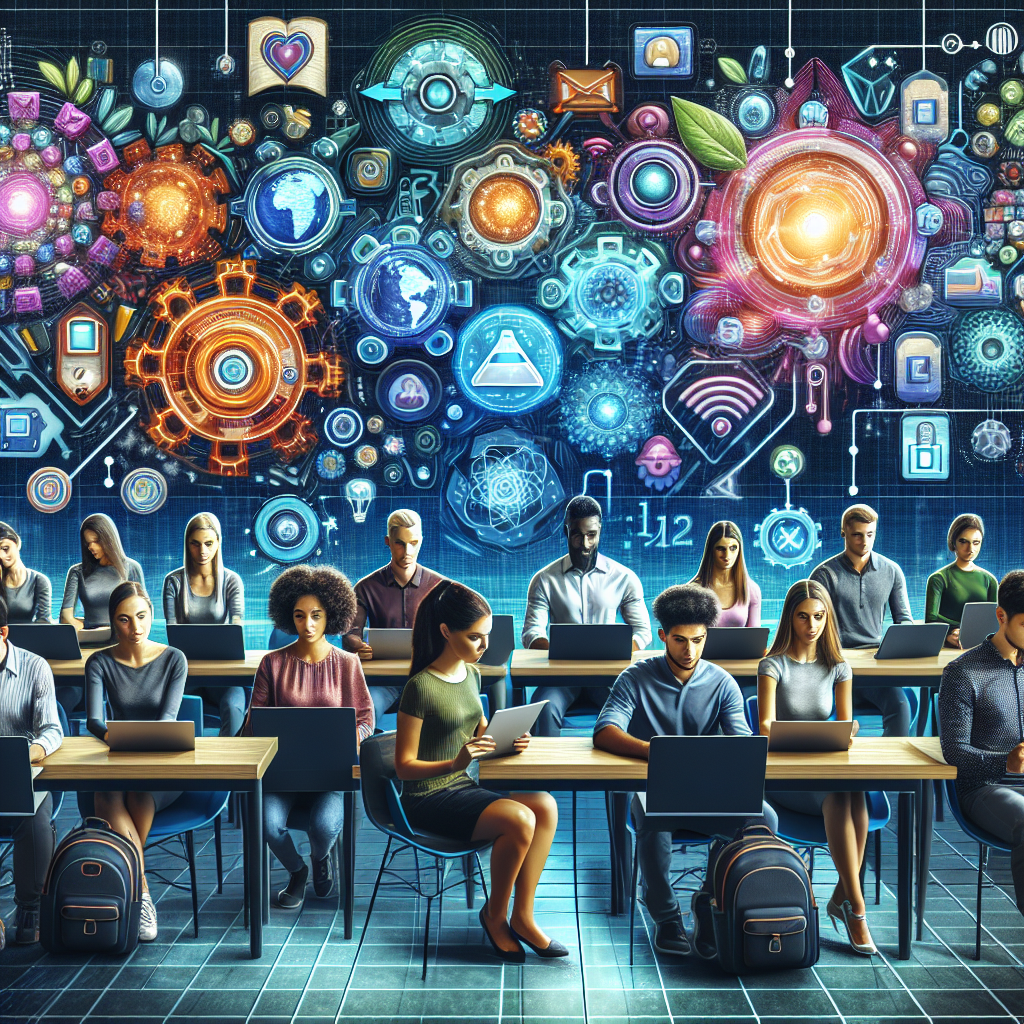
Imagine a classroom where students are not just passive recipients of information but active participants, engaged through immersive technologies that cater to their unique learning styles. This not only enhances motivation but also drives deeper understanding—a necessity in today’s knowledge-driven economy.
This article delves into how blending educational psychology with digital education creates a powerful synergy that can transform learning experiences, paving the way for students to thrive in their academic journeys and beyond.
The Role of Educational Psychology in Learning
Understanding Learning Theories
Educational psychology provides a wealth of insights through various learning theories such as behaviorism, cognitivism, and constructivism. Each contributes distinct perspectives on how students absorb and process information.
- Behaviorism focuses on observable behaviors and how external stimuli can shape learning experiences—a principle that many digital education tools leverage, such as through gamification.
- Cognitivism emphasizes the inner workings of the mind. Here, understanding cognitive overload and metacognition can help in designing digital content that optimizes user engagement and retention.
- Constructivism posits that learners construct knowledge through experiences. This can be effectively realized in a digital context through collaborative tools and interactive platforms.
Cognitive Load Theory
One valuable concept from educational psychology is Cognitive Load Theory. This theory posits that our working memory has limited capacity. When designing digital educational content, keeping this in mind can enhance learning outcomes. For example, multimedia learning that integrates both visual and auditory information can reduce extraneous load and make learning more efficient.
Case Study: Online Learning Modules at Stanford University
At Stanford, the implementation of blended learning environments in courses like "Introduction to Logic" demonstrated how well-structured content could ease cognitive load, leading to improved student feedback and performance. By breaking down complex materials into bite-sized modules, students reported feeling less overwhelmed and more engaged—proving the power of aligning technology with educational psychology.
Motivation and Engagement
Engagement is a core component of learning. Theories by psychologists such as Maslow, Deci, and Ryan outline the drivers of student motivation. When technological tools cater to these needs—be it through game-based learning or personalized feedback—students are more likely to invest effort in their studies.
Example: Kahoot! in the Classroom
Kahoot!, a game-based learning platform, utilizes competition and immediate feedback, triggering dopamine release and fostering motivation. Educators using Kahoot! often report heightened engagement levels, illustrating the effectiveness of marrying psychological principles with digital tools.
Designing Effective Digital Learning Experiences
User-Centered Design Principles
Creating effective digital learning environments is grounded in user-centered design principles that prioritize the learner’s experience.
Accessibility
Digital education tools must ensure accessibility for all students, including those with special needs. The Universal Design for Learning (UDL) framework advocates for flexible environments that accommodate diverse learners, enhancing the applicability of technology in education.
Content Delivery Formats
The varying formats of content delivery—videos, interactive simulations, and text-based resources—allow for differentiation, meeting unique learner preferences. For instance, a student who struggles with reading may benefit from audiobooks or video tutorials, emphasizing the need for adaptability in Technology and Learning: The Intersection of Educational Psychology and Digital Education.
The Power of Analytics
Data analytics are revolutionizing personalized learning. Leveraging learning management systems (LMS) that track student engagement and performance informs areas needing intervention and highlight successful strategies.
Case Study: Adaptive Learning Platforms
Platforms like DreamBox Learning utilize adaptive algorithms to tailor math experiences according to individual student performance, fostering personalized education pathways that reflect psychological principles of pacing and mastery.
The Impact of Collaborative Learning
Social aspects are paramount in education. Tools that promote collaboration not only enhance problem-solving skills but also build a sense of community—a fundamental aspect of psychological well-being in education.
Example: Google Classroom
The integration of Google Classroom in various educational settings allows for real-time collaboration and feedback, creating a space where collective intelligence thrives. This environment illustrates the concept of Vygotsky’s Zone of Proximal Development, where collaborative efforts leverage peer support for enhanced learning outcomes.
Challenges in Integrating Technology into Education
Digital Divide
One of the pressing challenges in Technology and Learning: The Intersection of Educational Psychology and Digital Education is the digital divide. Not all students have equal access to technology, creating inequities that hinder learning potential. Schools and educators must prioritize equitable access to resources to ensure all students can benefit from digital learning tools.
Over-reliance on Technology
While technology has vast potential, an over-reliance can lead to disengagement. It’s important to strike a balance of traditional instructional methods alongside innovative digital practices, recognizing that technology should facilitate and not replace meaningful learning.
Screen Time and Health Concerns
Excessive screen time can lead to health issues such as eye strain or decreased physical activity. Educational psychologists emphasize the importance of incorporating breaks and encouraging balance — an often overlooked aspect in fast-paced digital education environments.
Actionable Insights for Educators and Learners
As we delve deeper into Technology and Learning: The Intersection of Educational Psychology and Digital Education, several actionable strategies emerge for educators and learners:
-
Embrace a Growth Mindset: Foster resilience and adaptability in students through digital platforms that celebrate effort and progress rather than just outcome.
-
Personalize Learning Experiences: Utilize data to understand individual student needs, applying insights from educational psychology to create targeted interventions.
-
Encourage Collaboration: Leverage technology to promote group work and peer interactions, aligning with social learning theories that emphasize collaboration.
-
Utilize Feedback Loops: Implement systems for frequent feedback not only for students but also for educators on the effectiveness of their teaching methods.
- Promote Digital Literacy: Ensure learners are equipped with the critical thinking skills necessary to navigate digital content wisely and effectively.
Conclusion
As we navigate the intricate landscape of technology and learning—specifically Technology and Learning: The Intersection of Educational Psychology and Digital Education—the imperative becomes clear. This intersection is not merely a meeting of digital tools and learning theories; it is a blueprint for creating an educational ecosystem that nurtures capable, empowered learners.
By understanding and applying principles from educational psychology, educators can harness the power of technology to craft inspiring and effective learning experiences. As we continue to explore this evolving domain, the focus must remain on fostering environments where learners thrive—where technology illuminates knowledge, and psychology informs practice.
FAQs Section
1. What is the role of educational psychology in digital education?
Educational psychology informs the design and implementation of learning tools by understanding how learners think, feel, and behave, thereby enhancing educational outcomes through tailored strategies.
2. How can technology support diverse learning styles?
Technology provides multi-modal learning experiences that cater to various preferences, allowing students to engage with content through text, visuals, and interactive elements.
3. What are the challenges of integrating technology in education?
Challenges include the digital divide, potential over-reliance on screens, and the need for teacher training in effectively using technology.
4. How can educators promote equity in digital learning?
By providing equal access to technology and resources, along with structured support for underrepresented groups, educators can ensure all students benefit from digital education.
5. What are some effective tools for enhancing student engagement?
Tools like Kahoot!, Google Classroom, and adaptive learning platforms are great for fostering interactivity and collaboration, engaging students in the learning process effectively.
Exploring Technology and Learning: The Intersection of Educational Psychology and Digital Education reveals transformative potential for the future of education. Let us build bridges across this intersection for a thriving educational experience that connects heart and mind.


The PsyForU Editorial Collective is the research and editorial team of PsyForU Research International. The collective prepares educational, psychological, mental-health-awareness, inclusion, neurodiversity, and research-methodology content for students, parents, educators, researchers, and general readers. PsyForU content is intended for awareness, education, and capacity-building and should not be treated as clinical diagnosis, therapy, medical advice, legal advice, or emergency mental-health support.