


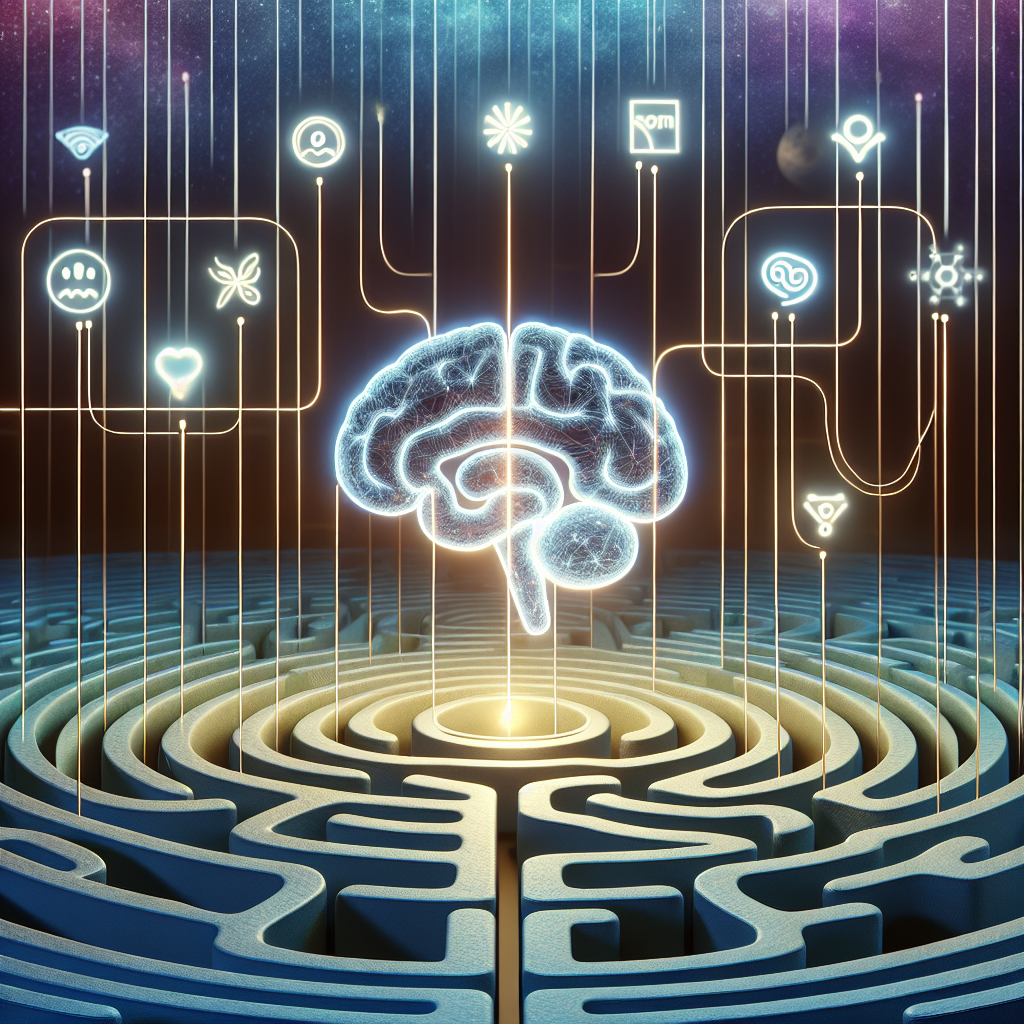
The Addictive Mind: Insights into the Psychological Mechanisms of Addiction
Introduction
Addiction is one of the most pressing issues facing society today, affecting individuals, families, and communities at large. The challenges that addiction presents are not solely physical; they touch on profound psychological mechanisms that govern our behavior and decision-making. This article delves into "The Addictive Mind: Insights into the Psychological Mechanisms of Addiction," providing a comprehensive exploration of how addiction develops, its psychological underpinnings, and strategies for overcoming it.
Understanding the addictive mind is essential not only for those grappling with addiction but also for educators, healthcare professionals, and policymakers. By exploring the psychological aspects of addiction, we can foster stronger, more effective treatment approaches that resonate on a deeper, human level.
The Nature of Addiction: A Psychological Perspective
Addiction is classified as a complex brain disorder and a mental illness. The American Psychiatric Association defines it as a chronic, relapsing disorder characterized by compulsive drug-seeking behavior despite adverse consequences. But what psychological factors contribute to this behavior?
The Neurobiological Foundation of Addiction
At the core of addiction are changes in brain chemistry. Substances like drugs and alcohol activate the brain’s reward system, flooding it with dopamine—a neurotransmitter linked to pleasure and reward. This surge provides a feeling of euphoria, reinforcing the behavior and fostering dependence.
Case Study: The Dopamine Cycle in Substance Abuse
Research involving individuals addicted to cocaine illustrates the cycle of dopamine release and reinforcement. In a study conducted by the National Institutes of Health, brain imaging showed significant changes in the brain’s reward pathways, making it harder for individuals to derive pleasure from everyday activities. Therefore, addiction creates a feedback loop that captures the mind’s attention.
Psychological Triggers: Environment and Emotion
While biological factors are crucial, psychological triggers often serve as initial gateways into addiction. Environmental cues, stressors, and emotional states can activate compulsive behaviors, leading individuals deeper into substance dependency.
Case Study: Trauma and Addiction
Consider the case of a young woman dealing with childhood trauma. She turned to alcohol as a coping mechanism, initially finding relief from her emotional pain. Over time, her reliance on alcohol led to addiction, illustrating how psychological trauma can shape an individual’s path toward addiction.
Cognitive Distortions and Decision-Making
The addictive mind often relies on cognitive distortions—flawed beliefs that skew reality and interfere with rational decision-making. People with addictions may believe they can control their drug use or that they require substances to function normally.
Table 1: Common Cognitive Distortions in Addiction
| Cognitive Distortion | Description |
|---|---|
| All-or-Nothing Thinking | Viewing situations in black-and-white terms |
| Catastrophizing | Expecting the worst possible outcome |
| Personalization | Blaming oneself for events outside their control |
| Minimization | Downplaying the severity of the addiction |
These distortions trap individuals in a cycle of denial and ultimately fuel their addictive behaviors.
The Role of Social Factors in Addiction
Understanding "The Addictive Mind: Insights into the Psychological Mechanisms of Addiction" also requires recognizing the impact of social environments. Relationships, societal norms, and cultural factors play significant roles in shaping addiction pathways.
The Influence of Peers and Family
Peer pressure and familial relationships can either exacerbate or mitigate addictive behaviors. A supportive environment can buffer against addiction, while neglectful or abusive dynamics can foster dependency.
Case Study: Family Dynamics
A case study of two siblings demonstrates this variance. One sibling grew up in a home where substance use was normalized, leading to early experimentation with drugs. The other, raised in a more supportive environment, developed healthy coping mechanisms. This case illustrates how differing familial influences can create divergent paths concerning addiction.
Strategies for Treatment: A Psychological Approach
Understanding the psychological mechanisms behind addiction is not merely academic; it has direct implications for treatment.
Cognitive Behavioral Therapy (CBT)
Cognitive Behavioral Therapy (CBT) has emerged as a powerful tool for addressing the cognitive distortions associated with addiction. By reshaping thought patterns, CBT helps individuals develop healthier coping strategies.
Analysis of CBT’s Effectiveness
Studies show that CBT significantly decreases substance use when combined with regular therapy sessions. By addressing the underlying thought processes, individuals are better equipped to resist cravings and avoid triggers.
The Role of Mindfulness and Meditation
Mindfulness practices promote awareness of the present moment, encouraging individuals to observe their thoughts without judgment. Such techniques can be particularly effective in managing cravings and fostering emotional regulation.
Table 2: Benefits of Mindfulness in Addiction Recovery
| Benefit | Description |
|---|---|
| Reduced Cravings | Mindfulness can help regulate emotional responses |
| Enhanced Self-Awareness | Individuals gain insights into their triggers |
| Stress Reduction | Mindfulness can alleviate anxiety and stress levels |
Conclusion
Understanding "The Addictive Mind: Insights into the Psychological Mechanisms of Addiction" is vital for everyone, from individuals facing addiction to their loved ones, and even professionals working in addiction treatment.
By delving into the interplay between biological, psychological, and social factors, we can develop more comprehensive addiction frameworks and effective treatment strategies.
To anyone grappling with addiction, remember that acknowledgment is the first step. Change is possible with the right tools, support, and strategies designed to break the cycle of addiction.
FAQs
1. What are the psychological causes of addiction?
Psychological causes can include trauma, stress, emotional distress, and cognitive distortions that influence decision-making.
2. How can addiction be treated effectively?
Effective treatment often combines therapies like Cognitive Behavioral Therapy (CBT), mindfulness practices, and support groups to address the multifaceted nature of addiction.
3. Is addiction a mental illness?
Yes, addiction is classified as a chronic brain disorder and a mental illness by the American Psychiatric Association.
4. Can environmental factors influence addiction?
Absolutely! Environmental factors, such as family dynamics and peer pressure, play a crucial role in the development of addictive behaviors.
5. What role does dopamine play in addiction?
Dopamine is a neurotransmitter linked to pleasure and reward, and its dysregulation can lead to compulsive behaviors and addiction.
By shedding light on the intricate workings of the addictive mind and offering actionable insights for recovery, we can empower individuals and communities to reclaim their narratives and foster resilience against addiction.

